Find the right dental bur
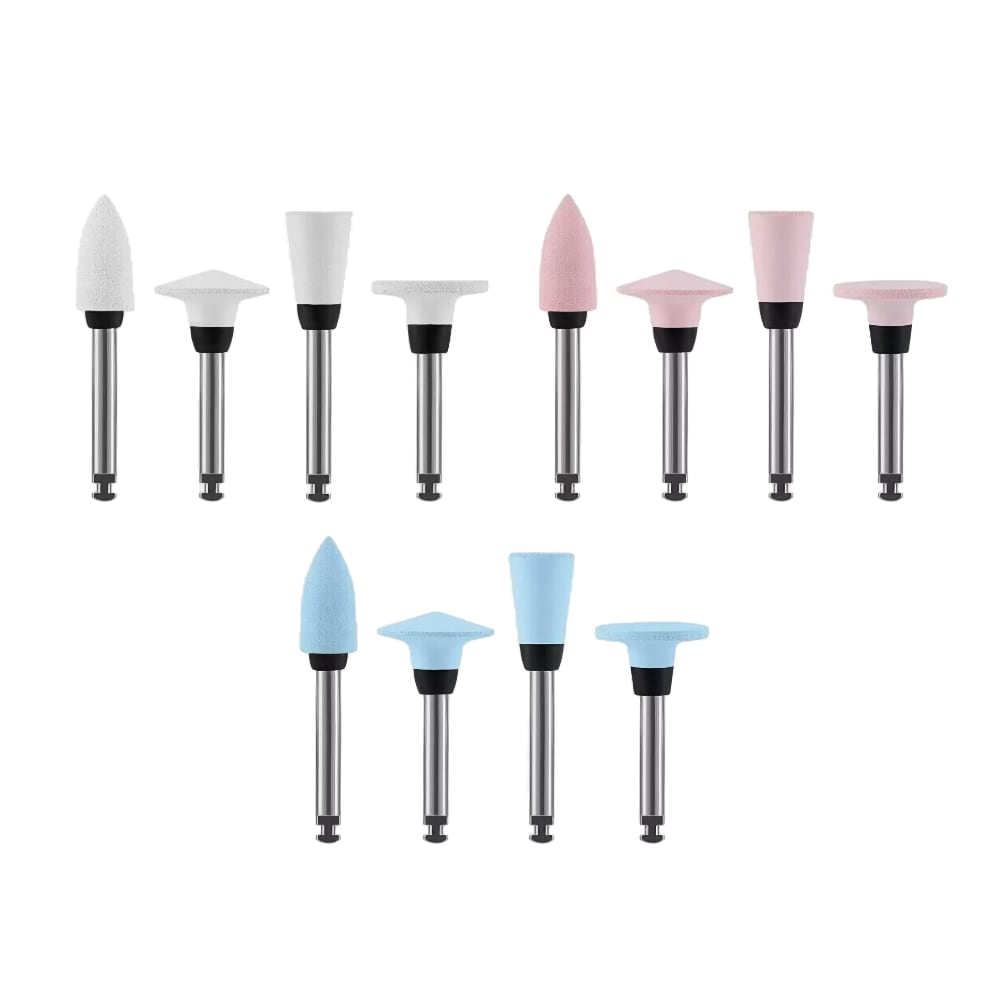
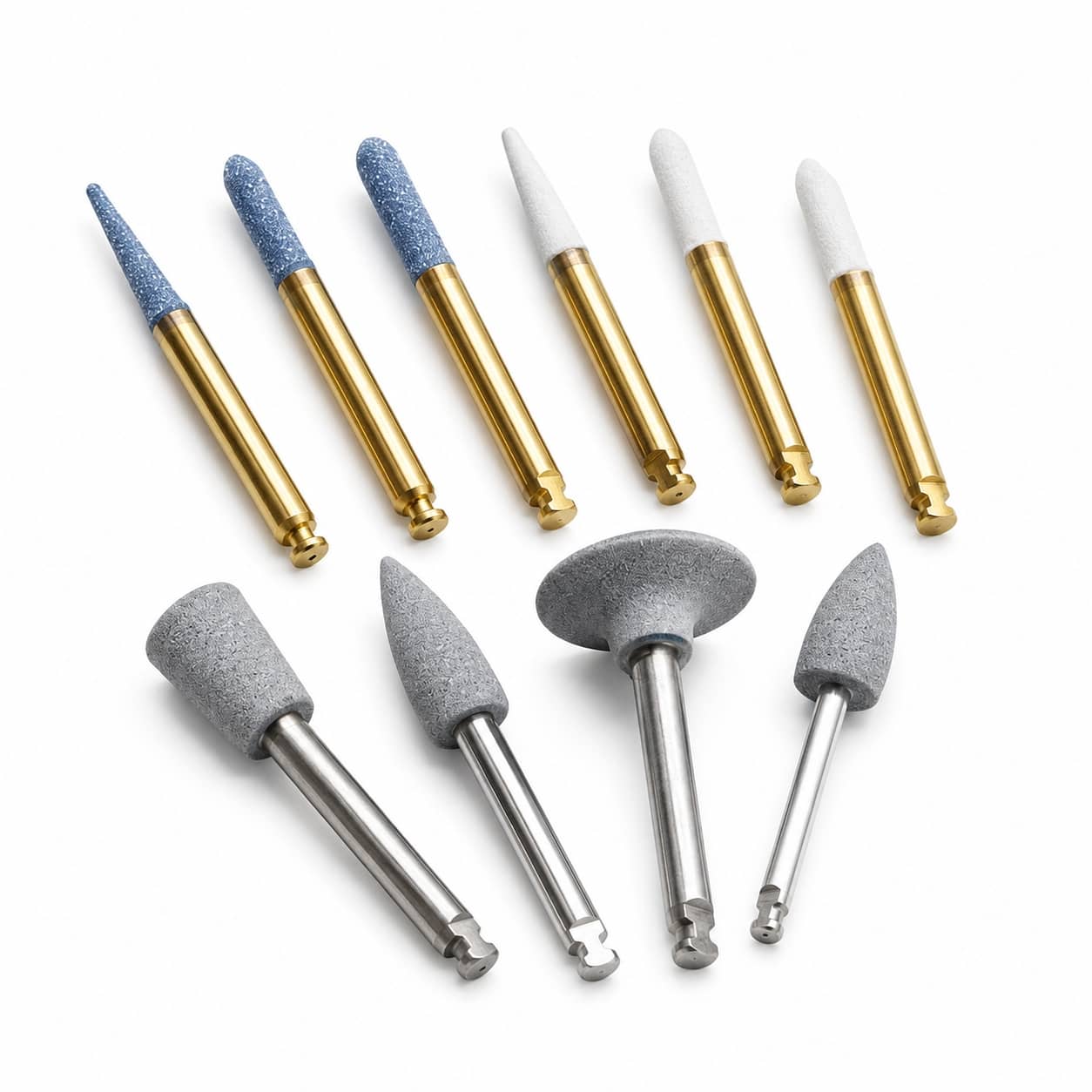
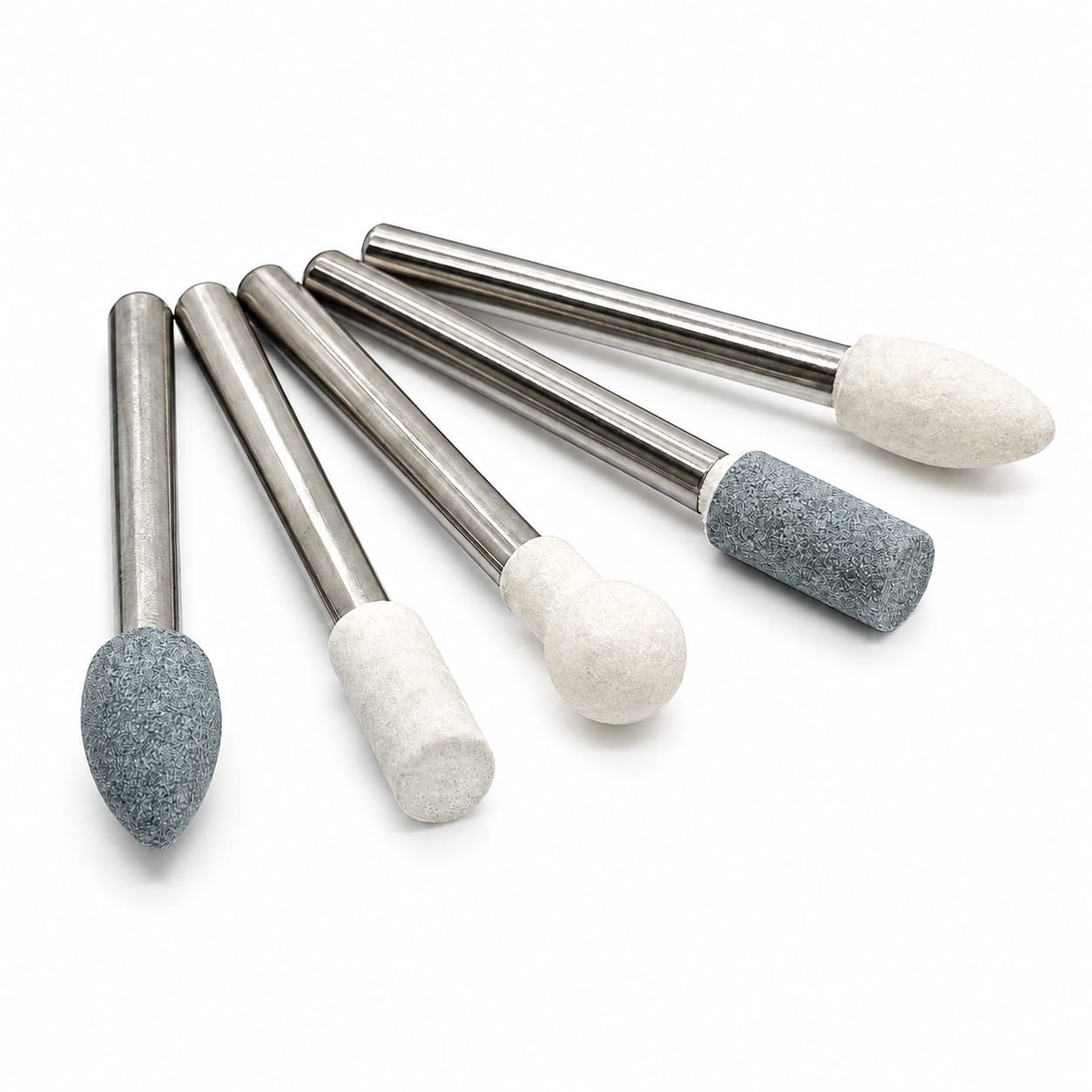
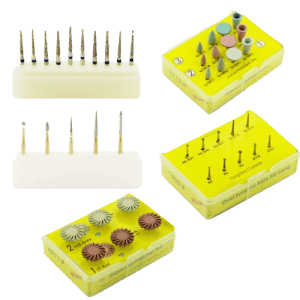
BurDental manufactures rotary instruments for every step of clinical work. Three questions narrow the choice quickly: what material are you cutting, which handpiece will hold the bur, and what procedure is it for?
By shank
FG (friction grip, ø1.6 mm) fits high-speed turbines and is the standard for clinical cutting. RA/CA (latch type, ø2.35 mm) fits slow-speed contra-angles for excavation and polishing. HP (ø2.35 mm straight) is for laboratory handpieces — see our lab & technician range.
Dental burs FAQ
What are dental burs?
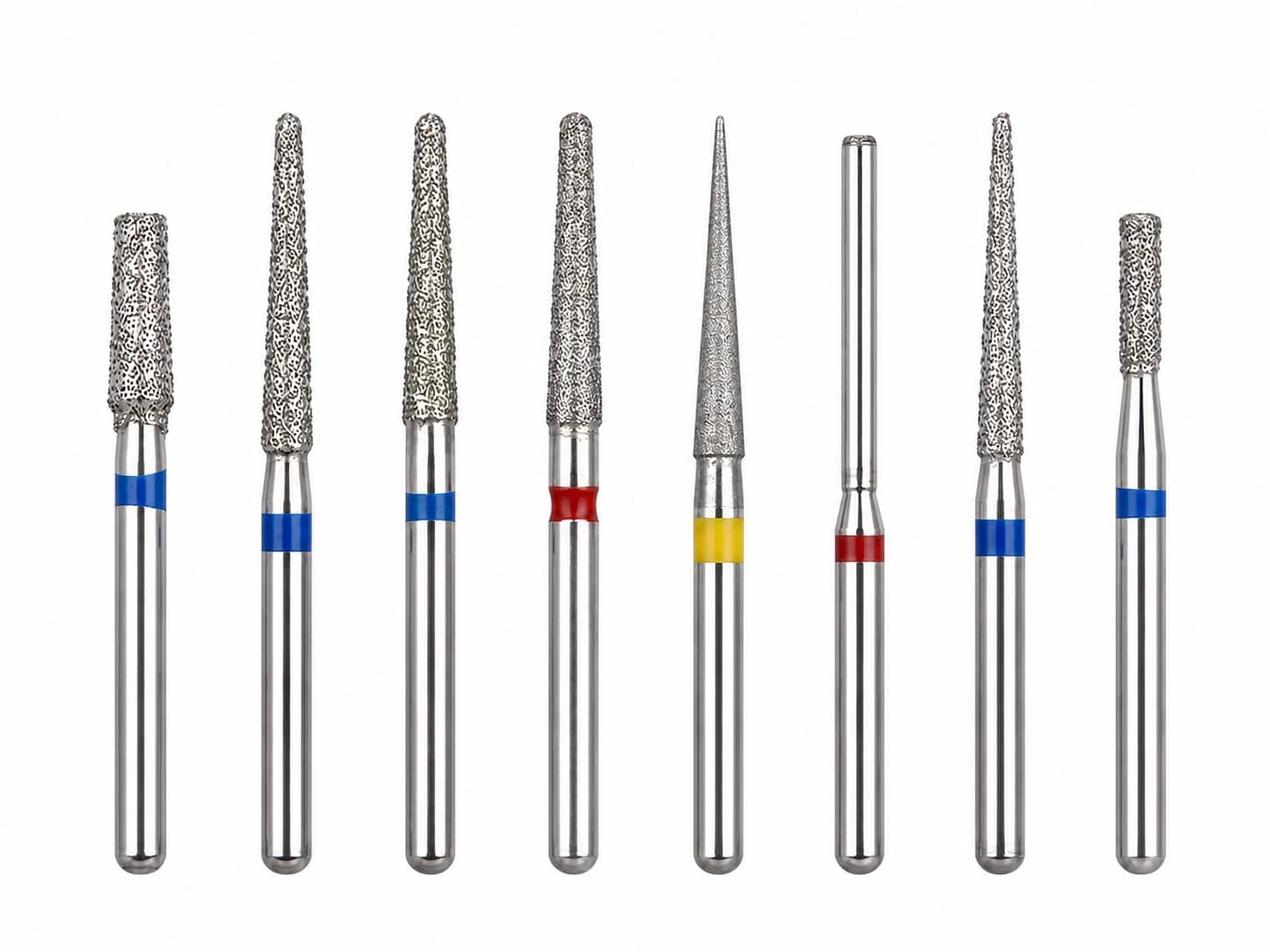
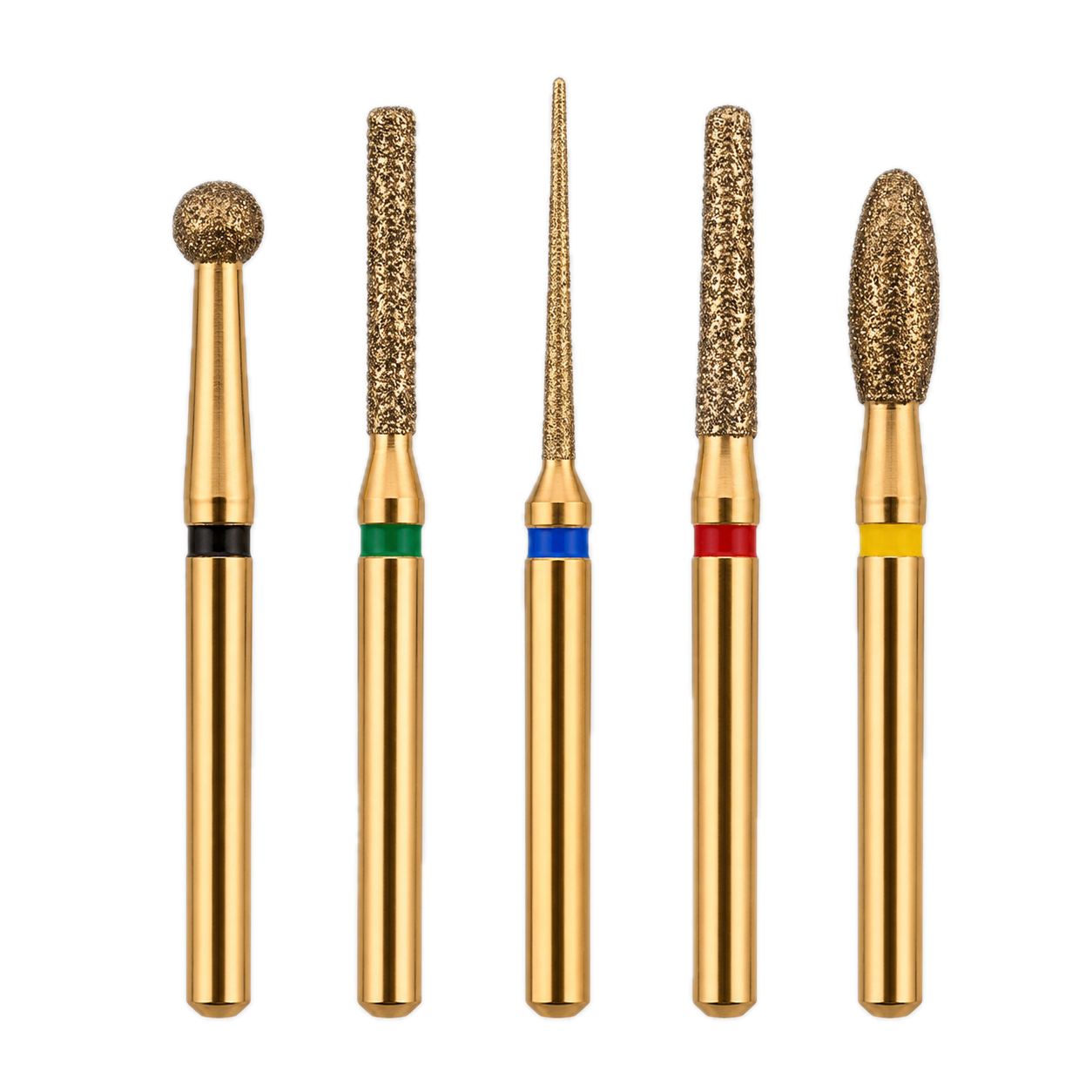
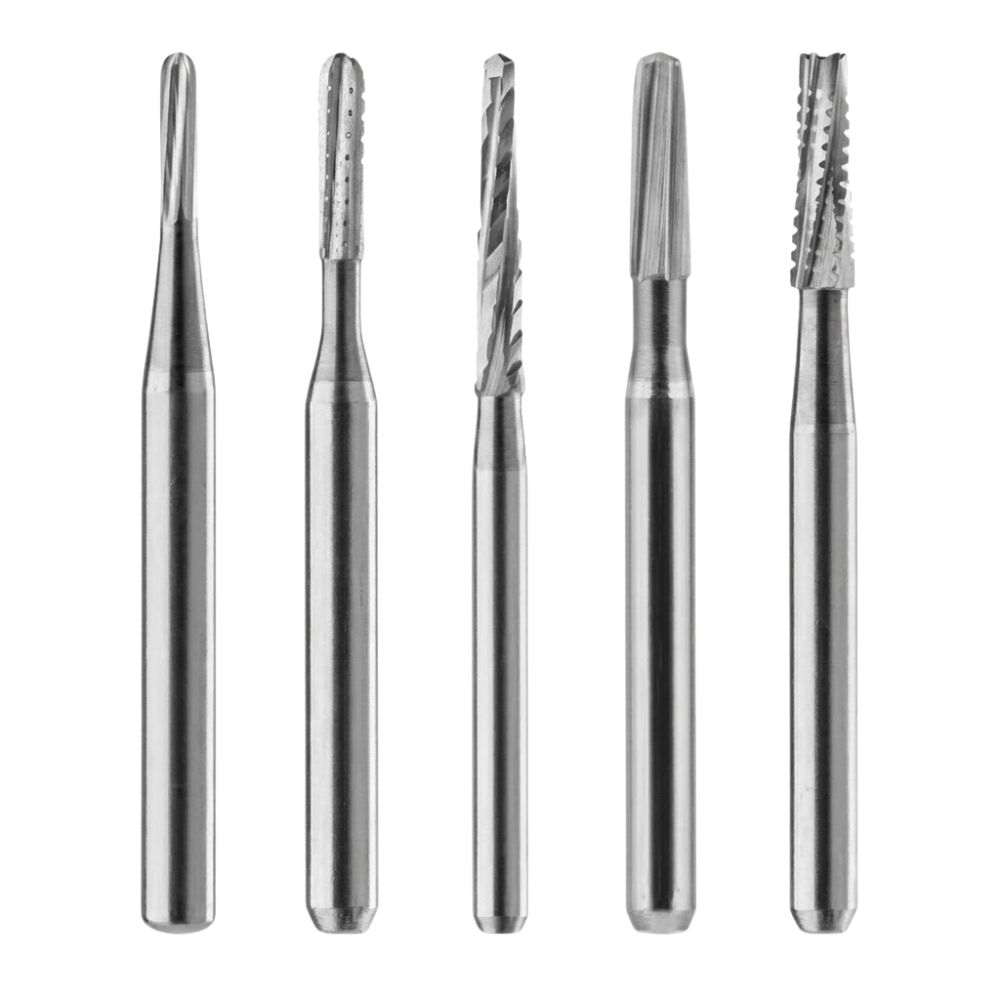
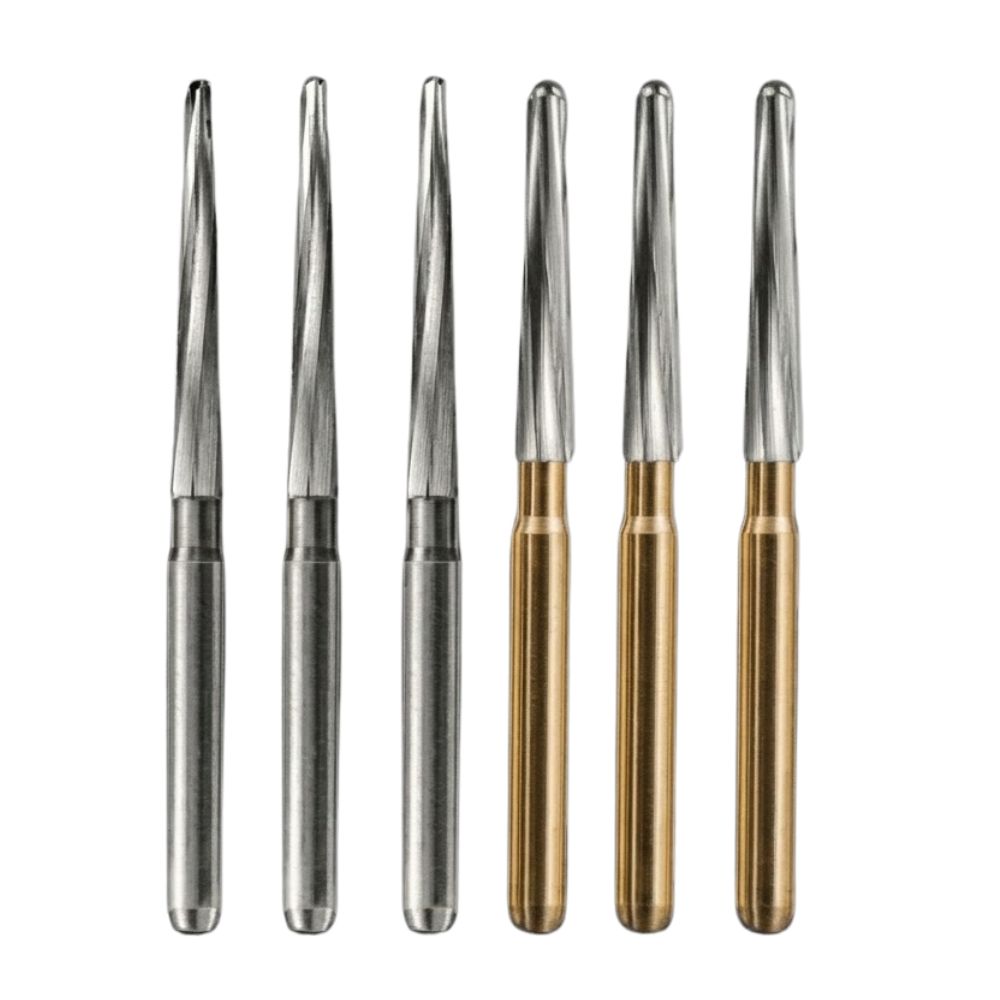
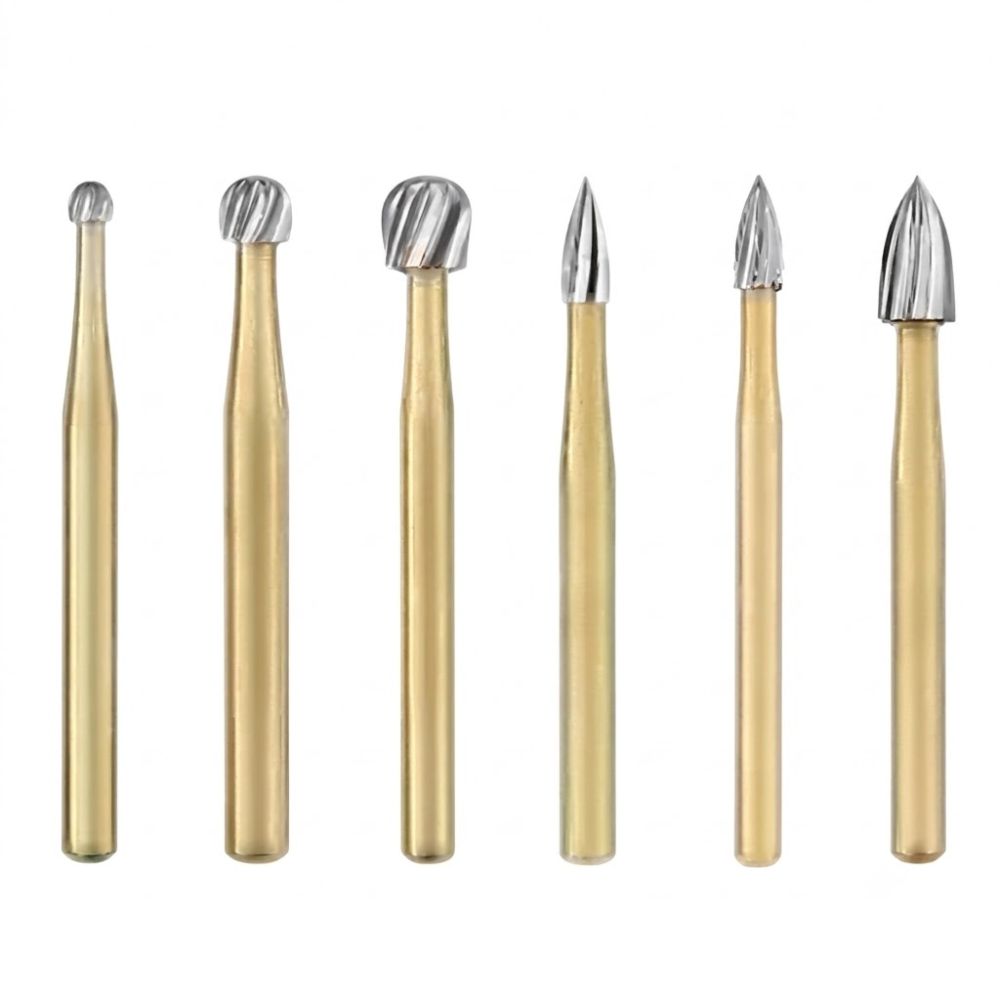
Dental burs are the cutting tips used in dental handpieces (the “drill”). The handpiece supplies rotation; the bur does the actual cutting. Burs are classified by working-part material (diamond or tungsten carbide), by shank, and by head shape following ISO numbering — for example ISO 330 is the classic pear carbide bur.
What do the color rings mean?
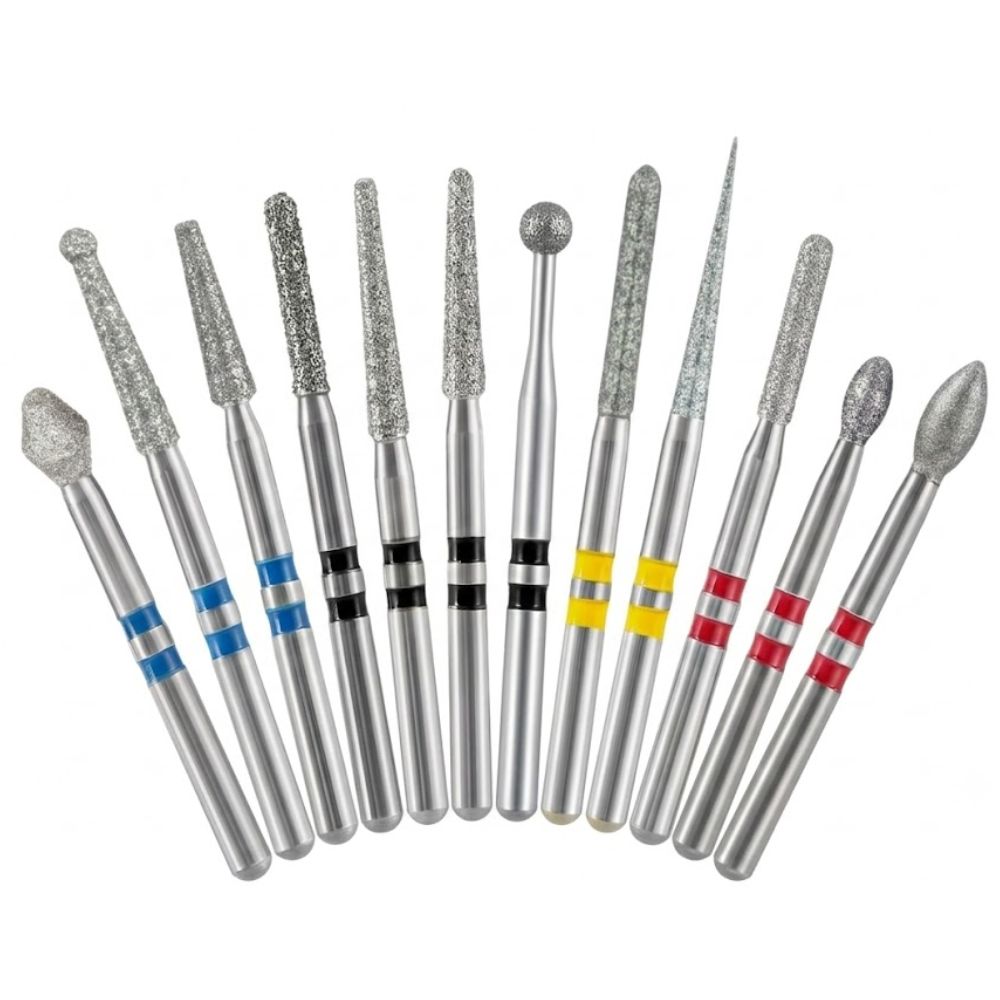
The ring on a diamond bur marks its grit: black and green are coarse for fast bulk reduction, blue is standard for preparation, red is fine for finishing, and yellow/white are extra-fine for final margin work. A typical crown prep uses green or blue first, then red to finish.
How often should burs be replaced?
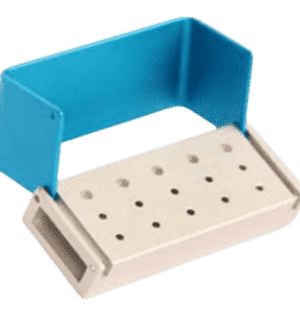
Diamond burs dull after roughly 5–10 preparations; carbide burs keep a sharp edge longer but chip rather than wear. All our burs are autoclavable stainless-steel shank instruments — clean, ultrasonic, then sterilize per your local protocol.
Do you supply wholesale and OEM?
Yes. BurDental is a CE & ISO certified factory: dealers, clinics and brands buy factory-direct, with OEM packaging available and free shipping on qualifying orders. Prices on every product page are live — order online or contact us for volume quotes.