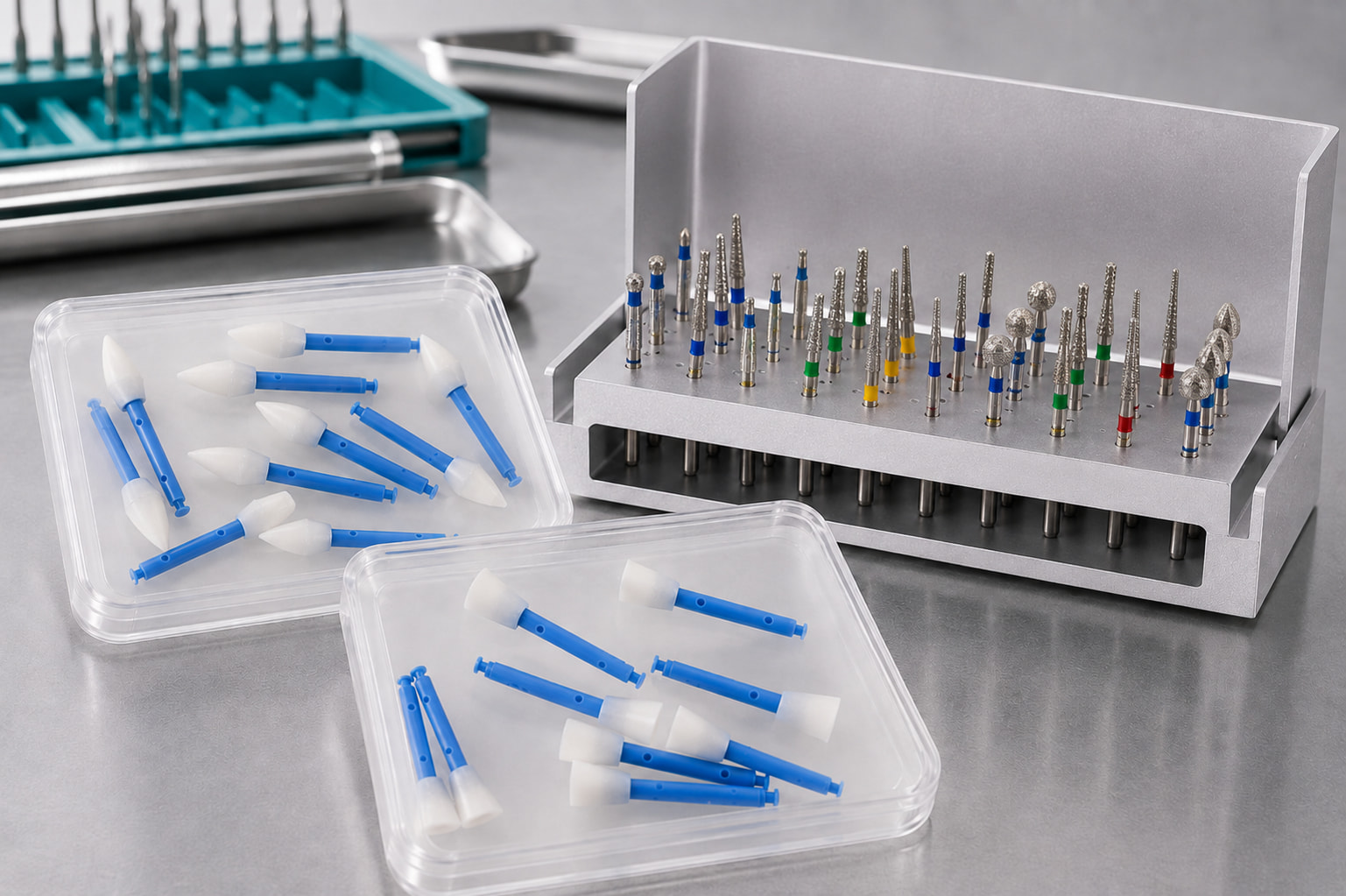
Single use dental burs and reusable burs create different costs long after the purchasing invoice is paid. A clinic comparing them needs to account for staff time, reprocessing capacity, storage, traceability, discarded instruments, and the effect of worn cutting surfaces on daily work.
There is no universal winner for every procedure. The better purchasing model depends on how the clinic uses each bur, what the manufacturer permits, and whether the practice can process reusable instruments consistently. A buyer should separate those questions before comparing quotations.
What the two purchasing models mean
A single-use bur is assigned to one procedure and discarded afterward according to the product instructions and the clinic's waste policy. Purchasing demand is therefore closely tied to procedure volume. The buyer needs enough sealed stock to cover normal use, busy periods, and replenishment time.
A reusable bur enters a repeating workflow after use. That workflow can include collection, cleaning, inspection, packaging, sterilization, storage, and documentation. Reuse is appropriate only when the product is supplied and labeled for that purpose and the clinic can follow the applicable instructions. A lower number of burs purchased does not automatically mean a lower operating cost.
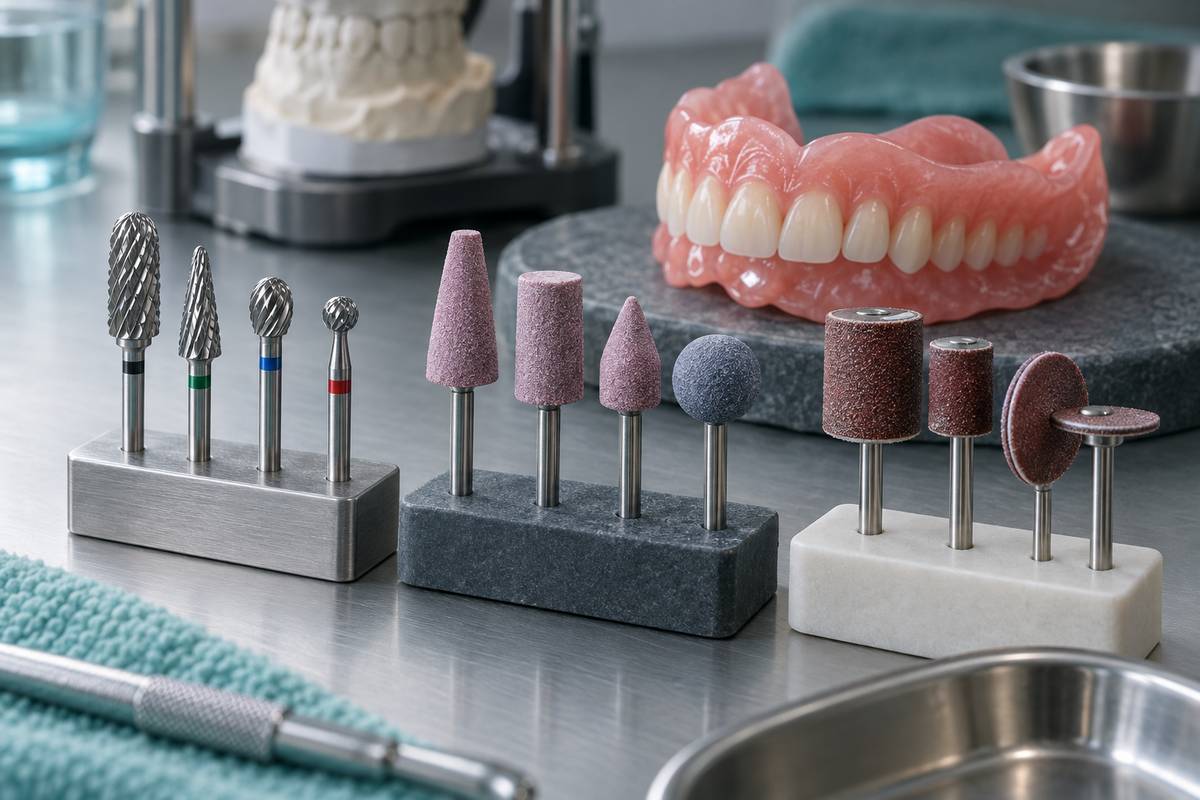
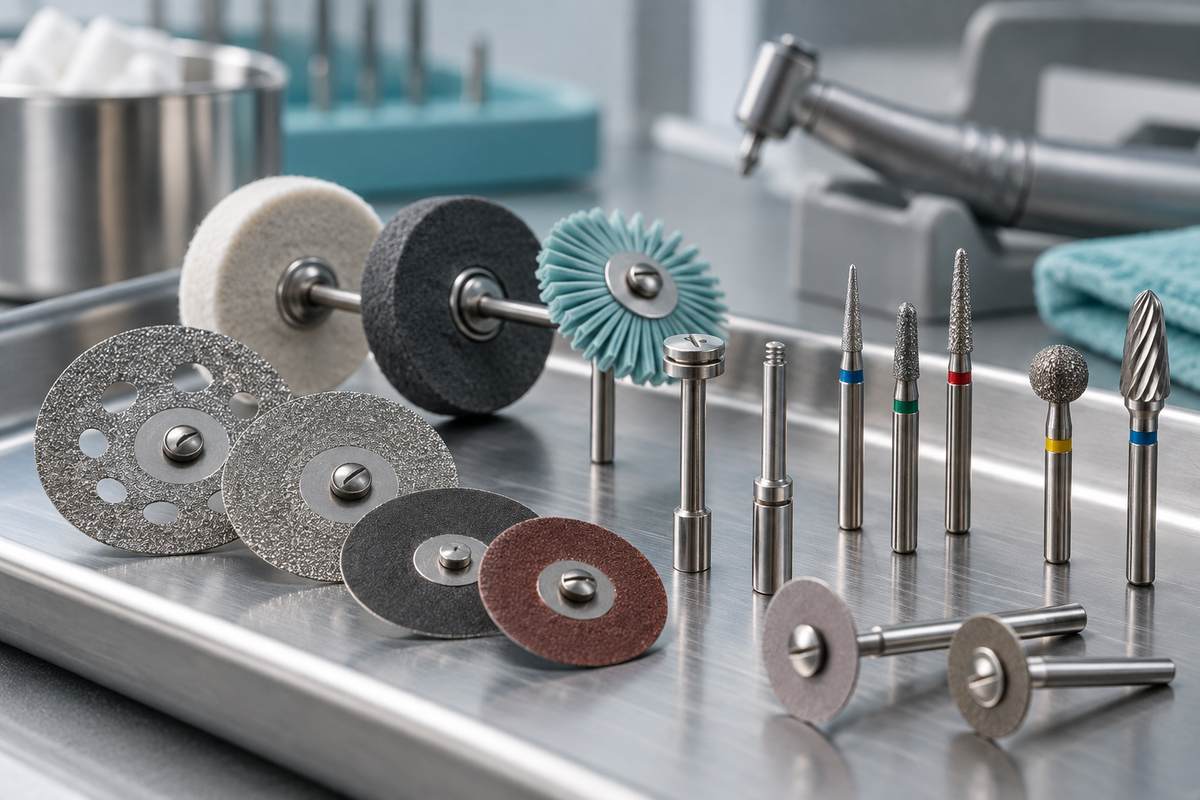
Material alone does not settle the question. Buyers should confirm the intended use and processing instructions for the exact product rather than assuming that every bur in the same material family can be handled identically. Bur shape also matters because debris can be more difficult to see around fine cutting features.
Cost factors to compare
The purchase price is visible, but several other cost components sit in different departmental budgets. Procurement, clinical teams, and sterilization staff should review them together.
| Cost factor | Single-use model | Reusable model |
|---|---|---|
| Instrument purchasing | Repeats with procedure volume | Spread across permitted uses |
| Staff handling | Stock issue and disposal | Collection, cleaning, inspection, packaging, and storage |
| Processing capacity | Not required for reuse | Uses the clinic's available reprocessing workflow |
| Inventory planning | More sealed units are consumed | Clean and used inventory must remain separated |
| Cutting condition | A new instrument begins each case | Condition must be checked before another use |
| Traceability | Lot and stock records remain important | Product identity and processing status both matter |
The single-use calculation starts with expected consumption. Buyers can group procedures by the burs normally opened and then compare that demand with pack quantities and ordering frequency. The useful question is not simply how much one bur costs. It is how much usable stock must be held to prevent substitutions or delays.
The reusable calculation starts with the complete handling cycle. Staff time is part of that calculation even when no separate invoice exists. Packaging materials, inspection, storage space, and occupied processing capacity also belong in the comparison. A clinic with a heavily loaded sterilization area may value a simpler instrument flow differently from one with available capacity.
Infection control and instrument condition
Infection control is a workflow requirement, not a marketing label. Single-use inventory can remove the bur-reprocessing stage, but the clinic still needs controlled storage, correct chairside handling, and safe disposal. Damaged packaging or uncertain product identity should be handled through the clinic's established procedures.
Reusable inventory shifts more responsibility to the processing system. Written instructions for the exact bur should be available to the people doing the work. Used instruments need a defined route that prevents them from being mixed with processed stock. Inspection should occur under suitable conditions so staff can identify retained debris, corrosion, distortion, damaged cutting features, or other signs that the bur should not return to service.
Sterilization does not replace cleaning, and processing does not restore a worn cutting surface. A bur may complete its permitted processing cycle yet still be unsuitable because its working end is damaged or no longer cuts as expected. Purchasing forecasts should therefore include condition-based removal rather than assuming that every reusable instrument follows the same service pattern.
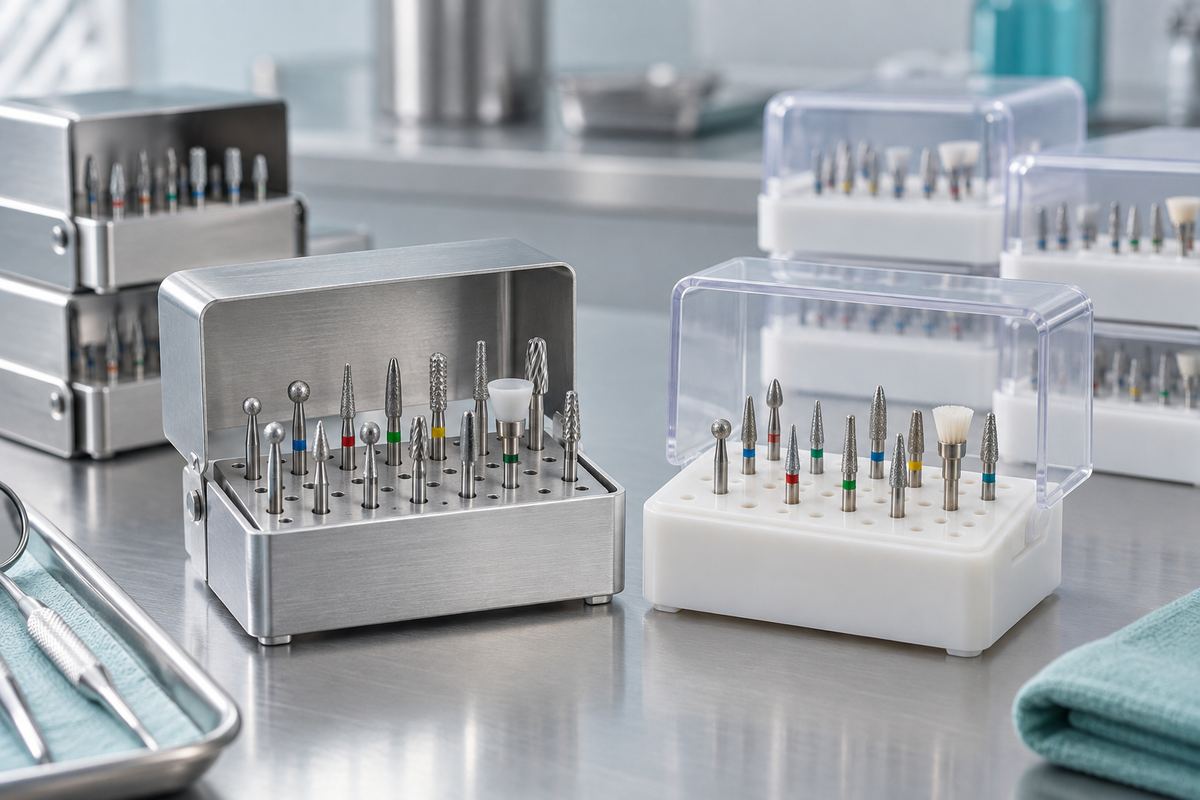
For organized processing and storage, buyers can review sterilisable bur blocks. Products listed in that category include BB201, BB202, and BB212. The correct block choice should follow the clinic's own workflow and the instructions applicable to the instruments being processed.
Consistency, chair time, and hidden waste
A bur affects more than supply expenditure. If an instrument cuts inconsistently, the operator may spend longer completing the intended step or replace it during the procedure. That creates chairside interruption and consumes another item. These effects are difficult to see in a purchase-price comparison, but they can change the practical result.
Single-use purchasing offers a straightforward starting condition: each case begins with an unused bur. The tradeoff is continuous stock consumption and more discarded instruments. Forecast errors can also create shortages if procedure volume rises faster than replenishment.
Reusable purchasing can reduce the number of new burs opened, provided the instruments remain suitable and the workflow is followed. The tradeoff is variation in condition. A clear rejection rule helps prevent staff from returning a worn bur to circulation simply because it has been processed.
Clinics should record replacement reasons for a review period. Useful categories include opened for a planned case, dropped or contaminated before use, rejected during inspection, damaged in service, and unavailable when needed. The pattern shows whether the main cost is purchasing, handling, premature rejection, or poor inventory control without requiring an invented lifespan assumption.
A practical wholesale buying method
Start by dividing the bur list by procedure and product instructions. Do not classify an entire catalog as single-use or reusable based only on habit. Confirm the status of each ordered item with the supplier documentation available to your market.
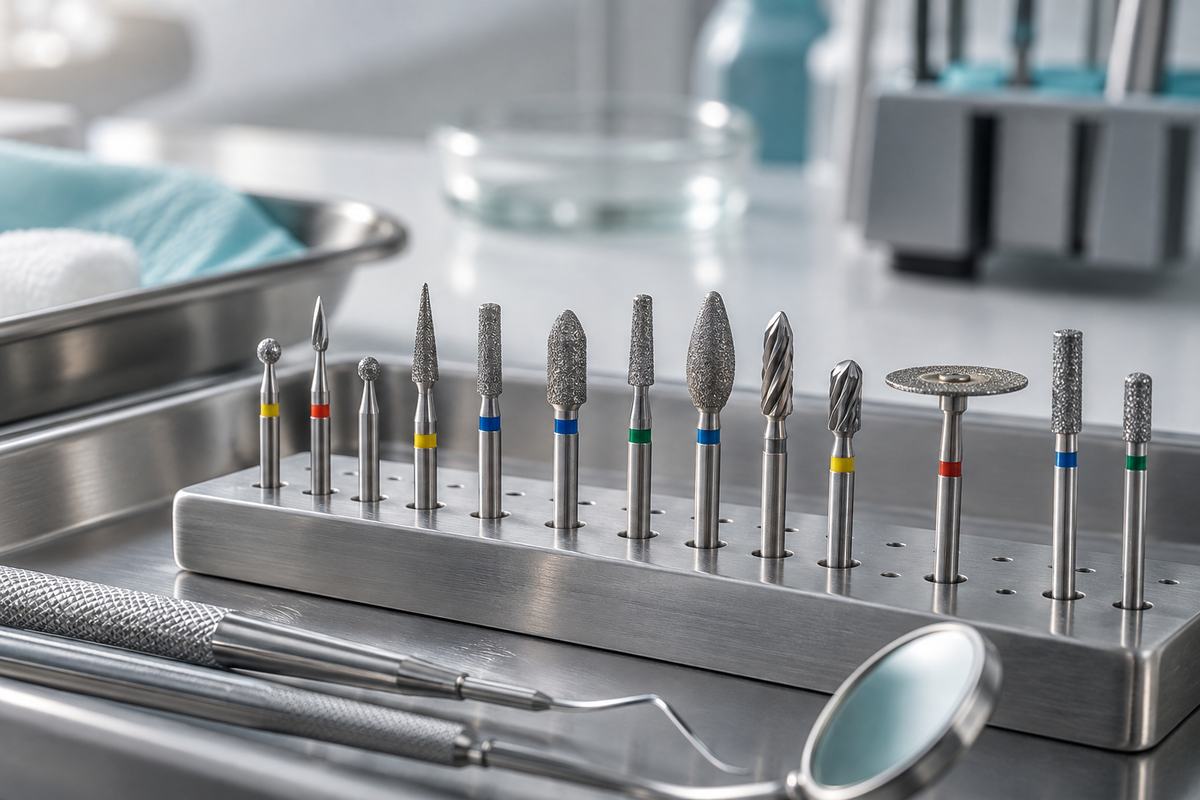
Next, identify the burs that account for routine consumption. For example, the diamond burs category lists products such as 001-008S, 001-010M, and 001-012M. These catalog references give the purchasing team a consistent way to discuss exact items with the supplier, but they do not replace the product instructions.
Then compare the two models using the same demand estimate. Include purchase frequency, receiving work, internal distribution, reprocessing labor where applicable, inspection losses, and reserve stock. Avoid using a best-case reuse assumption as the basis for the budget. Actual clinic records are more reliable than a generic claim about how long a bur should last.
Standardization can simplify either approach. A clinic may use procedure-based selections so staff open only the instruments required for the planned work. BurDental's clinic kits category includes catalog items 4104, 4105, and 4103 for buyers evaluating organized sets. Buyers should confirm the contents and intended use before ordering.
Finally, ask the wholesale supplier to quote the exact SKU list and packaging required. BurDental supplies dental burs factory-direct and wholesale from an ISO 13485 factory. Buyers can use the dental burs wholesale hub to review the broader range before requesting a quotation or samples. Low minimums are available; contact BurDental for the order details that apply to the selected products.
Questions to ask before ordering
A purchasing review should cover the product and the clinic workflow rather than price alone. Ask the supplier and internal team to confirm:
- Is the exact bur intended for single use or for processing and reuse?
- What instructions accompany the product?
- Can staff identify the SKU after it enters the clinic's instrument flow?
- Where will unopened, used, processed, and rejected burs be kept?
- Who decides when a reusable bur is removed from service?
- Does the quotation match the clinic's actual procedure mix?
- Are samples available for evaluating fit within the planned workflow?
These questions turn a broad cost debate into a product-level decision. They also make supplier quotations easier to compare because every vendor receives the same SKU and documentation request.
Frequently asked questions
Are single use dental burs always cheaper?
No. They avoid reuse-related handling but require continuous replacement, so the result depends on procedure volume, pack format, inventory losses, and the clinic's processing costs.
Do reusable burs eliminate recurring purchasing costs?
No. Reusable burs can still be rejected because of wear, damage, retained debris, or other condition problems. The budget must also include the labor and materials used in the approved processing workflow.
Can a clinic sterilize any dental bur for reuse?
No. The clinic should follow the intended use and processing instructions for the exact product. Sterilization alone does not establish that a single-use product is suitable for reuse.
How should a wholesale buyer compare quotations?
Send each supplier the same SKU list, expected demand, packaging request, and documentation questions. Compare delivered usable inventory and workflow costs instead of comparing only the quoted price per bur.