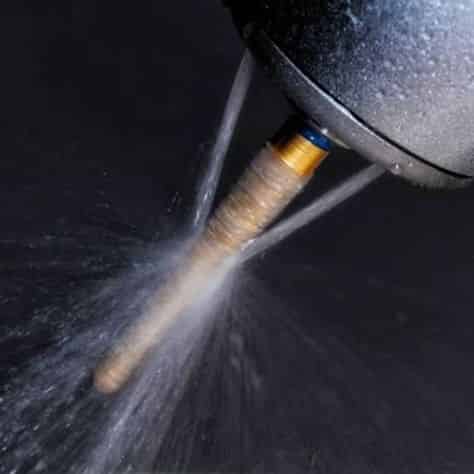
Overheating is the most common cause of premature diamond bur failure and patient discomfort during dental procedures. When a diamond bur runs too fast, receives too much lateral pressure, or operates without adequate coolant, the result is heat buildup that damages the bur, the tooth structure, and surrounding soft tissue. This guide walks through the main causes of overheating and provides practical solutions for each one.
How to Recognize Overheating
The earliest warning sign is a burning smell during cutting. If you detect this odor, stop immediately and evaluate your speed, pressure, and coolant flow. Other indicators include:
- The bur shank feels warm or hot to the touch after removal from the handpiece
- The cut surface appears discolored, chalky white, or darkened
- The patient reports a sudden sharp sensation despite adequate anesthesia
- Diamond particles begin separating from the shank prematurely
Any of these signs means the bur is generating more friction than the coolant can dissipate. The following sections address each contributing factor individually.
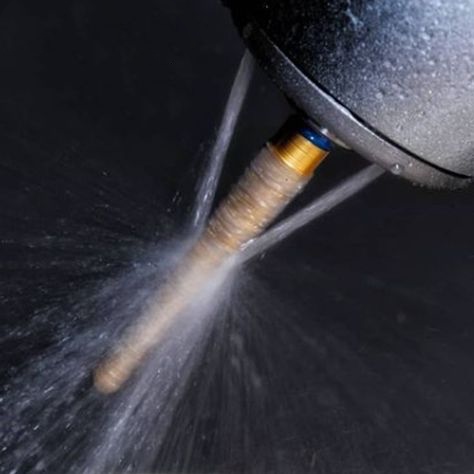
Speed Control: The First Line of Defense
Running a diamond bur at excessive RPM is the most frequent cause of heat buildup. The correct speed depends on the bur diameter, the material being cut, and whether you are using a high-speed or slow-speed handpiece.
General Speed Guidelines
| Bur Diameter | Recommended Speed Range | Notes |
|---|---|---|
| Under 1.0 mm | 300,000–350,000 RPM (high-speed) | Small contact area dissipates heat quickly |
| 1.0–1.6 mm | 200,000–300,000 RPM (high-speed) | Most common prep bur range |
| Over 1.6 mm | 150,000–250,000 RPM (high-speed) | Larger surface contact generates more friction |
| Laboratory use | 5,000–30,000 RPM (low-speed) | Dense materials require slower speeds |
The general rule is straightforward: the larger the bur head, the slower the speed should be. A large-diameter bur spinning at maximum RPM contacts more surface area per revolution, generating proportionally more heat. This is why laboratory burs, which tend to have larger heads and work on dense model materials, operate at much lower speeds than chairside preparation burs.
The Slow-Start Technique
Begin every cut at the lowest practical speed. Once the bur has created an initial groove or seat in the material, gradually increase speed to the working range. This approach reduces the initial friction spike that occurs when a spinning bur first contacts a flat surface. It also gives you better directional control during the first seconds of the cut, which is when the bur is most likely to skip or wander across the surface.
The slow-start technique is especially important with new burs. A fresh diamond bur has the sharpest particles and cuts aggressively, so starting at full speed can remove more material than intended in the first few seconds. Beginning slowly lets you gauge the cutting rate before committing to the final working speed.
For a broader overview of handpiece speed management, see our article on common dental handpiece problems and solutions.
Pressure Control: Let the Diamonds Cut
Applying excessive lateral or axial pressure is the second most common cause of overheating. When you push a diamond bur harder into the tooth, you do not necessarily remove material faster. Instead, you increase friction, generate heat, and risk stripping diamond particles from the shank.
Why Light Pressure Works Better
Diamond particles cut by scratching and chipping the substrate at a microscopic level. Each particle removes a tiny chip of material with every revolution. When pressure is too high, the particles cannot clear the debris from the cut, and the bur begins to rub rather than cut. This rubbing action converts mechanical energy directly into heat rather than into material removal.
A well-maintained diamond dental bur with fresh diamond particles requires very little pressure to cut efficiently. If you find yourself pressing hard to make progress, the bur is likely worn and should be replaced. Continuing to use a dull bur with heavy pressure is counterproductive — it generates heat, damages the tooth, and accelerates further diamond loss from the shank.
Signs of Excessive Pressure
- Diamond particles detaching from the shank (visible as bare metal spots on the bur head)
- The bur stalls or slows noticeably under load
- The cut produces fine powder instead of distinct chips or debris
- The handpiece motor labors or produces a lower-pitched sound than normal
If you notice any of these signs, reduce your pressure immediately. Remove the bur from the handpiece and inspect it under magnification. Bald spots where metal is showing through indicate permanent diamond loss, and the bur should be discarded.
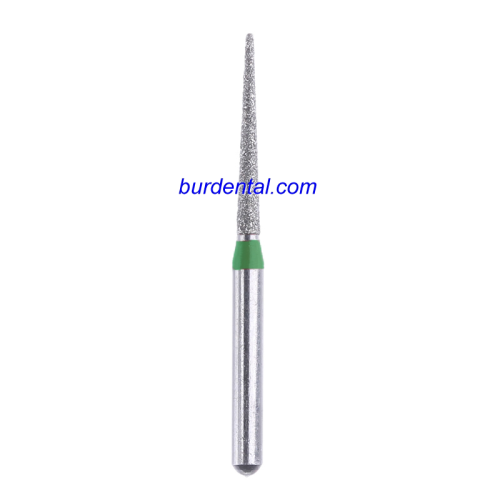
Coolant: The Non-Negotiable Factor
Water-based coolant spray serves two functions during diamond bur use: it carries heat away from the cutting site, and it flushes debris out of the cut. Without coolant, even correct speed and pressure settings will lead to overheating within seconds on dense materials like enamel, zirconia, or lithium disilicate.
Coolant Best Practices
- Verify spray alignment before each procedure. The water stream should hit the bur head directly at the point where it contacts the tooth. A misaligned spray nozzle wastes coolant and leaves the cutting zone dry. Many modern handpieces have multiple spray ports — make sure all of them are functioning and aimed correctly.
- Use adequate flow rate. Most high-speed handpieces deliver 30–50 mL/min of coolant. If your handpiece has adjustable flow, set it to the higher end when cutting dense materials like zirconia or enamel.
- Check for clogged spray ports. Mineral deposits and debris can partially block the spray ports over time. Inspect and clean them during routine handpiece maintenance. A thin wire or compressed air can clear minor blockages.
- Use air-water spray, not air alone. Air-only cooling is insufficient for diamond bur procedures. The water component is what absorbs and carries away thermal energy. Air alone may actually make things worse by drying the cutting site and increasing friction.
What Happens Without Coolant
When a diamond bur operates dry, the temperature at the cutting interface can exceed 300 degrees Celsius within seconds. At these temperatures, the pulp tissue inside the tooth can suffer irreversible damage, even through a full thickness of dentin. The diamond bond on the bur also weakens at high temperatures, leading to rapid diamond loss and premature instrument failure. There is no clinical scenario where dry cutting with a diamond bur is acceptable for intraoral use.
Material-Specific Considerations
Different dental materials have different thermal properties, which affects how quickly heat builds up during cutting.
Enamel and Dentin
Natural tooth structure is a relatively poor thermal conductor. Heat generated at the bur tip stays concentrated at the cutting site rather than spreading through the tooth. This makes coolant especially important during crown preparations and cavity preps, where the bur operates close to the pulp chamber. Even a brief interruption in coolant flow during a deep preparation can generate enough heat to cause pulpal inflammation. For more on preparation technique, see our guide to cavity preparation with dental burs.
Zirconia
Zirconia is extremely hard and generates significant friction during adjustment. Use coarse-grit diamond burs or dedicated diamond stones at moderate speed with continuous coolant. Never attempt to adjust zirconia without water spray. The combination of zirconia's hardness and its poor thermal conductivity makes it the highest-risk material for overheating-related damage to both the bur and the restoration.
Composite Resin
Composite softens when heated, which causes it to smear rather than cut cleanly. Low speed, light pressure, and intermittent contact (short bursts rather than continuous cutting) produce the best results on composite surfaces. If you see the composite surface becoming glossy or sticky during cutting, the material is overheating. Stop, let it cool, and reduce your speed before continuing.
Porcelain and Glass Ceramics
Feldspathic porcelain and glass ceramics like lithium disilicate are brittle and prone to micro-cracking when exposed to thermal shock. Rapid heating followed by sudden cooling from the water spray can create internal stresses that weaken the restoration. Maintain a steady, moderate speed with continuous coolant to avoid thermal cycling.
Extending Diamond Bur Life
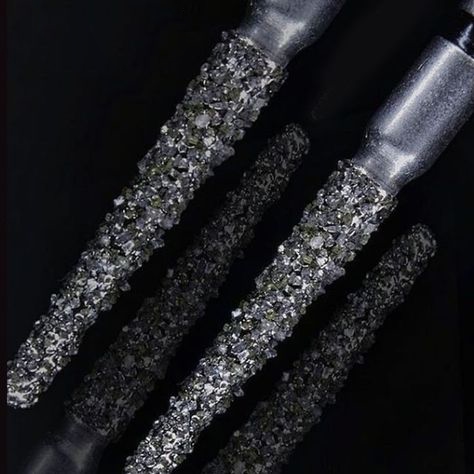
Overheating does not just damage the workpiece — it also shortens the useful life of the bur itself. High temperatures weaken the bond between diamond particles and the metal shank, causing premature diamond loss. Follow these maintenance practices to maximize bur longevity:
- Clean burs after every patient. Use an ultrasonic cleaner or a brass-wire brush to remove debris lodged between diamond particles. Clogged burs cut poorly and generate more heat. Avoid using steel brushes, which can damage the diamond coating.
- Sterilize according to manufacturer instructions. Autoclave cycles at the correct temperature and duration will not damage quality diamond burs, but repeated over-heating in a malfunctioning autoclave can weaken the diamond bond.
- Inspect burs before use. Hold the bur under magnification and look for bald spots where diamond particles have separated. A bur with significant diamond loss should be discarded, as it will require excessive pressure to cut and will overheat quickly.
- Rotate your stock. Using the same bur repeatedly for an entire day accelerates wear. Rotating between two or three burs of the same type distributes the workload and extends the life of each instrument.
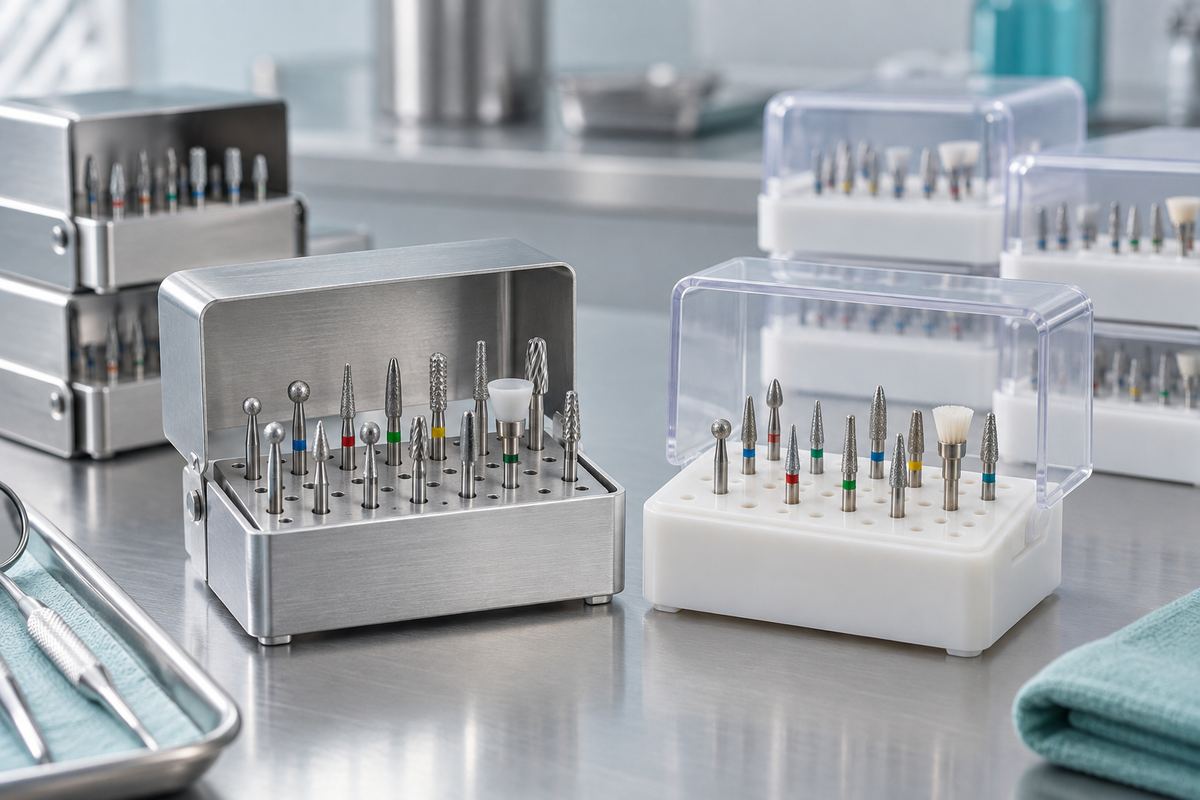
- Store burs properly. Keep diamond burs in a dedicated bur block or organizer where they do not contact each other. Diamond-on-diamond contact during storage can chip the coating and create weak spots that propagate during clinical use.
Quick Reference: The Three Rules
When in doubt, remember these three principles for preventing diamond bur overheating:
- Slowest effective speed. Start low, increase gradually, and never exceed the recommended RPM for the bur diameter and material being cut.
- Lightest effective pressure. Let the diamond particles cut on their own. If you need more force to make progress, the bur is worn and should be replaced.
- Continuous coolant flow. Water spray at the cutting site is mandatory for every intraoral diamond bur procedure, without exception.
Following these three rules consistently will protect the tooth, extend bur life, and keep your patients comfortable throughout every procedure. When all three factors are managed properly, diamond burs perform at their best and deliver the precise, clean cuts that modern dentistry requires.