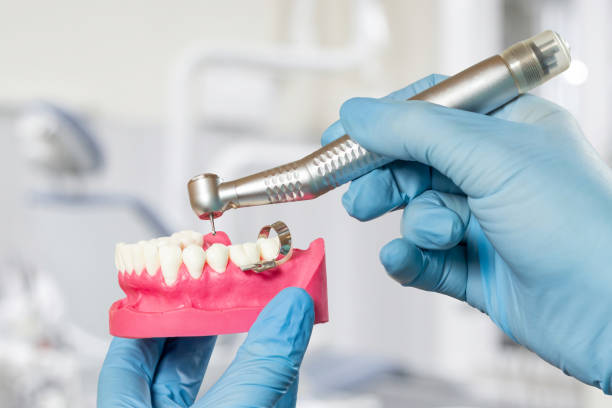
Dental handpieces and burs are the workhorses of every clinical operatory. From routine prophylaxis to implant surgery, these rotary instruments see heavy daily use. Over time, they develop predictable problems that reduce cutting performance and patient comfort. Knowing how to identify and resolve these issues saves time, money, and frustration.
This guide covers the most frequent dental handpiece and bur problems, their root causes, and step-by-step solutions you can apply in your practice today.
Vibration or Wobbling in a Dental Handpiece
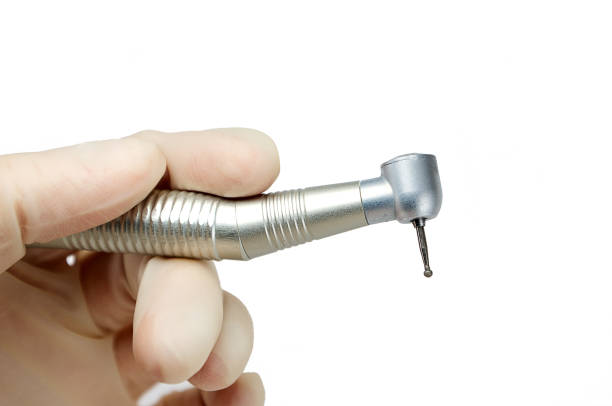
Excessive vibration during a procedure is more than an inconvenience. It reduces cutting precision, accelerates bur wear, and can cause patient discomfort. Several factors contribute to this problem:
- Worn bearings — Turbine bearings degrade with use. Once the ceramic or steel balls lose their roundness, the rotor wobbles at speed.
- Bent or unbalanced bur — A bur that has been dropped or over-stressed may run out of true. Even a slight bend creates noticeable oscillation at 400,000 RPM.
- Damaged chuck or collet — If the gripping mechanism no longer centers the shank properly, the bur will wobble regardless of its condition.
How to Fix Handpiece Vibration
- Test with a brand-new bur first. If the vibration disappears, the old bur is the problem — replace it.
- Inspect the chuck jaws under magnification. Look for scoring, corrosion, or debris buildup.
- If the problem persists with a new bur and clean chuck, the bearings likely need replacement. Send the handpiece to an authorized repair center.
Using high-quality tungsten carbide burs with precision-ground shanks reduces vibration risk significantly compared to budget alternatives.
Overheating in Dental Burs
Heat generation is unavoidable during high-speed cutting, but excessive heat damages tooth structure, irritates pulp tissue, and shortens bur life. Common causes include:
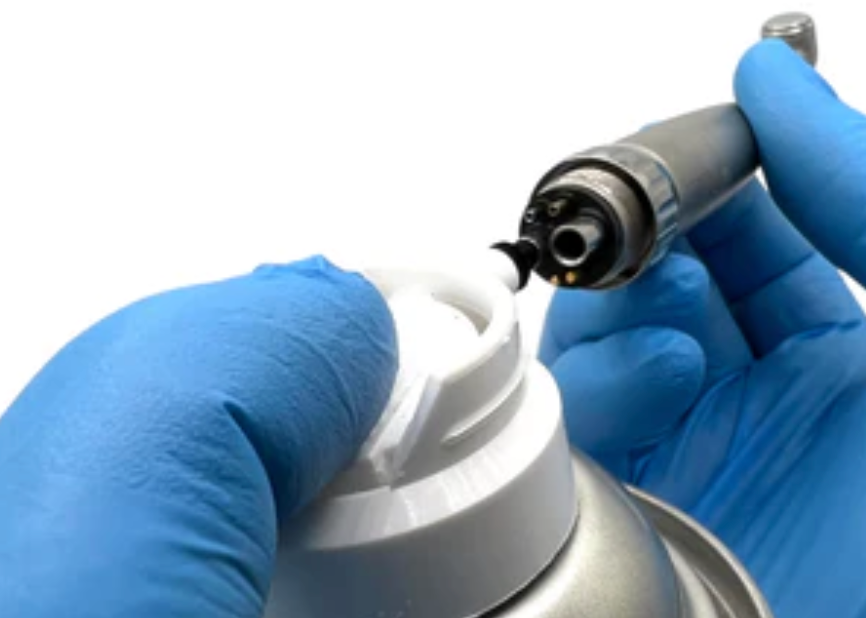
- Insufficient water spray — The coolant spray must hit the contact point between bur and tooth. Blocked or misaligned spray ports are a frequent culprit.
- Excessive lateral pressure — Pressing the bur harder does not make it cut faster. It generates friction heat and wears down the cutting surfaces prematurely.
- Debris-clogged flutes — Buildup of dentin, composite, or metal shavings between cutting flutes insulates the bur and traps heat.
- Worn cutting surfaces — A dull bur requires more pressure to cut, creating a vicious cycle of heat and wear.
How to Prevent Bur Overheating
| Action | Why It Helps |
|---|---|
| Check spray ports before each session | Ensures coolant reaches the cutting site |
| Use light, brushing strokes | Reduces friction and allows coolant to reach the surface |
| Clean burs in an ultrasonic bath after use | Removes debris from flutes and restores cutting efficiency |
| Replace burs at regular intervals | Maintains sharp cutting edges and reduces heat generation |
For a detailed comparison of bur materials and their heat tolerance, see our article on diamond burs vs carbide burs.
Chuck Mechanism Failures
The chuck (or collet) is the component that grips and centers the bur shank inside the handpiece head. When it fails, you may notice the bur slipping during cutting, refusing to seat properly, or ejecting under load.
Common Chuck Problems and Solutions
- Debris in the chuck — Autoclave residue, lubricant buildup, and metal particles can jam the mechanism. Clean the chuck cavity with a dedicated brush and approved solvent after each sterilization cycle.
- Worn spring or push-button mechanism — The retention spring weakens over thousands of bur changes. If the bur no longer clicks into place firmly, replace the spring assembly.
- Corrosion — Moisture left inside the head after cleaning promotes rust. Always dry the handpiece thoroughly and apply manufacturer-recommended lubricant before autoclaving.
Matching your burs to the correct shank type is equally important. Using an FG bur in an RA chuck (or vice versa) damages both the bur and the mechanism. Our guide to dental bur shank types explains the differences.
Low Torque or Power Loss
A handpiece that feels sluggish or stalls under light load is a common complaint in busy practices. The problem may originate in the handpiece itself or in the air supply system.
Handpiece-Related Causes
- Worn bearings — Degraded bearings create drag on the rotor, robbing the turbine of speed and torque.
- Over-lubrication — Too much oil floods the turbine chamber and slows the rotor. Follow the manufacturer's recommended number of spray bursts exactly.
- Fiber optic obstruction — On illuminated handpieces, a damaged or dirty light guide does not affect power directly, but the operator may compensate by pressing harder, which masks the real issue.
Air Supply Causes
- Low line pressure — Most high-speed handpieces need 35-40 PSI at the coupler. Check the delivery unit gauge, not just the compressor tank pressure.
- Leaking O-rings — Worn O-rings at the coupler connection allow air to escape. Replace them when you see or hear air leaking around the connection point.
- Moisture in the air line — Water droplets accelerate bearing corrosion. Ensure your compressor's moisture trap and dryer are functioning correctly.
Investing in quality diamond burs also helps maintain cutting performance, since sharper instruments require less torque to do the same work.
Noise or Rattling During Operation
Unusual sounds from a handpiece are early warning signs that should not be ignored. The sound itself often points to the cause:
| Sound | Likely Cause | Action |
|---|---|---|
| High-pitched whine | Bearing wear or contamination | Schedule bearing replacement |
| Grinding or scraping | Damaged turbine blades or debris in the head | Send for professional repair |
| Rattling or clicking | Loose bur in the chuck or broken retainer clip | Inspect chuck and replace worn parts |
| Intermittent buzzing | Cracked or loose fiber optic rod | Replace the fiber optic component |

Preventive Maintenance Schedule
Most handpiece problems are preventable with consistent maintenance. Following a structured schedule extends instrument life and ensures reliable performance during procedures.
After Every Patient
- Flush the handpiece by running it for 10-20 seconds with a bur in place.
- Wipe the exterior with a disinfectant-dampened cloth.
- Remove the bur and clean the chuck cavity.
Before Autoclaving
- Apply lubricant according to the manufacturer's protocol (typically 1-2 seconds of spray into the drive air tube).
- Run the handpiece briefly to distribute oil through the bearings.
- Wipe off excess oil from the head and exterior.
Weekly
- Inspect burs under magnification. Discard any with visible wear, chipping, or discoloration.
- Check O-rings on couplers and replace as needed.
- Verify air pressure at the handpiece coupler with a calibrated gauge.
For more on instrument care, our article on dental bur sterilization covers best practices for infection control and bur longevity.
When to Repair vs. Replace a Handpiece
Not every problem justifies a repair. Here are general guidelines for making the call:
- Repair when the issue is limited to bearings, O-rings, or chuck components, and the handpiece body is in good condition.
- Replace when the handpiece has undergone multiple bearing replacements, shows visible corrosion on internal surfaces, or no longer holds burs securely even after chuck replacement.
- Track repair costs — if cumulative repair expenses exceed 50-60% of the replacement cost, it is more economical to buy a new handpiece.
Key Takeaways
Dental handpiece and bur problems fall into a handful of predictable categories: vibration, overheating, chuck failures, power loss, and abnormal noise. In most cases, the fix involves cleaning, replacing a worn component, or adjusting your technique. A consistent preventive maintenance routine is the single most effective way to keep these problems from disrupting your workflow. When issues do arise, diagnosing them early prevents minor wear from becoming an expensive repair or mid-procedure failure.