
Dental Bur Shank Types: FG, RA, and HP Compared
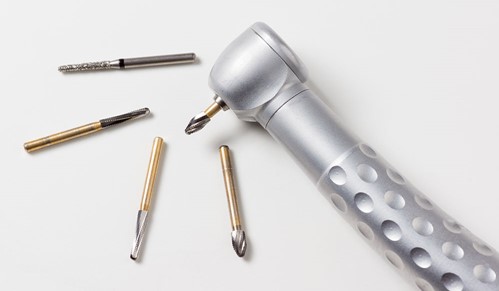
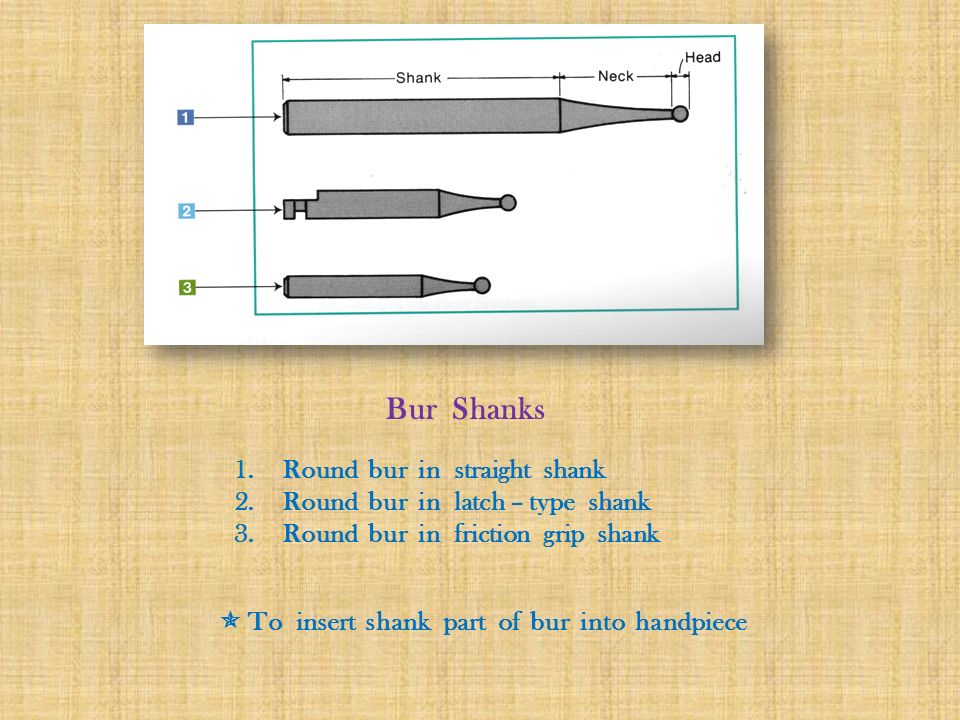
Every dental bur consists of two main parts: the cutting head and the shank. The shank is the portion that inserts into the handpiece, and its shape determines which handpiece the bur is compatible with. Using the wrong shank type means the bur either will not fit or will not be held securely — both situations create problems in clinical and laboratory settings.
The three standard shank types are HP (Long Straight Shank), RA (Right Angle / Latch-Type), and FG (Friction Grip). This guide covers the dimensions, applications, and handpiece compatibility of each type so you can select the correct bur for your specific procedure.
Quick Comparison: FG vs RA vs HP Shanks
| Specification | HP (Handpiece) | RA (Right Angle) | FG (Friction Grip) |
|---|---|---|---|
| Shank Diameter | 2.35 mm | 2.35 mm | 1.6 mm |
| Total Length | 44.5 mm (typical) | 22 mm (typical) | 19 mm (standard) |
| Attachment Method | Straight nose cone | Latch mechanism | Friction / chuck grip |
| Handpiece Type | Slow-speed straight | Slow-speed contra-angle | High-speed turbine |
| Speed Range | Up to 40,000 RPM | Up to 40,000 RPM | Up to 400,000 RPM |
| Primary Setting | Laboratory and clinic | Chairside clinic | Chairside clinic |
Handpiece-Bur Compatibility Chart
Not sure which bur fits your handpiece? This chart shows compatibility at a glance. The most common mistake in bur selection is grabbing the right head shape but the wrong shank — this table prevents that.
| Handpiece Type | FG (1.6 mm) | RA (2.35 mm) | HP (2.35 mm) | 1/4" Shank |
|---|---|---|---|---|
| High-speed turbine | ✔️ Compatible | ❌ Not compatible | ❌ Not compatible | ❌ Not compatible |
| Slow-speed contra-angle | ⚠️ With adapter | ✔️ Compatible | ❌ Not compatible | ❌ Not compatible |
| Slow-speed straight | ❌ Not compatible | ❌ Not compatible | ✔️ Compatible | ❌ Not compatible |
| Lab handpiece / micromotor | ❌ Not compatible | ❌ Not compatible | ✔️ Compatible | ⚠️ With adapter |
| Die grinder / rotary tool | ❌ Not compatible | ❌ Not compatible | ⚠️ With collet | ✔️ Compatible |
Note: FG-to-RA adapters allow friction grip burs to be used in contra-angle handpieces for light procedures, but they add runout and are not recommended for heavy cutting.
HP — Long Straight Shank (Handpiece)
HP shanks are the largest of the three types, with a 2.35 mm diameter and a total length that typically reaches 44.5 mm. The shank is straight and smooth — it slides directly into the nose cone of a slow-speed straight handpiece after removing the prophy angle or contra-angle attachment.
Key Characteristics
- Longest overall bur length, providing extended reach
- 2.35 mm diameter matches the standard slow-speed handpiece collet
- No latch notch — relies on the nose cone grip alone
- Available in a wide range of head shapes and materials
Common Applications
HP burs serve dual roles in dental laboratories and clinical settings:
- Laboratory work: Trimming, grinding, and polishing prosthetics, dentures, and models. Laboratory HP diamond burs are standard for working with ceramics, zirconia, and acrylic.
- Clinical use: Cutting discs, mandrels, and polishing tools mounted on HP shanks are used chairside for sectioning and finishing.
- Industrial and rotary tool use: The 2.35 mm shank is compatible with many rotary tools and die grinders, making HP burs common outside of dentistry as well.
RA — Right Angle / Latch-Type Shank
RA shanks have the same 2.35 mm diameter as HP but are shorter (approximately 22 mm total length) and feature a distinctive notch near the base. This notch locks into the latch mechanism of a contra-angle attachment on a slow-speed handpiece, preventing the bur from spinning freely or pulling out during use.
Key Characteristics
- 2.35 mm diameter with a latch notch for secure retention
- Shorter than HP, designed specifically for intraoral use
- Available in the same head shapes as FG burs
- The contra-angle head provides better angulation for reaching posterior teeth
Common Applications
- Caries removal: Tungsten carbide RA burs at slow speed provide controlled cutting through dentin without excessive heat
- Endodontic access: RA round burs are standard for initial access cavity preparation at slow speed
- Prophylaxis: Prophy cups and brushes typically mount on RA shanks
- Pediatric dentistry: Lower speeds reduce patient anxiety and improve control in small mouths
FG — Friction Grip Shank
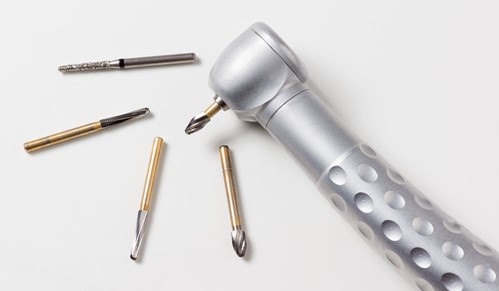
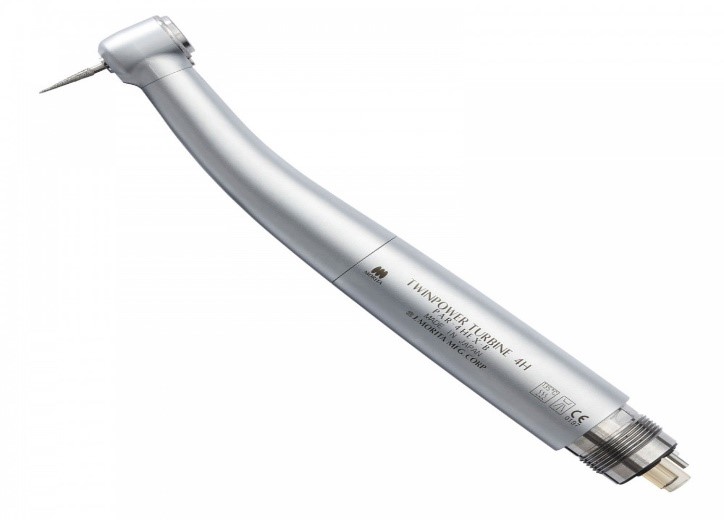
FG shanks are the thinnest at 1.6 mm diameter, with a standard length of 19 mm. They have no notch or latch — the bur is held in the handpiece turbine by friction from a chuck, lever, or push-button mechanism. FG burs are the most commonly used shank type in operative dentistry.
Key Characteristics
- 1.6 mm diameter — noticeably thinner than HP and RA
- Smooth shank held by friction in the turbine chuck
- Designed for high-speed handpieces running up to 400,000 RPM
- Available in the widest variety of head shapes and grits
FG Shank Variants
Standard FG burs are 19 mm long, but two important variants exist:
- FGSS (Short Shank): Shorter overall length for better access to posterior teeth, particularly useful when patients have limited opening. The reduced length improves visibility and maneuverability in tight spaces.
- FGOS (Surgical / Operative Length): Longer than standard FG, used when extended reach and better visibility are required. Common in surgical procedures including extractions, bone trimming, and root canal access.
Common Applications
- Crown and bridge preparation: FG diamond burs in tapered and chamfer shapes are the standard for margin preparation
- Cavity preparation: High-speed cutting through enamel with water spray for cooling
- Finish and polish: Fine and extra-fine grit FG burs smooth preparation walls and margins
- Tooth adjustment: Occlusal adjustment after restoration placement
Which Shank Should I Choose?
Start with your clinical situation and the answer follows directly:
- Working chairside at high speed? → FG — fits your high-speed turbine handpiece. This covers crown prep, cavity prep, and most restorative work.
- Working chairside at slow speed? → RA — locks into your contra-angle. Use for caries excavation, endo access, and prophy.
- Working in the dental lab? → HP — fits your straight handpiece or bench motor. Standard for trimming, adjusting, and polishing prosthetics.
- Need extended reach for oral surgery? → FGOS — the longer FG variant designed for surgical procedures like bone trimming and impaction removal.
- Limited patient opening or posterior access? → FGSS — the shorter FG variant that gives you better visibility and control in tight spaces.
If you work in both clinic and lab, stock at least two shank types — most practitioners keep FG for chairside and HP for lab work, with RA burs for specific slow-speed procedures.
How to Identify the Shank Type Visually
If a bur is not in its labeled packaging, you can identify the shank type by examining two features:
- Measure the diameter: If the shank is noticeably thin (1.6 mm), it is FG. If it is thicker (2.35 mm), it is either HP or RA.
- Check for a notch: Among the 2.35 mm shanks, RA burs have a visible notch near the base. HP shanks are smooth and straight with no notch.
This two-step check takes seconds and prevents the common mistake of inserting the wrong bur into a handpiece — a situation that risks damaging both the bur and the handpiece turbine or latch mechanism.
Shank Type and ISO Numbering
The shank type is encoded in the second group of three digits in the ISO bur numbering system. The first digit of this group identifies the shank:
- 1 = HP (Long Straight Shank)
- 2 = RA (Latch-Type)
- 3 = FG (Friction Grip)
For a complete explanation of the ISO numbering system, see our guide on how to read ISO numbers on dental burs.
Choosing the Right Shank for Your Procedure
Selecting the correct shank type is straightforward once you know your handpiece and procedure:
- Working in a dental lab? HP burs are your primary choice. They fit straight handpieces and provide the length needed for extraoral work on models and prosthetics.
- Doing slow-speed intraoral work? RA burs fit the contra-angle and give you controlled, low-speed cutting for caries removal, endodontics, and prophylaxis.
- Doing high-speed preparation? FG burs are the standard. Match the head shape and grit to your specific procedure, and choose FGSS or FGOS variants when access or reach is a concern.
Common Mistakes When Selecting Shank Types
Even experienced practitioners occasionally make shank-related errors. Here are the most common mistakes and how to avoid them:
- Confusing HP and RA shanks: Both have a 2.35 mm diameter, so they feel similar in the hand. Always check for the latch notch. An HP bur inserted into a contra-angle latch will not lock in place and may fly out during use.
- Using FG burs in a slow-speed handpiece: FG shanks are too thin (1.6 mm) for slow-speed handpiece collets designed for 2.35 mm shanks. The bur will wobble, produce poor cuts, and may damage the handpiece bearing.
- Ignoring length variants: Ordering standard FG burs when FGSS or FGOS would be more appropriate for the clinical situation. Short shanks make posterior access easier, and surgical lengths provide the reach needed for oral surgery procedures.
- Mixing brands without checking dimensions: While ISO standards define shank dimensions, some manufacturers have minor tolerance differences. Verify that replacement burs from a new supplier fit your specific handpieces before ordering in bulk.
Always confirm shank compatibility before purchasing burs in bulk. A bur with the right head shape but wrong shank type is unusable without the matching handpiece. When in doubt, check the ISO number on the packaging — the shank code is always in the second group of three digits.
Frequently Asked Questions
Can I use an FG bur in a slow-speed handpiece?
No. FG shanks are 1.6 mm in diameter, while slow-speed handpieces accept 2.35 mm shanks. The bur will not be held securely, causing excessive vibration and poor cuts. FG-to-RA adapters exist for light procedures, but direct use is not safe.
Why do HP and RA burs have the same shank diameter?
Both are 2.35 mm because they attach to different components of the same slow-speed motor. The RA latch notch locks into the contra-angle head, while HP shanks slide into the straight nose cone. Despite the shared diameter, they are not interchangeable — an HP bur will not lock into a contra-angle, and an RA bur is too short for a straight handpiece.
What does the shank code in the ISO number tell me?
The second group of three digits in the ISO bur number identifies the shank type: 1 = HP, 2 = RA, 3 = FG. This is the fastest way to confirm shank type when the bur packaging uses a manufacturer-specific naming system.
When should I use FGOS instead of standard FG burs?
FGOS burs are longer than the standard 19 mm FG. Use them when you need extended reach — third molar surgery, bone recontouring, or crown lengthening where the site is deeper than a standard FG can access.
Can HP burs be used in a Dremel or rotary tool?
Yes. The 2.35 mm HP shank fits many rotary tool collets directly, making HP dental burs popular for jewelry, model making, and other precision tasks. A 2.35 mm collet adapter is available if your tool uses a different collet size.
For guidance on maintaining your burs after use, our sterilization guide covers proper cleaning, sterilizing, and handling procedures for all shank types.