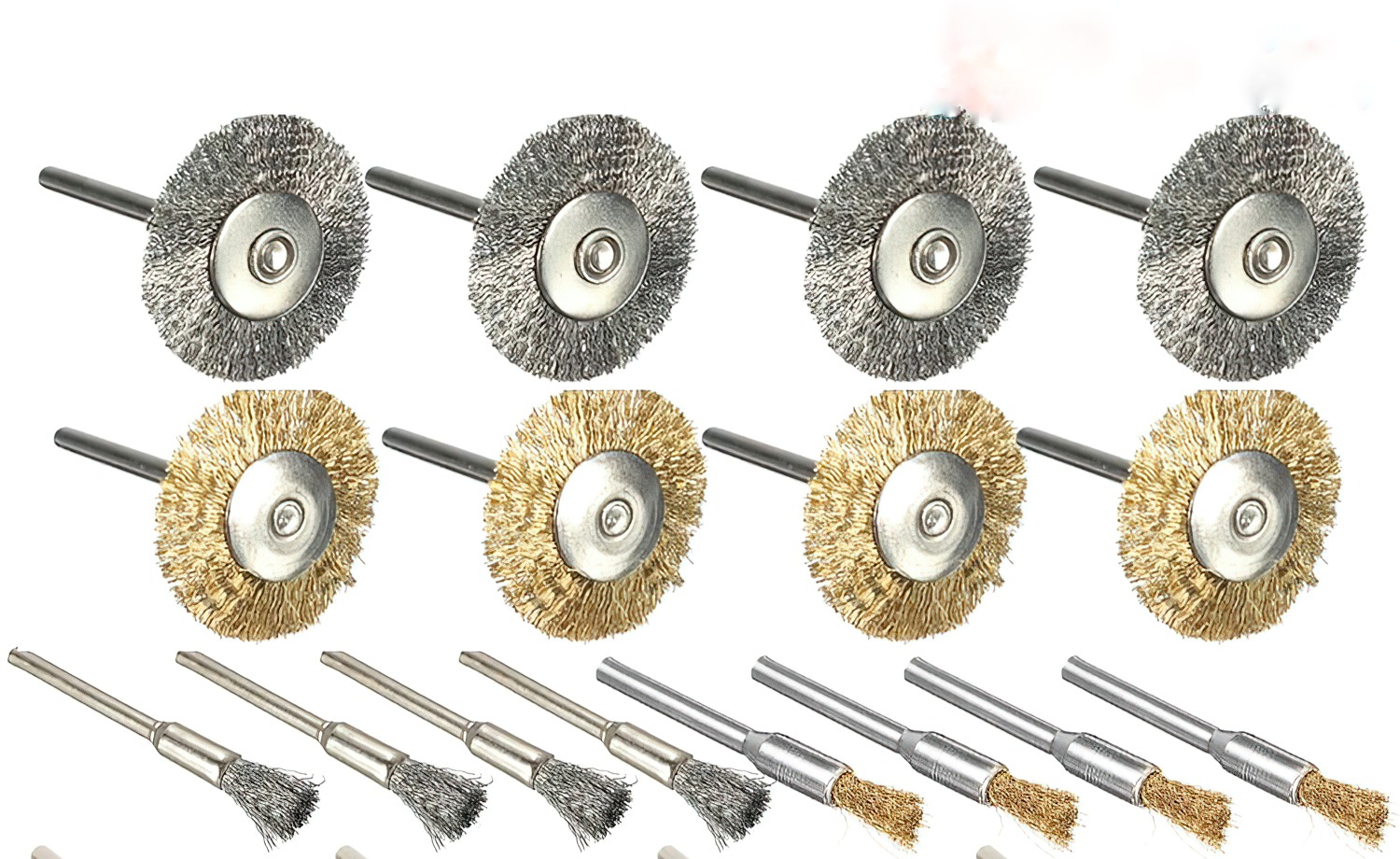
What is a brass wire brush used for? A brass wire brush is used to clean oxidation, residue, and light corrosion on softer or delicate surfaces where you want less aggressive abrasion than steel wire.
Steel vs Brass Wire Brush: A Practical Comparison
Wire brushes are standard equipment in metalworking shops, dental laboratories, automotive garages, and maintenance departments. Choosing between steel and brass comes down to one question: how aggressive do you need the brush to be? Pick the wrong material and you either waste time on a brush that cannot cut it, or you damage the workpiece.
This guide covers the properties, applications, and trade-offs of each material so you can make the right call for your specific job.
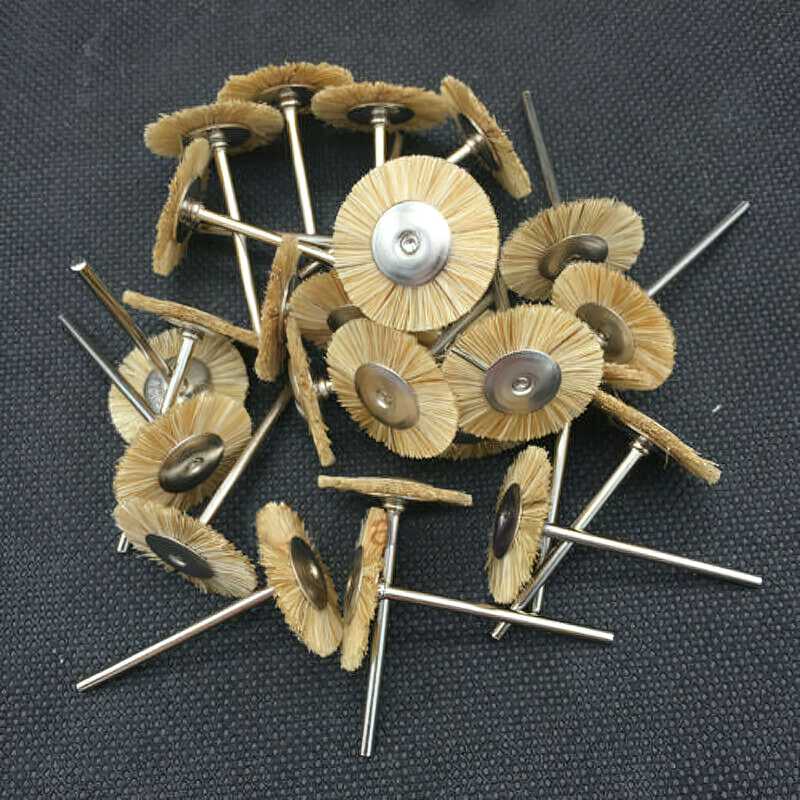
Wire Brush Materials Overview
Before comparing steel and brass directly, it helps to understand the full range of wire brush materials available. Each has a distinct hardness and behavior.
Carbon Steel
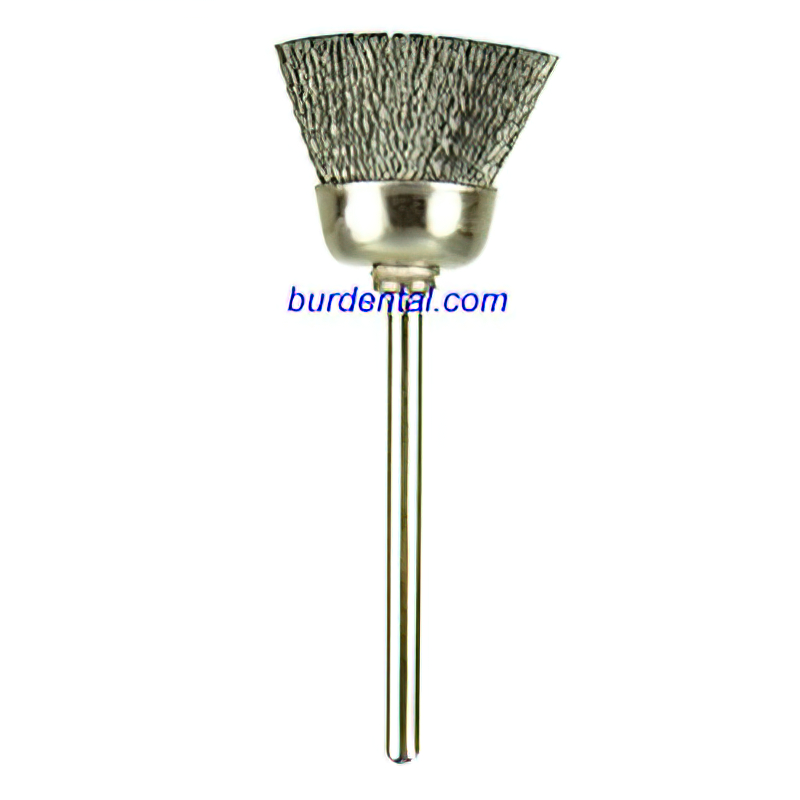
Carbon steel is the workhorse of wire brushes. Crimped carbon steel filaments handle general surface preparation, deburring, and paint removal. Twisted or knotted wire configurations increase aggressiveness for heavy-duty jobs like weld cleanup and scale removal. Carbon steel brushes are inexpensive and widely available, but they can leave ferrous residue on non-ferrous metals.
Stainless Steel
Stainless steel wire brushes are the correct choice when working on aluminum, copper, brass, or stainless steel surfaces. Because stainless wire does not shed ferrous particles, it prevents galvanic corrosion and surface contamination. These brushes cost more than carbon steel but are essential in food processing, pharmaceutical, and marine applications.
Brass
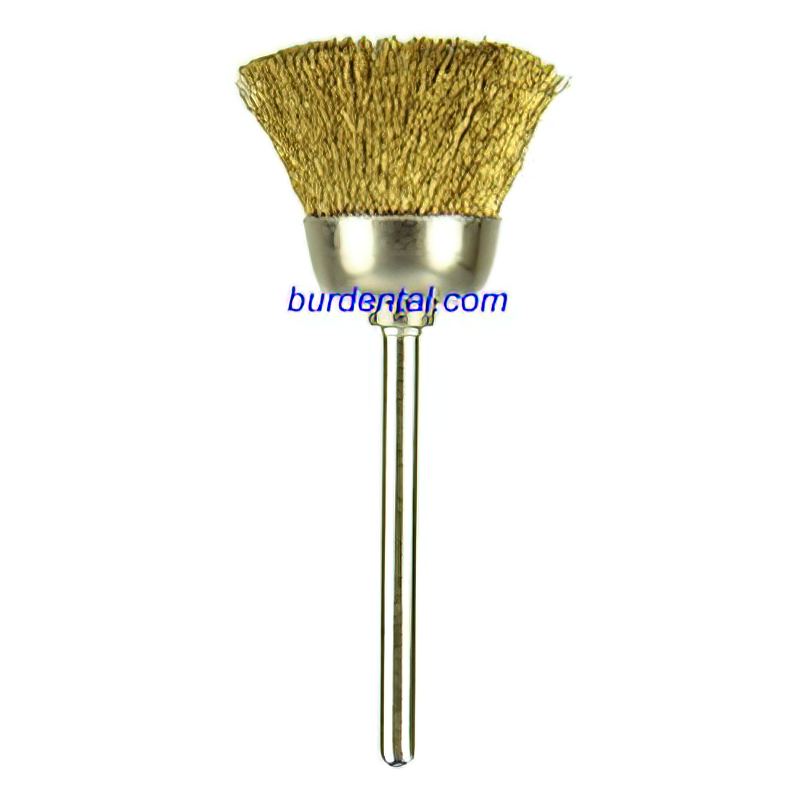
Brass wire brushes are significantly softer than any steel variant. This softness is the entire point: brass removes contaminants and oxidation without scratching the base metal. Brass also does not generate sparks, which makes it mandatory in environments with flammable gases, solvents, or dust.
Nylon
Abrasive nylon filaments are used for cleaning bores, cylinders, and tubes. They work in wet or dry conditions and will not scratch metal surfaces. However, nylon brushes lack the cutting ability needed for rust or paint removal.
What Is a Brass Wire Brush Used For?
A brass wire brush is the right tool when effective cleaning must happen without surface damage. The softer filaments conform to the workpiece and remove surface deposits gently. Typical applications include:
- Electronics cleaning: Removing flux residue and light corrosion from circuit boards and connectors without damaging traces or plating
- Aluminum maintenance: Cleaning oxidation from aluminum parts, housings, and castings without leaving scratches that trap moisture
- Soft metal polishing: Bringing up a clean surface on copper, brass, bronze, and pewter components
- Spark-free environments: Any workspace where flammable vapors, gases, or combustible dust are present
- Firearm cleaning: Scrubbing carbon buildup from barrels and chambers without damaging the bore
- Dental and jewelry work: Fine surface preparation where precision matters and aggressive removal would ruin the piece
Brass brushes wear faster than steel, which is normal. The softness that protects your workpiece also means the bristles deform and break down more quickly. Keep spares on hand for production work.
What Is a Steel Wire Brush Used For?
Steel wire brushes are the standard choice when you need to remove material aggressively. The hard filaments dig into rust, paint, scale, and weld spatter effectively. Common uses include:
- Rust removal: Stripping corrosion from iron, carbon steel, and cast iron before painting or welding
- Weld preparation and cleanup: Removing slag, spatter, and discoloration from weld joints
- Paint stripping: Taking off old coatings for repainting or inspection
- Surface profiling: Creating a tooth on metal surfaces to improve coating adhesion
- Deburring: Knocking down sharp edges on machined or cut metal parts
- Power tool use: Mounting on angle grinders, bench grinders, die grinders, and drill presses for production-speed work
-lines-width-800px-gigapixel.jpg)
For detailed instructions on mounting and using wire brushes with a die grinder, see our die grinder guide.
Steel vs Brass Wire Brush: Side-by-Side Comparison
| Property | Steel Wire Brush | Brass Wire Brush |
|---|---|---|
| Hardness | High (carbon steel ~200 HV, stainless ~180 HV) | Low (~80 HV) |
| Aggressiveness | High — removes material quickly | Low — gentle on surfaces |
| Durability | Long service life | Wears faster, replace more often |
| Surface Damage Risk | Will scratch soft metals | Safe for soft metals and plated surfaces |
| Spark Generation | Yes — not safe near flammables | No — safe in hazardous environments |
| Contamination | Carbon steel sheds ferrous particles | Non-ferrous, no cross-contamination |
| Cost | Lower per brush | Moderate, higher replacement frequency |
| Primary Use | Rust, paint, weld cleanup | Delicate cleaning, electronics, polishing |
Which Wire Brush Removes Rust Best?
The answer depends on what the rusted part is made of:
- Iron and carbon steel parts: Use a carbon steel wire brush. It is hard enough to cut through heavy rust and scale efficiently. Cross-contamination is not a concern since both the brush and workpiece are ferrous.
- Stainless steel parts: Use a stainless steel wire brush. A carbon steel brush will embed ferrous particles in the surface, causing new corrosion points within days.
- Aluminum, copper, or brass parts: Use a brass wire brush for light surface oxidation. For heavier corrosion, a stainless steel brush is acceptable but use light pressure to avoid gouging.
For heavy rust on large surfaces, mount the brush on a power tool. Hand brushing works for small areas but is too slow for production work. When using power tools, wear safety glasses and gloves — broken wire filaments are sharp and can fly off at speed.
Best Wire Brush for Rust Removal
Rust removal is the single most common reason people reach for a wire brush, and the right choice depends on the base metal, the severity of the corrosion, and whether you are working by hand or with a power tool.
| Rust Scenario | Best Brush | Why |
|---|---|---|
| Heavy rust on iron/steel | Knotted carbon steel cup brush | Maximum aggression, cross-contamination irrelevant on ferrous parts |
| Rust on stainless steel | Stainless steel wire brush | Prevents ferrous particle transfer that triggers new corrosion |
| Light oxidation on aluminum | Brass wire brush | Removes oxide layer without scratching the soft base metal |
| Rust in tight spaces / threads | Stainless steel end brush | Compact head reaches inside holes and grooves |
| Battery terminals / electrical | Brass wire brush (hand) | No sparking, no damage to soft contacts |
For large-area rust removal, mount a cup brush or wheel brush on a die grinder or angle grinder. Hand brushing a rusted chassis rail takes forever. Power brushing does the same job in minutes. Just match the brush wire material to the workpiece — a carbon steel brush on an aluminum part will leave embedded iron particles that rust within days.
Choosing the Right Wire Brush for Rotary Tools
Wire brushes for rotary tools come in three common configurations:
- Cup brushes: Best for flat surfaces and inside corners. The cup shape concentrates the bristles on a defined area.
- Wheel brushes: Good for edges, grooves, and weld seams. The radial bristle pattern reaches into recesses.
- End brushes: Designed for holes, slots, and hard-to-reach areas. The compact head fits where cup and wheel brushes cannot.
Match the brush shank to your tool. Most bench and die grinders accept 1/4-inch shanks, while Dremel-style rotary tools use 1/8-inch or 3/32-inch shanks. Running a brush at excessive speed shortens its life and increases the risk of wire breakage — always check the manufacturer's maximum RPM rating.
If your work involves finer finishing after wire brushing, felt bobs paired with polishing compound can bring surfaces to a smooth finish.
Safety Considerations
Wire brushes — especially steel — demand proper safety practices:
- Always wear ANSI-rated safety glasses or a face shield. Broken wires become projectiles.
- Use heavy leather gloves. Wire ends can puncture skin easily.
- Inspect brushes before each use. Discard any brush with loose, bent, or missing wires.
- Never exceed the rated RPM. Centrifugal force at high speed throws wire fragments.
- In enclosed spaces, use brass brushes to eliminate spark hazards.
Maintenance and Storage Tips
Wire brushes last longer with basic care:
- Clean after use: Tap the brush against a hard surface or use compressed air to remove embedded debris. Metal particles left in the bristles reduce effectiveness and can contaminate the next workpiece.
- Store dry: Carbon steel brushes will rust if stored in damp conditions. Hang them or store in a dry drawer. Stainless steel and brass brushes are more forgiving but still benefit from dry storage.
- Rotate brushes in production: Alternating between two or three brushes during a long job gives each brush time to cool and recover its shape, extending overall service life.
- Replace worn brushes promptly: A brush with short, broken, or splayed bristles works harder and less effectively. The cost of a replacement is far less than the cost of a damaged workpiece or an injury from wire breakage.
Where to Buy Wire Brushes
Wire brushes are available at most hardware stores, but quality varies widely between manufacturers. Cheap brushes shed wires after a few minutes of use, which is both wasteful and dangerous at power tool speeds. Look for brushes with consistent wire gauge, tight crimping, and a rated RPM that matches your tool.
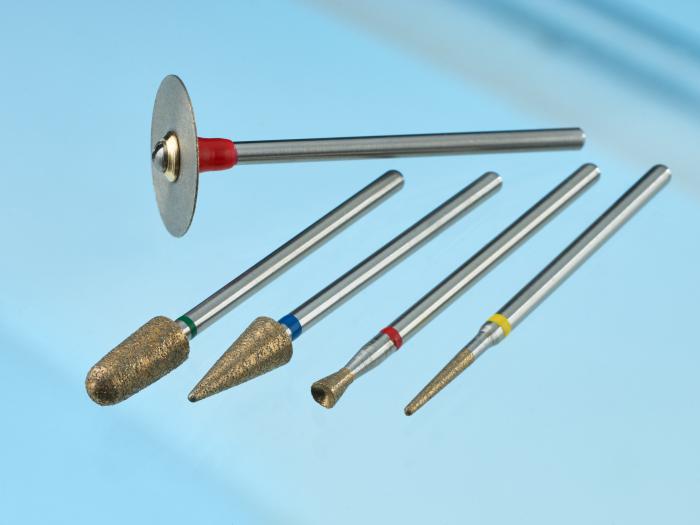
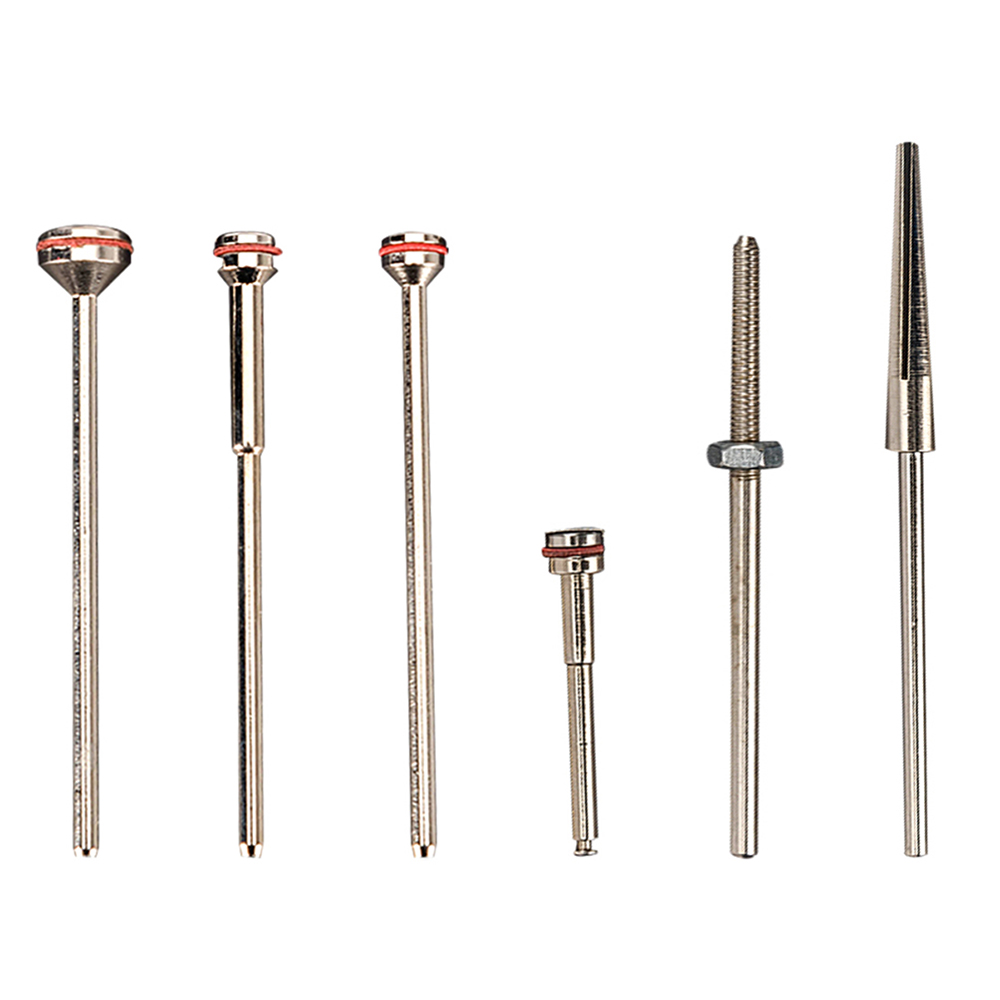
For professional-grade rotary wire brushes, polishing tools, and accessories for both shop and dental lab applications, download our complete product catalog to see the full range of brushes, felt bobs, and polishing accessories we stock.
Frequently Asked Questions
Can you use a brass brush on stainless steel?
Yes, a brass brush is safe to use on stainless steel for light cleaning and removing surface deposits. Because brass is softer than stainless steel, it will not scratch or embed particles into the surface. For heavier cleaning or scale removal on stainless, switch to a stainless steel wire brush.
Will a wire brush scratch aluminum?
A steel wire brush will absolutely scratch aluminum — the hardness difference is too great. Use a brass wire brush or a stainless steel brush with light pressure for aluminum surfaces. Brass is the safest option because it removes oxidation and residue without leaving marks that trap moisture and accelerate corrosion.
What is the best wire brush for removing rust from a car?
For automotive rust removal, a carbon steel cup brush or wheel brush mounted on an angle grinder gives the fastest results on body panels and frame components. Use a stainless steel brush on exhaust parts or anywhere you need to prevent new corrosion from ferrous contamination. Hand-held brass brushes work well for cleaning battery terminals and electrical connections without damage.
Do brass wire brushes wear out faster than steel?
Yes, brass bristles wear down noticeably faster because the material is much softer. This is the trade-off for scratch-free performance. Plan on replacing brass brushes two to three times more often than steel brushes during production work, and keep spares available so worn brushes do not slow down your workflow.
Summary
Steel wire brushes handle the heavy work: rust, paint, weld spatter, and aggressive surface preparation. Brass wire brushes handle the careful work: soft metals, electronics, precision parts, and spark-free environments. Most shops stock both because the jobs they serve do not overlap. Pick based on the workpiece material and how much surface damage you can tolerate, and you will get the right result every time.
Where to Buy Wire Brush Options
Browse related categories: Cleaning Brushes by Hand and Polishing Brushes and Accessories.
French keyword note: brosse en laiton is commonly used for brass wire brush searches.
Need full specs and model list? Download the BurDental catalog.
FAQ: Brass Wire Brush
Can a brass wire brush remove rust? Yes, for light rust and residue; heavy rust usually needs a steel brush or a more aggressive abrasive.
Will brass wire scratch metal? It is less likely than steel wire, but surface testing is still recommended.
When should I choose steel instead? Choose steel wire for faster removal on tougher, heavily oxidized surfaces.