How Tungsten Carbide Bur Technology Is Advancing
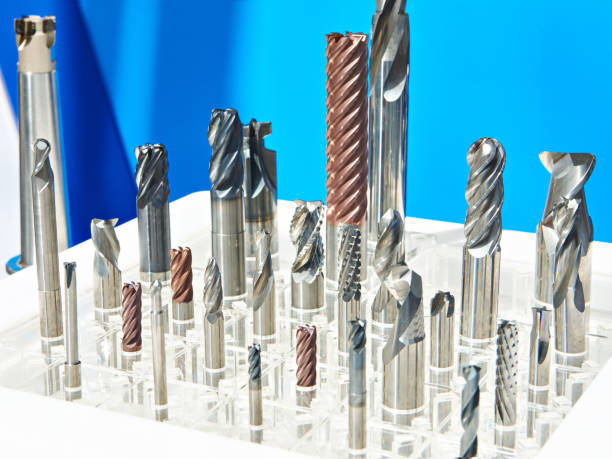
Tungsten carbide burs have been a staple of precision milling for decades. In recent years, however, material science improvements, new coating techniques, and expanding applications have pushed these tools well beyond their traditional capabilities. From dental CAD/CAM milling to industrial additive manufacturing, today's tungsten carbide burs deliver tighter tolerances, longer service life, and better surface finishes than their predecessors.
This article examines the most notable advances in tungsten carbide bur technology and explains what they mean for professionals who depend on milling accuracy every day.
Advances in Binder and Grain Technology
The performance of any tungsten carbide tool depends on two variables: the tungsten carbide grain size and the metallic binder holding those grains together. Improvements on both fronts have produced measurable gains in cutting performance.
Submicron and Nano-Grain Carbide
Traditional tungsten carbide burs use grain sizes in the range of 1 to 5 micrometers. Newer formulations use submicron grains (0.5 to 1 micrometer) or even nano-grains (below 0.5 micrometer). Smaller grains pack more tightly, producing a harder and more wear-resistant tool that holds a sharp edge longer under continuous use.
The practical effect is noticeable on the shop floor: a nano-grain bur can often complete two to three times more milling cycles before needing replacement compared to a conventional-grain bur of the same geometry. For labs and production facilities running multiple shifts, this translates into fewer tool changes and more consistent output quality across a production run.
Alternative Binder Systems
Cobalt remains the most common binder, but manufacturers are experimenting with nickel-based and iron-based binders. These alternatives reduce cobalt dependency — a supply chain concern — and can improve corrosion resistance in wet milling environments such as dental labs where water coolant is standard.
Nickel binders also show promise in applications where the bur is exposed to acidic or alkaline substances during or after milling. In dental lab settings, where cleaning solutions and disinfectants are part of the daily workflow, corrosion-resistant binders help maintain cutting performance over a longer service window.
Surface Coatings That Extend Bur Life
Applying thin-film coatings to tungsten carbide burs is one of the most effective ways to increase their longevity without changing the base material. These coatings are typically deposited using physical vapor deposition (PVD) or chemical vapor deposition (CVD), creating layers measured in micrometers that dramatically alter the surface properties of the tool.
| Coating Type | Key Benefit | Common Application |
|---|---|---|
| TiN (Titanium Nitride) | Reduces friction, increases surface hardness | General metalworking |
| TiAlN (Titanium Aluminum Nitride) | High-temperature stability | Dry milling, high-speed cutting |
| DLC (Diamond-Like Carbon) | Extremely low friction coefficient | Non-ferrous metals, composites |
| AlCrN (Aluminum Chromium Nitride) | Oxidation resistance at high temps | Hard alloy machining |
Coated burs typically last 2 to 5 times longer than uncoated equivalents under similar operating conditions. For high-volume production environments, this difference translates directly into reduced downtime and lower per-unit tooling costs. The coating also helps maintain a consistent surface finish throughout the bur's life, because the low-friction surface resists the buildup of material on the cutting edges that causes uncoated burs to produce progressively rougher finishes as they wear.
Tungsten Carbide Burs in Dental CAD/CAM Milling
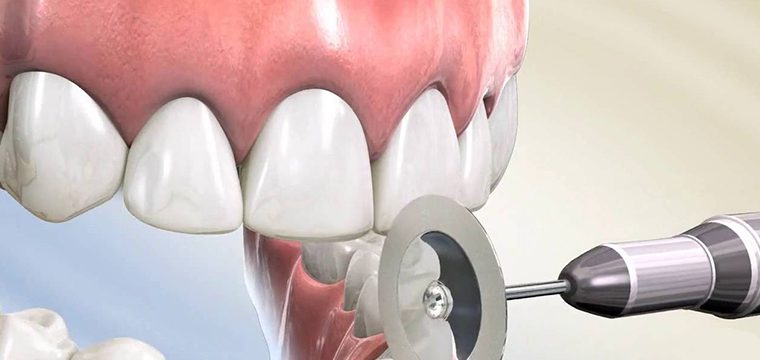
Digital dentistry has become one of the fastest-growing markets for tungsten carbide milling burs. Chair-side milling units and laboratory milling centers use these burs to produce crowns, bridges, inlays, onlays, and custom abutments from blocks of zirconia, lithium disilicate, PMMA, wax, and composite resin.
Demands Unique to Dental Milling
- Tight tolerances. Dental restorations require marginal accuracy within 50 micrometers or better. Bur geometry must remain stable over hundreds of milling cycles to maintain this standard consistently.
- Material variety. A single lab may mill soft wax one hour and pre-sintered zirconia the next. Burs must handle this range without excessive changeover, or the lab needs material-specific bur sets ready to swap in.
- Small diameters. Dental CAD/CAM milling burs often have cutting diameters of 0.5 mm to 2.0 mm, making rigidity and breakage resistance critical. At these small diameters, even minor runout in the spindle can cause premature bur failure.
- Biocompatibility. Any debris left on the restoration surface must not cause adverse tissue reactions. Clean-cutting burs minimize residue and reduce the need for extensive post-milling cleaning steps.
Manufacturers now produce burs specifically optimized for each material type. A bur designed for zirconia, for example, will have different flute geometry and coating than one intended for PMMA or wax. Using the correct material-specific bur not only produces a better restoration but also avoids premature tool wear that results from mismatched cutting parameters.
Industrial and Additive Manufacturing Applications
Outside dentistry, tungsten carbide burs continue to find new roles in industries that require precision material removal.
Post-Processing for 3D-Printed Parts
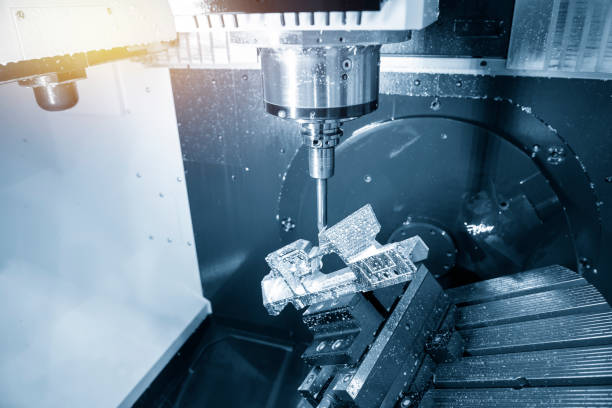
Metal 3D printing (selective laser melting, electron beam melting) produces parts with rough surfaces and support structures that must be removed. Tungsten carbide burs mounted in CNC or handheld rotary tools are a practical solution for this finishing step. Their hardness allows them to clean up titanium, stainless steel, and cobalt-chrome alloys efficiently without introducing new surface defects.
As metal additive manufacturing moves from prototyping into production, the demand for reliable post-processing tools has grown accordingly. Burs with consistent geometry and predictable wear patterns are preferred because they allow shops to program repeatable finishing routines.
Medical Device Manufacturing
Orthopedic implants, surgical guides, and prosthetic components all benefit from tungsten carbide milling. The tight tolerances achievable with modern submicron-grain burs meet the dimensional requirements of devices that must interface precisely with human anatomy. Regulatory requirements for surface finish on implantable devices add further pressure to use high-quality milling tools that produce predictable results.
Aerospace and Automotive
Turbine blades, fuel injector nozzles, and transmission components are among the parts routinely finished or shaped with tungsten carbide rotary burs. The ability to maintain dimensional accuracy at high cutting speeds makes these tools well-suited to production-line workflows where cycle time directly affects profitability.
Safety Considerations for Milling Operations
The same hardness that makes tungsten carbide burs effective also demands careful handling. Broken bur fragments can become projectiles, and fine tungsten carbide dust is a respiratory irritant with potential long-term health effects.
- Wear eye and respiratory protection. Safety glasses and a dust mask are minimum requirements. Enclosed milling machines with dust extraction are preferred for production environments.
- Inspect burs before each use. Check for cracks, chips, and runout. A damaged bur should be discarded immediately rather than returned to service.
- Follow recommended speed and feed rates. Exceeding manufacturer specifications generates excessive heat and increases the risk of bur failure. Operating within the recommended parameters also produces better surface finishes.
- Use coolant appropriately. Wet milling reduces thermal stress on both the bur and the workpiece, extending tool life and improving surface finish. In dental milling, most machines deliver coolant automatically, but operators should verify that the nozzles are clear and properly aimed.
- Store burs securely. Bur blocks or foam-lined cases prevent contact damage between tools. Loose burs stored together in a drawer will chip each other's cutting edges.
Reducing Environmental Impact
Tungsten is a finite resource, and carbide tool production is energy-intensive. Several trends are helping to reduce the environmental footprint of tungsten carbide burs.
- Recycling programs. Spent tungsten carbide burs can be collected and sent to recyclers who reclaim the tungsten through chemical and thermal processing. Recovery rates above 90% are achievable, making recycling both economically and environmentally sensible.
- Longer-lasting tools. Every improvement in bur longevity — whether through better grain structure, coatings, or optimized geometry — means fewer burs consumed and less waste generated over a given production volume.
- Reduced packaging. Some manufacturers have shifted to recyclable or minimal packaging, eliminating plastic trays and blister packs in favor of cardboard sleeves and reusable containers.
What to Expect Next
Several developments are on the horizon for tungsten carbide bur technology:
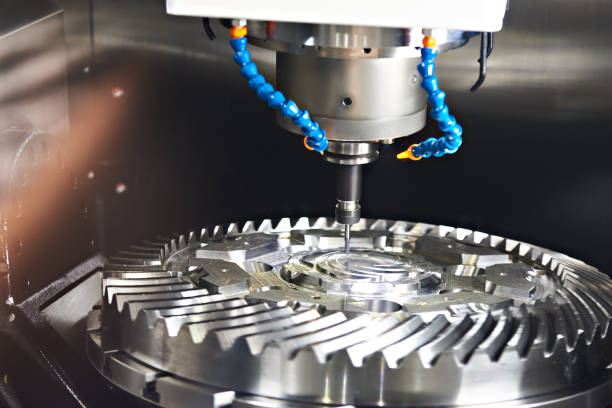
- AI-driven tool path optimization. Milling software that adjusts feed rates and cutting paths in real time based on sensor feedback from the bur will reduce wear and improve accuracy. Early implementations are already appearing in high-end CNC systems.
- Hybrid bur designs. Combining tungsten carbide substrates with polycrystalline diamond (PCD) tips could offer the toughness of carbide with the cutting efficiency of diamond for specific high-value applications such as milling fully sintered zirconia.
- Smart burs with embedded sensors. Prototype tools with micro-sensors that monitor temperature, vibration, and wear in real time are under development in several research labs. These sensors could trigger automatic tool changes before a bur reaches the point of producing out-of-spec parts.
For a deeper look at how tungsten carbide compares to diamond instruments, read our guide on comparing dental diamond burs and tungsten carbide burs.
Summary
Tungsten carbide bur technology is advancing on multiple fronts: finer grain structures, advanced coatings, application-specific designs, and growing sustainability efforts. Whether you work in a dental lab, a machine shop, or a research facility, staying informed about these developments helps you choose the right tools and get the best results from your milling operations. The combination of longer tool life, better surface finishes, and tighter tolerances means that today's burs offer more value per unit than at any point in the past — and the next generation promises to push those gains even further.