
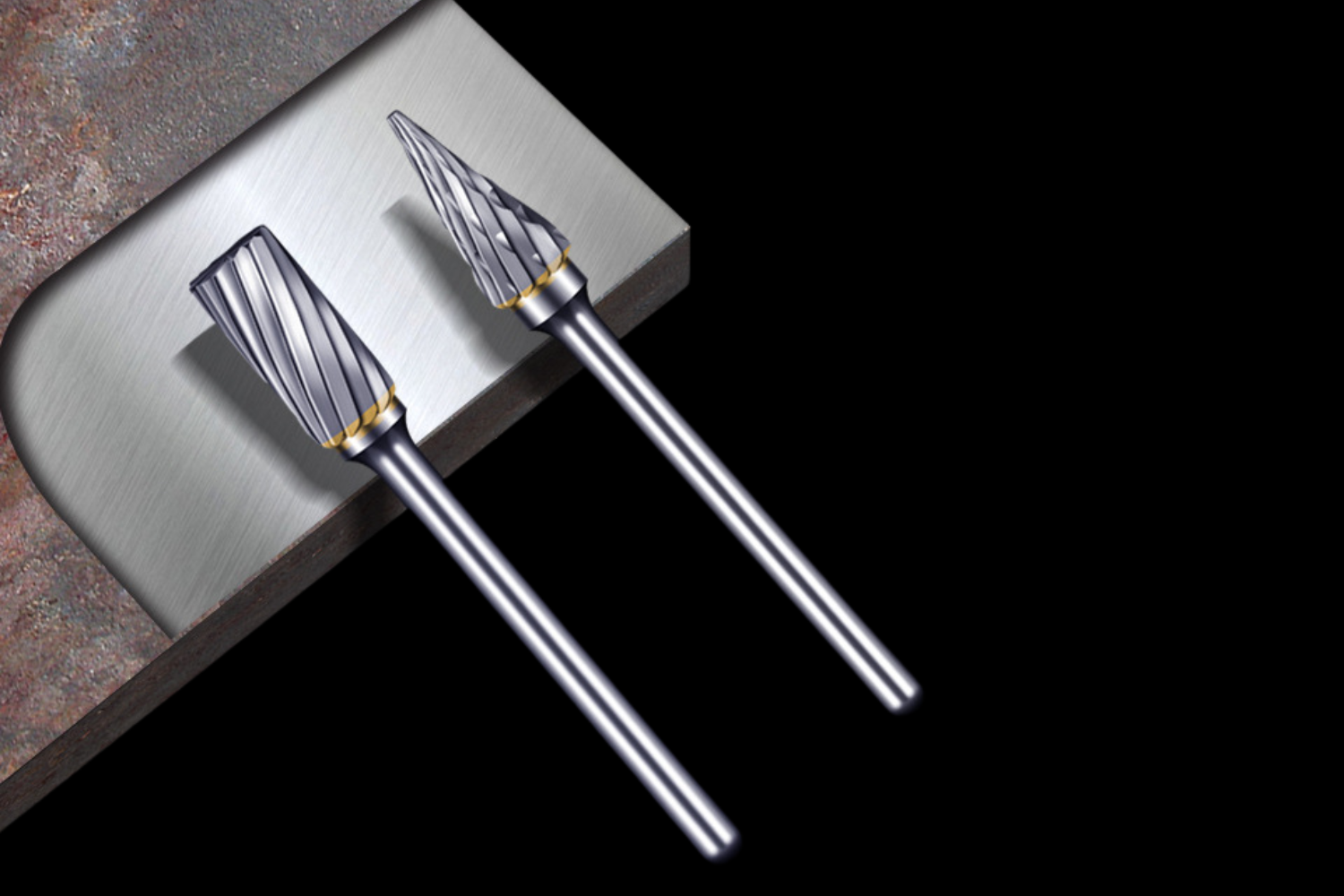
Every dental procedure that involves removing, shaping, or contouring tooth structure relies on rotary instruments. Among the available options, tungsten carbide rotary files stand out for their hardness, cutting efficiency, and predictable performance across a wide range of clinical tasks. Whether the job is cavity preparation, endodontic access, crown adjustment, or laboratory finishing, these instruments deliver consistent results that general-purpose steel burs cannot match.
This article covers the material science behind tungsten carbide rotary files, their clinical and laboratory applications, selection guidelines, and maintenance best practices.
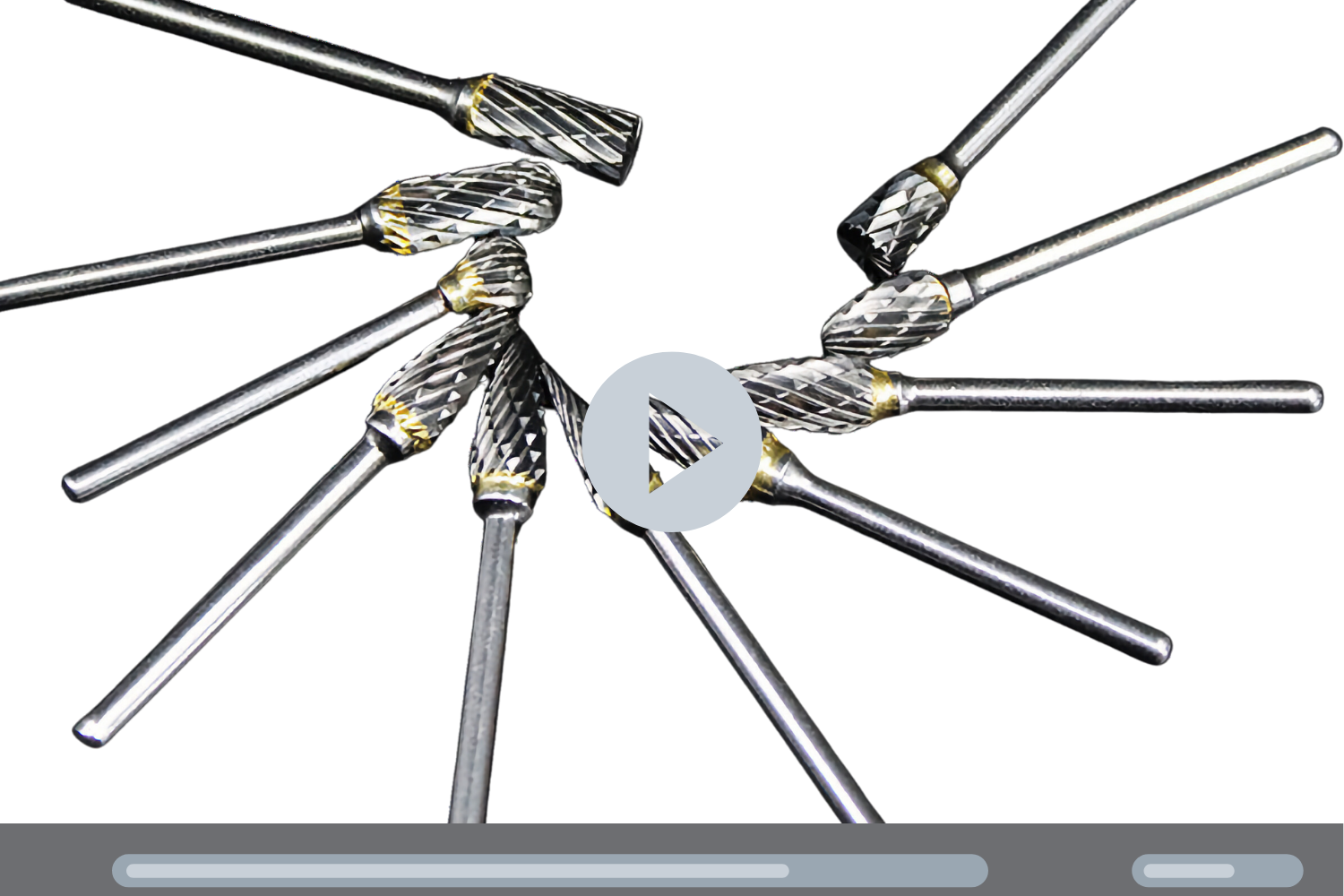
What Makes Tungsten Carbide Rotary Files Effective
Tungsten carbide (WC) is a compound formed by combining tungsten and carbon atoms under extreme heat and pressure. The resulting material ranks approximately 9 on the Mohs hardness scale, just below diamond. When this material is precision-ground into dental rotary file heads, it produces cutting edges that stay sharp through extended use and resist the abrasive forces of enamel, dentin, composite, and metal alloy removal.
Material Hardness and Wear Resistance
The primary advantage of tungsten carbide over stainless steel is durability. Steel burs lose their edge after relatively few uses, particularly when cutting enamel or metal. Tungsten carbide maintains its cutting geometry significantly longer, which means fewer tool changes during a procedure and more consistent cuts from the first patient to the last in a busy schedule. For a broader look at how carbide burs compare to other materials, see our guide to dental carbide burs.
Cutting Efficiency
Tungsten carbide rotary files remove material faster than steel alternatives at equivalent RPM settings. The blade geometry, combined with the material's hardness, allows each flute to take a larger bite per rotation. In practice, this means shorter cutting time per tooth, which directly reduces patient chair time and fatigue for both the clinician and patient.
Low Heat Generation
Tungsten carbide has favorable thermal conductivity properties for dental applications. It disperses heat away from the cutting zone more effectively than some abrasive instruments, reducing the risk of thermal injury to pulp tissue. When combined with proper water irrigation, carbide rotary files keep operating temperatures well within safe limits.
Surface Quality
Carbide flutes produce cleaner cuts with less micro-fracturing compared to abrasive diamond instruments. The result is smoother prepared surfaces, which improves bonding for adhesive restorations and reduces the amount of finishing and polishing required after initial preparation. When polishing is needed, silicone rubber polishers work well as a follow-up step.
Common Shapes and Their Applications
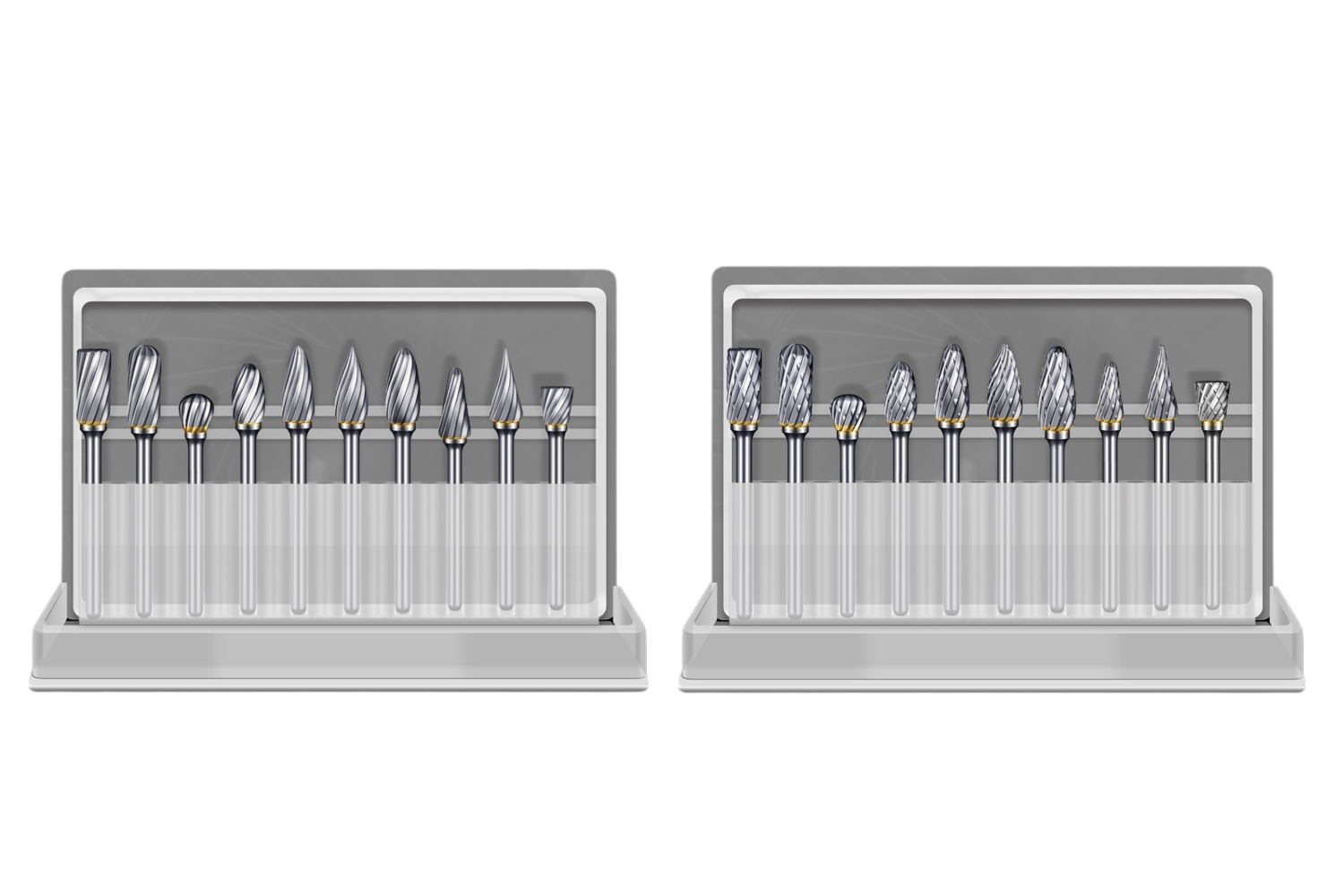
Tungsten carbide rotary files are manufactured in a wide variety of head shapes. Each geometry serves specific clinical and laboratory functions.
Shape | Common Uses | Key Advantage |
|---|---|---|
Round (Ball) | Caries removal, endodontic access, undercut creation | Controlled depth penetration |
Pear (330 type) | Cavity preparation, initial outline form | Smooth walls with rounded internal angles |
Tapered Fissure | Crown preparation, inlay/onlay margins | Angled walls matching restoration taper |
Straight Fissure (Cylinder) | Flat floor preparation, bulk reduction | Parallel walls with flat base |
Flame | Subgingival margin refinement, thin areas | Access to narrow interproximal spaces |
Cone (Inverted) | Mechanical retention, dovetail creation | Undercut geometry for amalgam preps |
Egg (Football) | Occlusal adjustment, concave contouring | Natural cusp anatomy reproduction |
For a closer look at how the popular 330 pear shape performs in cavity preparation, and for details on the 330 bur specifically, see our 330 dental carbide bur guide.
Clinical Applications in Detail
Cavity Preparation
Tungsten carbide rotary files are the standard instrument for creating cavity outlines and establishing internal form. Round burs initiate access, pear-shaped burs define the outline, and tapered fissure burs set the wall angles. The clean-cutting action of carbide reduces micro-fractures along enamel margins, producing preparations that bond more reliably with composite resin.
Crown and Bridge Adjustment
After cementation, crowns and bridges often need minor occlusal or proximal adjustments. Fine-fluted carbide rotary files allow controlled material removal from metal, PFM, and zirconia restorations. For zirconia-specific work, dedicated diamond instruments may be preferred, but carbide files handle metal substructures and acrylic provisionals with ease.
Endodontic Access
Gaining access to the pulp chamber requires controlled penetration through enamel and dentin. Round carbide burs in sizes 2, 4, and 6 are standard for this task. Their predictable cutting behavior helps clinicians avoid over-preparation and perforation of the pulp floor.
Orthodontic Band Removal and Adhesive Cleanup
After bracket debonding, residual adhesive must be removed without damaging enamel. Fine-fluted tungsten carbide finishing burs accomplish this task efficiently. The carbide edge shaves adhesive cleanly while the flute design provides tactile feedback that helps the clinician distinguish between adhesive and enamel. For more on finishing instruments, read our article about dental finishing burs.
Laboratory Applications
Dental laboratory technicians use HP-shank tungsten carbide rotary files with bench motors and straight handpieces for tasks that demand precision and control.
- Metal framework finishing: Smoothing casting sprues, adjusting contacts, and refining margins on Co-Cr and Ni-Cr frameworks
- Acrylic trimming: Contouring denture bases, reline adjustments, and provisional restoration shaping
- Model work: Trimming die stone, adjusting articulator-mounted casts, and creating relief areas
- Implant component modification: Fine adjustment of titanium abutments and custom implant bars
Selection Guidelines
Choosing the right tungsten carbide rotary file involves matching the instrument to the clinical task, handpiece type, and desired surface finish.
Flute Count
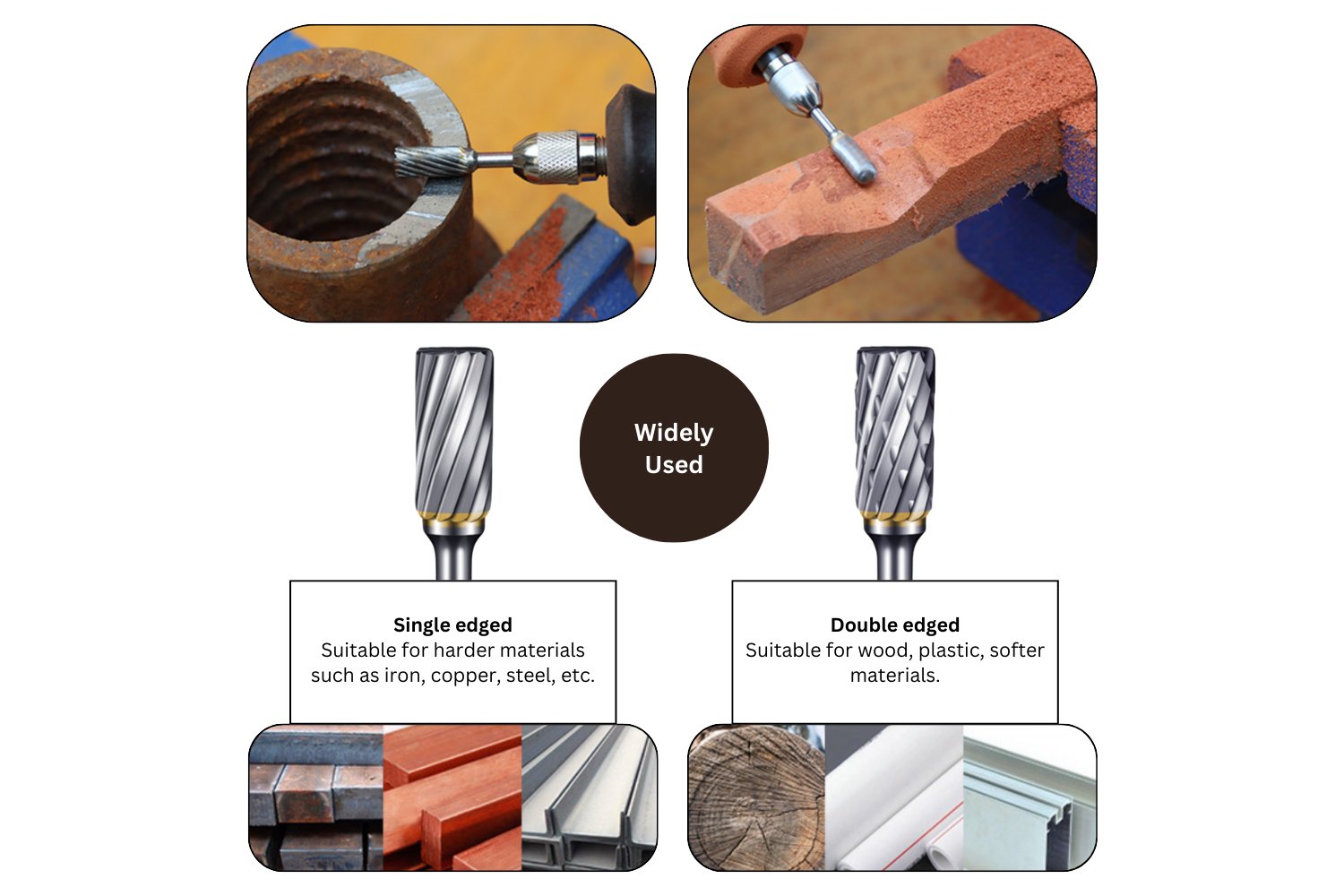
- 6-8 flutes (standard cut): Aggressive material removal for initial preparation and bulk reduction
- 12-16 flutes (fine cut): Smoother finish for margin refinement and adhesive removal
- 20-30 flutes (ultra-fine or finishing): Mirror-smooth surfaces, minimal material removal per pass
Shank Type
- FG (friction grip): 1.6 mm diameter for high-speed handpieces, used in clinical settings
- RA (right angle): 2.35 mm latch-type for slow-speed contra-angle handpieces
- HP (handpiece): 2.35 mm straight shank for laboratory bench motors
Understanding shank types prevents compatibility errors and ensures safe operation at the correct RPM.
Head Size
Select the smallest head diameter that accomplishes the task. Smaller heads provide better access and visibility in posterior regions, while larger heads cover more surface area for laboratory finishing tasks. When in doubt, start with a smaller size and switch up only if more aggressive cutting is needed.
Maintenance and Sterilization
Proper care extends the working life of tungsten carbide rotary files and maintains cutting performance between uses.
- Cleaning: Ultrasonic cleaning for 5-10 minutes removes debris from between flutes. Avoid soaking in solutions that corrode tungsten carbide bonding agents.
- Sterilization: Standard autoclave cycles at 134°C are safe for tungsten carbide instruments. For a complete sterilization protocol, refer to our guide on how to sterilize carbide burs.
- Inspection: Check flute edges under magnification before use. Chipped or rounded flutes reduce cutting efficiency and increase heat generation.
- Storage: Use bur blocks or foam-lined cassettes to prevent instruments from contacting each other, which can chip cutting edges.
Why Tungsten Carbide Rotary Files Belong in Every Practice
From general practitioners handling routine restorative work to specialists performing complex prosthetic procedures, tungsten carbide rotary files have proven their value across every dental discipline. These instruments address the real problems dental professionals encounter daily: tools that dull too quickly, cuts that lack precision, procedures that run long, and surfaces that need excessive rework. The material science behind tungsten carbide, combined with precision manufacturing of the cutting head geometry, produces instruments that perform reliably across the full range of dental procedures. For clinics and labs looking to equip their operatories with dependable tungsten carbide burs, investing in quality instruments reduces per-procedure costs and improves outcomes for every patient.