Sintered vs Electroplated Diamond Burs: Which Type Is Right for Your Practice?
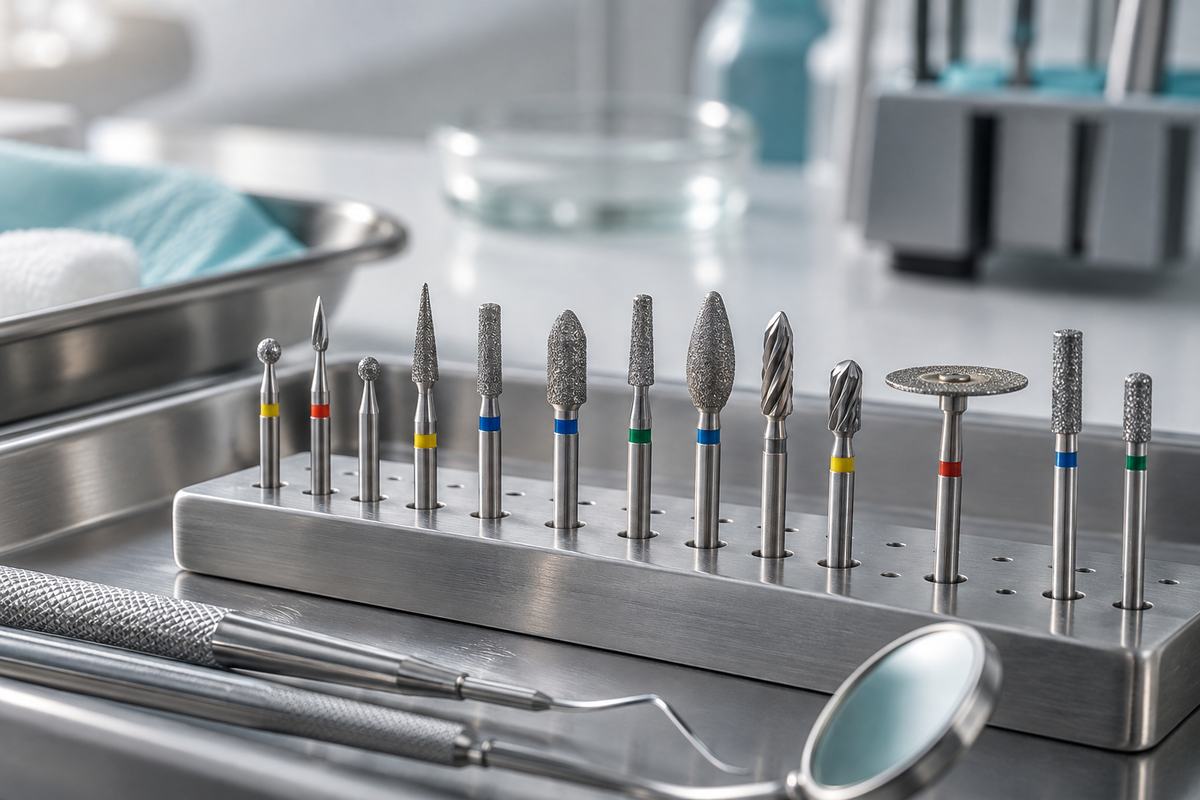
Diamond burs are a staple of modern dentistry, used daily for crown preparation, cavity work, and finishing procedures. But not all diamond burs are manufactured the same way. The two dominant production methods -- sintering and electroplating -- produce instruments with significantly different performance characteristics.
Understanding how each type is made, how it performs under clinical conditions, and where each excels will help you make smarter purchasing decisions for your practice or dental lab.
How Sintered Diamond Burs Are Made
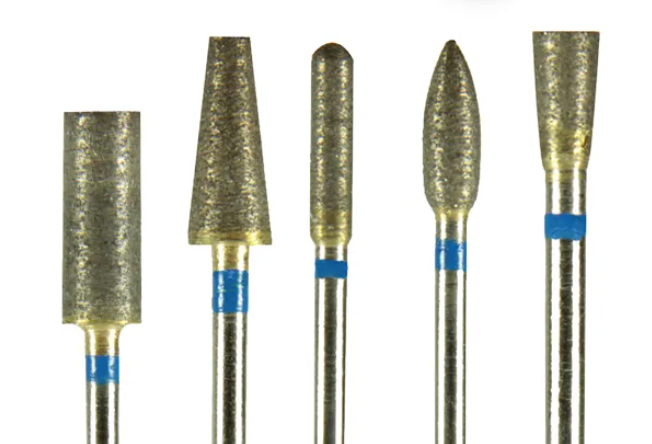
Sintered diamond burs are manufactured by mixing diamond particles with a metal powder matrix, then heating the mixture under high pressure. This process fuses diamond grit throughout the entire working surface of the bur head, not just on the outer layer.
Because diamonds are distributed evenly through the metal body, a sintered bur continues to expose fresh cutting surfaces as the outer layer wears down. This self-renewing quality is the primary reason sintered burs maintain consistent cutting performance over extended use.
How Electroplated Diamond Burs Are Made
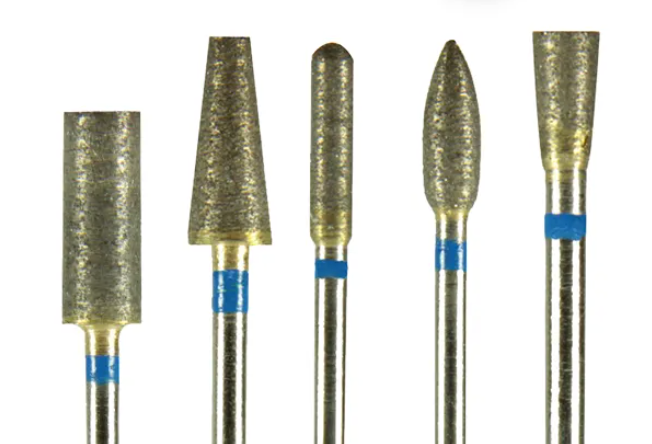
Electroplated burs use a different approach. A single layer of diamond particles is bonded to the bur head using a nickel electroplating process. The diamonds sit on the surface, held in place by the nickel coating.
This manufacturing method is faster and less expensive, which is why electroplated burs typically cost less per unit. However, the single-layer construction means that once the surface diamonds dislodge or wear flat, the bur loses its cutting ability entirely.
Durability: Multi-Layer vs Single-Layer Construction
Durability is where sintered burs hold a clear advantage. Research published in the Journal of Prosthetic Dentistry has shown that sintered diamond instruments demonstrate fracture toughness approximately 40-50% higher than their electroplated counterparts.
The multi-layer diamond distribution in sintered burs means they resist chipping and cracking under the lateral forces common during crown preparation. Electroplated burs, with diamonds attached only at the surface, are more vulnerable to diamond loss during aggressive cutting. Once surface diamonds detach, the exposed nickel layer offers almost no cutting ability.
For procedures that involve hard materials like zirconia or lithium disilicate, sintered burs are the more reliable choice. Their internal diamond structure handles the stress without the rapid degradation seen in electroplated alternatives.
Durability Comparison at a Glance
| Factor | Sintered | Electroplated |
|---|---|---|
| Diamond distribution | Throughout bur head | Surface layer only |
| Fracture resistance | High | Moderate |
| Chipping risk | Low | Higher |
| Performance on hard ceramics | Excellent | Adequate short-term |
Lifespan: How Long Each Type Lasts
Lifespan is closely tied to durability, but it deserves separate attention because it directly affects your per-procedure cost. Clinical data consistently shows that sintered diamond burs last 2 to 3 times longer than electroplated burs under equivalent workloads.
In practical terms, a sintered bur can prepare over 100 molar crowns before showing significant performance decline. An electroplated bur performing the same work typically needs replacement after 30 to 50 preparations.
This extended service life means fewer bur changes during procedures, less inventory to manage, and lower annual spending on rotary instruments. While the upfront cost of a sintered bur is higher, the total cost of ownership is often lower over the course of a year.
Cost Analysis Over 100 Crown Preparations
| Metric | Sintered | Electroplated |
|---|---|---|
| Burs needed | 1 | 2-3 |
| Cutting consistency | Stable throughout | Declines after 30-50 preps |
| Replacement frequency | Low | High |
| Total cost of ownership | Lower | Higher |
Cutting Precision and Surface Finish
Precision matters in every dental procedure, but it is especially important in margin preparation for indirect restorations. The uniformity of diamond distribution in sintered burs allows for smoother, more predictable cutting action. Each pass removes material at a consistent rate, which translates to cleaner margins and better-fitting restorations.
Electroplated burs can deliver good initial precision. When new, the single layer of exposed diamonds cuts aggressively and cleanly. However, as individual diamonds wear or break away, the cutting surface becomes uneven. This inconsistency can produce rough margins and require additional finishing steps.
For detail-oriented procedures like porcelain veneer preparation or inlay seat refinement, sintered burs provide the controlled, predictable material removal that produces the best clinical outcomes.
Heat Generation During Cutting
Both bur types generate heat during use, but the pattern differs. Electroplated burs tend to cut more aggressively when new because the diamond particles protrude further from the bonding surface. This aggressive initial cut can generate more heat at the tooth surface, increasing the risk of pulpal damage if water cooling is insufficient.
Sintered burs produce a more moderate and consistent level of heat throughout their service life. The diamonds are embedded within the matrix rather than protruding from it, resulting in a smoother cutting action that generates less thermal spike during use. This characteristic makes sintered burs a safer option during deep preparations near the pulp chamber.
When to Choose Electroplated Burs
Despite the advantages of sintered construction, electroplated burs still have a place in clinical practice. They are well-suited for situations where you need a sharp, aggressive initial cut and plan to discard the bur after a limited number of uses.
Common applications where electroplated burs perform well include:
- Single-use or limited-use procedures where sterility is a priority
- Bulk material removal where surface finish is less important
- Budget-conscious practices that prefer lower per-unit purchase cost
- Training environments where bur consumption is high
When Sintered Burs Are the Better Investment
Sintered burs are the stronger choice for practices and labs that prioritize long-term value and consistent cutting quality. They are particularly beneficial in these scenarios:
- High-volume crown and bridge practices
- Procedures involving zirconia, lithium disilicate, or other hard ceramics
- Precision work such as veneer preparations and inlay refinement
- Dental laboratories performing detailed adjustments on fired restorations
If your practice handles a steady flow of indirect restorations, the investment in sintered burs will likely pay for itself within the first few months through reduced replacement costs and more consistent results.
Sterilization and Infection Control Considerations
Both bur types can be sterilized using standard autoclave protocols, but repeated sterilization cycles affect them differently. Electroplated burs may experience accelerated diamond loss after many autoclave cycles because the nickel bonding layer is thinner and more susceptible to thermal stress. Sintered burs tolerate repeated sterilization better due to their solid metal-diamond matrix construction. If your infection control protocol requires autoclaving after every patient, factor this additional wear into your cost calculations when choosing between the two types.
Proper Care to Maximize Bur Life
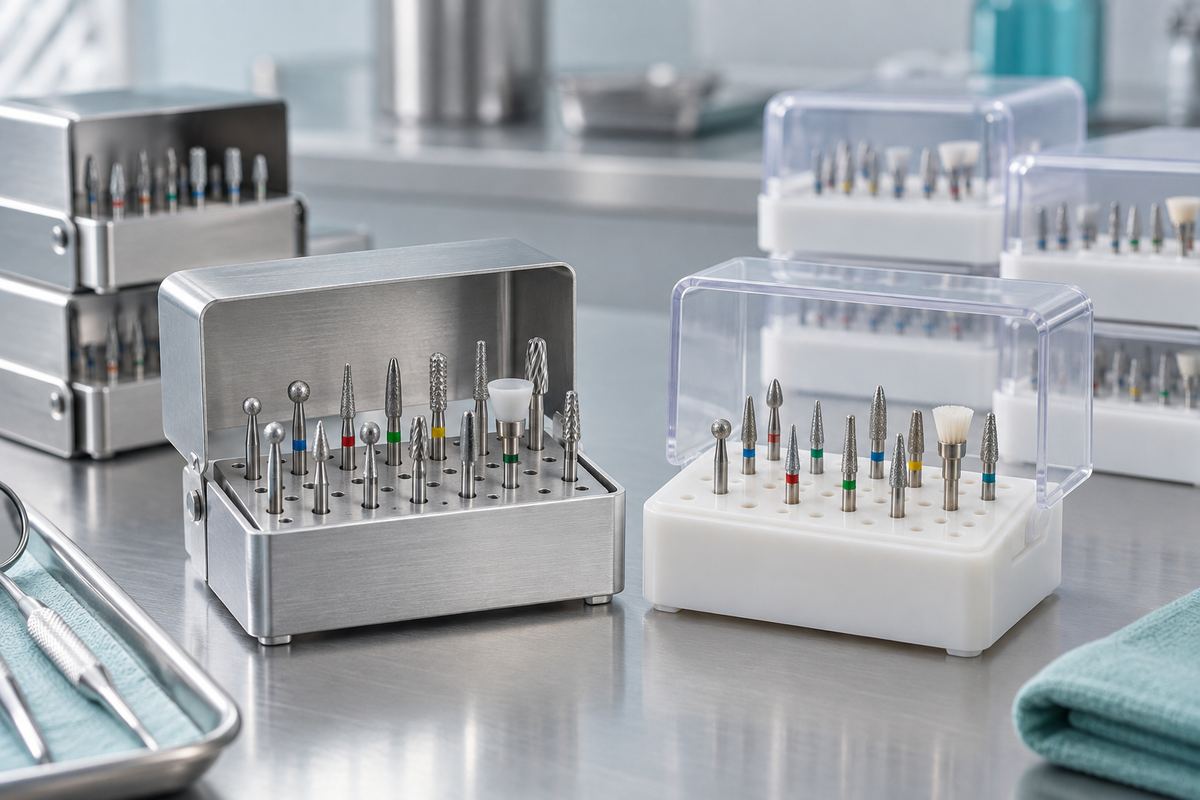
Regardless of which type you choose, proper maintenance extends service life. Always use adequate water spray during cutting to reduce heat buildup and flush debris. Clean burs promptly after use with an ultrasonic cleaner or chemical disinfectant solution. Inspect burs carefully under magnification before reuse and discard any that show visible diamond loss, shaft bending, or surface deformation. Store burs in organized holders that prevent contact between bur heads, as diamond-on-diamond contact can chip cutting surfaces even when the instruments are not in use.
For more detailed guidance on instrument upkeep, see our article on the best methods for keeping your burs and discs in top condition.
Selecting the Right Diamond Burs for Your Needs
Both sintered and electroplated diamond burs serve important roles in dental practice. The choice between them depends on your clinical priorities, procedure volume, and budget considerations. For most practitioners who value durability and long-term economy, sintered burs offer the stronger return on investment.
Browse our full selection of diamond dental burs to find the right instruments for your practice. We also carry specialized laboratory diamond burs designed for bench work on ceramics, metals, and composite materials.
To learn more about the latest developments in diamond instrument technology, read our article on new diamond bur technology shaping the future of rotary instruments in dentistry.