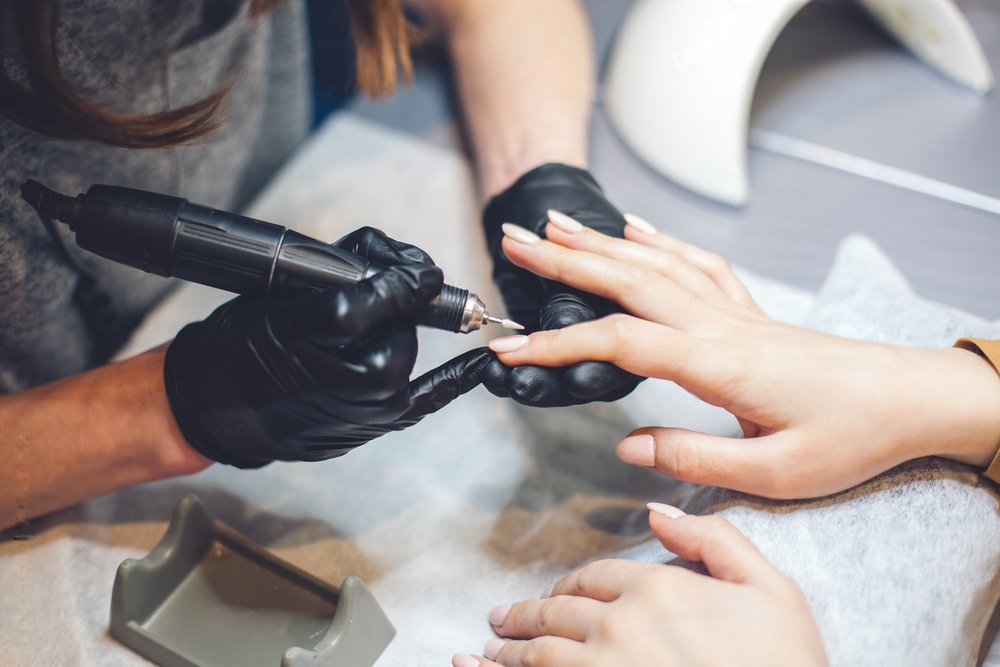
Nail drill bits are the core accessories that make electric nail drills useful. Each bit is designed for a specific task, from removing gel polish and shaping acrylics to cleaning cuticles and smoothing the nail plate. Picking the right bit and using it with proper technique is what separates a clean, professional manicure from a damaged nail.
This guide walks through everything a beginner needs to know: bit materials, shapes, recommended speeds, safe handling practices, and maintenance routines that keep your bits performing at their best.
Understanding Nail Drill Bit Materials
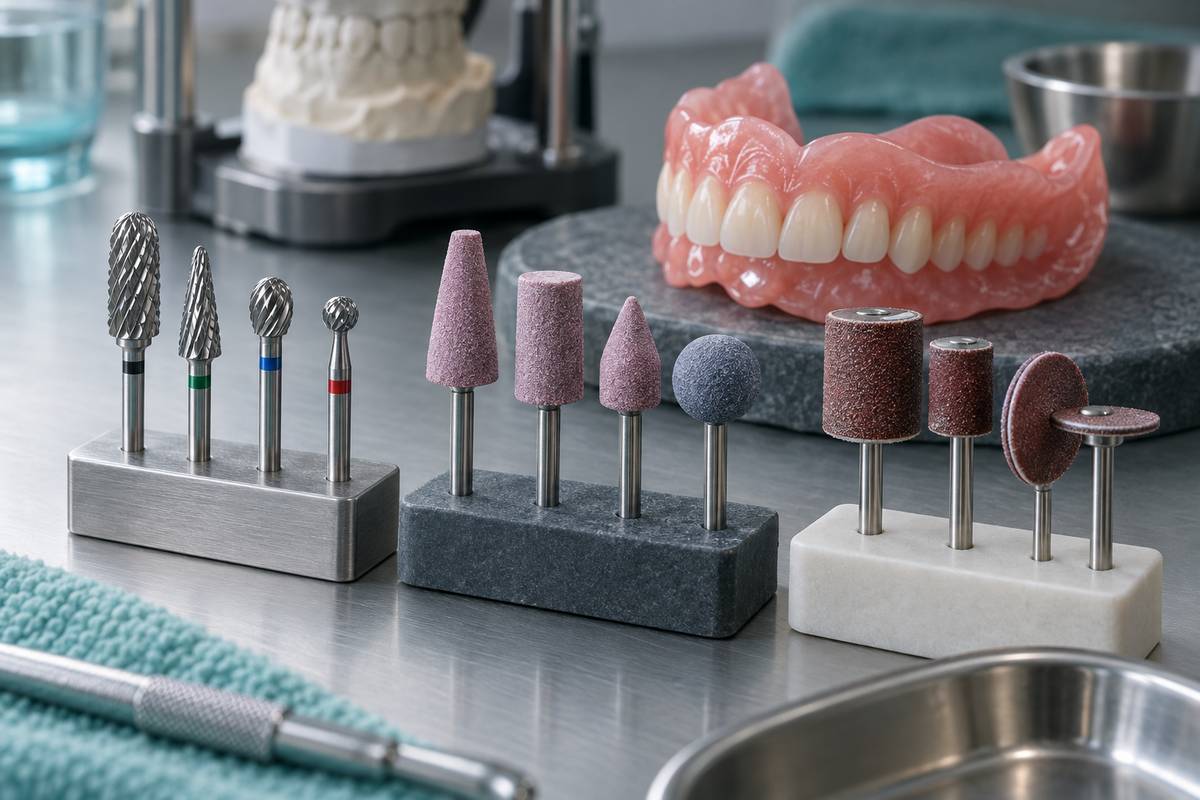
The three most common materials used in nail drill bits are carbide, diamond, and ceramic. Each has distinct cutting characteristics and is suited to different tasks.
Carbide Nail Drill Bits
Carbide bits, made from tungsten carbide, are the workhorses of the nail industry. They feature machined flutes that cut through product quickly and cleanly. Carbide bits excel at bulk removal tasks such as taking off acrylic or hard gel overlays. They come in fine, medium, and coarse cuts, with the coarse versions removing material fastest and the fine versions leaving a smoother surface.
Carbide bits produce small chips rather than dust, which means less airborne debris during filing. They are easy to clean with a brass wire brush and can be sterilized in an autoclave without losing their edge.
Diamond Nail Drill Bits
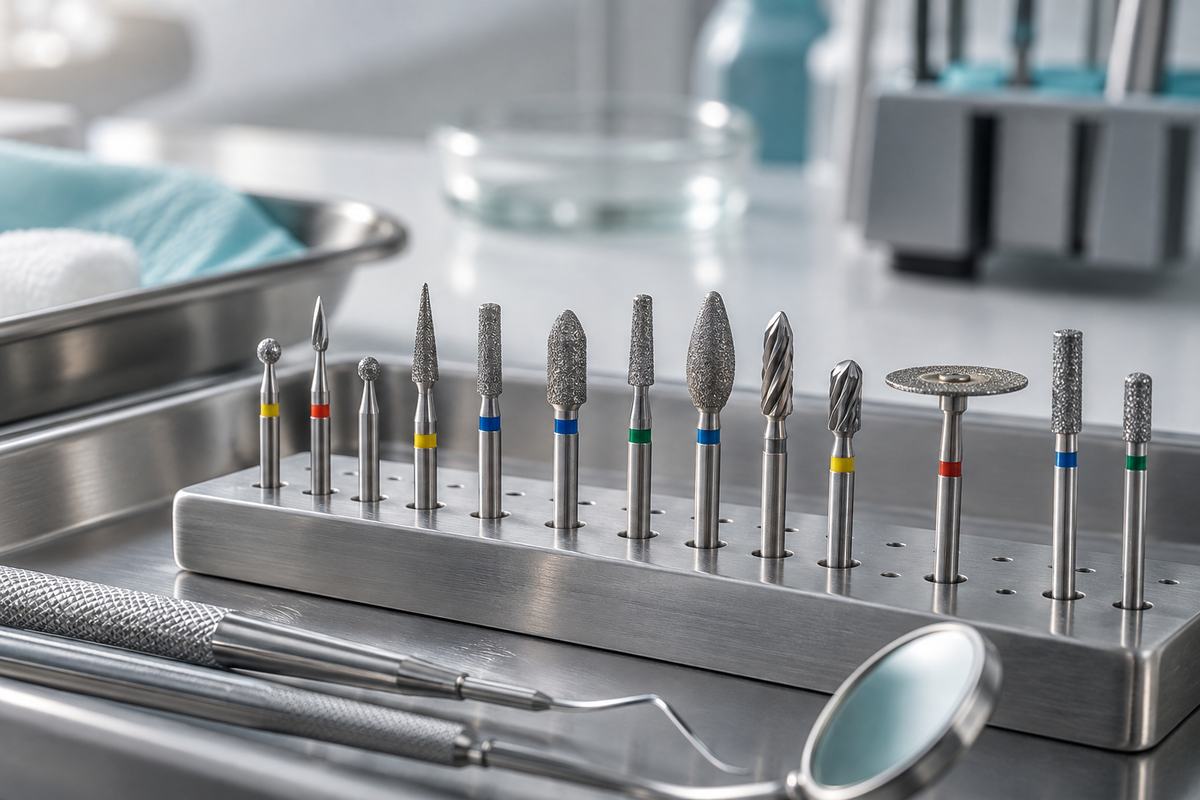
Diamond bits are coated with fine diamond particles bonded to a metal core. They work by grinding rather than cutting, which makes them well suited for detail work on natural nails, cuticle cleanup, and surface smoothing. Diamond bits are available in fine, medium, and coarse grits, similar to sandpaper ratings.
These bits produce fine dust rather than chips, so wearing a dust mask is especially important when using them. Diamond bits tend to generate more heat than carbide bits at the same speed, so a lighter touch and lower RPM are advisable when working near the nail bed.
Ceramic Nail Drill Bits
Ceramic bits are the newest option on the market. They run cooler than both carbide and diamond bits, which reduces the risk of heat-related discomfort for the client. Ceramic bits work well for removing gel polish and smoothing acrylic surfaces. They are also gentler on natural nails, making them a good choice for nail technicians who work primarily with natural nail clients.
The trade-off is durability — ceramic bits wear faster than carbide and are more fragile. They can chip or crack if dropped on a hard surface.
Nail Drill Bit Shapes and Their Uses
Bit shape determines what tasks the bit handles most effectively. Here are the most common shapes and when to use them.
Barrel (Cylinder) Bits
Barrel bits have a straight cylindrical profile. They are the most versatile shape and work well for surface filing, shortening nail length, and removing bulk product. A fine-grit barrel bit is also useful for smoothing the nail plate before applying new product.
Cone and Tapered Bits
Cone bits narrow to a point, making them ideal for working around the cuticle area and cleaning under the nail. The tapered profile gives you precision in tight areas without accidentally catching surrounding skin. Use cone bits at lower speeds for cuticle work.
Flame (Torpedo) Bits
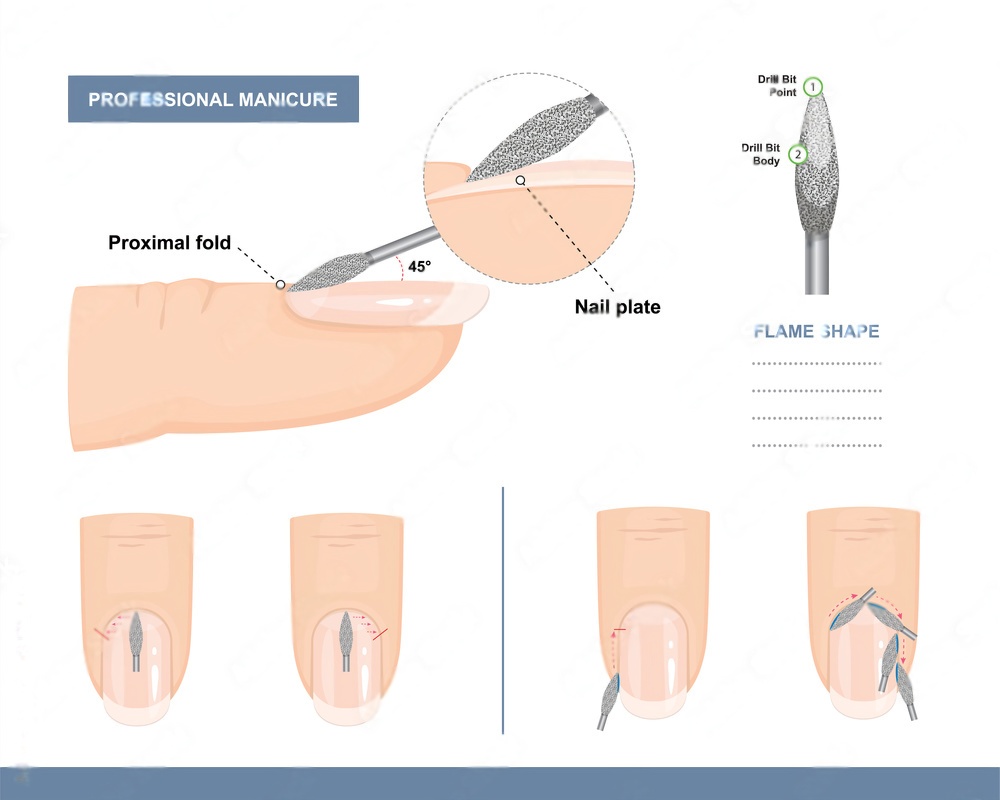
Flame bits have a rounded taper that comes to a narrow tip. They are popular for cuticle cleanup, sidewall work, and shaping the C-curve on acrylic nails. The curved profile matches the natural contour of the proximal nail fold, making it easier to achieve clean cuticle lines. Flame bits are the go-to for creating almond and stiletto nail shapes.
Bullet (Football) Bits
Bullet bits have a rounded, egg-like shape. They work well for smoothing the underside of the free edge and for surface preparation. Their rounded tip makes accidental gouging less likely, which is helpful for beginners still building their control.
Needle and Drill Bits
Thin needle bits are used for fine detail work, including creating nail art designs and making precise holes for nail piercings. They are not meant for bulk removal and should be used at moderate speeds with minimal pressure.
Mandrel Bits with Sanding Bands
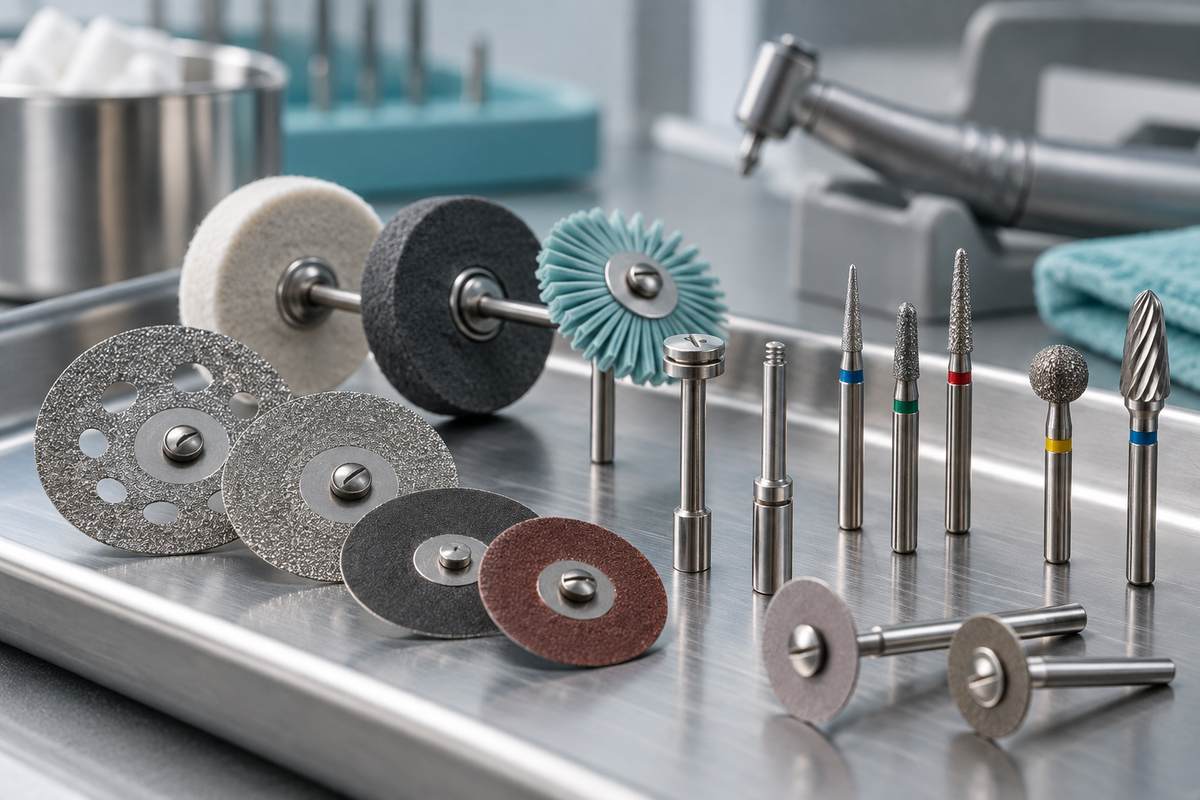
A mandrel is a smooth metal shaft that holds disposable sanding bands. Sanding bands come in various grits and are used for surface filing and shaping. Because the bands are disposable, they solve the hygiene concern of cross-contamination between clients. Replace the band after each client session.
Matching Bit Shape to Nail Shape
| Desired Nail Shape | Best Bit Shape |
|---|---|
| Square / Squoval | Barrel, cone, or bullet bit |
| Round | Barrel bit with gentle rocking motion |
| Almond | Flame bit for tapering, barrel for length |
| Stiletto | Flame and needle bits for sharp point |
| Coffin / Ballerina | Barrel for straight sides, cone for tip |
Speed Settings and Safe Technique
Speed control is one of the most important skills to develop. Running a drill too fast causes heat buildup, friction burns, and potential damage to the natural nail. Running too slow can cause the bit to grab and skip across the surface.
Recommended Speed Ranges
- Natural nail work: 5,000 to 10,000 RPM
- Cuticle cleanup: 5,000 to 8,000 RPM
- Gel polish removal: 10,000 to 15,000 RPM
- Acrylic removal: 15,000 to 20,000 RPM
- Surface smoothing: 8,000 to 12,000 RPM
Always start at the lower end and increase speed gradually. If the client reports warmth or discomfort, reduce speed immediately and lift the bit away from the nail for a few seconds before continuing.
Handling and Pressure
Hold the drill like a pen, with your fingers close to the handpiece head for maximum control. Rest your working hand on the client's finger to create a stable pivot point. Apply only light pressure and let the bit do the cutting. Work from the cuticle area toward the free edge, moving in one direction rather than back and forth. Drilling in one direction reduces the risk of ring fire (heat buildup around the nail perimeter) and produces a smoother finish.
The 45-Degree Rule
Hold the bit at approximately 45 degrees to the nail surface. This angle prevents the bit from digging into the nail plate and gives you better control over how much material is removed with each pass. Steeper angles increase the risk of gouging, especially with coarse bits.
Safety Essentials
- Wear a dust mask: Nail dust from filing is an inhalation hazard, particularly with acrylic products. A well-fitted N95 mask or a desk-mounted dust collector protects both you and the client.
- Disinfect between clients: Clean bits with a brass wire brush to remove debris, then soak in a hospital-grade disinfectant. Carbide and diamond bits can be autoclaved for full sterilization.
- Check bit condition before each use: Worn, chipped, or wobbling bits should be replaced immediately. A damaged bit cuts unevenly and increases the risk of injury.
- Never use a nail drill on infected or damaged nails: If the client shows signs of infection, fungus, or open wounds near the nail area, postpone the service and recommend medical attention.
Bit Maintenance and Longevity
Good maintenance habits double or triple the working life of your drill bits.
- Clean after every use. Use a stiff brass brush to remove product buildup from the flutes or diamond grit. Do not use steel brushes on diamond bits, as they can strip the coating. For a detailed cleaning process, see our guide on cleaning diamond burs.
- Disinfect properly. After brushing, immerse the bit in an approved disinfectant solution for the recommended contact time. Rinse and dry before storage.
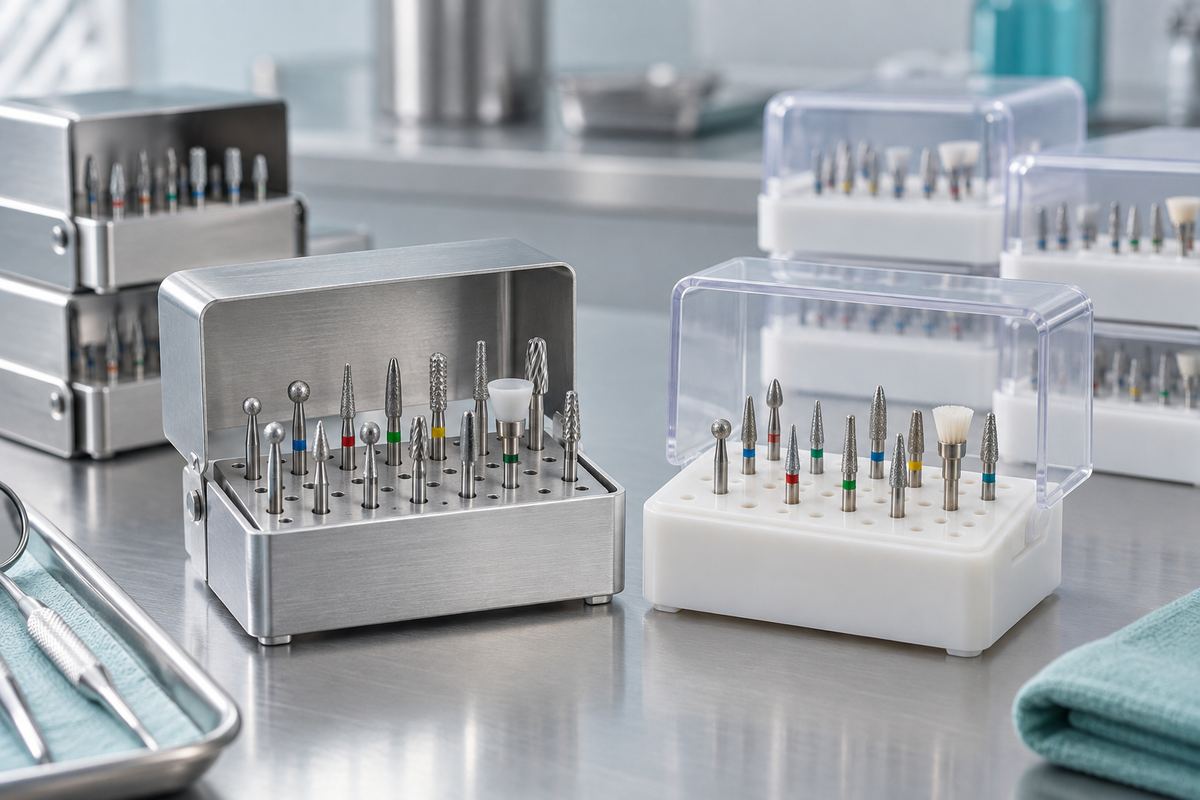
- Store safely. Keep bits in a dedicated bit holder or case with individual slots. Bits stored loose in a drawer bang against each other and dull faster.
- Replace on schedule. Carbide bits typically last 3 to 6 months with daily professional use. Diamond bits last 2 to 4 months. Ceramic bits may need replacement every 1 to 3 months depending on workload.
Practice Before Working on Clients
If you are new to nail drills, practice on artificial nail tips or practice hands before working on real clients. Focus on maintaining consistent speed, pressure, and angle. Pay attention to how each bit shape behaves on different materials, and get comfortable switching between forward and reverse rotation.
Building muscle memory takes time, but the investment pays off in faster service times, cleaner results, and happier clients. Start with simple tasks like surface filing and gel removal before progressing to cuticle work and detailed shaping.