Dental implants have transformed modern dentistry by offering a permanent solution for missing teeth that looks, feels, and functions like natural teeth. Beyond their functional benefits, dental implants provide significant aesthetic improvements that can dramatically improve your smile and boost your confidence. This complete guide explores how dental implants enhance your appearance and what you need to know about cosmetic implant procedures.
The Aesthetic Benefits of Dental Implants
Missing teeth create obvious gaps in your smile that affect your appearance and self-confidence. Dental implants fill these spaces with artificial teeth that blend seamlessly with your natural dentition. Unlike traditional dentures or bridges, implants preserve facial structure by stimulating the jawbone, preventing the sunken appearance that often develops after tooth loss.
Implants maintain the natural contours of your gums and lips. When teeth are missing, surrounding tissues lose support and may collapse inward, creating wrinkles and making you appear older. Dental implants provide the necessary support to maintain youthful facial proportions. The titanium posts integrate with your jawbone through a process called osseointegration, creating a stable foundation that prevents bone loss and preserves facial aesthetics.
The customizable nature of dental implants allows for precise smile design. Your dental team can select crown shapes, sizes, and shades that complement your facial features and match your remaining natural teeth. This level of customization ensures results that look natural rather than artificial or obvious.
Types of Cosmetic Implant Procedures
Several implant-based procedures address different aesthetic concerns. Understanding these options helps you choose the approach that best meets your needs and goals.
Single Tooth Implants
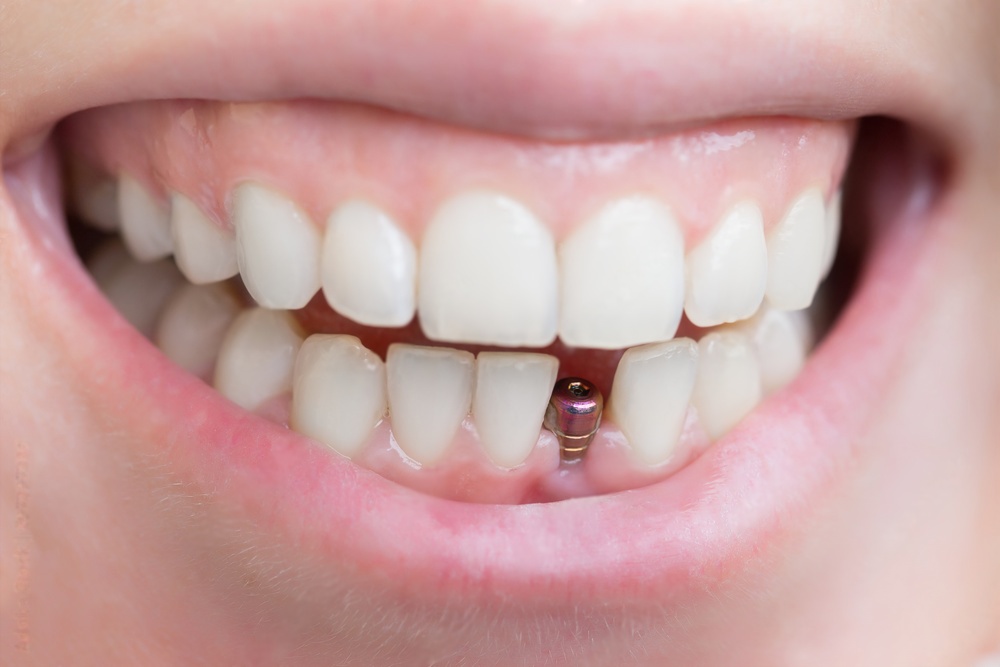
Single tooth implants replace individual missing teeth without affecting adjacent healthy teeth. This approach preserves more of your natural tooth structure compared to traditional bridges, which require grinding down neighboring teeth for support. The implant crown matches your natural teeth in color, shape, and size, creating a seamless appearance.
Multiple Tooth Implants
For patients missing several teeth, multiple implants can support individual crowns or implant-supported bridges. This solution provides superior aesthetics compared to traditional partial dentures, which may have visible metal clasps. Multiple implants restore full chewing function while creating a natural-looking smile.
Full Arch Restoration
Patients missing all teeth in one or both arches can benefit from full arch implant restorations. These procedures use four to six strategically placed implants to support a complete set of replacement teeth. All-on-4 and All-on-6 techniques provide stable, permanent solutions that look remarkably natural. Unlike traditional dentures, these restorations do not slip or require messy adhesives.
Immediate Load Implants
Also known as same-day implants, this approach allows for immediate placement of temporary teeth on newly placed implants. While you still need a healing period before receiving permanent restorations, you never have to go without teeth. This option offers significant psychological and social benefits, allowing you to maintain your appearance throughout treatment.
Front Tooth Implant Considerations
Replacing front teeth presents unique aesthetic challenges due to their high visibility when you smile, speak, or eat. Front tooth implants require careful planning and execution to achieve natural-looking results that blend seamlessly with adjacent teeth.
Gum tissue aesthetics become particularly important for front tooth implants. The emergence profile, which describes how the crown emerges from the gum tissue, must mimic natural teeth. Your dental team may use custom abutments shaped to support ideal gum contours. In some cases, soft tissue grafting enhances gum tissue volume and creates the papillae (small triangular sections of gum between teeth) that characterize healthy, youthful smiles.
Color matching requires special attention for front tooth implants. Natural teeth display subtle color variations and translucency that must be replicated in implant crowns. High-quality ceramic materials like zirconia or lithium disilicate allow dental laboratory technicians to create restorations with lifelike optical properties. Your dentist may photograph your teeth under different lighting conditions to ensure perfect color matching.
Immediate implant placement following tooth extraction can help preserve bone and gum tissue architecture. When a front tooth is extracted, the surrounding bone begins resorbing immediately. Placing an implant at the time of extraction provides stimulation that helps maintain bone volume. This approach often yields superior aesthetic results compared to delayed implant placement, though it requires adequate bone density and absence of infection.
| Front Tooth Implant Priority | Why It Matters |
|---|---|
| Gum tissue contours | Creates natural emergence profile and papillae |
| Color matching | Ensures invisible integration with natural teeth |
| Proper angulation | Affects both appearance and long-term success |
| Bone preservation | Maintains facial support and gum architecture |
Implant-Supported Veneers and Smile Makeovers
Dental implants can serve as foundations for complete smile makeovers. When combined with veneers on natural teeth, implant crowns create uniformly beautiful smiles. This approach works well for patients with some missing teeth who also want to improve the appearance of their remaining teeth.
The integration of implants into smile design allows dentists to correct multiple aesthetic issues simultaneously. Discolored, misshapen, or poorly aligned teeth can be addressed with veneers while missing teeth are replaced with implants. The entire smile receives a coordinated makeover, ensuring consistency in color, shape, and alignment.
Complete dentures rest on gum tissue and rely on suction or adhesives for retention. They may slip at inopportune moments and typically need replacement every five to seven years as bone loss alters jaw shape. Implant-supported dentures attach securely to implants, providing stability and preserving bone. For more information on denture options, explore our article about how dentures are made.
| Treatment Option | Aesthetic Pros | Aesthetic Cons |
|---|---|---|
| Dental Implants | Most natural appearance; preserves bone and facial structure; permanent solution | Requires surgery; longer treatment timeline; higher initial cost |
| Traditional Bridge | Fixed in place; relatively quick treatment | Requires altering adjacent teeth; may show metal edges; doesn't prevent bone loss |
| Partial Denture | Non-surgical; reversible; lower cost | May have visible clasps; can shift position; accelerates bone loss |
| Complete Denture | Replaces all teeth; non-surgical | May slip; artificial appearance; accelerates bone loss; affects taste and speech |
Cost Considerations and Investment Value
Dental implants typically cost more initially than alternative treatments, but their longevity and benefits often make them more economical long-term. A single implant crown may cost between three and six thousand dollars depending on complexity and geographic location. Multiple implants and full arch restorations increase total investment.
Several factors influence implant costs. Bone grafting or other preparatory procedures add to the total. Premium materials like zirconia crowns cost more than standard options but may provide superior aesthetics. The expertise and training of your dental team also affects pricing.
Many patients find that the confidence and quality of life improvements justify the investment. Being able to smile, eat, and speak without worry about artificial teeth moving or showing creates value beyond monetary measures. Additionally, implants typically last much longer than bridges or dentures, reducing lifetime replacement costs.
Dental insurance coverage for implants varies widely. Some plans provide partial coverage, treating implants like any other tooth replacement option. Others exclude implants entirely or cover only specific components. Check with your insurance provider to understand your benefits. Many dental offices offer financing plans that make implant treatment more accessible through monthly payments.
Choosing the Right Dental Team
Successful cosmetic implant outcomes depend heavily on your dental team's skill and experience. Look for practitioners with advanced training in implant dentistry and cosmetic procedures. Board certification in periodontics or prosthodontics indicates specialized expertise.
Review before-and-after photos of previous implant cases, particularly those similar to your situation. Pay attention to aesthetic details like gum contours, crown shapes, and color matching. These photos demonstrate the practitioner's artistic abilities and attention to cosmetic details.
Ask about the technology and techniques your dentist uses. Digital planning, guided surgery, and advanced imaging contribute to more predictable, aesthetic results. Dentists who invest in continuing education and modern equipment typically achieve better outcomes.
Communication matters as much as technical skill. Your dentist should listen to your concerns, answer questions thoroughly, and involve you in treatment planning decisions. You should feel comfortable discussing your aesthetic goals and confident that your preferences will be respected.
Addressing Common Concerns
Many patients have questions or worries about dental implant treatment. Understanding these common concerns helps you make informed decisions.
Pain during and after implant placement concerns many patients. Most people report that implant surgery causes less discomfort than they expected. Local anesthesia eliminates sensation during the procedure. Post-operative discomfort typically responds well to over-the-counter pain medications and resolves within a few days.
Implant failure, while uncommon, does occasionally occur. Success rates exceed 95 percent for most patients. Factors affecting success include smoking, uncontrolled diabetes, poor oral hygiene, and inadequate bone volume. Choosing an experienced implant dentist and following post-operative instructions minimize failure risk.
Treatment duration often surprises patients. From initial consultation to final crown placement, the complete process typically spans six months to a year or more, especially if bone grafting is needed. While this seems lengthy, each phase serves important purposes. Rushing treatment can compromise results and long-term success.
Age rarely prevents implant treatment. Older adults with good general health make excellent implant candidates. The main requirement is adequate bone volume and healthy gum tissues. Teenagers may need to wait until jaw growth completes, usually around age 18 for males and 16 for females.
Real Results: What to Expect
Setting realistic expectations ensures satisfaction with your implant treatment. While dental implants provide remarkable aesthetic improvements, understanding their limitations helps you make informed decisions.
Implants look extremely natural but may not achieve absolute perfection in every case. Minor differences in gum contours or slight color variations might be noticeable to you, though most people won't detect these subtle differences. Experienced cosmetic dentists minimize these variations through careful planning and execution.
Your natural teeth age and may change color over time. Implant crowns maintain their original shade, which could eventually create minor color differences if significant time passes. Periodic crown replacement or teeth whitening of natural teeth can address this issue.
Proper smile design creates harmonious, attractive results that boost confidence and improve quality of life. The ability to smile freely without self-consciousness about missing teeth provides psychological benefits that extend beyond physical appearance. Many patients report improved social interactions, professional opportunities, and overall life satisfaction following implant treatment.
Conclusion
Dental implants offer powerful solutions for improving your smile's appearance while restoring complete dental function. Whether you need to replace a single front tooth or multiple missing teeth throughout your mouth, implant-based treatments provide natural-looking, long-lasting results. The combination of aesthetic planning, precise surgical technique, quality materials, and proper maintenance creates outcomes that can truly transform your smile and your confidence. If you're considering dental implants, consult with a qualified implant dentist to explore how this technology can help you achieve the smile you've always wanted. With proper care and maintenance, your investment in dental implants will provide decades of beautiful, functional service.