Prophy Polishing for Whiter Teeth: A Dental Guide
A bright, stain-free smile is something most patients want, and prophy polishing is one of the most common procedures dental professionals use to deliver visible results during a routine cleaning. But does prophy polishing actually whiten teeth, or does it simply remove surface buildup? This guide explains exactly what happens during the procedure, what results you can realistically expect, and how to get the most out of every polishing session.
What Is Prophy Polishing?
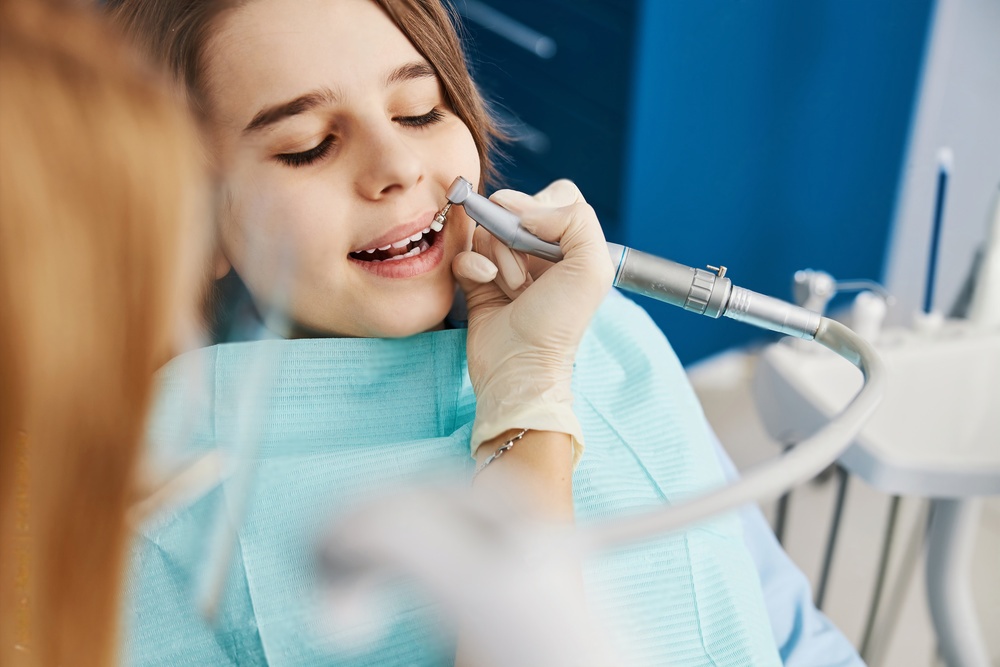
Prophy polishing, short for prophylaxis polishing, is a finishing step performed after scaling during a professional dental cleaning. The clinician uses a slow-speed handpiece fitted with a prophy cup or rubber polisher along with a mildly abrasive prophy paste to buff the enamel surfaces of each tooth.
The paste typically contains pumice or similar abrasive particles suspended in a flavored gel. It comes in several grit levels, from fine to coarse, so the hygienist can match the abrasiveness to the patient's staining level without removing more enamel than necessary.
How the Procedure Works Step by Step
- Scaling: Calculus (tarite) and heavy plaque deposits are removed with hand instruments or an ultrasonic scaler.
- Paste selection: The hygienist chooses a coarse paste for heavy staining or a fine paste for light discoloration.
- Polishing: A rubber prophy cup, loaded with paste, spins at low speed against each tooth surface for a few seconds.
- Rinsing: All residual paste and debris are rinsed away.
- Fluoride application (optional): A fluoride varnish or gel may be applied to strengthen enamel after polishing.
Can Prophy Polishing Actually Whiten Teeth?
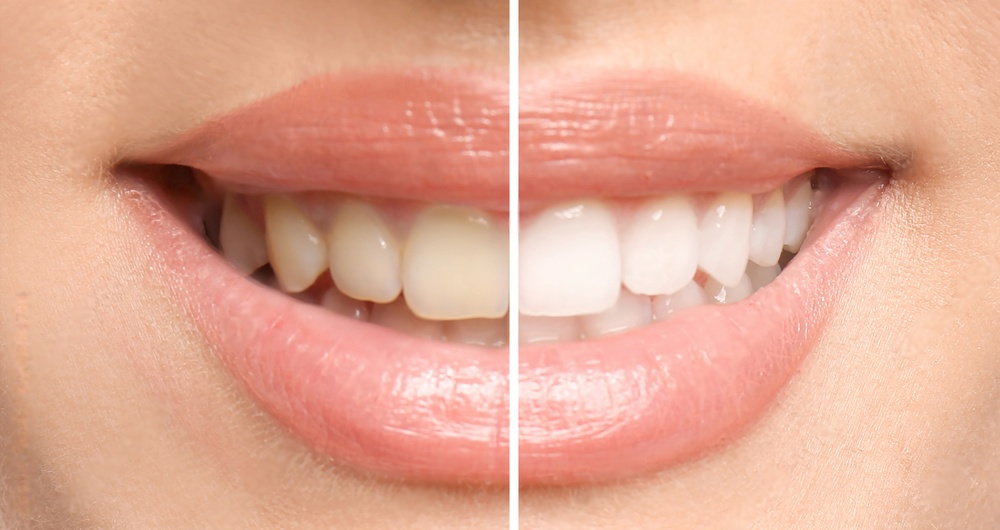
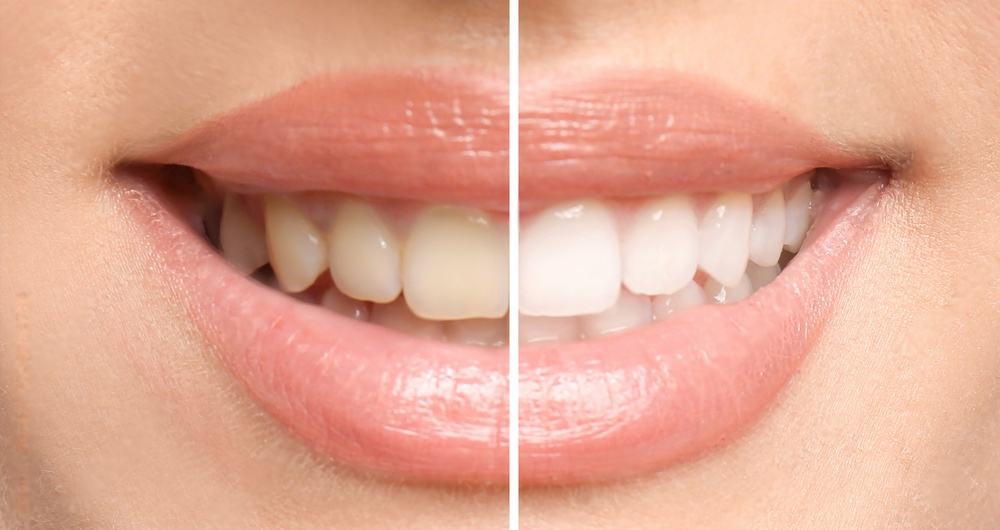
Prophy polishing removes extrinsic stains, which are discolorations that sit on or just below the enamel surface. These stains come from coffee, tea, red wine, tobacco, and certain foods. After polishing, teeth often look noticeably brighter because that stained layer is gone.
However, prophy polishing does not change the intrinsic color of the tooth. Intrinsic discoloration originates inside the dentin or from structural changes in the enamel itself. For intrinsic staining, chemical bleaching with hydrogen peroxide or carbamide peroxide is required.
Extrinsic vs. Intrinsic Stains: Quick Comparison
| Feature | Extrinsic Stains | Intrinsic Stains |
|---|---|---|
| Location | Enamel surface or pellicle layer | Within dentin or enamel structure |
| Common causes | Coffee, tea, tobacco, red wine | Tetracycline, fluorosis, aging, trauma |
| Removed by polishing? | Yes | No |
| Removed by bleaching? | Yes | Partially to fully, depending on severity |
So the honest answer is: prophy polishing can make teeth appear whiter by stripping away surface stains, but it will not change the underlying shade of your enamel. If your teeth look dull mainly because of coffee or tobacco buildup, a professional polish may be all you need. If you are dealing with deeper yellowing, talk to your dentist about bleaching options.
Benefits of Prophy Polishing Beyond Stain Removal
Stain removal gets most of the attention, but prophy polishing offers several other advantages that contribute to long-term oral health.
- Smoother enamel surfaces: Polished enamel is harder for plaque and bacteria to adhere to, which slows down new stain accumulation and tartar formation.
- Better fluoride uptake: A clean, smooth surface absorbs topical fluoride more effectively, strengthening enamel against decay.
- Early detection: Removing plaque and stains gives the clinician a clear view of the tooth structure, making it easier to spot early cavities, cracks, or erosion.
- Patient comfort: Teeth feel noticeably cleaner and smoother after polishing, which encourages patients to maintain their home care routine.
- Gum health: Removing bacteria-laden plaque at the gumline reduces inflammation and supports healthier gingival tissue.
Who Should Get Prophy Polishing?
Prophy polishing is appropriate for most patients during a routine dental cleaning. However, certain groups benefit more than others.
Ideal Candidates
- Patients with visible surface stains from food, drinks, or tobacco
- Patients preparing for cosmetic procedures who need a clean baseline
- Orthodontic patients after bracket removal to clear residual adhesive staining
- Patients who want a fresher feel between whitening treatments
When to Use Caution
- Severe enamel erosion: Polishing thin or demineralized enamel can cause further loss.
- Exposed dentin or cementum: These surfaces are softer and more susceptible to abrasion.
- Acute periodontal infection: Polishing irritated tissue can worsen inflammation. Scaling and treatment should come first.
- Respiratory conditions: The aerosol from the prophy cup may be a concern for patients with asthma or similar conditions. Air polishing alternatives can reduce aerosol production.
Types of Prophy Pastes and Abrasive Levels
Choosing the right paste grit matters. Using a coarser paste than needed strips away more enamel than necessary, while a paste that is too fine may not remove stubborn staining efficiently.
| Grit Level | Abrasive Size | Best For |
|---|---|---|
| Extra coarse | Largest particles | Heavy tobacco or chromogenic stains |
| Coarse | Large particles | Moderate staining from coffee or tea |
| Medium | Mid-range particles | General-purpose cleaning for most patients |
| Fine | Small particles | Light staining, sensitive teeth, pediatric patients |
| Extra fine | Smallest particles | Final finishing, composite and ceramic restorations |
How to Maintain Results Between Appointments
The effects of prophy polishing are temporary if home care habits do not support them. Here are practical steps to keep teeth looking brighter for longer after a professional cleaning.
- Brush twice daily with a soft-bristle toothbrush and fluoride toothpaste.
- Floss or use interdental brushes at least once per day to remove plaque from areas the toothbrush cannot reach.
- Rinse with water after consuming staining beverages like coffee, tea, or red wine.
- Use a straw for dark-colored drinks to minimize contact with front teeth.
- Avoid tobacco products, which cause some of the most stubborn extrinsic stains.
- Schedule regular cleanings every six months, or more frequently if your dentist recommends it.
Prophy Polishing vs. Air Polishing vs. Bleaching
Patients sometimes confuse these three procedures. Here is a brief comparison to help set expectations.
- Prophy polishing: Uses a rubber cup and abrasive paste. Removes surface stains. Does not change intrinsic tooth color.
- Air polishing: Uses a jet of air, water, and fine powder (often glycine or erythritol). Effective for biofilm removal and light staining, especially around orthodontic brackets and implants.
- Professional bleaching: Uses hydrogen peroxide or carbamide peroxide to oxidize pigments inside the enamel and dentin. Changes the actual shade of the tooth.
For many patients, the best approach is a combination: prophy polishing at every cleaning visit to remove extrinsic stains, and professional bleaching once or twice a year if a lighter shade is the goal.
Frequently Asked Questions
Does prophy polishing hurt?
No. Most patients feel only mild vibration and a slightly gritty texture from the paste. If you have sensitive teeth, let your hygienist know so they can use a finer paste and lighter pressure.
How often should I get my teeth polished?
For most people, polishing during each six-month cleaning appointment is sufficient. Heavy coffee drinkers or smokers may benefit from more frequent visits.
Will polishing damage my enamel?
When performed correctly with the appropriate grit, prophy polishing removes only a negligible amount of enamel. Over-polishing or using too-coarse paste repeatedly can thin enamel over time, which is why professional judgment in paste selection matters.
Can I polish my teeth at home?
Whitening toothpastes contain mild abrasives that offer a low-level polishing effect. However, they are not a substitute for professional prophy polishing, which is more thorough and performed under controlled conditions.
Prophy polishing remains one of the simplest, most effective ways to refresh the appearance of your teeth during a routine dental visit. While it will not replace professional bleaching for deep discoloration, it reliably removes surface stains, smooths enamel, and supports healthier gums. Talk to your dental team about adding polishing to your next cleaning, and explore our range of tooth polishing techniques for more insights into keeping your smile at its best.