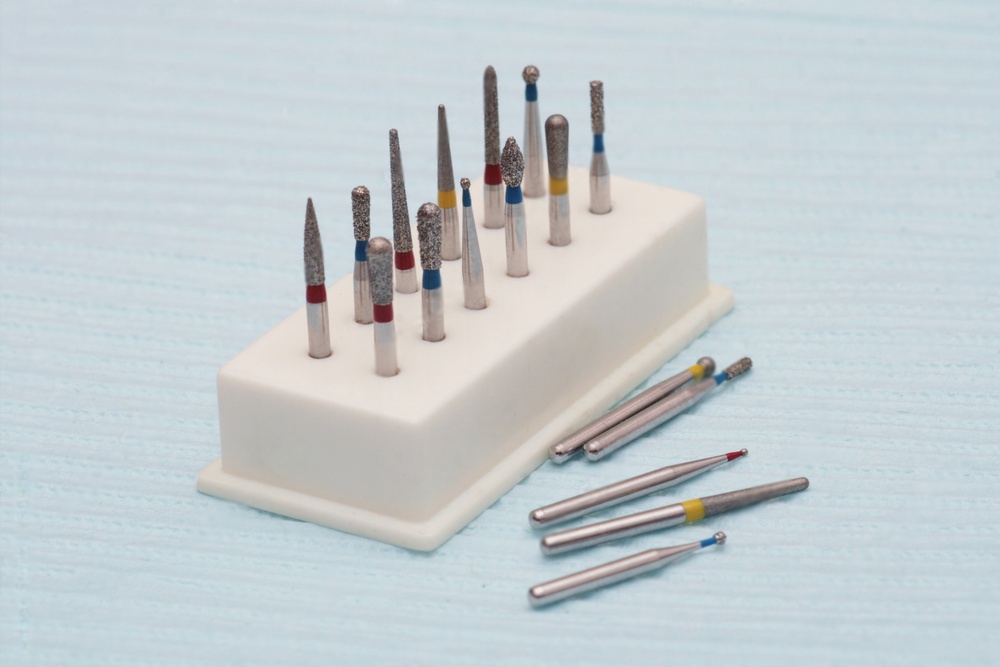
Dental burs endure extreme conditions during every procedure—high rotational speeds, direct contact with hard tooth structure, and constant exposure to blood, saliva, and irrigation water. Without a consistent maintenance and sterilization routine, burs lose cutting efficiency, increase procedural risk, and can become vectors for cross-contamination between patients. A disciplined care protocol protects patients, extends instrument life, and keeps your practice compliant with infection-control standards.
This article covers every critical step of the bur-care cycle: chairside pre-cleaning, ultrasonic processing, sterilization, drying, organized storage, routine inspection, and timely disposal of worn instruments.
Why Bur Maintenance Matters
A dull or debris-clogged bur forces the clinician to apply significantly more pressure during cutting, which generates excess heat and vibration at the preparation site. The consequences cascade quickly.
- Thermal pulp damage – Elevated friction temperatures can cause irreversible pulpitis, especially during deep cavity preparation where the remaining dentin thickness is minimal.
- Reduced cutting precision – Worn flutes on carbide burs and clogged diamond grit produce rough, uneven margins that compromise restoration fit.
- Increased patient discomfort – More pressure means more vibration, noise, and heat transfer to the tooth, raising patient anxiety.
- Higher instrument costs – Neglected burs fail sooner, increasing per-procedure costs over the course of a year.
- Infection control risk – Debris-filled flutes can harbor pathogenic microorganisms that survive incomplete sterilization.
Routine maintenance addresses all five issues simultaneously. A clean, sharp bur cuts faster, cooler, and more accurately than a neglected one.
Step-by-Step Bur Cleaning Protocol
1. Chairside Pre-Cleaning
Immediately after use, remove the bur from the handpiece and place it in an enzymatic pre-soak solution. Allowing blood and debris to dry onto the bur makes subsequent cleaning far more difficult and can permanently clog the diamond grit of diamond dental burs. The enzymatic solution begins breaking down proteins on contact, significantly improving the effectiveness of the ultrasonic step that follows.
Keep a covered container of fresh enzymatic solution chairside so that burs can be immersed within seconds of removal. Replace this solution at least every two hours during active sessions or whenever it becomes visibly cloudy.
2. Ultrasonic Cleaning
Transfer pre-soaked burs to an ultrasonic cleaner filled with enzymatic detergent. Run the cycle for the manufacturer-recommended duration, typically five to fifteen minutes. Ultrasonic cavitation generates millions of microscopic bubbles that implode against instrument surfaces, dislodging debris from flutes, cross-cuts, and diamond interstices that manual scrubbing cannot reach.
Follow these tips for optimal ultrasonic cleaning:
- Place burs in a dedicated perforated basket or cassette—never loose on the tank floor.
- Do not overload the tank; overcrowding reduces cavitation effectiveness.
- Change the solution at least once per day or when visibly contaminated.
- After the cycle, rinse burs thoroughly under running water for at least thirty seconds to remove residual detergent.
3. Manual Scrubbing When Needed
If visible debris remains after ultrasonic processing, gently scrub the bur with a brass-bristle brush under running water. Brass bristles are soft enough to avoid damaging tungsten carbide flutes or diamond coatings. For stubborn buildup on diamond instruments, refer to our detailed guide on cleaning diamond dental burs.
Always wear heavy-duty utility gloves and use a long-handled brush to minimize sharps injury risk. Point the bur away from your body and work under running water to contain splashing.
Sterilization Methods for Dental Burs
Steam Autoclave — The Preferred Method
Steam autoclaving remains the gold standard for dental bur sterilization. The combination of saturated steam, elevated temperature, and sustained pressure destroys all forms of microbial life, including resistant bacterial endospores. The two most common autoclave cycles are summarized below.
| Parameter | Gravity Cycle | Pre-Vacuum Cycle |
|---|---|---|
| Temperature | 121 degrees C (250 degrees F) | 132 degrees C (270 degrees F) |
| Operating pressure | 15 psi | 27 to 30 psi |
| Minimum exposure time | 30 minutes | 4 minutes |
| Recommended drying time | 15 to 30 minutes | 20 to 30 minutes |
Verify sterilization with biological spore tests at least weekly. Place chemical integrator strips in every load to confirm that critical parameters were met. Document all results in a sterilization log for regulatory compliance.
Chemical Vapor Sterilization
Chemical vapor sterilizers use a mixture of formaldehyde, alcohol, and water heated to 132 degrees Celsius under pressure. This method produces less corrosion on carbon-steel burs than steam autoclaving because the moisture level is lower. However, it requires adequate ventilation and strict chemical handling protocols.
Dry Heat Sterilization
Dry heat ovens operate at 160 to 170 degrees Celsius for sixty to one hundred twenty minutes. While effective, the long cycle duration and high temperatures can degrade certain bur coatings over repeated cycles. Dry heat is best reserved as a backup when steam or chemical vapor equipment is unavailable.
Drying and Storage Protocols
Proper post-sterilization handling is just as critical as the sterilization step itself. Contamination can occur at any point if instruments are handled improperly.
- Allow complete drying before removal. Do not open the autoclave until the drying phase has fully completed. Residual moisture promotes corrosion, particularly on tungsten carbide instruments.
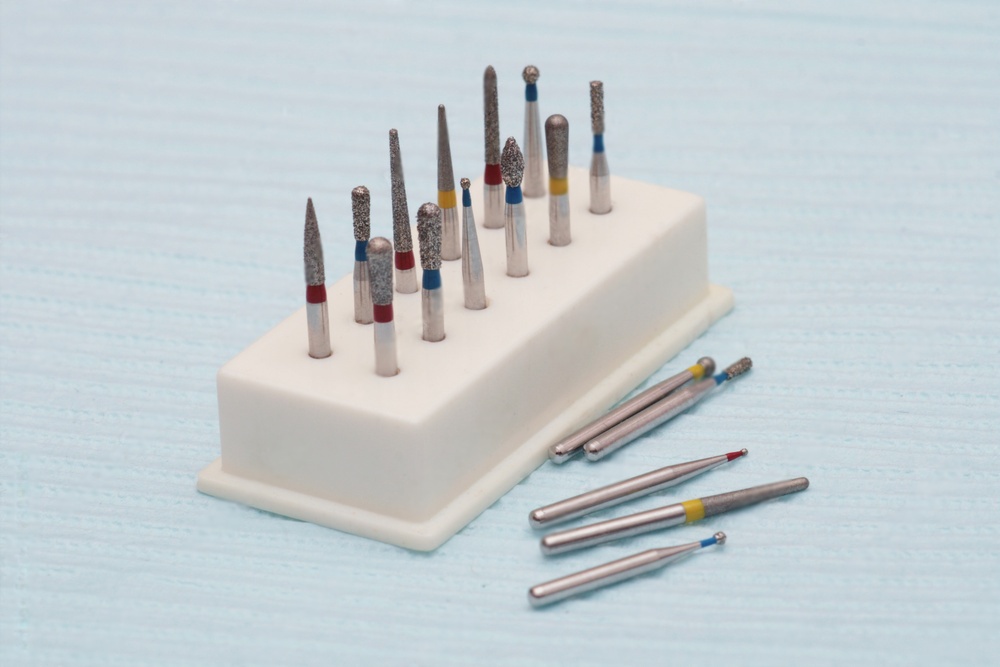
- Use bur blocks or cassettes. Organized storage prevents burs from contacting each other, which dulls cutting edges and chips diamond coatings.
- Store in a clean, dry environment. Keep bur blocks in closed drawers or cabinets away from aerosol contamination zones.
- Handle with gloved hands or forceps. Bare-hand contact immediately recontaminates sterilized instruments.
- Maintain clear date labeling. Apply sterilization dates to pouches and cassettes so staff can verify shelf-life compliance before use.
When to Replace Dental Burs
Even with optimal care, every dental bur has a finite service life. Replace a bur promptly when you observe any of the following during routine inspection.
- Visible surface wear – Rounded flute edges on carbide burs or bare metal patches on diamond burs where the coating has worn away.
- Reduced cutting efficiency – The bur requires noticeably more pressure or time to cut the same material it previously handled easily.
- Corrosion or discoloration – Rust spots, pitting, or staining that does not resolve after proper cleaning indicates material degradation.
- Wobble or excessive vibration – A bent or worn shank causes runout, damaging both the handpiece and the preparation. Our article on handpiece problems covers how to diagnose runout issues.
- Manufacturer usage limits reached – Some single-patient-use burs are not designed for reprocessing. Always follow manufacturer instructions.
Single-Use Versus Multi-Use Burs
Single-use burs guarantee a fresh cutting surface for every patient and eliminate reprocessing labor entirely. Multi-use burs reduce per-unit cost but demand rigorous cleaning, sterilization, and inspection protocols. Whichever approach your practice adopts, document the protocol clearly and train every team member to follow it consistently.
Common Maintenance Mistakes to Avoid
- Skipping the pre-soak step. Dried biological debris is dramatically harder to remove and can harbor viable pathogens that survive incomplete sterilization.
- Using steel-bristle brushes. Hard bristles scratch instrument surfaces and damage diamond coatings. Use brass or nylon bristles instead.
- Overloading the autoclave. Tightly packed loads prevent steam penetration, creating cold spots where sterilization fails.
- Storing instruments while damp. Trapped moisture leads to corrosion and compromises sterility.
- Relying solely on chemical indicators. Chemical strips confirm heat exposure but do not verify sterility. Only biological spore tests confirm the autoclave is functioning correctly.
Building a Sustainable Bur-Care Routine
Consistency is the foundation of effective instrument reprocessing. Consider designating one team member per shift as the sterilization lead, responsible for verifying that every step from pre-soak through storage is completed and documented. Maintain a sterilization log recording cycle parameters, indicator results, and equipment maintenance dates.
When every member of the dental team treats bur maintenance as a non-negotiable clinical standard rather than an afterthought, the entire practice benefits: sharper instruments, safer patients, longer bur life, lower replacement costs, and full regulatory compliance with infection control requirements.