Dental Prophylaxis Myths: What Patients Get Wrong
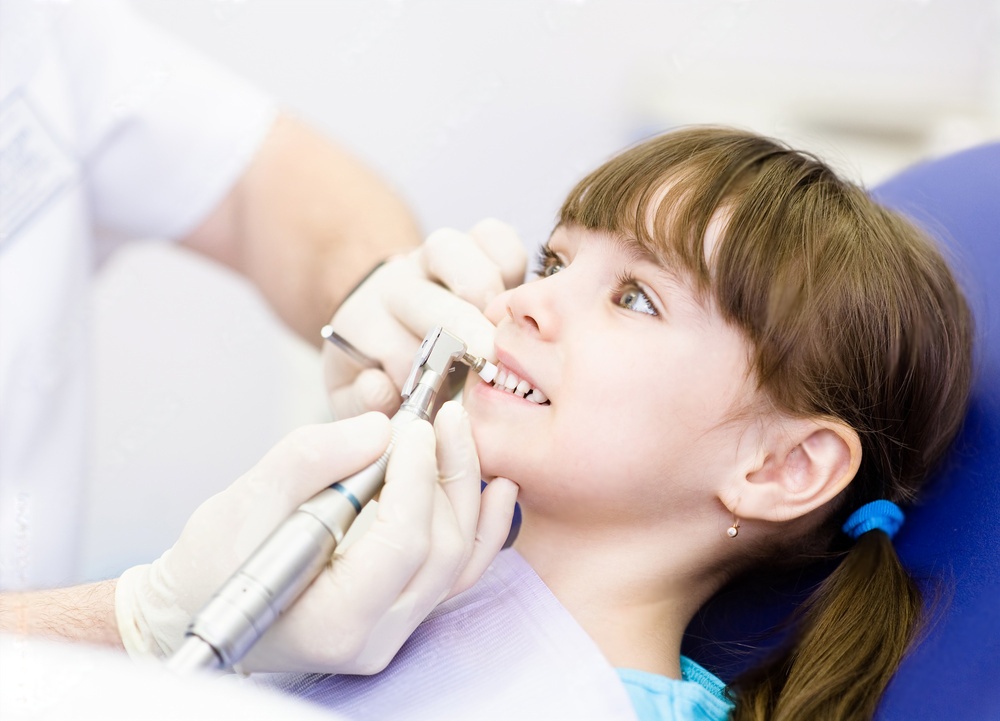
Dental prophylaxis is the clinical term for a professional teeth cleaning. It is one of the most common procedures performed in dental offices worldwide, yet misinformation about it persists. Some patients skip their cleaning appointments because they believe myths they heard from friends or read online. Others avoid the dentist out of fear based on outdated information.
This article breaks down the most widespread dental prophylaxis myths, explains the facts behind each one and covers what actually happens during a cleaning appointment so you can walk into your next visit with confidence.
What Happens During a Prophylaxis Appointment
Before addressing the myths, it helps to understand the procedure itself. A standard prophylaxis appointment follows a predictable sequence:
- Oral examination. The hygienist or dentist checks for visible signs of gum disease, cavities and other abnormalities.
- Scaling. Using an ultrasonic scaler and hand instruments, the clinician removes plaque and calculus (tarite) from tooth surfaces above and below the gum line.
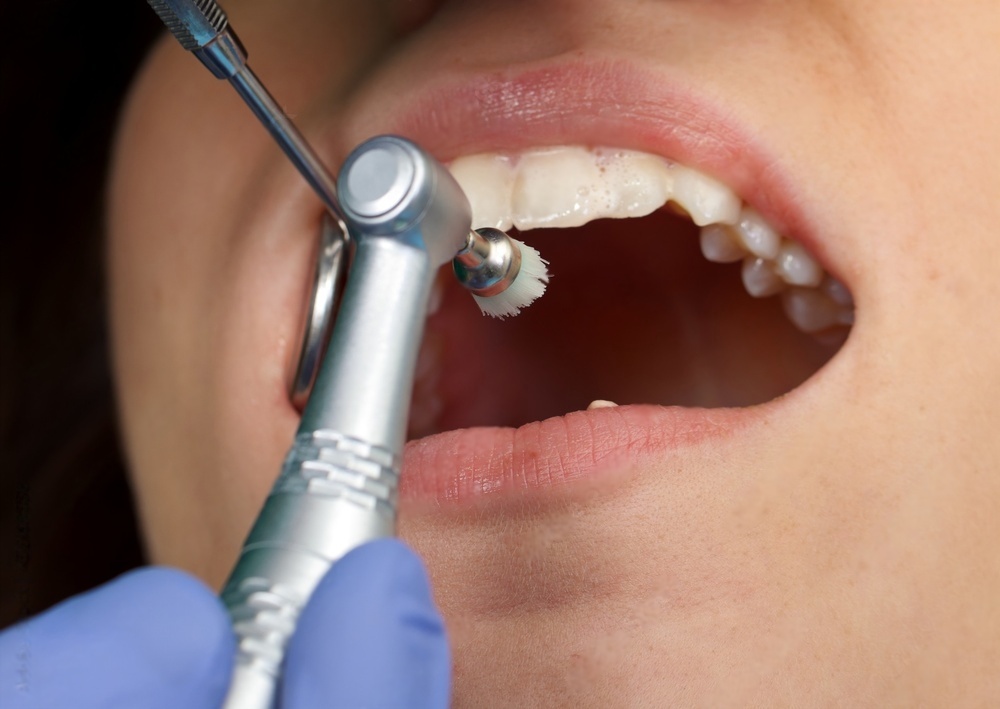
- Polishing. A slow-speed handpiece fitted with a silicone rubber polisher or prophy cup buffs away surface stains and smooths the enamel. This step also makes it harder for new plaque to adhere.
- Flossing. The clinician flosses between every contact point to remove residual paste and check for bleeding.
- Fluoride application (optional). A fluoride varnish or gel may be applied to strengthen enamel and reduce sensitivity.
The entire visit usually takes 30 to 60 minutes, depending on the amount of buildup present.
Myth 1: Dental Prophylaxis Is Painful
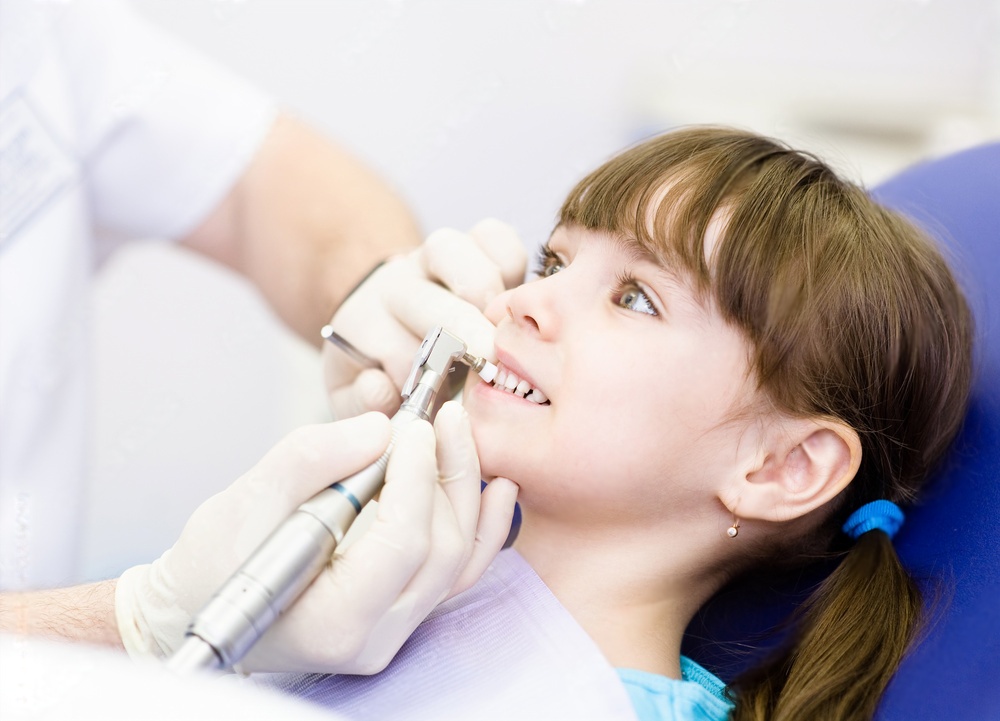
This is the number one reason patients postpone their cleaning. The reality is that a routine prophylaxis appointment is not painful for most people. You may feel slight pressure or mild vibration from the ultrasonic scaler, and there can be brief moments of sensitivity when the instrument contacts areas near the gum line, but actual pain is uncommon.
If you have inflamed gums or a significant amount of calculus buildup, the cleaning might cause some discomfort. In those cases, your hygienist can apply a topical numbing gel before starting. Patients who experience anxiety can also request nitrous oxide sedation at many practices.
The irony is that avoiding cleanings because of perceived pain leads to more buildup, which makes the next cleaning more difficult and more likely to cause discomfort. Keeping a regular schedule is the best way to ensure each appointment stays comfortable.
Myth 2: You Only Need Prophylaxis If You Have Dental Problems
Some patients believe that if their teeth look fine and nothing hurts, there is no reason to visit the dentist for a cleaning. This is a dangerous assumption. Many oral health conditions, including early-stage gum disease (gingivitis) and small cavities, produce no symptoms at all until they reach an advanced stage.
Prophylaxis is a preventive procedure, not a reactive one. Its purpose is to remove plaque and tartar before they cause problems, not after. Think of it the same way you think about changing the oil in your car. You do not wait until the engine seizes before scheduling maintenance.
Regular prophylaxis appointments also give your dentist an opportunity to screen for oral cancer, check existing restorations and catch issues early when treatment is simpler and less expensive.
Myth 3: Prophylaxis Is Too Expensive
Cost concerns are understandable, but this myth falls apart when you compare the price of prevention to the price of treatment. A routine prophylaxis typically costs between $75 and $200, depending on your location and provider. Most dental insurance plans cover two prophylaxis visits per year at 100 percent under preventive care.
Now compare that to the cost of treating the problems that arise from skipping cleanings:
| Condition | Typical Treatment | Approximate Cost |
|---|---|---|
| Gingivitis (early gum disease) | Scaling and root planing (deep cleaning) | $150 - $350 per quadrant |
| Periodontitis (advanced gum disease) | Periodontal surgery | $500 - $10,000+ |
| Cavity (moderate) | Composite filling | $150 - $400 |
| Tooth loss from untreated decay | Dental implant | $3,000 - $6,000 |
Spending $150 twice a year on cleanings is far more affordable than paying thousands for restorative work that could have been avoided.
Myth 4: Good Brushing and Flossing Make Prophylaxis Unnecessary
Brushing and flossing are the foundation of oral hygiene, and every dentist encourages patients to do both daily. However, even the most diligent home care routine cannot remove all plaque. Plaque that remains on tooth surfaces for more than 24 to 48 hours begins to mineralise into calculus, also called tartar. Once calculus forms, it bonds to the tooth so firmly that no toothbrush or piece of floss can remove it. Only professional scaling instruments can break it free.
There are also areas that toothbrush bristles and floss simply cannot reach effectively, including the deep pockets between teeth and gums and the surfaces of teeth that sit very close together. Professional cleaning addresses these blind spots.
Myth 5: Prophylaxis Damages Your Enamel
A common fear is that the scraping and polishing involved in a cleaning will wear down tooth enamel. In practice, the amount of enamel removed during a standard prophylaxis is negligible. Ultrasonic scalers target calculus deposits, not healthy enamel. Polishing paste is mildly abrasive, similar to toothpaste, and the rubber cup rotates at a speed designed to buff rather than abrade.
Studies published in peer-reviewed dental journals have consistently found that twice-yearly prophylaxis does not cause clinically significant enamel loss over a patient's lifetime. The risk of damage from not cleaning, which includes cavities, gum recession and bone loss, far outweighs any theoretical risk from the cleaning instruments themselves.
Myth 6: Bleeding Gums During Cleaning Means Something Is Wrong
Many patients panic when their gums bleed during a prophylaxis appointment. While bleeding is not something to ignore, it usually indicates that inflammation is already present, most often from plaque and calculus that have been sitting along the gum line. The cleaning is not causing the problem; it is revealing it.
Healthy gums should not bleed during gentle probing or cleaning. If yours do, it is a sign that you need more frequent prophylaxis visits, not fewer. Once the inflammation is addressed through professional cleaning and improved home care, the bleeding typically stops within a few weeks.
How Often Should You Get a Prophylaxis?
The standard recommendation is twice a year, or once every six months. This schedule works well for most adults with healthy gums and a low risk of periodontal disease. However, some patients benefit from more frequent cleanings:
- Patients with a history of gum disease may need cleanings every three to four months to keep the condition under control.
- Smokers tend to accumulate more tartar and are at higher risk for periodontal disease, so more frequent visits help.
- Diabetic patients have a higher susceptibility to gum infections and often benefit from a three-month cleaning cycle.
- Pregnant women experience hormonal changes that can make gums more prone to inflammation, so an extra cleaning during pregnancy is often recommended.
Your dentist will recommend a schedule based on your individual risk factors.
What You Can Do Between Appointments
Professional cleanings work best when combined with solid daily habits. Here are practical steps that keep your teeth in good shape between visits:
- Brush twice a day for at least two minutes using a fluoride toothpaste
- Floss once a day, making sure to curve the floss around each tooth in a C shape
- Use an antimicrobial mouthwash if your dentist recommends it
- Limit sugary and acidic foods that feed plaque-forming bacteria
- Replace your toothbrush every three months or when the bristles begin to fray
- Drink water throughout the day to rinse away food particles
For dental professionals looking to improve the patient experience during prophylaxis, the choice of polishing instruments makes a real difference. Read our article on the benefits of using a prophy polisher for a detailed comparison of available tools. If you are also interested in how prophylaxis fits into the broader picture of preventive care, our post on dental prophylaxis and gum disease prevention goes deeper into the clinical evidence.
The Bottom Line
Dental prophylaxis is safe, affordable and one of the most effective ways to protect your oral health over the long term. The myths surrounding it, that it is painful, unnecessary or damaging, do not hold up against the evidence. If it has been more than six months since your last cleaning, now is a good time to schedule an appointment. Your teeth and gums will thank you.