The Art and Science of Building a Dental Bur Collection
Every dental professional develops a relationship with their tools over years of practice. Among these instruments, dental burs occupy a special place - these precision rotary cutting instruments come in hundreds of variations, each designed for specific clinical applications. What starts as a basic set of burs often grows into an extensive collection as practitioners discover new techniques and procedures.
Understanding the different types of burs, their applications, and how to organize them effectively can improve clinical efficiency and patient outcomes. This guide explores dental bur varieties and provides practical strategies for managing your bur inventory.
Understanding Dental Bur Categories
Dental burs fall into two primary categories based on their cutting surface material: diamond burs and carbide burs. Each type serves distinct purposes in clinical practice.
Diamond Burs
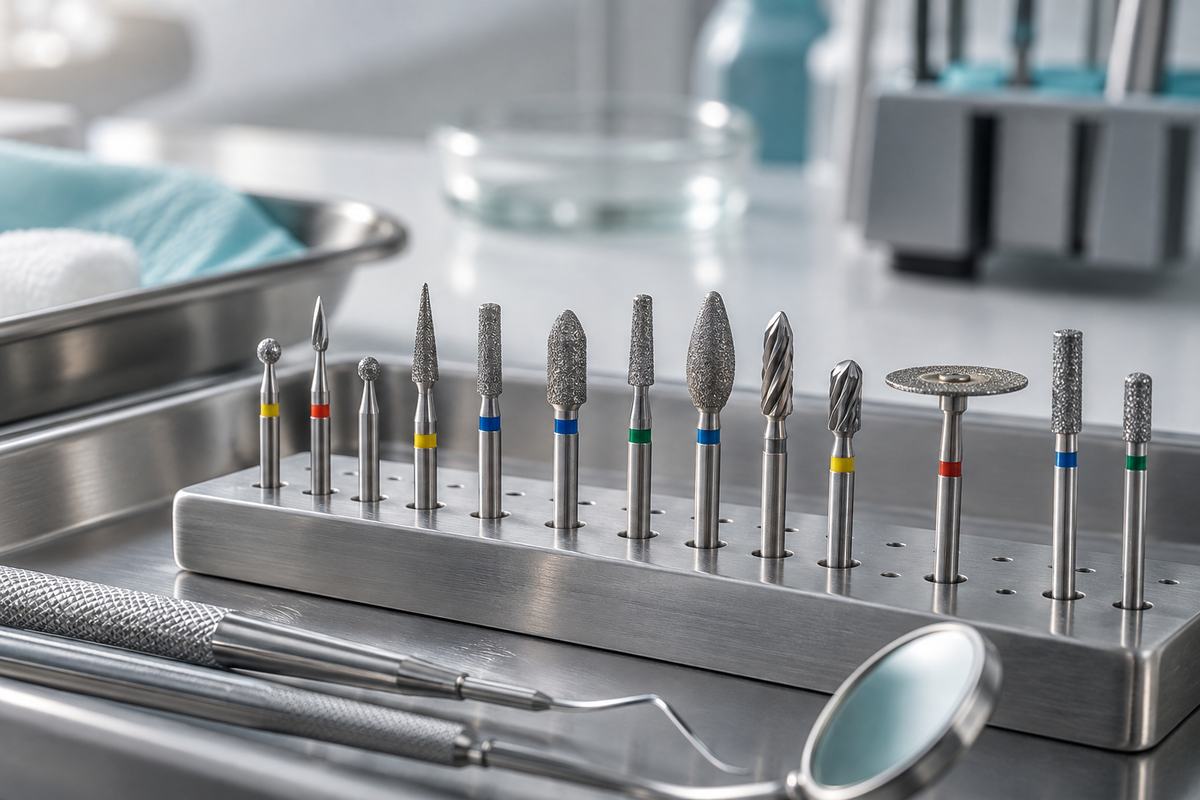
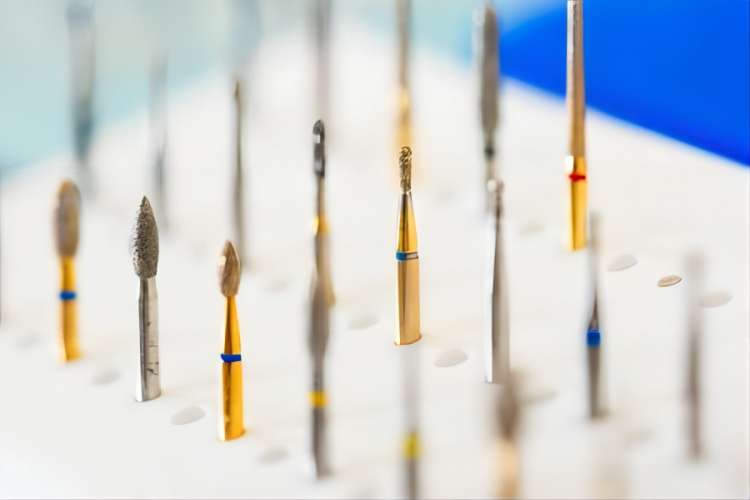
Diamond burs feature diamond particles bonded to a metal shank. The grit size determines their aggressiveness and finish quality:
- Super coarse (black ring) - Rapid tissue reduction, crown preparation
- Coarse (green ring) - Efficient cutting with moderate finish
- Medium (blue ring) - General preparation work
- Fine (red ring) - Finishing and refining preparations
- Super fine (yellow ring) - Final polishing and detail work
Professional practices typically stock multiple grit levels of commonly used shapes. Quality diamond burs maintain their cutting efficiency through multiple sterilization cycles when properly maintained.
Tungsten Carbide Burs
Tungsten carbide burs use hardened steel blades and excel at cutting tooth structure and removing old restorations. The blade configuration affects cutting characteristics:
- Plain cut - Smooth finish, less aggressive cutting
- Cross cut - More efficient cutting, slightly rougher finish
- Finishing burs - Fine blade patterns for smooth surfaces
Carbide burs can be resharpened and often last longer than diamond burs for certain applications. They produce less heat during cutting and provide better tactile feedback.
Specialized Bur Types Worth Collecting
Beyond basic diamond and carbide burs, several specialized types deserve consideration for specific procedures:
| Bur Type | Primary Application | Key Benefits |
|---|---|---|
| Surgical burs | Bone reduction, implant site preparation | Longer shanks, aggressive cutting patterns |
| Finishing diamonds | Margin refinement, surface smoothing | Creates smooth surfaces ready for impressions |
| Transmetal burs | Cutting through metal restorations | Designed to handle harder materials |
| Ceramic trimmer burs | Adjusting all-ceramic restorations | Prevents chipping of delicate materials |
| Endo access burs | Creating endodontic access | Non-cutting tips prevent perforation |
Building a collection of these specialized burs allows you to handle a wider range of clinical situations efficiently. Surgical burs and ceramic trimmers represent worthwhile investments for practices performing advanced procedures.
The Hunt for Quality Burs
Not all dental burs perform equally. Quality variations exist between manufacturers and even between production batches. Experienced practitioners develop preferences based on:
- Cutting efficiency - How quickly the bur removes material
- Longevity - Number of uses before performance degrades
- Consistency - Uniformity between burs of the same specification
- Shank quality - Resistance to bending or breaking
- Diamond retention - How well particles stay bonded
Testing burs from different manufacturers helps you identify the best options for your specific needs. Many practitioners maintain notes on bur performance to guide future purchasing decisions.
Organizing Your Bur Collection
An organized bur system saves chair time and reduces frustration. Effective organization considers both storage and point-of-use access.
Storage Systems
Several storage options accommodate different practice workflows:
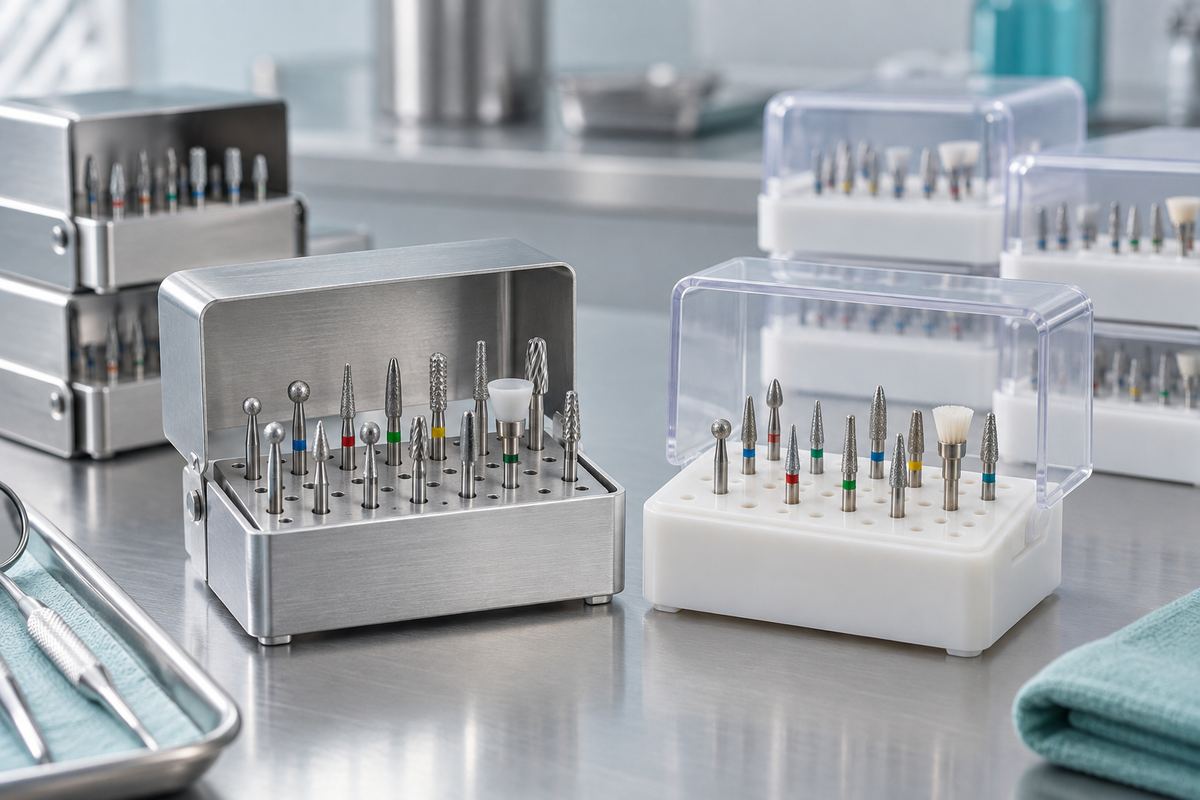
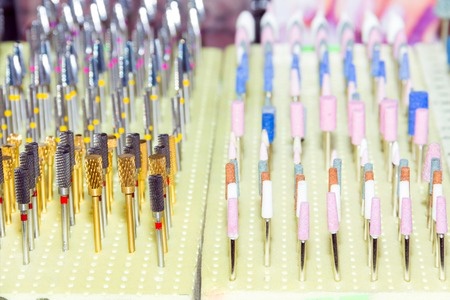
- Bur blocks - Color-coded blocks organize burs by type and size. Autoclavable blocks allow sterilization of entire sets.
- Drawer organizers - Divider systems keep burs separated by category within cabinetry.
- Procedure kits - Pre-assembled sets contain all burs needed for specific procedures.
- Wall-mounted systems - Vertical storage maximizes space while keeping burs visible.
Most practices combine multiple systems - procedure kits for common treatments, with additional burs organized in blocks or drawers.
Classification Methods
Organizing burs requires a logical classification system. Common approaches include:
By shape and size - Group rounds together, tapers together, etc. Within each shape category, arrange by increasing size.
By material - Separate diamond burs from carbide burs, then subdivide by grit or blade pattern.
By clinical application - Create categories like crown prep, composite finishing, endodontic, etc.
By manufacturer - Keep different brands separate to track performance differences.
The best system matches your clinical workflow. Some practitioners use hybrid approaches, organizing frequently used burs by procedure while storing specialty burs by type.
Inventory Management Strategies
Maintaining an adequate bur supply without overstocking requires attention to usage patterns:
- Track consumption - Note which burs need replacement most frequently
- Set par levels - Establish minimum quantities for each bur type
- Schedule regular audits - Check inventory monthly or quarterly
- Identify slow movers - Discontinue stocking rarely used burs
- Standardize selections - Limit shape and size variations to reduce complexity
Digital inventory systems or simple spreadsheets help track bur usage over time. This data informs purchasing decisions and prevents both stockouts and excess inventory.
When to Retire Burs
Knowing when to discard worn burs improves clinical outcomes and efficiency. Replace burs when you notice:
- Decreased cutting speed requiring increased pressure
- Chattering or vibration during use
- Visible wear on diamond coating or carbide blades
- Bent or damaged shanks
- Heat generation increasing during normal use
Some practitioners establish use limits - discarding burs after a set number of sterilization cycles regardless of apparent condition. This approach provides consistent performance but may waste burs with remaining useful life.
For more information on extending bur lifespan, see our guide on caring for your dental burs.
Building Procedure-Specific Kits
Pre-assembled bur kits for common procedures increase efficiency and reduce setup time. Consider creating dedicated kits for:
- Crown and bridge preparations
- Composite placement and finishing
- Endodontic access and refinement
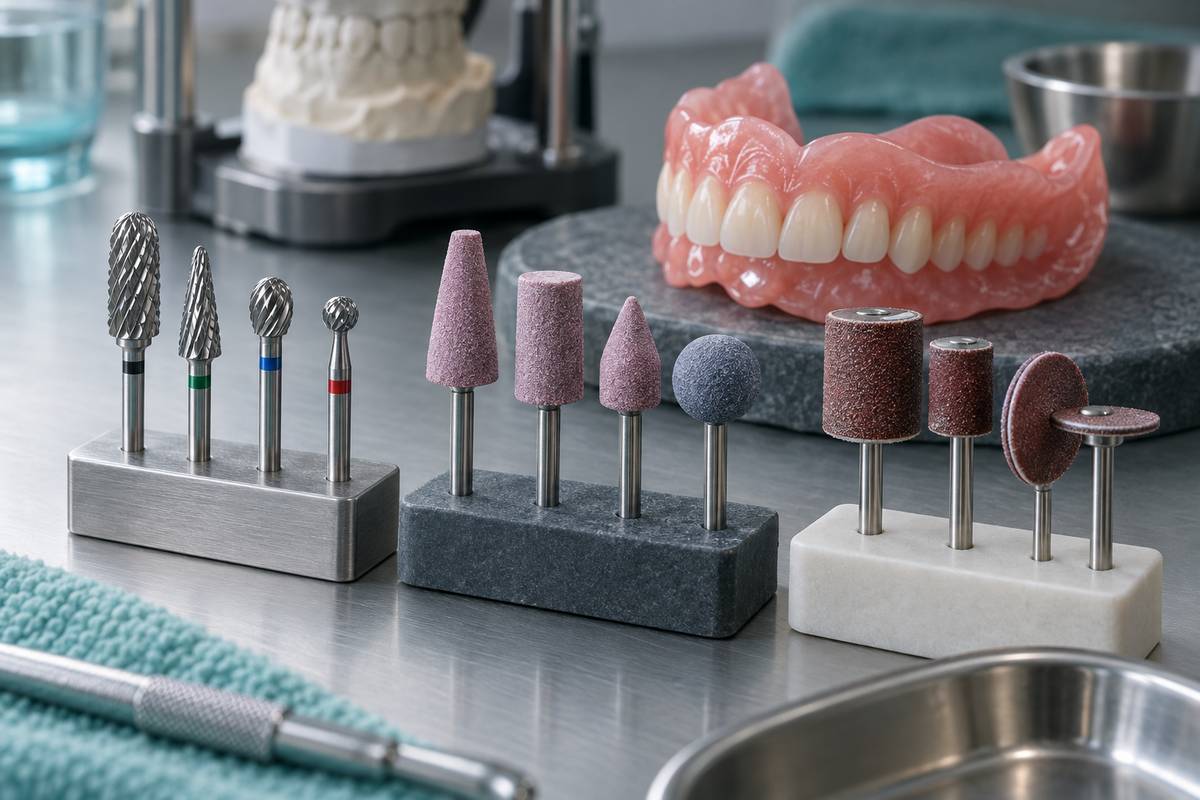
- Denture adjustments
- Implant procedures
Each kit should contain all burs needed to complete the procedure from start to finish. Pre-configured clinical kits provide a starting point that you can customize based on your techniques.
Laboratory Bur Collections
Dental laboratory technicians require different bur collections than clinical practitioners. Lab work emphasizes finishing, polishing, and working with restorative materials rather than tooth structure.
Essential laboratory burs include:
- Acrylic trimming and finishing burs
- Metal finishing burs for framework adjustments
- Ceramic adjustment burs for all-ceramic restorations
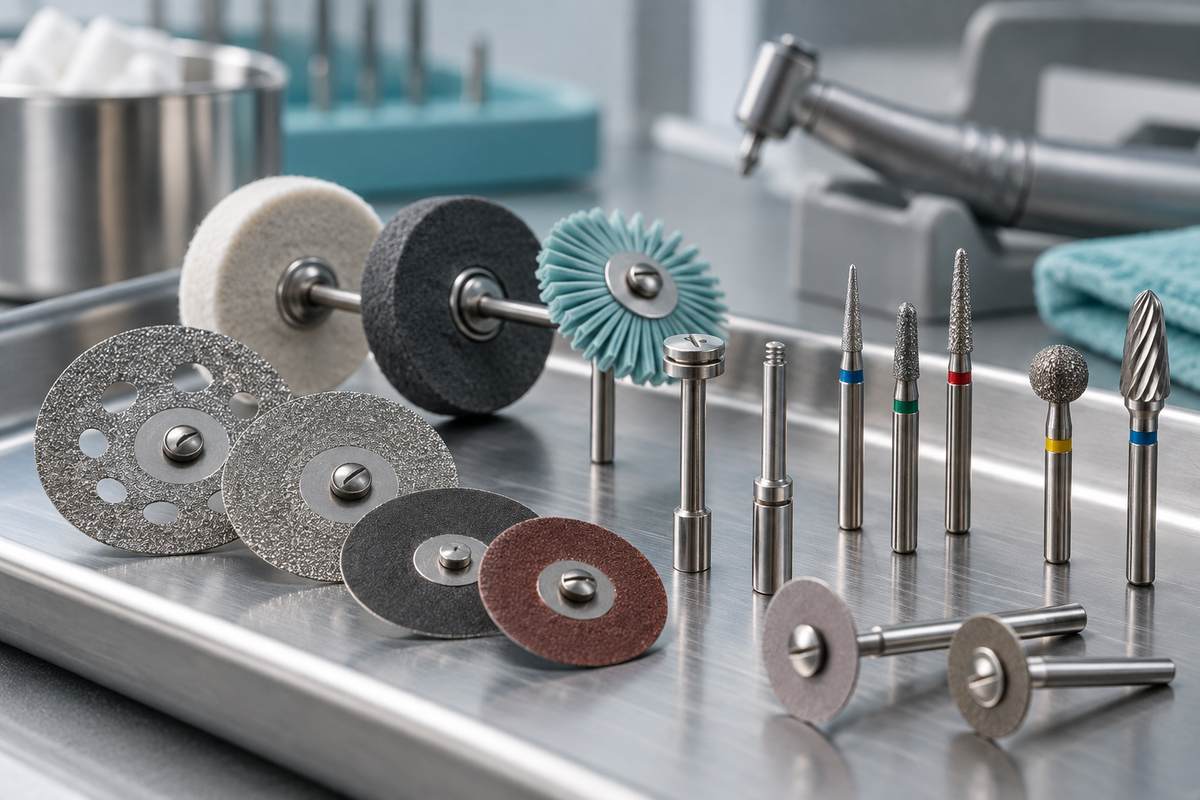
- Polishing points and wheels
Laboratory professionals often work with CAD/CAM milling burs for digital workflow applications. These specialized tools require careful organization to track wear and maintain consistent milling quality.
Learn more about laboratory bur selection in our article on tungsten carbide burs for dental laboratories.
Sharing Your Bur Knowledge
The dental community benefits when experienced practitioners share their insights about bur selection and organization. Consider documenting:
- Which burs you use for specific procedures
- Performance comparisons between brands
- Organization systems that work well in practice
- Tips for extending bur life
Many practices develop internal protocols documenting preferred burs for each procedure. These protocols help train new team members and ensure consistency across practitioners.
Common Bur Organization Mistakes
Even experienced practitioners sometimes develop inefficient organization habits. Recognizing and correcting these common mistakes improves workflow.
Overstocking Rarely Used Burs
Maintaining large inventories of burs you use infrequently ties up capital and storage space. Review your actual usage patterns and reduce stock levels for low-turnover items. Order specialty burs as needed rather than keeping them on hand indefinitely.
Mixing Dull and Sharp Burs
Some practices place used burs back in storage without marking them or tracking usage. This leads to grabbing dull burs during procedures, causing delays and frustration. Implement a system to identify or separate burs approaching retirement.
Inconsistent Naming or Numbering
When different team members use different terminology for the same burs, communication breaks down. Standardize on ISO numbering or manufacturer codes and ensure everyone uses consistent terminology.
Inadequate Sterilization Tracking
Without proper tracking, you cannot determine how many cycles each bur has undergone. This makes it impossible to retire burs at appropriate intervals. Use dated containers or digital tracking to monitor sterilization history.
Digital Tools for Bur Management
Modern practice management software can simplify bur inventory tracking. Digital solutions offer several advantages over manual systems:
- Automated reorder alerts when inventory reaches minimum levels
- Usage tracking to identify consumption patterns
- Cost analysis showing spending by bur type
- Integration with supplier catalogs for easy ordering
- Historical data to optimize stock levels
While setting up digital inventory requires initial time investment, the long-term efficiency gains justify the effort for practices using significant bur volumes.
Teaching Bur Organization to New Team Members
When bringing new staff into your practice, clear documentation of your bur organization system accelerates their learning curve. Create reference materials showing:
- Photos of your storage system with labels
- List of burs stocked for each procedure type
- Sterilization and replacement protocols
- Ordering procedures and approved suppliers
- Quality standards for bur performance
Well-documented systems reduce errors and ensure consistency regardless of which team member handles bur-related tasks.
Conclusion
What begins as a functional collection of cutting tools can evolve into a carefully curated inventory that reflects your clinical philosophy and technique preferences. Understanding bur types, materials, and applications allows you to build a collection that supports efficient, high-quality dentistry.
Effective organization systems save time, reduce frustration, and ensure you always have the right tool available when needed. Whether you maintain a minimal set of versatile burs or an extensive collection covering every clinical scenario, the key is developing a system that works for your specific practice patterns.
The precision and variety of modern dental burs represent decades of engineering refinement. Taking time to appreciate these instruments - and organize them thoughtfully - ultimately benefits both you and your patients.