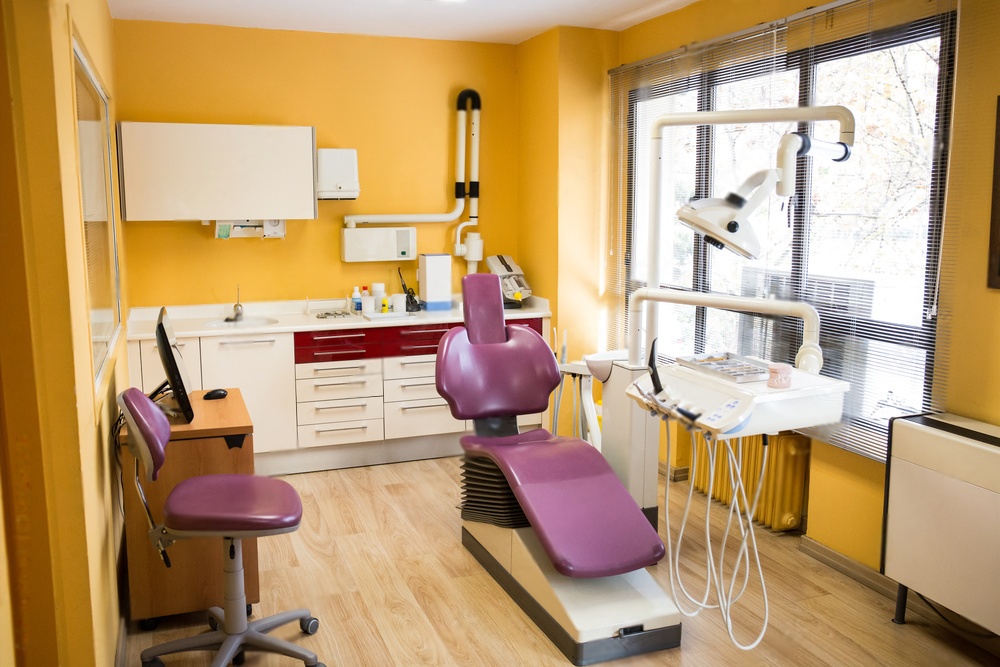
Dental Cabinetry Trends That Refresh Your Practice
Dental cabinetry has moved well beyond standard white laminate boxes. Practices across the country are rethinking their interiors, choosing cabinets that look sharp while still supporting clinical workflow. Whether you are building a new office or updating an existing one, understanding the current trends in dental cabinet design will help you make informed decisions that patients and staff both appreciate.
Below we cover the most popular directions in cabinet color, finish, hardware, and layout for 2024 and beyond.
Bold and Intentional Paint Colors
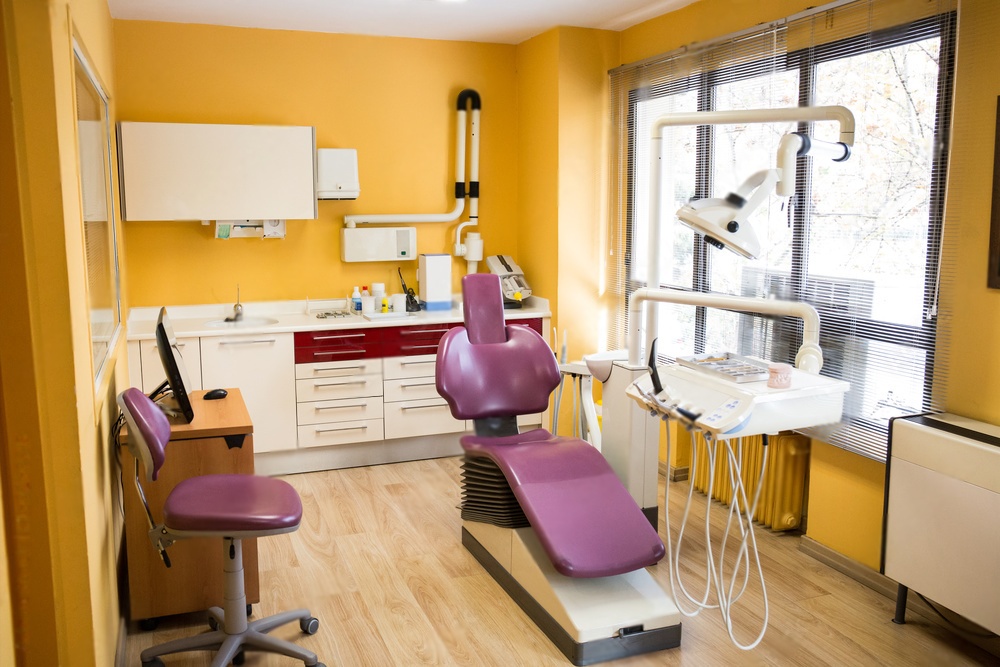
Neutral tones still have their place, but more dental offices are introducing color with purpose. Deep navy, forest green, and warm terracotta are showing up on lower cabinets while upper units stay light. This two-tone approach creates visual interest without overwhelming the room.
Color psychology matters in a clinical setting. Soft blues and greens promote calm, which can ease patient anxiety. Warm earth tones make reception and consultation areas feel welcoming. The key is to pick one or two accent colors and apply them consistently throughout the space.
When choosing paint, look for finishes rated for healthcare environments. These coatings resist moisture, staining, and repeated cleaning with hospital-grade disinfectants. Matte and satin sheens hide fingerprints better than gloss.
Natural Wood Finishes and Textures
Wood-grain cabinetry brings warmth that painted surfaces cannot match. Light oak and blonde maple remain popular for their airy, Scandinavian feel, while walnut and dark ash add a more traditional richness.
Engineered wood veneers now replicate natural grain patterns so closely that many dentists choose them over solid wood for their moisture resistance and lower cost. Thermally fused laminates (TFL) and high-pressure laminates (HPL) offer similar aesthetics with better durability in wet operatory environments.
Mixing a wood-tone base cabinet with a painted upper cabinet is one of the most requested combinations in dental office design right now. It breaks up visual monotony and gives the space a residential, comfortable quality that patients notice.
Matte Metallic Hardware and Accents
Cabinet handles, pulls, and hinges are small details that make a big difference. Brushed nickel, matte black, and satin brass are the three most popular hardware finishes in dental offices today.
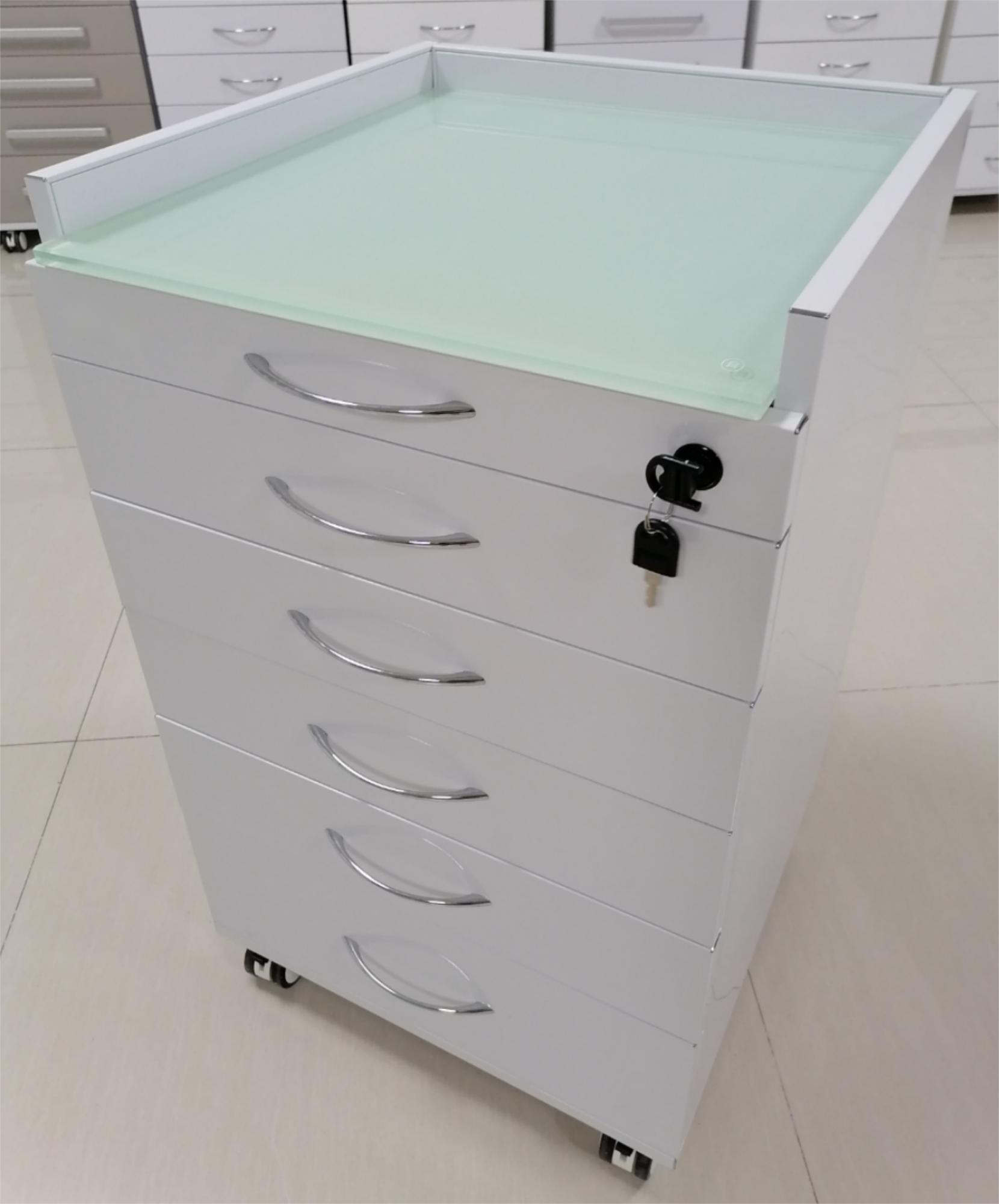
Matte finishes reduce glare under operatory lighting, which is both a practical and aesthetic advantage. Integrated (handle-less) cabinet fronts are another growing option. Push-to-open mechanisms keep surfaces smooth and simplify cleaning.
If your cabinets feature glass-front doors, choose hardware that complements the frame finish. Consistency across handles, hinges, and frame edges ties the entire room together.
Glass-Front Cabinets and Display Lighting
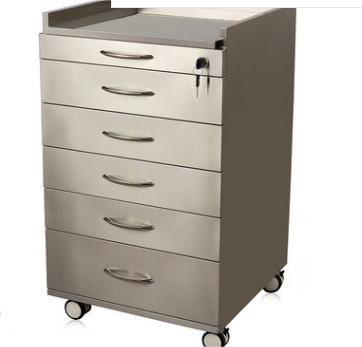
Frameless glass doors are appearing in more dental operatories and sterilization areas. They allow staff to locate supplies at a glance without opening every door, which saves time during procedures.
Tempered or frosted glass options let you control visibility. Clear glass works well for color-coded instrument trays and organized supply stations. Frosted glass hides clutter while still letting light through.
Integrated LED strip lighting inside glass-front cabinets serves a dual purpose. It improves inventory visibility and adds a modern accent that patients often comment on. Warm-white LEDs (around 3000K) work best for a welcoming atmosphere, while cool-white LEDs (4000K and above) are better for clinical accuracy.
Curved Profiles and Soft Edges
Sharp 90-degree edges are giving way to rounded corners and subtle curves. This trend draws from contemporary residential kitchen design and translates well into dental settings for several reasons.
First, rounded edges are easier to clean. Dust and debris do not accumulate in tight corners the way they do on square-edged cabinets. Second, curved profiles reduce the risk of bumps and bruises in tight operatory spaces where staff move quickly. Third, soft edges simply look more inviting, which supports the broader shift toward patient-centered office design.
Arched upper cabinet doors and recessed-panel lower cabinets are two specific details worth considering. They add visual depth without requiring a larger footprint.
Safety is another benefit. In a busy operatory, staff frequently move between the chair, the cabinet, and the sink. Rounded edges on countertops and cabinet faces minimize the chance of catching a hip or elbow on a sharp corner during a fast turn. Over a long workday, these small ergonomic details add up.
Mix-and-Match Cabinet Configurations
Uniform cabinetry throughout an office can feel monotonous. Many practices now vary their cabinet styles by room type. For example, the reception area might feature open shelving and warm wood tones, while operatories use high-gloss laminate for easy disinfection, and the sterilization room prioritizes stainless steel and solid surface counters.
This zone-based approach lets each space serve its function while contributing to a cohesive overall aesthetic. The connecting thread is usually a shared color palette or consistent hardware finish.
| Room | Recommended Cabinet Style | Why It Works |
|---|---|---|
| Reception | Open shelving, wood tones | Warm, welcoming first impression |
| Operatory | High-gloss laminate, integrated pulls | Easy cleaning, minimal crevices |
| Sterilization | Stainless steel, solid surface tops | Maximum durability and hygiene |
| Consultation | Two-tone paint, glass accents | Professional yet comfortable |
Practical Considerations Before You Renovate
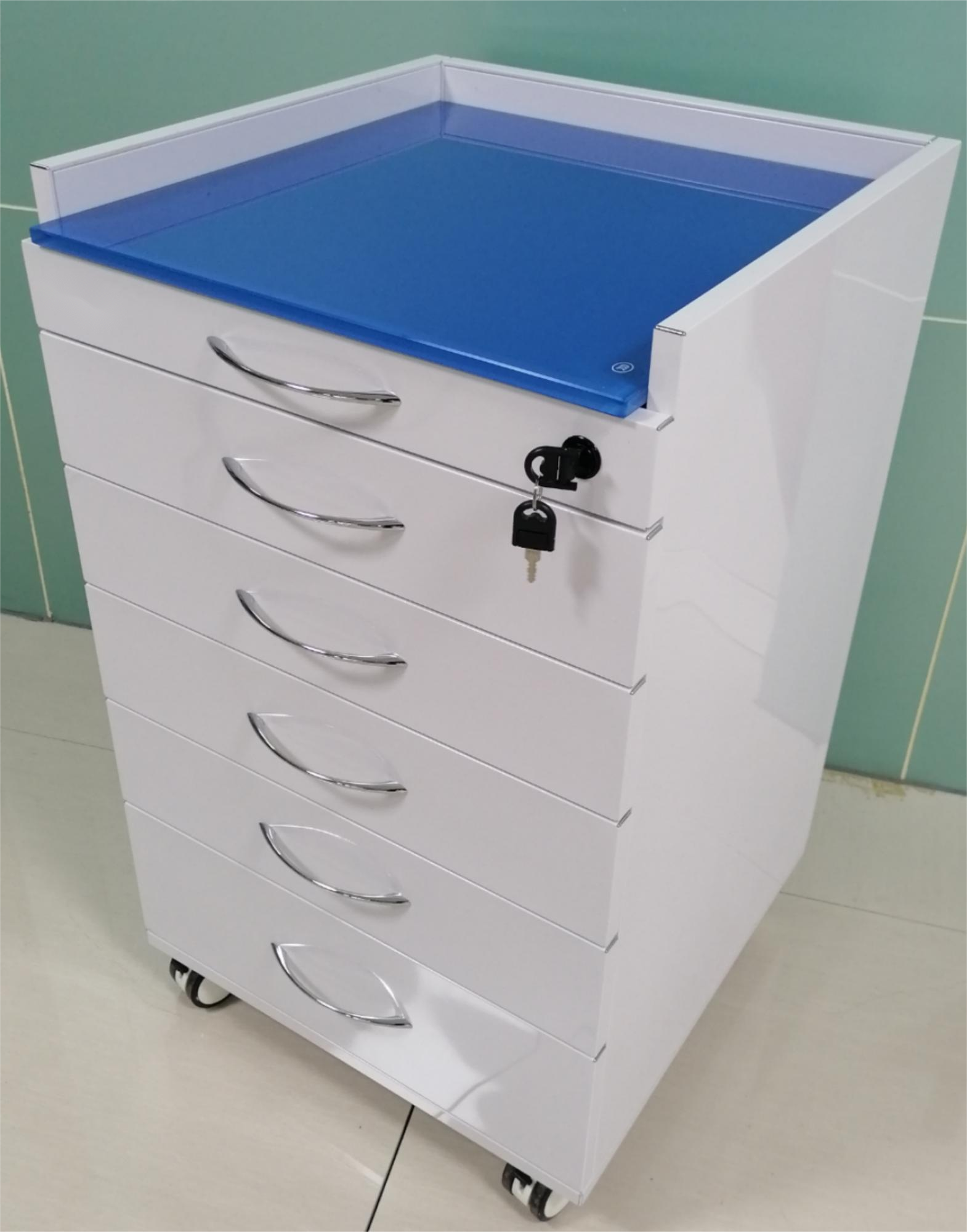
Aesthetics matter, but dental cabinets must also meet strict functional requirements. Before selecting finishes and colors, confirm that your chosen materials are compatible with your infection control protocols. Some wood finishes and porous surfaces cannot withstand daily wipe-downs with chemical disinfectants.
Measure your workflow patterns. Cabinets should be positioned so that the most frequently used instruments and supplies are within arm's reach of the treatment chair. A beautiful cabinet in the wrong location slows down every procedure.
Budget for professional installation. Dental cabinetry often requires integrated plumbing, electrical, and compressed air connections that general contractors may not handle correctly. Work with a dental-specific installer or a contractor experienced in healthcare environments. Request references from other dental offices they have completed, and visit those sites if possible to inspect the quality of the finished work before signing a contract.
Finally, think about long-term maintenance. Trends change, but well-built cabinets last 15 to 20 years. Choose timeless base materials and use trendy elements in places that are easy to swap out later, such as hardware, paint color, and countertop surfaces.
Organizing What Goes Inside the Cabinets
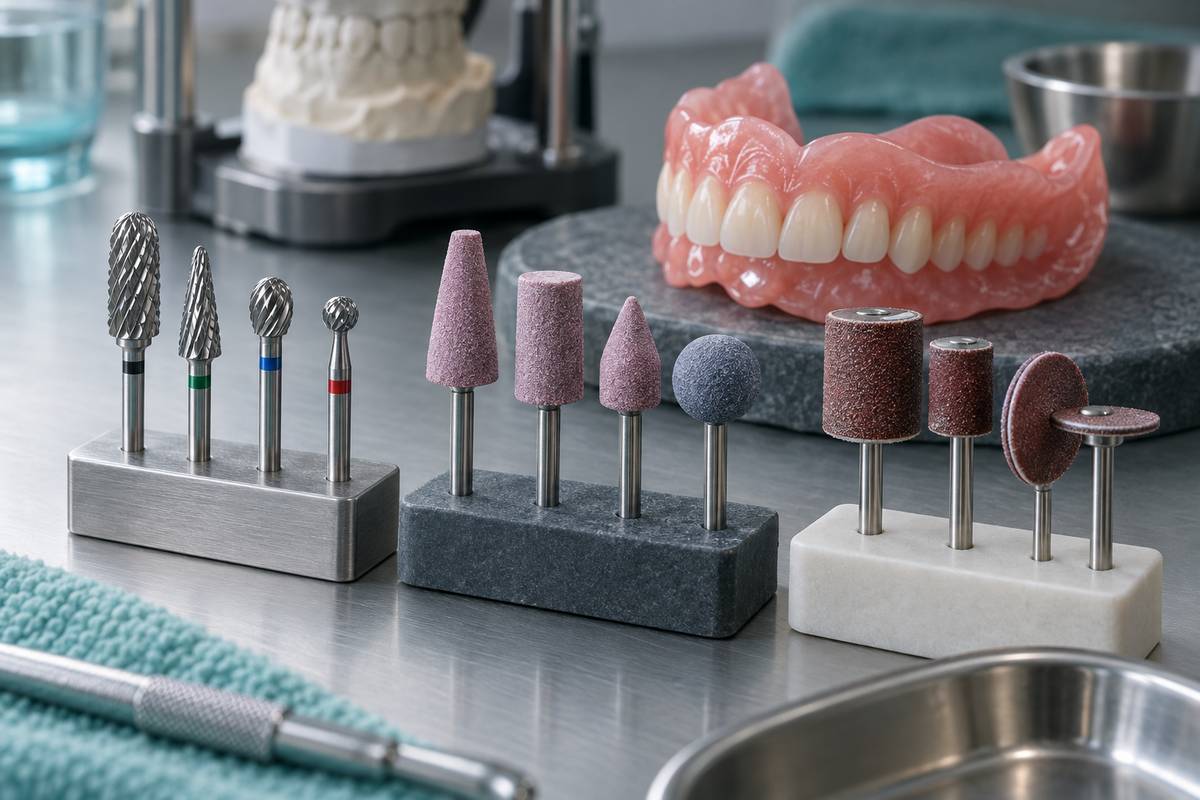
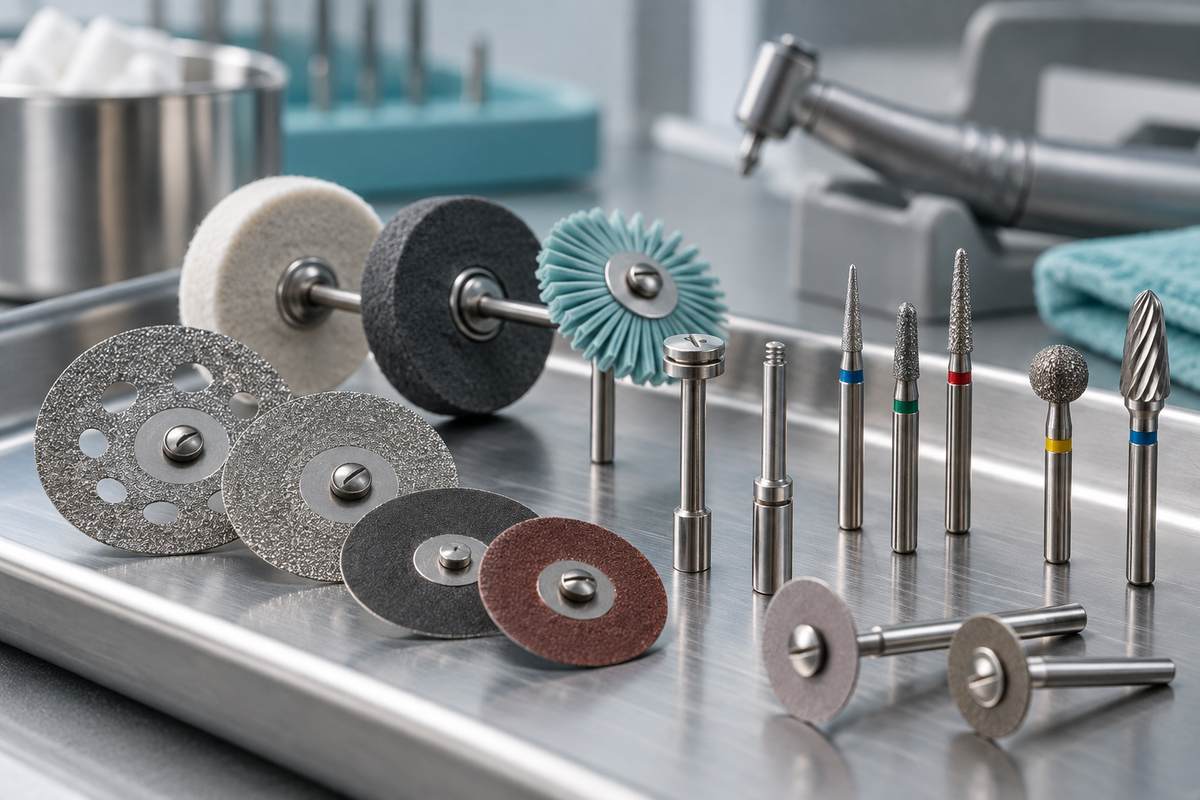
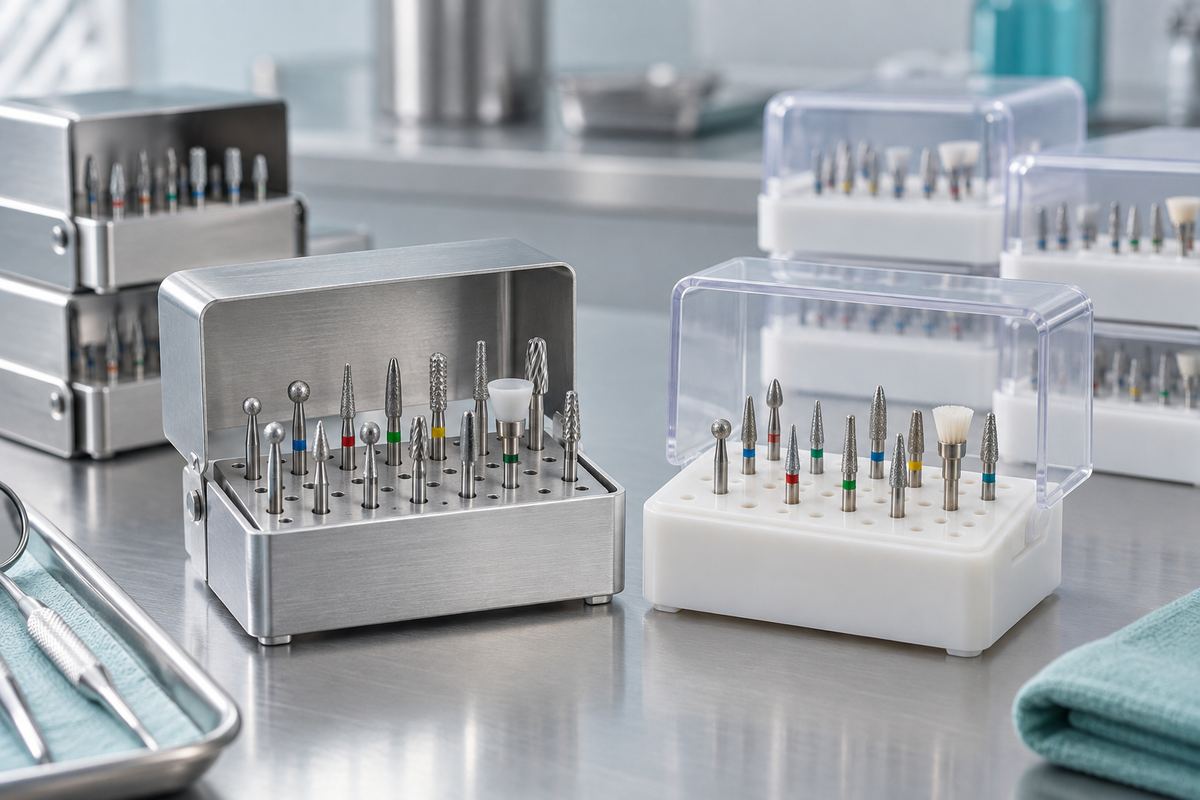
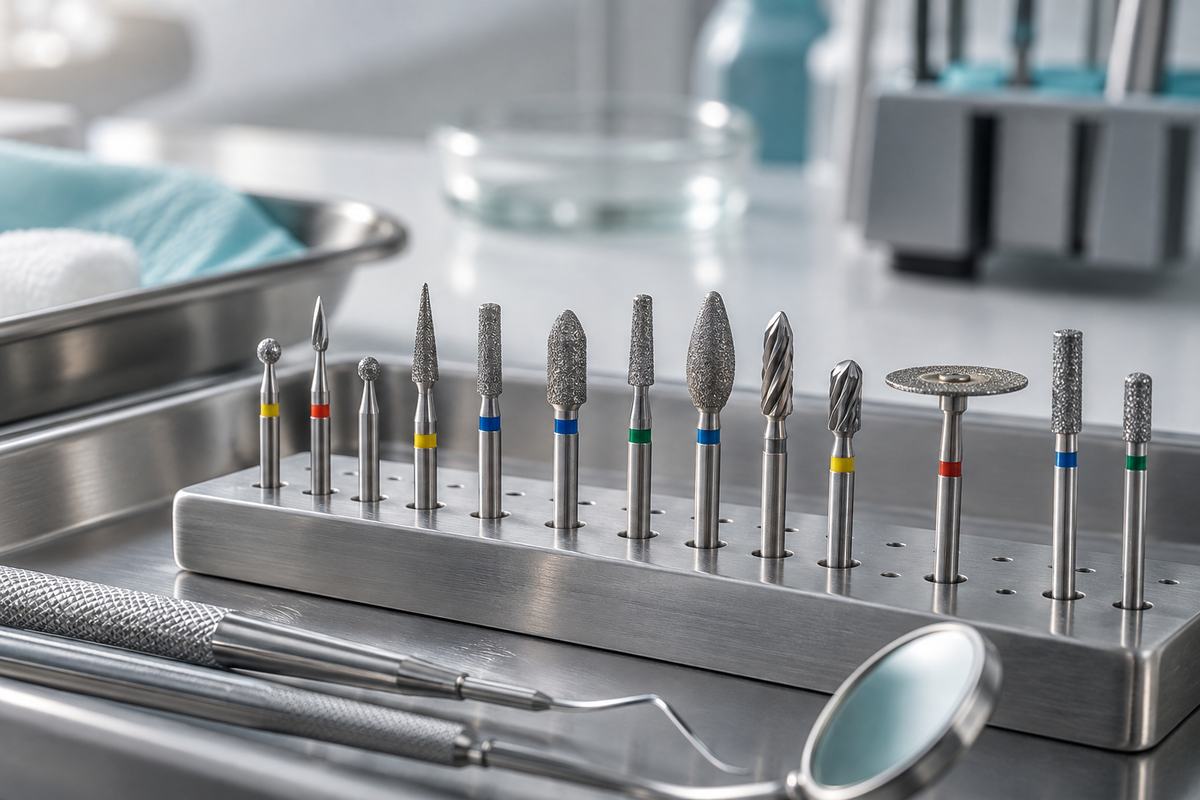
Even the best-looking cabinets fall short if the interior is disorganized. Pair your new cabinetry with proper storage accessories: drawer dividers, labeled bins, and instrument trays that match your clinical kits. If your practice uses rotary instruments frequently, a dedicated tungsten carbide bur organizer or a well-stocked clinic kit station inside the cabinet keeps everything at hand and reduces setup time between patients.
For more ideas on keeping your dental workspace efficient, read our guide on dental cabinet technology for improved organization. If you are also evaluating the instruments you store, our article on carbide burs vs. diamond burs can help you decide what belongs in each drawer.
Final Thoughts
The dental cabinets you choose set the tone for your entire practice. Bold paint colors, natural wood finishes, matte hardware, glass-front doors, curved profiles, and thoughtful mix-and-match layouts are all practical ways to modernize your office without sacrificing clinical function. Start with the trends that align with your budget and your brand, and build from there. A well-designed cabinet system pays for itself in smoother workflows, happier staff, and patients who feel comfortable the moment they walk through the door.