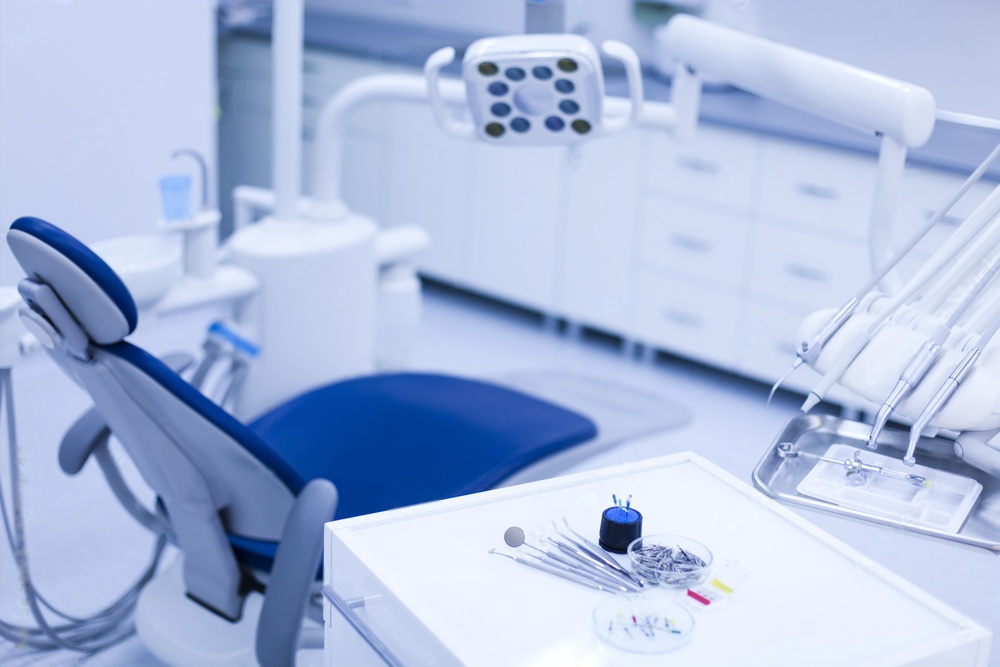
Dental Cabinet Organization: Smart Storage Solutions
A well-organized dental operatory saves time, reduces stress and improves patient care. Yet many practices still rely on cabinets designed decades ago, with generic drawers that force staff to dig through loose instruments and supplies during procedures. Modern dental cabinet systems solve these problems with sensor-activated drawers, modular inserts, colour-coded trays and even digital inventory tracking.
This guide covers the most practical cabinet upgrades available today and explains how each one can improve workflow in your operatory, sterilisation area and lab.
Why Cabinet Organization Matters in Dentistry
In a busy practice, the average clinician performs 8 to 12 procedures per day. Each procedure requires a specific set of instruments, materials and disposables. When these items are poorly organized, three things happen:
- Time is wasted. Staff spend minutes per procedure searching for instruments or restocking supplies mid-treatment.
- Infection control suffers. Touching multiple drawer handles with gloved hands increases the risk of cross-contamination.
- Inventory is harder to track. Disorganized storage leads to over-ordering some items and running out of others.
Investing in better cabinet systems addresses all three issues at once. The return on investment usually shows up within months through reduced supply waste and faster room turnover between patients.
Sensor-Activated Drawer Technology
Touchless drawer opening is one of the most impactful upgrades a dental practice can make. These systems use infrared motion sensors mounted on the cabinet face. When a hand or knee approaches the sensor zone, the drawer glides open automatically. A gentle push closes it again.
How It Works
The sensor detects motion within a range of 5 to 15 centimetres, depending on the model. A small electric actuator powers the opening mechanism. Most systems run on rechargeable batteries that last several months between charges, so no hard wiring is needed during installation.
Benefits for Clinical Practice
| Benefit | How It Helps |
|---|---|
| Reduced cross-contamination | No need to touch handles with contaminated gloves |
| Faster access | Drawers open instantly when you approach |
| Consistent closure | Self-closing mechanism prevents drawers from being left ajar |
| Ergonomic advantage | No gripping or pulling required, reducing hand fatigue |
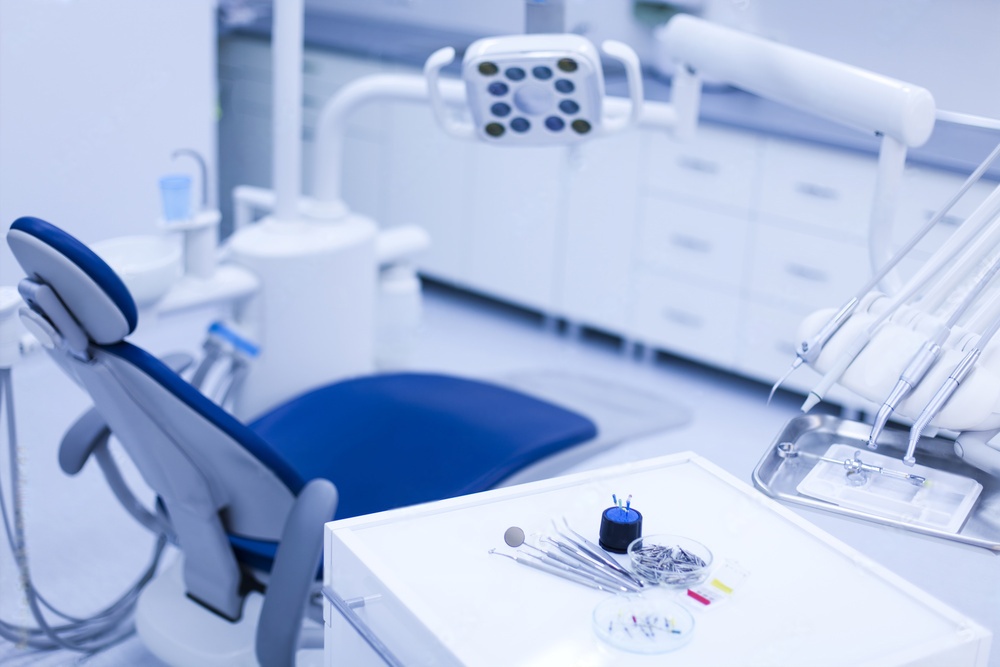
Sensor-activated drawers are especially valuable in operatories where the clinician works without a chairside assistant. Being able to access instruments without removing gloves or breaking the sterile field speeds up solo procedures noticeably.
Modular Drawer Inserts and Tray Systems
A drawer is only as useful as its internal layout. Modular insert systems let you divide each drawer into compartments that match the exact instruments and supplies you store there. Unlike fixed dividers, modular inserts can be rearranged whenever your workflow changes.
Types of Modular Inserts
- Silicone instrument mats. Flexible mats with shaped grooves that hold handpieces, mirrors, explorers and burs in place. The silicone dampens vibration and noise when drawers open and close.
- Stackable trays. Shallow trays that sit inside deep drawers, doubling the usable space. Pull out the top tray to access items underneath without rummaging.
- Colour-coded cassettes. Procedure-specific cassettes in different colours allow staff to grab the right setup at a glance. For example, a blue cassette for composite restorations, a green one for endodontic procedures and a red one for surgical extractions.
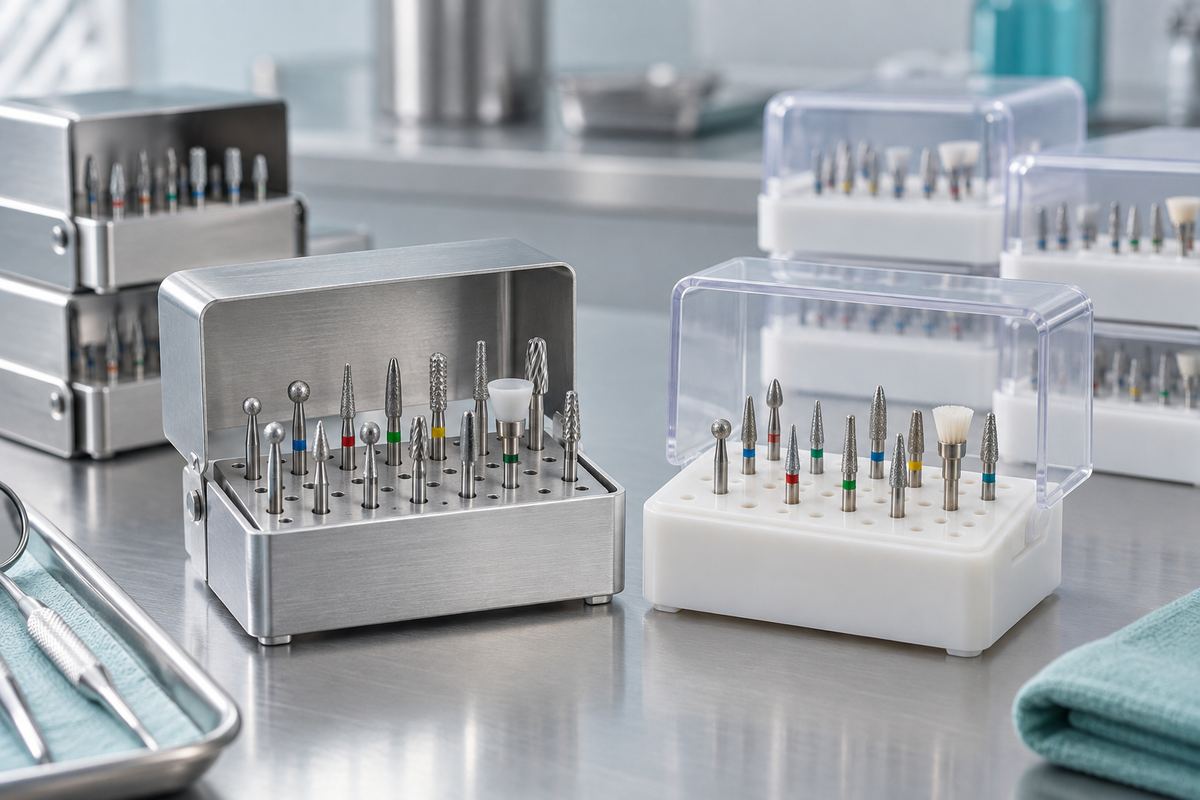
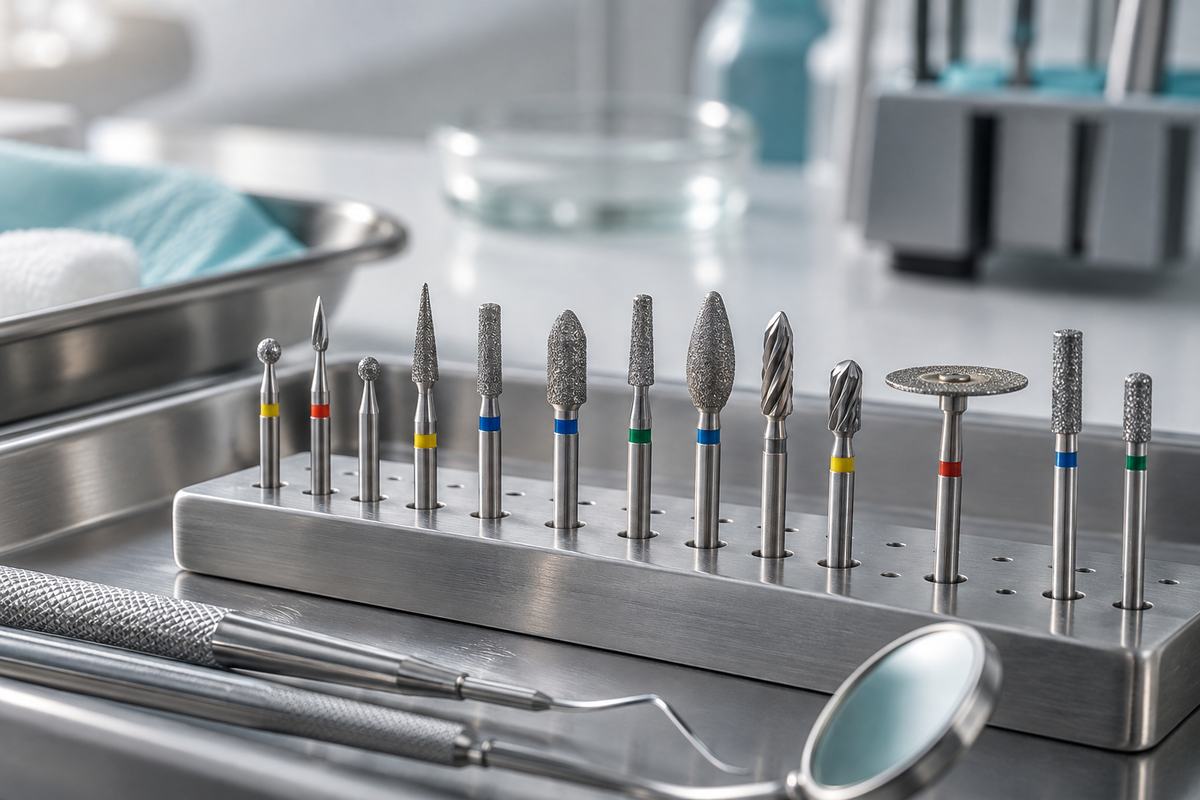
- Bur organizers. Dedicated holders that store rotary instruments by type and grit. Keeping diamond burs and carbide burs separated by category prevents mix-ups and makes it easy to spot when stock is running low.
Choosing the Right Configuration
Start by listing every item you need within arm's reach during your most common procedures. Group items by frequency of use: high-frequency items go in upper drawers at counter height, while bulk supplies and backup stock go in lower drawers. This simple top-down approach eliminates most of the bending and reaching that slows clinicians down.
Ergonomic Cabinet Design
Musculoskeletal injuries are among the most common occupational hazards in dentistry. Poor cabinet placement contributes to the problem by forcing clinicians to twist, bend and stretch repeatedly throughout the day. Modern ergonomic designs address this with several features:
- Height-adjustable surfaces. Countertops and mobile carts that raise or lower to match the seated working height of different clinicians.
- Swing-out drawers. Side-mounted drawers that pivot toward the operator instead of pulling straight out, reducing the need to turn away from the patient.
- Overhead delivery systems. Wall-mounted cabinets with drop-down instrument trays that keep tools within the visual field during procedures.
When evaluating new cabinetry, test it in a mock setup before committing. Have multiple team members simulate real procedures to check reach distances, drawer angles and sightlines. What works for a tall right-handed clinician may not suit a shorter left-handed one.
Digital Inventory Management
Some modern cabinet systems integrate with digital inventory software. Each drawer or compartment is tagged, and sensors track how often items are removed and replaced. When stock drops below a preset threshold, the system sends a reorder alert to the practice manager.
While this technology is still emerging and represents a higher upfront cost, it eliminates two persistent problems: emergency supply shortages and over-ordering. Practices that adopt digital tracking typically see a 10 to 15 percent reduction in annual supply costs within the first year.
Sterilisation Area Storage
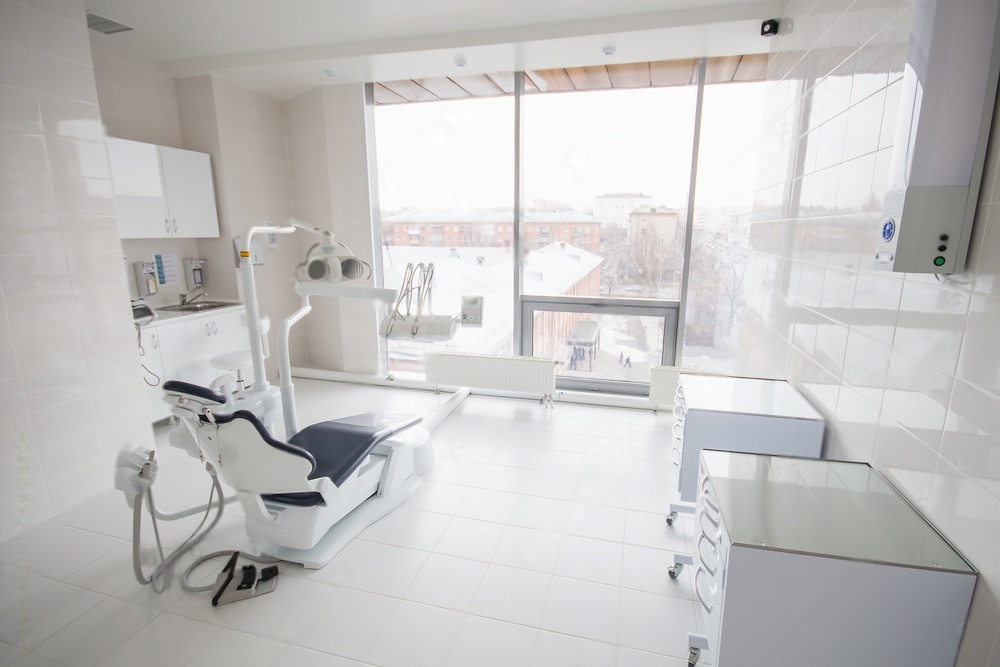
The sterilisation room has its own storage demands. Instruments move through a defined cycle: dirty, cleaning, packaging, sterilisation and sterile storage. Each stage should have a dedicated zone with cabinets or racks that prevent clean and contaminated items from mixing.
Key features to look for in sterilisation area cabinetry:
- Stainless steel or solid-surface materials that resist moisture and cleaning chemicals
- Open shelving for sterile pouches so air can circulate and pouches stay dry
- Enclosed cabinets with doors for long-term storage of backup instrument sets
- Label holders or barcoded slots for each instrument cassette to speed identification
Lab and Auxiliary Room Organization
If your practice has an in-house lab, cabinet organization is equally important there. Lab work involves a wide range of rotary instruments, impression materials, models and small equipment. A dedicated bur storage system keeps diamond, carbide and polishing instruments sorted and accessible. Drawer dividers for impression materials, bite registration pastes and temporary crown supplies prevent cross-contamination and reduce waste from expired products.
For more on how instrument organization affects daily efficiency, our article on dental bur blocks and how to clean them covers a storage solution that many practices overlook. You may also find our guide on the benefits of aluminum bur blocks useful if you are setting up a new lab space.
Practical Steps to Upgrade Your Cabinets
You do not need to replace all your cabinetry at once. A phased approach works well for most practices:
- Audit your current setup. Spend one week noting every time a team member searches for an item, restocks mid-procedure or crosses the room to access a cabinet. These pain points tell you where to invest first.
- Start with inserts. Modular drawer inserts are inexpensive and can be installed in existing cabinets without renovation. This single change often delivers the biggest improvement per dollar spent.
- Add touchless opening. Retrofit sensor kits are available for many standard cabinet brands. Installation typically takes less than an hour per drawer.
- Standardise across operatories. Every treatment room should have the same cabinet layout so that any team member can work in any room without relearning where things are kept.
- Review and adjust quarterly. As procedures change and new products enter your supply chain, revisit your cabinet layout to make sure it still matches your workflow.
Final Thoughts
Dental cabinet organization is not glamorous, but it has a direct impact on how smoothly your practice runs every day. Sensor-activated drawers reduce contamination risk and save seconds that add up over hundreds of procedures. Modular inserts keep instruments and supplies exactly where you expect them. And digital tracking systems take the guesswork out of inventory management. Whether you start small with new drawer dividers or invest in a full cabinet overhaul, better organization pays for itself quickly in time saved and stress avoided.