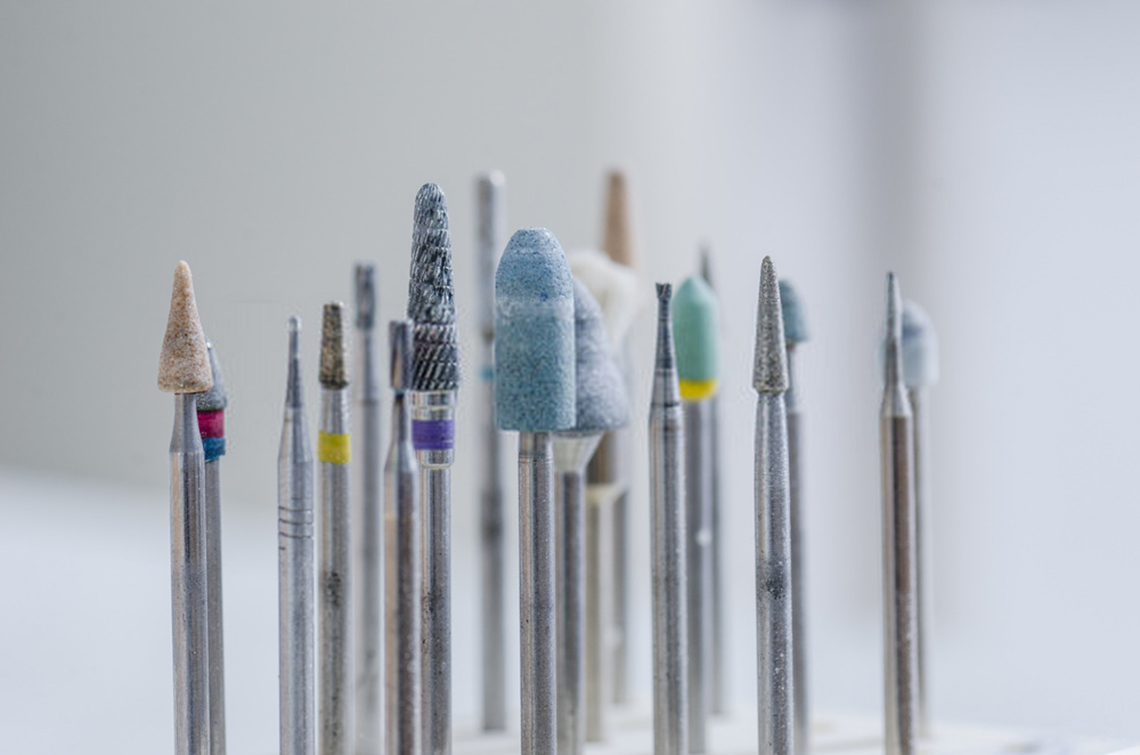
What Are Diamond Burs?
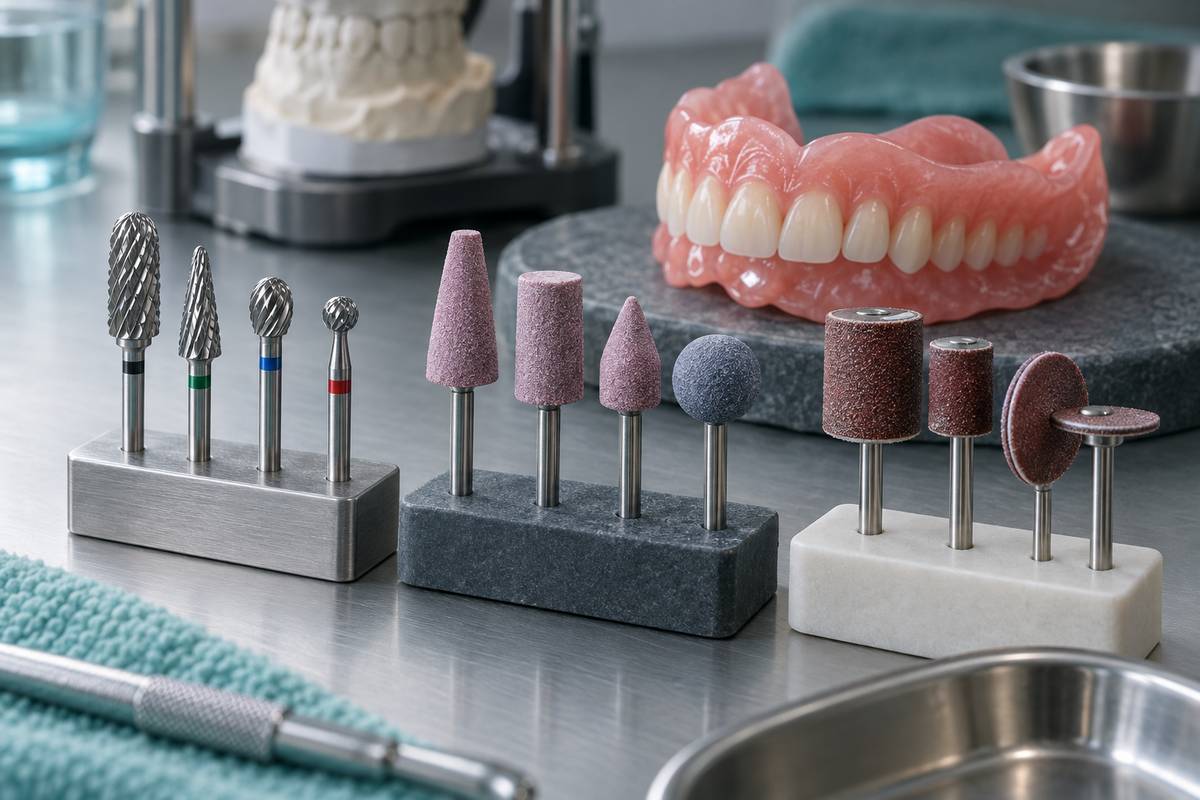
Diamond burs are small rotary cutting instruments coated with diamond grit particles. Because diamond is one of the hardest materials found in nature, these burs can grind, cut, shape, and polish nearly any surface. They are a staple in dental clinics, dental laboratories, jewelry workshops, and hobbyist tool kits around the world.
Each diamond bur consists of three main parts: a stainless steel shank, a stainless steel head, and a layer of diamond particles bonded to the head. The shank fits into a handpiece or rotary tool, while the diamond-coated head does the actual work. The size, shape, and grit of the head determine what the bur is best suited for.
How Diamond Burs Are Made
There are two primary manufacturing methods for diamond burs: electroplating and sintering. Electroplated diamond burs feature a single layer of diamond particles bonded to the head through a nickel electroplating process. These burs are affordable and offer sharp initial cutting, making them popular for general dental procedures and light craft work.
Sintered diamond burs, on the other hand, have diamond particles embedded throughout the entire head material. As the outer layer wears away, fresh diamond grit is exposed. This makes sintered burs far more durable and longer-lasting, which is why they are preferred for heavy-duty tasks like cutting ceramics, zirconia, and gemstones.
Both types are available in a wide range of shapes and grits. Coarse grits remove material quickly, while fine and ultra-fine grits produce smooth, polished finishes. Understanding this distinction is important when selecting the right bur for your project.
Diamond Bur Shapes and Their Uses
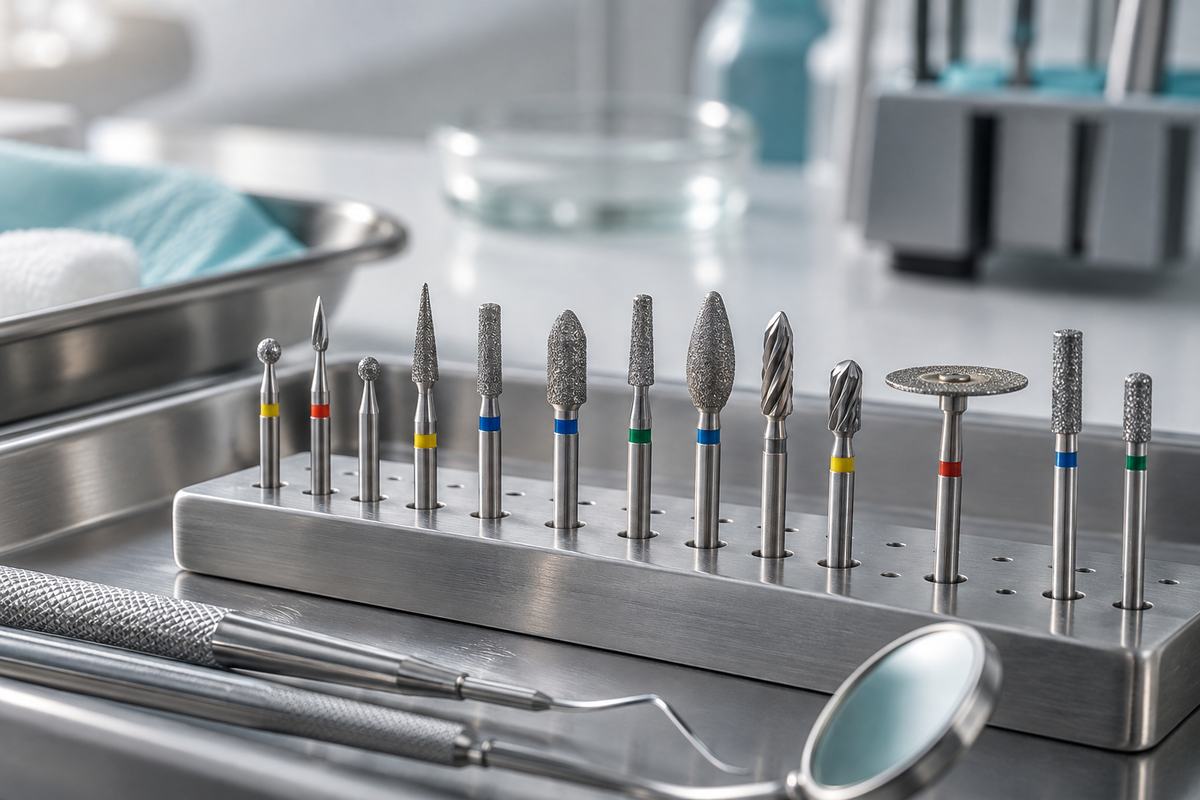
Diamond burs come in dozens of shapes, each designed for a specific purpose. Here are the most commonly used profiles:
- Round (Ball) -- Ideal for creating concave surfaces, opening access points, and removing decay in dental work. Also used for carving rounded details in wood and stone.
- Cylinder (Flat End) -- Best for flat surface reduction, shoulder preparation, and creating smooth walls. Widely used in both dental and industrial applications.
- Tapered (Cone) -- Used for angled cuts, taper preparations, and reaching into tight spaces. Available in flat-end and pointed-end variations.
- Flame -- Thin and pointed, flame-shaped burs are used for finishing margins, subgingival work in dentistry, and fine detail carving in jewelry making.
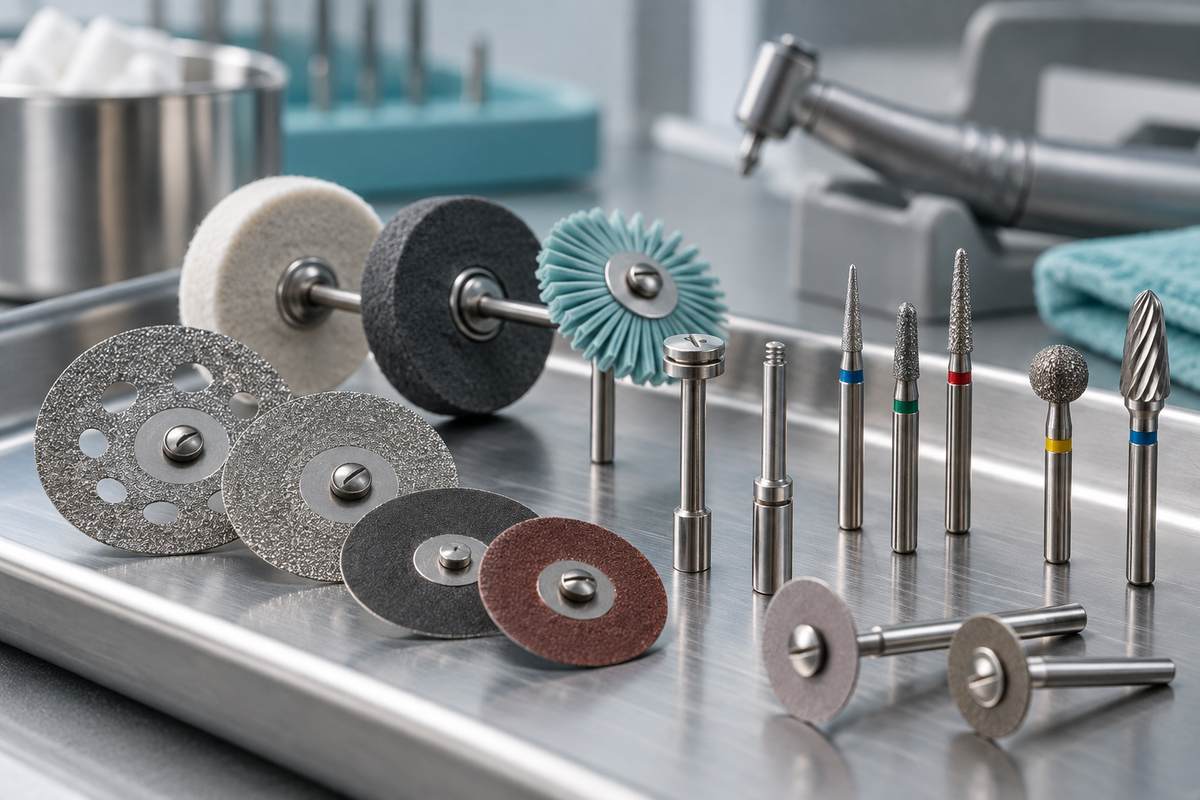
- Wheel (Disc) -- Flat disc-shaped burs are suited for creating grooves, slicing through thin materials, and making precise cuts.
- Needle -- Very thin and elongated, needle burs are perfect for engraving, creating fine lines, and reaching into narrow spaces.
Choosing the right shape depends on the task at hand. A jeweler engraving a ring will reach for a needle or flame bur, while a dentist preparing a crown uses a tapered or cylinder bur.
Understanding Shank Sizes
The shank is the part of the bur that inserts into the handpiece or rotary tool. Different machines require different shank diameters, so it is important to match the bur to your equipment. The most common shank sizes are:
| Shank Diameter | Common Name | Typical Use |
|---|---|---|
| 1.6 mm | FG (Friction Grip) | Dental high-speed handpieces |
| 2.35 mm | HP (Handpiece) | Dental low-speed handpieces, rotary tools, flex shafts |
| 3.0 mm | Standard Rotary | Dremel and similar rotary tools |
| 6.0 mm | Lab/Industrial | Die grinders, bench grinders, industrial applications |
FG shanks with a 1.6 mm diameter are the standard for clinical dental work. HP shanks at 2.35 mm fit most dental lab handpieces and many popular rotary tools. The 3.0 mm and 6.0 mm shanks are used in heavier industrial and craft applications.
Diamond Burs in Dentistry
In the dental profession, diamond burs are used every day for tooth preparation, crown and bridge work, cavity preparation, and finishing restorations. Dentists rely on them because diamond cuts enamel and dentin efficiently while allowing precise control over the amount of material removed.
For clinical procedures, FG diamond burs are used in high-speed handpieces running at speeds between 300,000 and 450,000 RPM. The fine diamond grit produces smooth cavity walls and well-defined margins, which are important for the long-term success of restorations. Different grit levels are used at different stages: coarse for initial reduction, medium for shaping, and fine or ultra-fine for finishing and polishing.
In dental laboratories, HP diamond burs are used to adjust and refine prosthetics, crowns, bridges, and dentures. Lab technicians use them on materials such as porcelain, zirconia, and composite resin. For cutting and adjusting zirconia restorations specifically, sintered diamond burs are the preferred choice because of their durability. Browse our full selection of dental diamond burs to find the right match for your clinical or lab needs.
Diamond Burs for Jewelry Making
Jewelers and gemstone cutters depend on diamond burs for detailed work that other tools simply cannot match. Diamond burs mounted on a flex shaft or rotary tool allow jewelers to engrave intricate patterns into metal, shape gemstones, smooth solder joints, and create textures on finished pieces.
For stone setting, small round and tapered diamond burs are used to carve seats for gemstones. For engraving, needle and flame shapes provide the fine control needed for lettering and detailed designs. When polishing precious metals after soldering or filing, a progression from coarse to fine diamond burs produces a smooth surface ready for final buffing.
The 2.35 mm HP shank is the most common for jewelry work, as it fits standard flex shaft handpieces and many Dremel-style rotary tools. If you are looking for diamond burs suitable for craft and jewelry use, explore our laboratory diamond burs collection.
Diamond Burs for Wood Carving and Stone Work
Woodworkers and stone carvers also benefit from diamond burs, particularly for fine detail work. While traditional carving tools handle rough shaping, diamond burs attached to a rotary tool allow carvers to add fine textures, smooth surfaces, and detailed features that would be difficult to achieve by hand.
For wood carving, coarse diamond burs remove material rapidly, while finer grits smooth the surface without tearing the wood grain. For stone and glass, diamond is practically required since these materials are too hard for steel or carbide to cut effectively. Hobbyists working with glass etching, stone sculpture, and lapidary projects all rely on diamond burs for precision results.
Grit Levels Explained
Diamond bur grit is measured in microns, and the grit level directly affects the finish quality and material removal rate. Here is a general guide:
| Grit Level | Micron Range | Best For |
|---|---|---|
| Super Coarse | 150+ microns | Rapid material removal |
| Coarse | 125-150 microns | Initial shaping and bulk reduction |
| Medium | 100-120 microns | General purpose cutting and shaping |
| Fine | 50-90 microns | Smoothing and finishing |
| Ultra-Fine | Below 50 microns | Final polishing and margin refinement |
For most projects, start with a coarser grit to shape the workpiece, then move to progressively finer grits for the finishing stages. This approach applies equally to dental work, jewelry making, and craft projects.
Care and Maintenance Tips
To get the longest life from your diamond burs, follow a few basic guidelines. First, always use light pressure and let the diamond do the cutting. Pressing too hard generates excess heat, which can damage both the bur and the workpiece. Second, use water or coolant spray when possible, especially with dental handpieces, to reduce heat buildup and flush away debris.
After use, clean diamond burs with an ultrasonic cleaner or a stiff brush to remove material that has built up between the diamond particles. Clogged burs cut poorly and wear out faster. For dental burs, follow your standard sterilization protocol after cleaning.
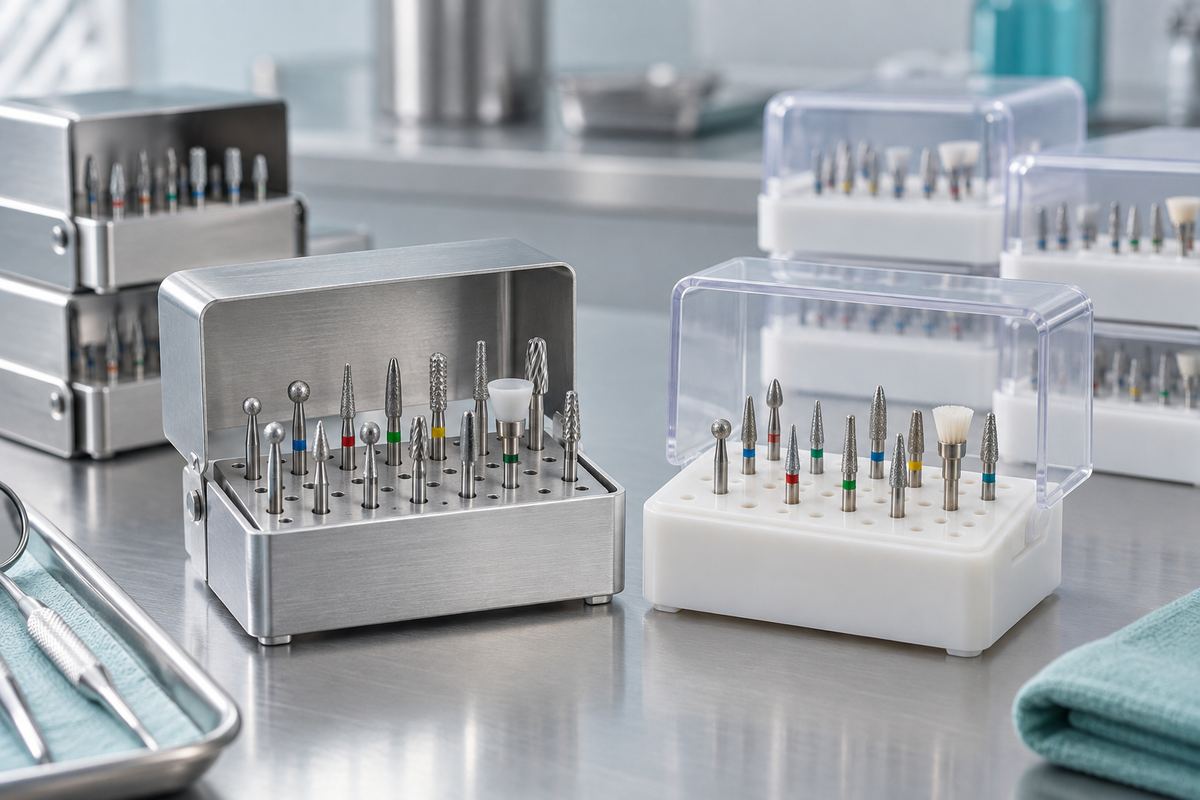
Store burs in a bur block or organizer where they are not touching each other. Diamond-on-diamond contact can chip the grit coating and reduce the effective lifespan of the tool. To learn more about proper bur maintenance, read our guide on how to clean diamond burs.
Choosing the Right Diamond Bur
Selecting the best diamond bur comes down to four factors: the material you are working on, the shape needed for the task, the grit level required, and the shank size that fits your equipment. For dental professionals, matching the bur to the specific clinical procedure and handpiece type is the first step. For jewelers and crafters, consider the material hardness, the level of detail required, and whether you need to prioritize speed or finish quality.
When in doubt, a small assortment of shapes in medium grit with an HP shank covers a wide range of tasks. As you gain experience, you can expand your collection with specialty shapes and different grit levels for more specific applications. For additional guidance on selecting the right bur, see our article on a beginner's guide to diamond burs.