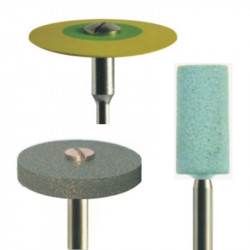
Dental laboratories work with a growing range of restorative materials, and zirconia has become one of the most popular choices for crowns, bridges, and implant restorations. Polishing zirconia requires specialized instruments because this material is significantly harder than traditional porcelain or metal alloys. One of the most effective tools for this task is the DuraCool diamond stone, a purpose-built polishing instrument designed specifically for zirconia and all-ceramic restorations.
This article covers everything dental technicians need to know about DuraCool diamond stones, including how they work, the available grit levels, color coding systems, and practical techniques for achieving an excellent polish on zirconia restorations.
What Is a DuraCool Diamond Stone?
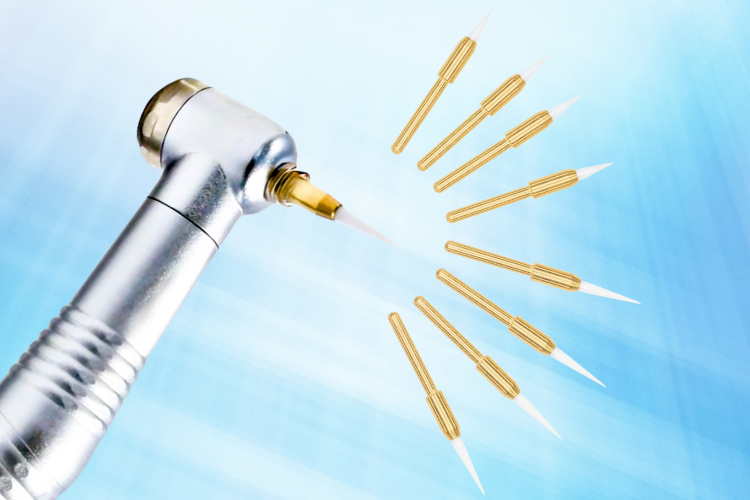
DuraCool is a specialized diamond stone polishing instrument engineered for use on zirconia and all-ceramic materials in the dental laboratory setting. Unlike conventional polishing tools that generate significant heat during use, DuraCool diamond stones are designed to operate without water cooling. This heatless property is one of their most notable advantages, as excessive heat during polishing can cause micro-cracks in zirconia or alter the surface characteristics of ceramic materials.
The polishing action comes from a carefully formulated blend of pure diamond particles, aluminum oxide, glass, and binding agents. This combination allows the instrument to cut and smooth zirconia surfaces efficiently while maintaining a controlled temperature at the contact point.
Why Zirconia Requires Special Polishing Tools
Zirconia (zirconium dioxide) ranks among the hardest dental materials in common use, with a Vickers hardness value significantly above that of feldspathic porcelain or lithium disilicate. Standard rubber polishing wheels and silicone points that work well on softer ceramics simply cannot remove material from zirconia surfaces effectively. Diamond is one of the few abrasives hard enough to cut and smooth zirconia in a reasonable timeframe.
Additionally, zirconia is sensitive to thermal stress. Rapid temperature changes during grinding or polishing can trigger a phase transformation in the crystal structure, potentially weakening the restoration. The heatless design of DuraCool instruments directly addresses this concern by keeping the working temperature low throughout the polishing process.
Grit Levels and Their Applications
DuraCool diamond stones are available in multiple grit levels, each designed for a specific stage of the polishing workflow. Working through these grits in sequence, from coarsest to finest, produces the best surface finish on zirconia restorations.
Medium Grit (Blue)
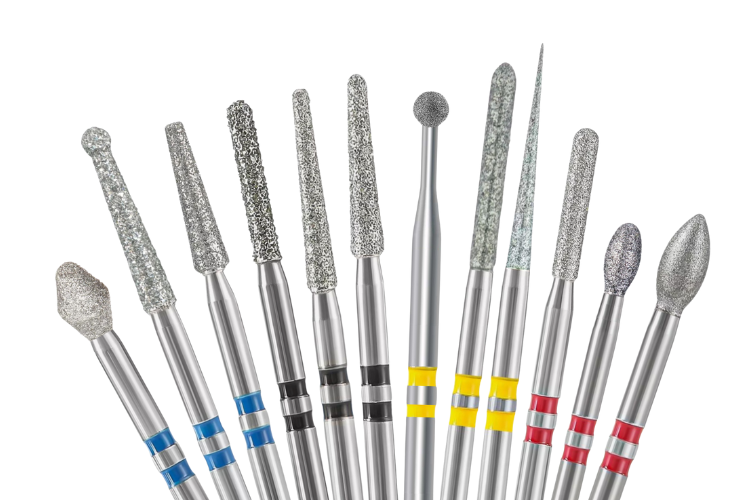
The medium grit diamond polisher is the starting point for most polishing workflows. Use this grit to remove scratches left by diamond burs during initial contouring and adjustment. It is effective on ceramic, porcelain, metal, all-ceramic, and zirconia surfaces. The blue color coding makes it easy to identify at a glance, even in a busy laboratory environment.
When working with medium grit, use light to moderate pressure and keep the instrument moving across the surface. Dwelling in one spot can create localized depressions that are difficult to correct in later stages.
Fine Grit (Light Grey)
The fine grit diamond polisher takes over after the medium grit has removed all visible bur marks. Its purpose is to smooth the surface further, reducing the scratch pattern left by the medium grit to a uniform, finely textured finish. This grit works on all the same materials as the medium, including ceramic, porcelain, metal, all-ceramic, and zirconia.
At this stage, the surface should begin to show some reflectivity. If you still see distinct scratches from the previous grit, continue working with the fine grit before advancing to the next level.
Extra Fine Grit (Yellow)
The extra fine grit diamond polisher produces a high-luster polish on the restoration surface. This is where the surface transitions from a smooth matte appearance to a noticeably glossy finish. The yellow color coding distinguishes it from the other grits in the sequence.
Use very light pressure during this stage. The goal is not to remove material but to refine the surface texture to a point where it reflects light with minimal diffusion. Over-pressure at this stage can actually degrade the finish rather than improve it.
Ultra Fine Grit (Light Pink)
The ultra fine grit diamond polisher is the final step in the polishing sequence. It produces a mirror-like finish on zirconia and all dental and orthodontic materials. The results from this grit are comparable to what was previously achievable only with brushes, cotton swabs, and polishing pastes, but in less time and with greater consistency.
This grit effectively replaces traditional polishing methods for the final finishing step, saving technicians time while delivering a superior surface quality. The light pink color coding indicates its position as the finest grit in the DuraCool system.
Grit Comparison Table
| Grit Level | Color Code | Function | Recommended Pressure |
|---|---|---|---|
| Medium | Blue | Remove bur scratches and rough contours | Light to moderate |
| Fine | Light Grey | Smooth surface texture | Light |
| Extra Fine | Yellow | High-luster polishing | Very light |
| Ultra Fine | Light Pink | Mirror finish | Minimal |
Available Shapes
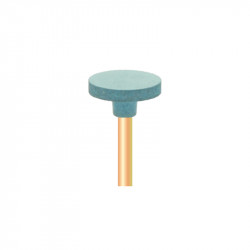
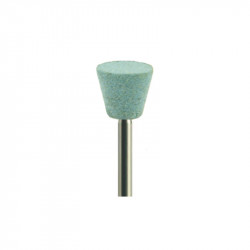
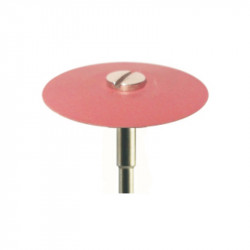
DuraCool diamond stones come in several shapes to accommodate the varied anatomy of dental restorations. Common shapes include wheels, inverted cones, points, flames, and cups. Each shape is designed to access specific areas of a restoration effectively.
- Wheel shapes work well on flat and gently curved surfaces such as the occlusal table of a crown.
- Inverted cone shapes are useful for concave areas and for refining margins.
- Point and flame shapes reach into grooves, embrasures, and interproximal areas where larger instruments cannot fit.
- Cup shapes conform to convex lingual and buccal surfaces of crowns and bridges.
Selecting the right shape for each area of the restoration ensures complete and uniform polishing without leaving unfinished zones that could collect plaque or cause patient discomfort.
Twin Color vs. Mono Color Variants
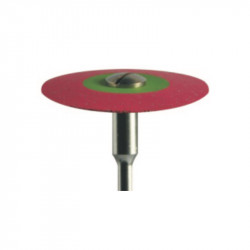
DuraCool diamond stones are available in two color configurations: twin color and mono color. Twin color instruments feature a two-tone appearance where the shank and the working tip are different colors. This design serves a practical purpose in the lab by making it immediately obvious which grit you have picked up. Mono color instruments are a single uniform color throughout.
Both variants perform identically in terms of polishing capability. The choice between them is a matter of personal preference and laboratory workflow organization. Many technicians prefer the twin color version because it speeds up identification during multi-step polishing sequences.
Polishing Technique for Best Results
To get the most out of DuraCool diamond stones, follow these practical guidelines during the polishing process:
- Start with the medium grit to remove all visible diamond bur marks from the initial adjustment phase.
- Work through each subsequent grit in order, never skipping a step. Each grit is designed to remove the scratch pattern left by the previous one.
- Use light, consistent pressure. Let the diamond particles do the cutting rather than forcing the instrument against the surface.
- Keep the instrument moving at all times. Stationary contact creates heat concentration and uneven material removal.
- Inspect the surface between each grit change using magnification and angled lighting to confirm that the previous grit's scratch pattern has been fully resolved.
- Clean the restoration between grit changes to prevent coarser particles from contaminating the finer polishing stages.
For a broader comparison of polishing instrument types, including silicone rubber polishers and other options, see our detailed guide on dental polishing tools.
When to Use DuraCool vs. Other Polishing Systems
DuraCool diamond stones are the preferred choice whenever you are working with zirconia or high-strength ceramics. For softer materials like composite resin or feldspathic porcelain, silicone rubber polishers may be sufficient and more cost-effective. The key factor is the hardness of the material being polished. If the material is harder than what a rubber polisher can effectively cut, DuraCool diamond stones are the right tool for the job.
Many laboratories keep both systems on hand and select the appropriate one based on the material of the restoration being finished. This approach balances cost efficiency with the ability to handle any material that comes through the lab.
Storage and Maintenance
DuraCool diamond stones should be stored in an organized system that separates them by grit level and shape. After each use, clean the instruments thoroughly to remove polishing debris and ceramic dust. Autoclaving is recommended between patients when instruments are used chairside.
Inspect the working surface periodically for signs of wear. A diamond stone that has lost its cutting efficiency will generate more heat and less polishing action, potentially compromising the restoration surface. Replace worn instruments promptly to maintain consistent results in your laboratory work.