Prophy cups are one of the most frequently used instruments in preventive dentistry. Despite their simplicity, dental professionals often have questions about cup types, materials, proper technique, and selection criteria. This FAQ-style guide addresses the most common questions about prophy cups and provides practical answers to help you get the best polishing results in your practice.
What Are Prophy Cups?
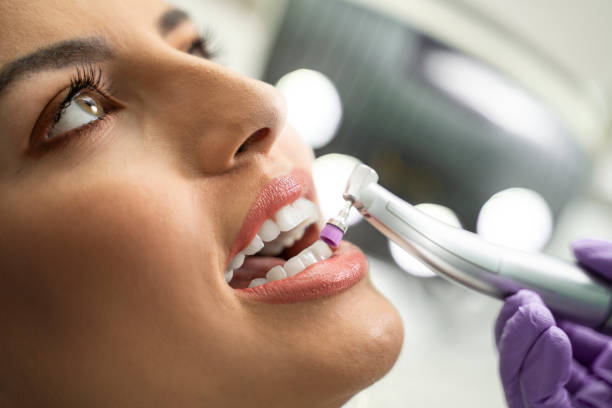
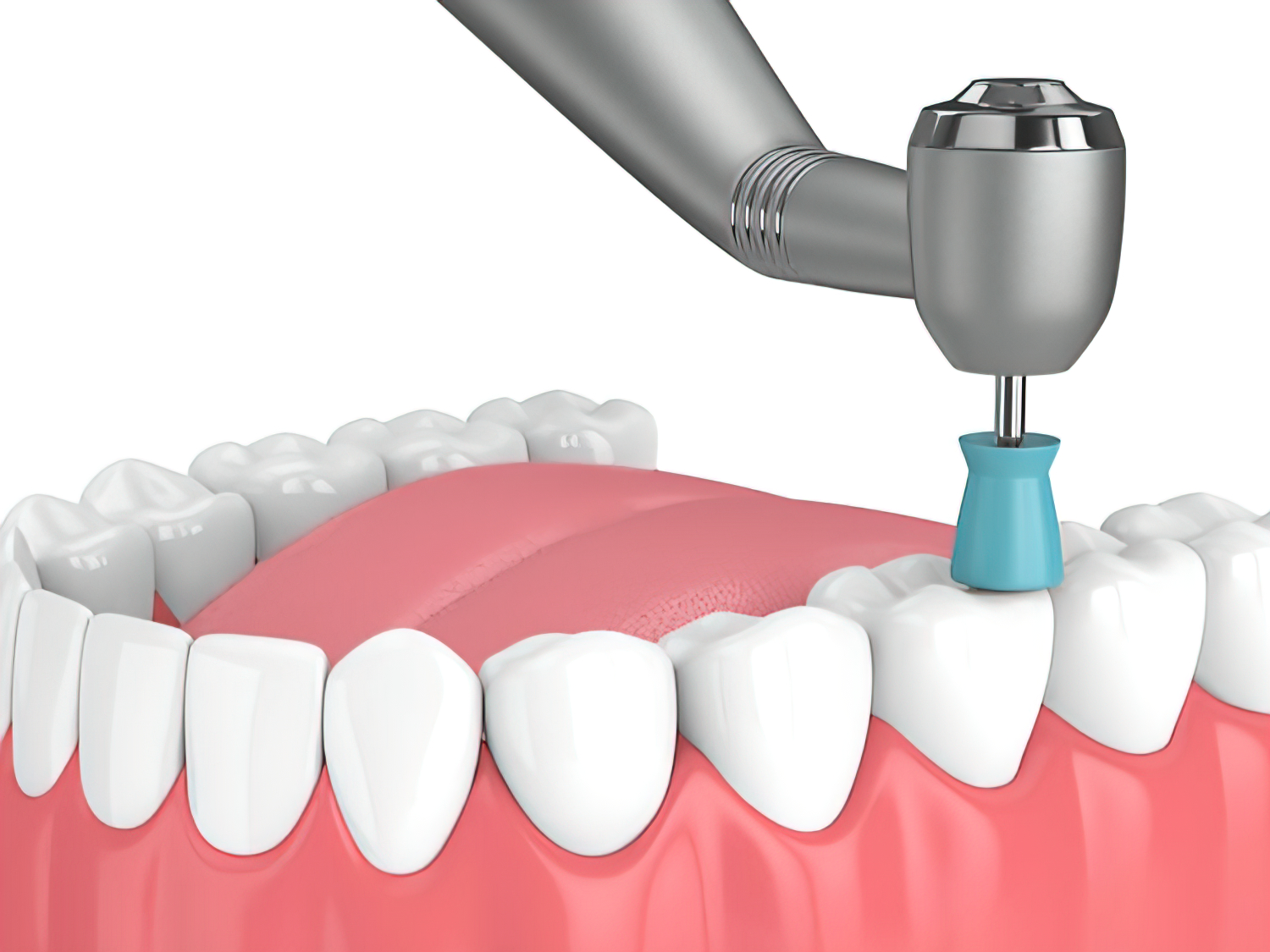
Prophy cups are small, flexible rubber or silicone attachments that fit onto a slow-speed dental handpiece. They are used during prophylaxis appointments to polish tooth surfaces after scaling and cleaning. When loaded with polishing paste and applied to the tooth at low speed, prophy cups remove surface stains, smooth the enamel, and leave the patient with a clean, pleasant mouthfeel.
-lines-width-800px-gigapixel.jpg)
Prophy cups work by spreading polishing paste across the tooth surface under gentle rotational pressure. The flexible edges of the cup conform to tooth contours, reaching into grooves and along gingival margins where stain and plaque tend to accumulate.
What Types of Prophy Cups Are Available?
Prophy cups come in several designs, each suited to different clinical situations. Understanding the differences helps you match the right cup to the task.
By Firmness
| Firmness Level | Best For | Key Characteristics |
|---|---|---|
| Soft | Sensitive teeth, pediatric patients, light stain | Gentle on tissue, conforms easily to contours |
| Medium | General prophylaxis, moderate stain | Good balance of flexibility and stain removal |
| Firm | Heavy stain removal, tenacious deposits | More abrasive action, requires careful pressure control |
By Design
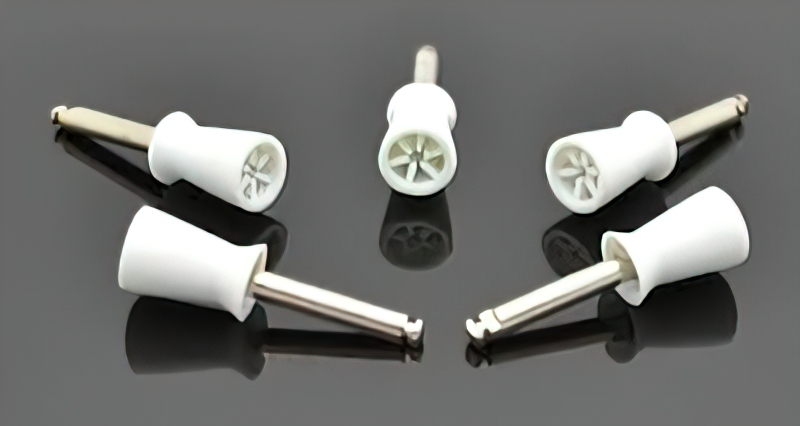
- Webbed cups — Feature internal webbing that holds polishing paste in place, reducing splatter and ensuring consistent paste distribution throughout the procedure.
- Ribbed cups — Have external ridges that enhance interproximal cleaning and stain removal along tooth surfaces between contact points.
- Turbo or flared cups — Designed with edges that flare outward during rotation, improving subgingival access and gently massaging the gingiva.
- Pointed or petite cups — Smaller in diameter for better access to posterior teeth, lingual surfaces, and areas around orthodontic brackets.
By Material
- Natural rubber (latex) — Traditional material with good flexibility. Not suitable for latex-allergic patients.
- Synthetic rubber (latex-free) — Safe alternative for patients with latex sensitivities. Most modern prophy cups are latex-free.
- Silicone — Offers consistent flexibility and is hypoallergenic. Often used in premium cup designs.
How Do You Select the Right Prophy Cup?
Choosing the correct prophy cup depends on several clinical factors. Consider the following when making your selection:
- Tooth surface and location. Anterior teeth with smooth, accessible surfaces work well with standard-sized cups. Posterior teeth and lingual surfaces may require petite or pointed designs for better reach.
- Amount and type of stain. Light surface stain can be handled with a soft cup and fine polishing paste. Heavy tobacco or coffee staining may call for a firmer cup paired with a coarser paste.
- Periodontal status. Patients with inflamed or receding gingiva benefit from soft, flared cups that minimize tissue trauma while still reaching below the gumline.
- Restorations and appliances. Patients with porcelain crowns, composite bonding, or orthodontic brackets need cups that polish without scratching. Soft cups with fine paste are generally the safest choice for these surfaces.
- Patient sensitivity. For patients who report discomfort during polishing, select a softer cup and reduce handpiece speed. Pediatric patients also do better with soft, smaller cups.
When outfitting your operatory with polishing instruments, consider pairing prophy cups with a full range of silicone rubber polishers to cover both prophylaxis and restoration finishing needs.
How Do You Properly Use a Prophy Cup?
Correct technique makes a noticeable difference in polishing outcomes and patient comfort. Follow these steps for effective prophylaxis polishing:
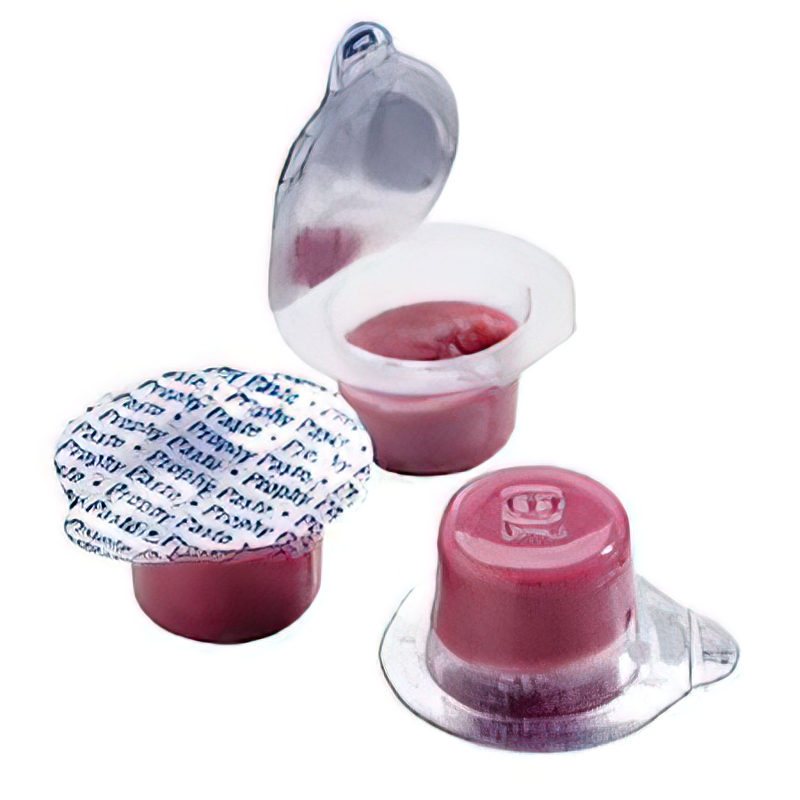
- Load the cup with polishing paste. Fill the cup about two-thirds full. Too little paste causes excessive friction; too much creates splatter.
- Set the handpiece to low speed. Prophy cups should operate between 2,000 and 3,000 RPM. Higher speeds generate unnecessary heat and can damage enamel or irritate soft tissue.
- Apply the cup to the tooth with light pressure. Press just enough to slightly flare the cup edges. This allows the cup to reach into the sulcus and adapt to tooth contours without causing discomfort.
- Work systematically. Start at the gingival third of the tooth and move toward the incisal or occlusal surface. Reposition the handpiece to reach all surfaces, including interproximal areas.
- Use intermittent strokes. Avoid holding the cup against one spot for more than 1-2 seconds. Continuous contact in one area generates heat that can harm the pulp.
- Replenish paste as needed. If the cup begins to feel dry or starts to grab the tooth surface, add more polishing paste before continuing.
For more on finishing and polishing workflows, our article on dental polishers covers the full range of instruments used after scaling and restoration placement.
What Are the Benefits of Using Prophy Cups?
Prophy cups offer several advantages that make them a staple in hygiene appointments:
- Effective stain removal. The rotational action combined with polishing paste removes extrinsic stains from coffee, tea, tobacco, and food pigments.
- Plaque biofilm disruption. Even after thorough scaling, a thin biofilm layer can remain. Polishing with a prophy cup disrupts this film and leaves a smoother surface that resists new plaque attachment.
- Improved patient comfort. Polished teeth feel noticeably smoother and cleaner, which contributes to a positive patient experience and encourages regular hygiene visits.
- Versatility. With the right cup and paste combination, you can polish natural teeth, composites, porcelain, and even orthodontic appliances.
- Latex-free and BPA-free options. Modern prophy cups are available in materials that accommodate patients with allergies or sensitivities.
Are Prophy Cups Reusable?
Most prophy cups and prophy brushes are designed as single-use, disposable instruments. They should be discarded after each patient to prevent cross-contamination. The rubber material degrades with autoclaving, and reused cups lose their flexibility and polishing effectiveness.
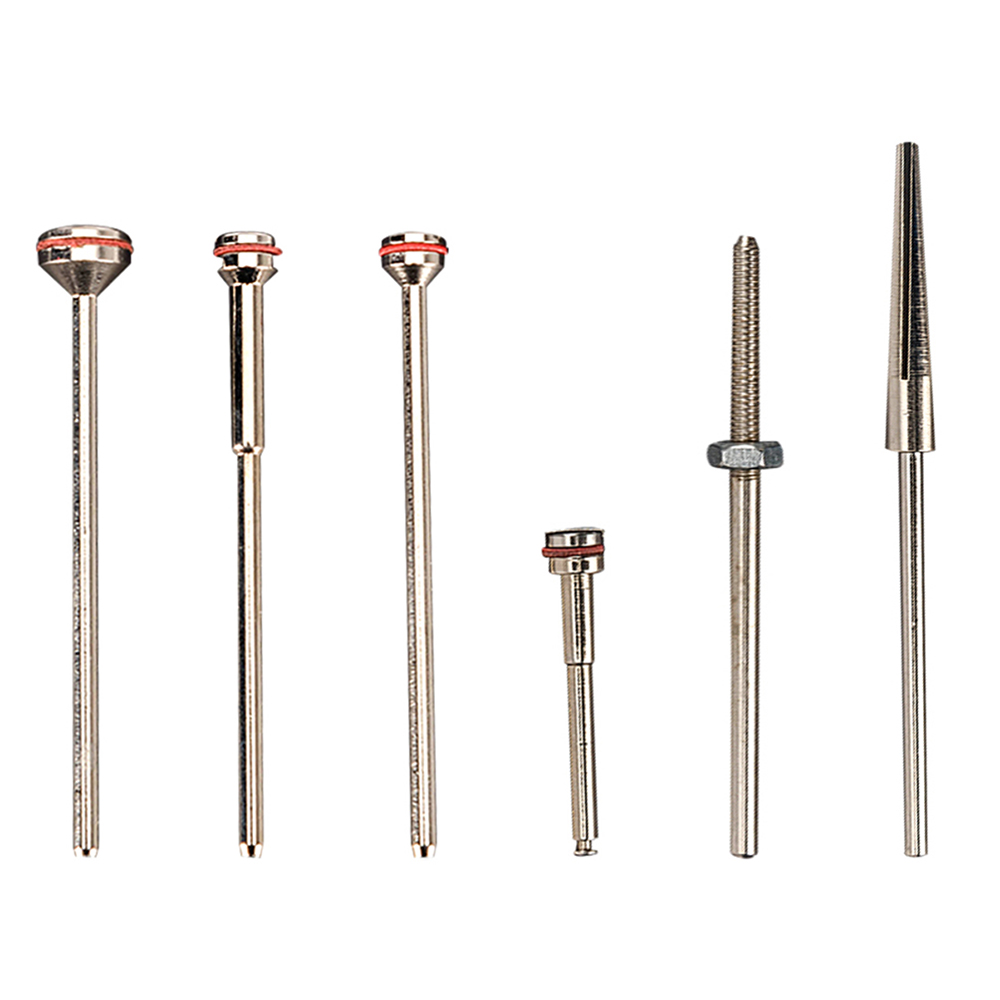
The exception is the mandrel (the metal shank that holds the cup on the handpiece). Mandrels are reusable and should be cleaned, sterilized, and inspected between patients according to the manufacturer's reprocessing instructions. For general sterilization guidance applicable to dental instruments, see our article on sterilization of dental burs.
How Do Prophy Cups Compare to Prophy Brushes?
Both prophy cups and prophy brushes serve a polishing function, but they work differently:
| Feature | Prophy Cup | Prophy Brush |
|---|---|---|
| Best surface | Smooth, flat tooth surfaces | Occlusal pits and fissures |
| Paste retention | Good (especially webbed designs) | Moderate (paste disperses quickly) |
| Tissue safety | Gentle on soft tissue | Can irritate gingiva if not careful |
| Stain removal | Excellent on buccal and lingual surfaces | Excellent in grooves and fossae |
Many hygienists use both instruments during a single appointment — cups for smooth surfaces and brushes for occlusal anatomy — to achieve a thorough polish across all tooth surfaces.
What Polishing Pastes Work Best with Prophy Cups?
The polishing paste you choose affects the final result as much as the cup itself. Pastes come in different grits:
- Coarse paste — For heavy stain removal. Use sparingly and only where needed, as coarse abrasives can remove a thin layer of enamel or scratch restorations.
- Medium paste — A good general-purpose choice for routine prophylaxis on patients with moderate staining.
- Fine paste — Best for light stain, sensitive teeth, and polishing around restorations. Produces a high-gloss finish with minimal enamel abrasion.
Some modern pastes are designed as "uni-pastes" that start coarse and break down to a finer grit during polishing, eliminating the need to switch between paste types.
Tips for Better Prophy Cup Results
Keep these practical tips in mind to get the most out of every polishing procedure:
- Store prophy cups in a cool, dry place away from direct sunlight. Heat and UV exposure degrade rubber over time.
- Check the expiration date. Old cups become stiff and less effective.
- Match cup size to patient anatomy. Petite cups for children and smaller arches; standard cups for adult patients.
- Use a compatible mandrel that grips the cup securely. A loose cup wobbles during use and produces inconsistent results.
- Document the cup type and paste grit in the patient record for consistency at recall appointments.
Summary
Prophy cups are a simple but essential part of every prophylaxis appointment. Selecting the right cup type, using proper low-speed technique, and pairing the cup with an appropriate polishing paste will produce smooth, stain-free surfaces that patients notice and appreciate. Whether you prefer webbed, ribbed, or flared designs, understanding how each cup works allows you to tailor your approach to each patient's needs.