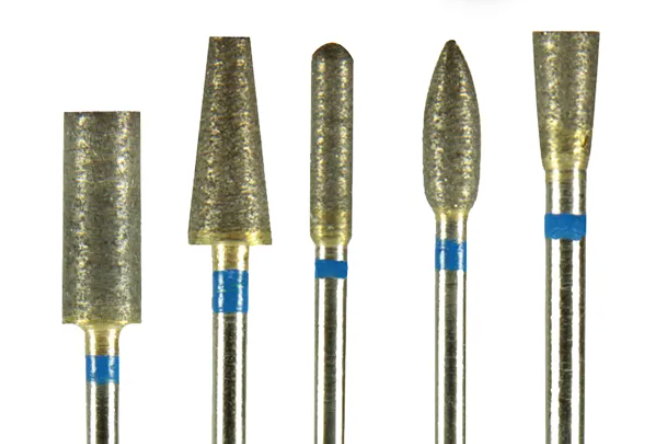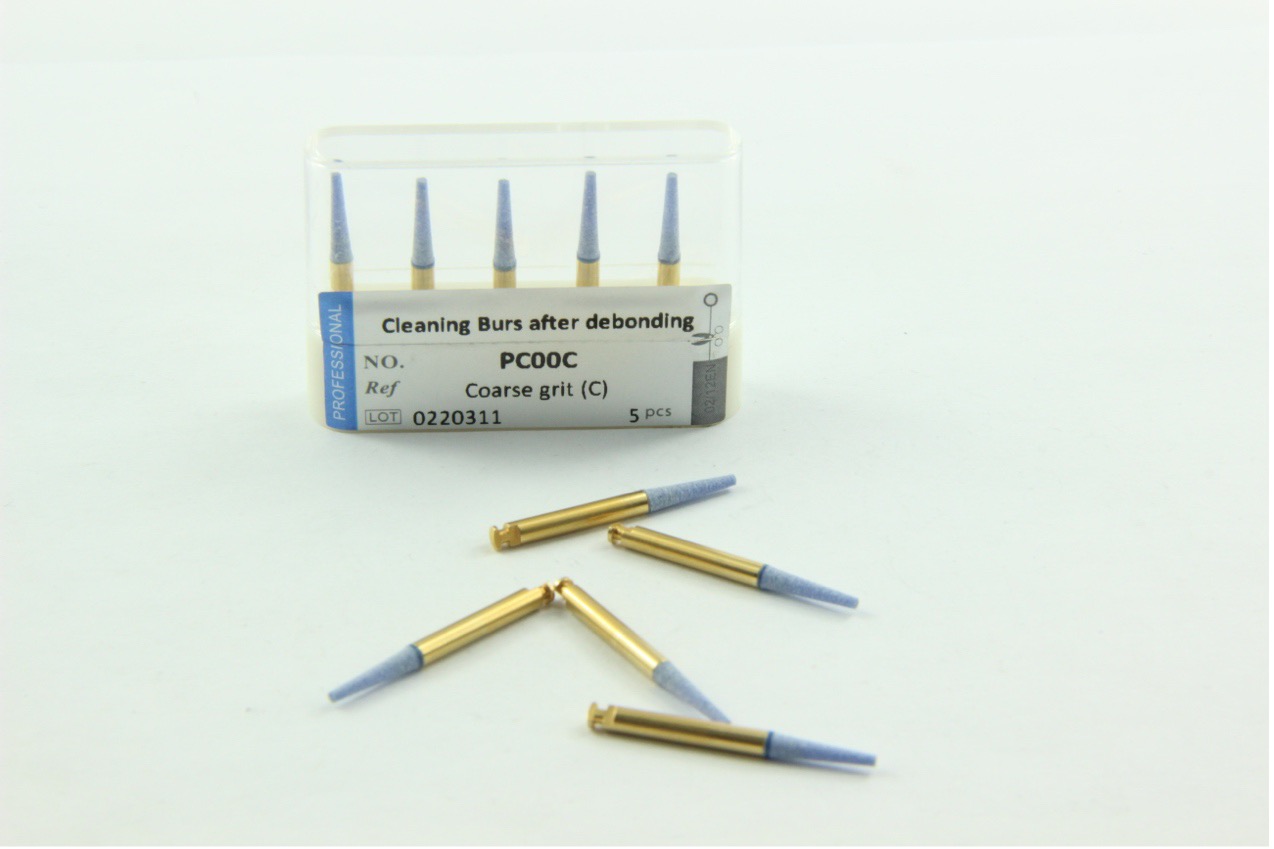
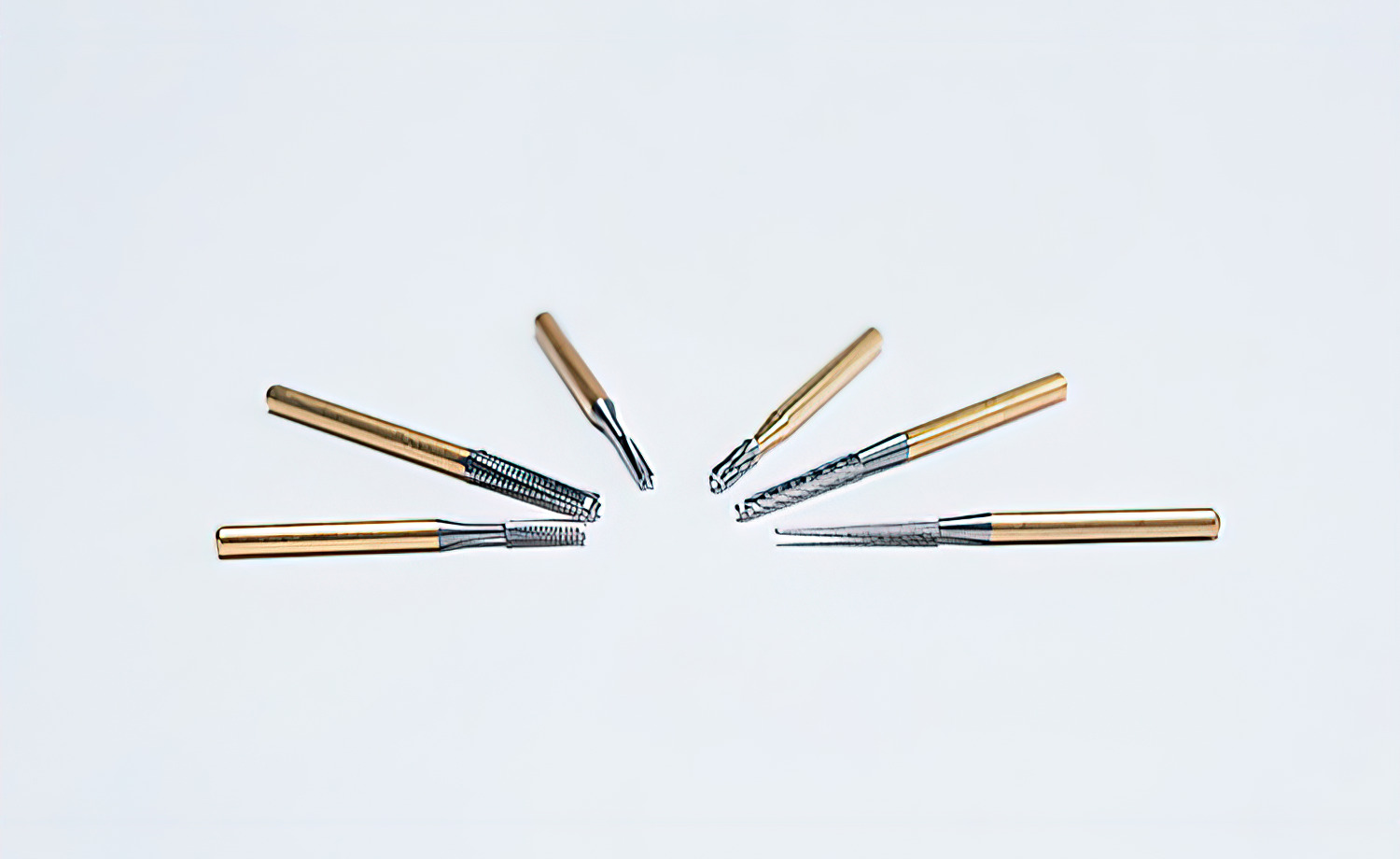
Tungsten carbide burs are among the most reliable cutting instruments in dentistry. They remove metal-based restorations efficiently, shape cavity preparations with precision, and finish composite materials to a smooth surface. Because they cost more than steel burs, proper cleaning and sterilization practices are important for protecting your investment and extending their service life.
This guide covers both manual and ultrasonic cleaning methods, followed by the correct autoclaving procedures. We also address common mistakes that shorten bur life and reduce cutting performance.
Why Proper Reprocessing Matters
Dental burs contact blood, saliva, and tissue debris during every procedure. If this biological material is not fully removed before sterilization, the autoclave cannot reach the bur surface effectively. Biofilm and dried debris act as a shield, allowing pathogens to survive the sterilization cycle. The result is an instrument that looks clean but is not truly sterile.
Beyond infection control, residual debris also affects performance. Clogged flutes reduce cutting efficiency, increase heat generation, and force the clinician to apply more pressure — which accelerates wear on both the bur and the handpiece.
Manual Cleaning Procedure
Manual cleaning is the baseline method and should be performed in a designated instrument cleaning area, separate from patient treatment zones.
Step 1: Initial Rinse
Hold the bur (and bur block, if applicable) under cool running water for at least one minute. Cool water is preferred because hot water can coagulate proteins in blood and tissue, making them harder to remove later.
Step 2: Soak in Cleaning Solution
Submerge the burs in a neutral-pH enzymatic cleaning solution such as Enzol or an equivalent product approved for use on dental instruments. Allow a minimum soak time of ten minutes. The enzymes break down organic material — blood proteins, tissue fragments, and composite residue — at a molecular level.
Avoid using acidic or alkaline cleaners unless the manufacturer specifically approves them for carbide instruments. Harsh chemicals can attack the cobalt binder that holds the tungsten carbide grains together, weakening the bur head over time.
Step 3: Scrub Under Solution
Using a soft nylon brush, scrub each bur for approximately two minutes while keeping it submerged in the cleaning solution. Brush away from your body to minimize splash and aerosol exposure.
Important notes on brush selection:
- Use nylon brushes only for routine cleaning.
- Avoid brass-bristle brushes — brass particles left on the bur surface can cause galvanic corrosion when the bur contacts dissimilar metals in the mouth.
- Avoid steel-bristle brushes — steel particles can scratch and tarnish stainless steel bur shanks.
Step 4: Visual Inspection
After scrubbing, inspect each bur under good lighting or magnification. All visible debris must be removed. Pay close attention to the flute valleys where material tends to accumulate. If any debris remains, repeat the soak and scrub steps.
Step 5: Final Rinse
Rinse the burs under warm running water for at least one minute, or until visually clean. The warm water helps remove any remaining cleaning solution residue.
Step 6: Dry Thoroughly
Dry each bur with a lint-free cloth, paper towel, or non-shedding wipe. Alternatively, use dry heat not exceeding 60 degrees Celsius (140 degrees Fahrenheit). Complete drying is essential — moisture left on carbide burs promotes corrosion at the carbide-steel joint where the bur head meets the shank.
Ultrasonic Cleaning Procedure
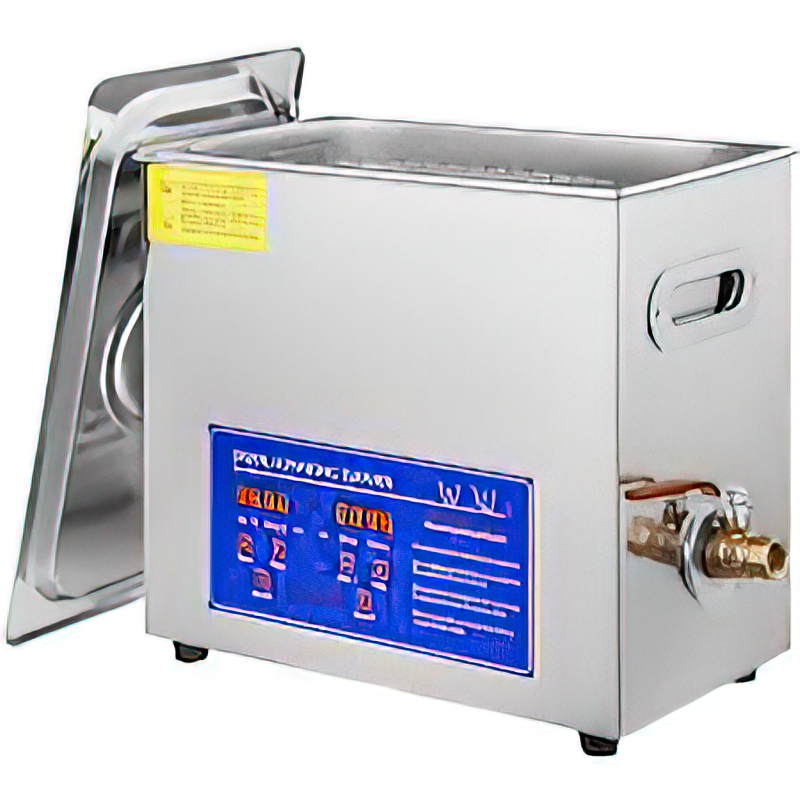
Ultrasonic cleaners use high-frequency sound waves to create microscopic cavitation bubbles in the cleaning solution. These bubbles implode on contact with the bur surface, dislodging debris from areas that manual scrubbing cannot always reach. Ultrasonic cleaning is more consistent than manual methods and is the recommended approach when available.
Step 1: Load Burs in Holders
Place burs in bur blocks or bur holders before loading them into the ultrasonic bath. This prevents the burs from contacting each other, which can cause chipping of the carbide cutting edges.
Step 2: Run the Cleaning Cycle
Fill the ultrasonic unit with water and add enzymatic cleaner at the concentration specified by the manufacturer. Set the cycle to run for ten minutes at the recommended temperature. After the cycle completes, rinse the burs in cool water for two minutes to remove all cleaning solution.
Step 3: Inspect and Dry
Examine each bur for remaining debris. If any is found, run a second ultrasonic cycle. Once clean, dry the burs using compressed air or a lint-free wipe. Do not allow burs to air-dry, as water spots can lead to corrosion.
Note: Sterilization cannot be effective unless all organic and inorganic debris has been completely removed during the cleaning phase. A bur that is not clean cannot be considered sterile, regardless of autoclave settings.
Sterilization by Autoclaving
Steam autoclaving is the standard sterilization method for tungsten carbide burs. Two approaches are commonly used in dental practices:
Vacuum (Type B) Autoclaving
This is the preferred method. A vacuum autoclave removes air from the chamber before introducing steam, which allows better steam penetration into lumens and complex instrument geometries. Place the cleaned and dried burs in sterilization pouches or cassettes. Run a standard vacuum cycle following the autoclave manufacturer's parameters.
Non-Vacuum (Gravity) Autoclaving
If a vacuum autoclave is not available, gravity-displacement autoclaving is acceptable. Use the following minimum parameters:
| Parameter | Setting |
|---|---|
| Temperature | 132 degrees C (270 degrees F) minimum |
| Exposure time | 3 minutes minimum at temperature |
| Packaging | FDA-cleared sterilization pouch |
| Cycle type | Dynamic air removal (prevacuum or SFPP) |
Always verify that your autoclave passes routine spore testing (biological indicators) according to your regulatory requirements.
Storage After Sterilization
Store sterilized burs in their sealed pouches in a clean, dry cabinet until use. A dry environment prevents corrosion at the carbide-steel joint, which is the most vulnerable point on any carbide bur. Do not open sterilization pouches until the burs are needed for a procedure.
If a pouch is torn, wet, or has a broken seal, the contents must be reprocessed through the full cleaning and sterilization cycle before use.
Common Mistakes to Avoid
- Using cold disinfectant solutions instead of autoclaving: Chemical immersion does not achieve sterility and may contain corrosive agents that degrade carbide burs. Always autoclave.
- Skipping the cleaning step: Placing debris-laden burs directly into an autoclave does not sterilize them. The cleaning step is not optional.
- Using the wrong brush material: Brass and steel brushes leave metallic particles that cause corrosion and contamination.
- Storing burs in humid conditions: Moisture weakens the cobalt binder and corrodes the carbide-steel joint. Always store in a dry environment.
- Reusing single-use burs: Some burs are designed for single use only. Check the manufacturer's instructions before reprocessing.
Extending the Life of Your Carbide Burs
Beyond cleaning and sterilization, a few operational practices help your burs last longer:
- Run the handpiece at the manufacturer's recommended speed. Excessive RPM generates heat that can weaken the carbide-steel braze joint.
- Use light, intermittent pressure. Let the bur do the cutting rather than forcing it through the material.
- Replace burs that show visible wear, chipping, or wobble. A dull bur requires more pressure and generates more heat, which damages both the instrument and the tooth.
- For guidance on selecting the right carbide bur for each procedure, see our carbide bur guide.
Maintaining a consistent reprocessing protocol protects your patients, preserves your instruments, and supports the quality of every procedure. For related instrument care, read our article on cleaning diamond burs, which covers similar methods adapted for diamond-coated instruments. Browse our full selection of tungsten carbide burs and surgical carbide burs to find the right instrument for your practice.