
Dental anxiety affects approximately 36% of the population, with an additional 12% experiencing extreme dental fear. As dental professionals, understanding how to manage anxious patients is essential for providing quality care and building a successful practice. This complete guide explores evidence-based strategies to help patients overcome their fears and receive the dental treatment they need.
Understanding the Roots of Dental Anxiety
Before implementing management strategies, it's important to recognize what triggers dental anxiety. Common sources include previous negative experiences, fear of pain, loss of control, embarrassment about oral health, and sensory sensitivities to sounds, smells, or the clinical environment. Many patients also fear needles or have general anxiety disorders that manifest strongly in dental settings.
The physiological response to dental anxiety can range from mild nervousness to full panic attacks. Patients may experience improved heart rate, sweating, difficulty breathing, or even avoid appointments entirely. Recognizing these responses allows you to tailor your approach to each individual patient.
Communication Techniques That Build Trust
Effective communication forms the foundation of anxiety management. Start by establishing rapport during the initial consultation. Listen actively to patient concerns without dismissing or minimizing their fears. Use open-ended questions to understand their specific triggers and previous experiences.
Explain procedures in clear, non-technical language. Instead of saying "we'll need to perform a pulpectomy," try "we'll clean out the infection inside your tooth to relieve your pain." Avoid words that trigger anxiety such as "drill," "needle," or "pain." Replace them with softer alternatives like "cleaner," "numbing solution," or "pressure."
The tell-show-do technique remains one of the most effective communication methods. First, explain what you're going to do. Then show the patient the instruments and demonstrate them on your finger or their hand. Finally, perform the procedure. This predictability reduces fear of the unknown.
Establish a stop signal before beginning treatment. This gives patients a sense of control, knowing they can pause the procedure at any time. A simple raised hand works well. Honor this signal immediately when used to maintain trust.
Creating an Anxiety-Reducing Environment
Your physical environment significantly impacts patient anxiety levels. Consider these evidence-based modifications:
- Waiting room design: Use warm colors, comfortable seating, and natural light. Add plants, aquariums, or artwork to create a calming atmosphere rather than a clinical one.
- Ambient noise: Play soft background music to mask clinical sounds. Offer noise-canceling headphones or let patients listen to their own music during procedures.
- Aromatherapy: Use subtle scents like lavender or vanilla to counteract clinical odors. Avoid strong artificial fragrances.
- Temperature control: Keep treatment rooms comfortably warm, as anxiety can make patients feel cold.
- Lighting: Avoid harsh overhead lights directly in patients' eyes. Use adjustable lighting to reduce visual stress.
Schedule anxious patients for morning appointments when you and your staff have more time and energy to provide patient support. Avoid scheduling them during your busiest periods when rushed treatment might increase their stress.
Behavioral Management Strategies
Several behavioral techniques can help patients manage their anxiety during treatment:
Deep breathing exercises: Teach patients to breathe in slowly through the nose for four counts, hold for four counts, and exhale through the mouth for four counts. This activates the parasympathetic nervous system and reduces anxiety responses.
Progressive muscle relaxation: Guide patients to tense and release muscle groups systematically, starting with their toes and moving upward. This technique helps them recognize and release physical tension.
Guided imagery: Encourage patients to visualize a peaceful place while you work. Many find beaches, forests, or mountains particularly calming. Some practices provide virtual reality headsets showing relaxing scenes.
Distraction techniques: Provide handheld stress balls, display ceiling-mounted televisions, or offer tablets with games or videos. Physical distraction combined with visual engagement can significantly reduce perceived discomfort.
Modern Instruments and Technologies
Advancements in dental technology have made procedures genuinely less invasive and more comfortable. Educating patients about these improvements can reduce anxiety based on outdated experiences.
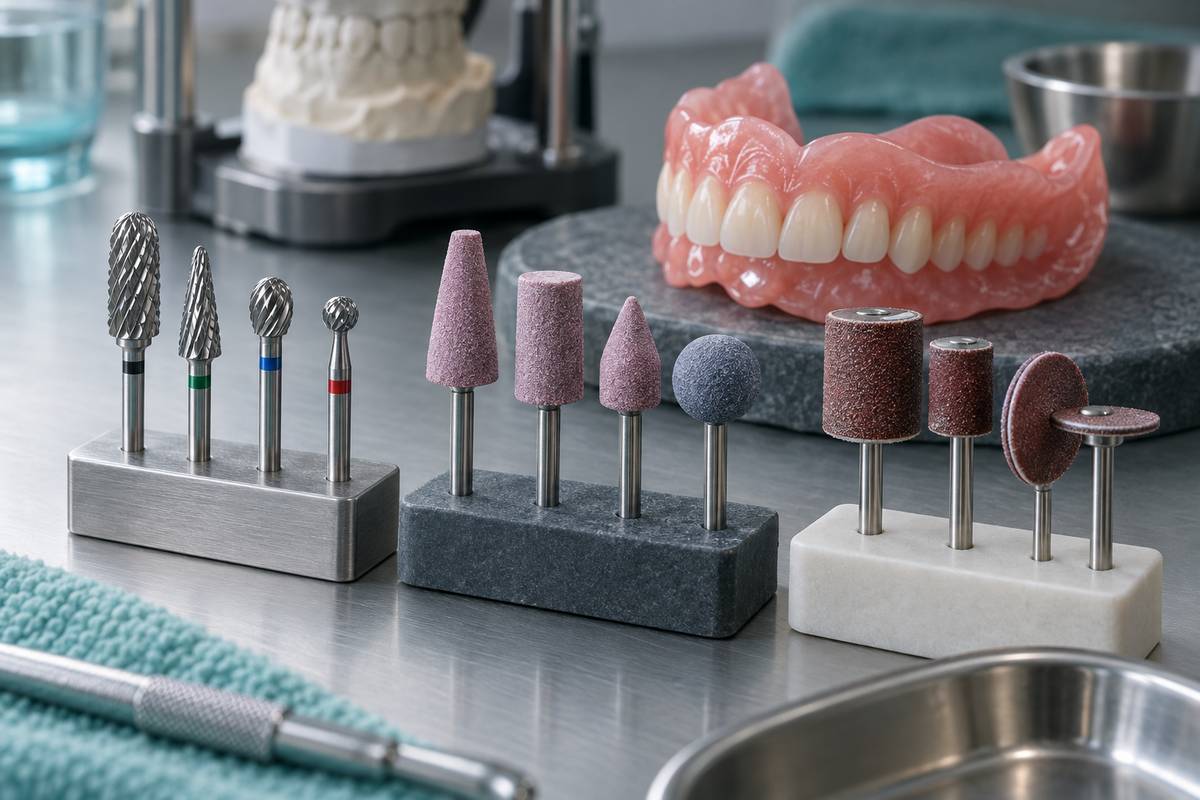
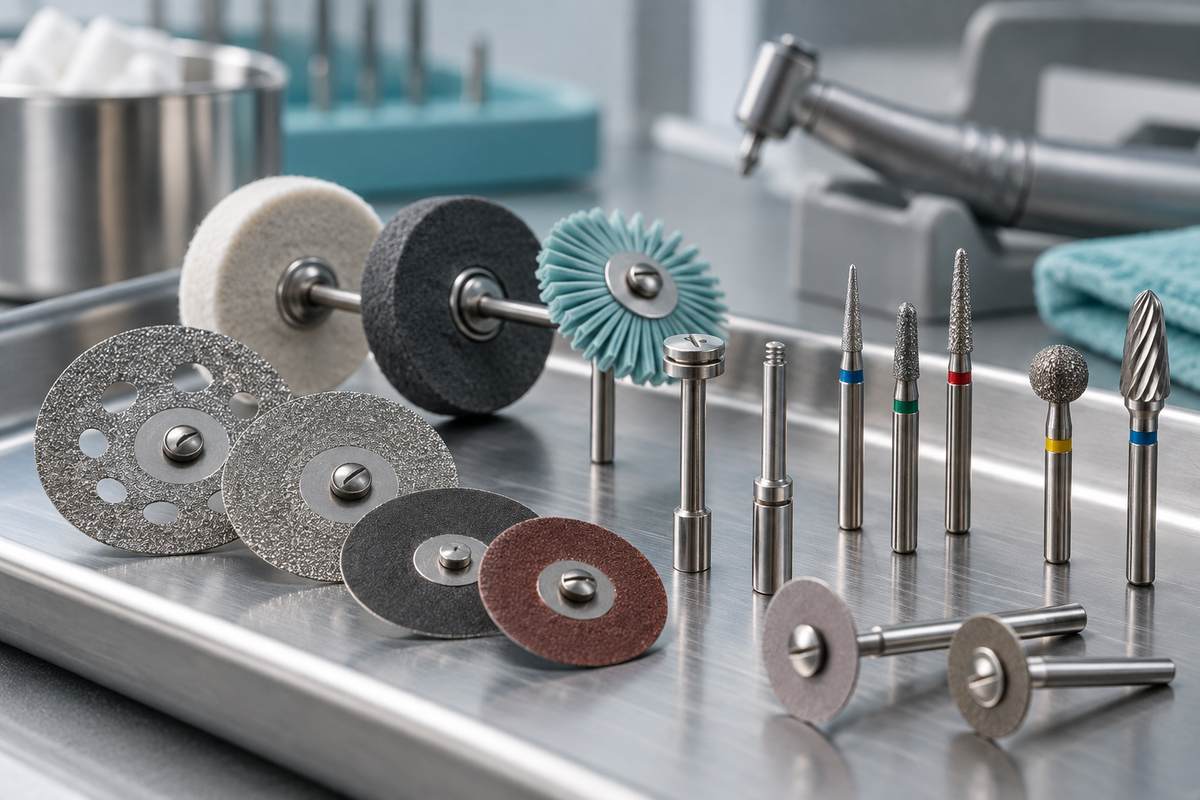
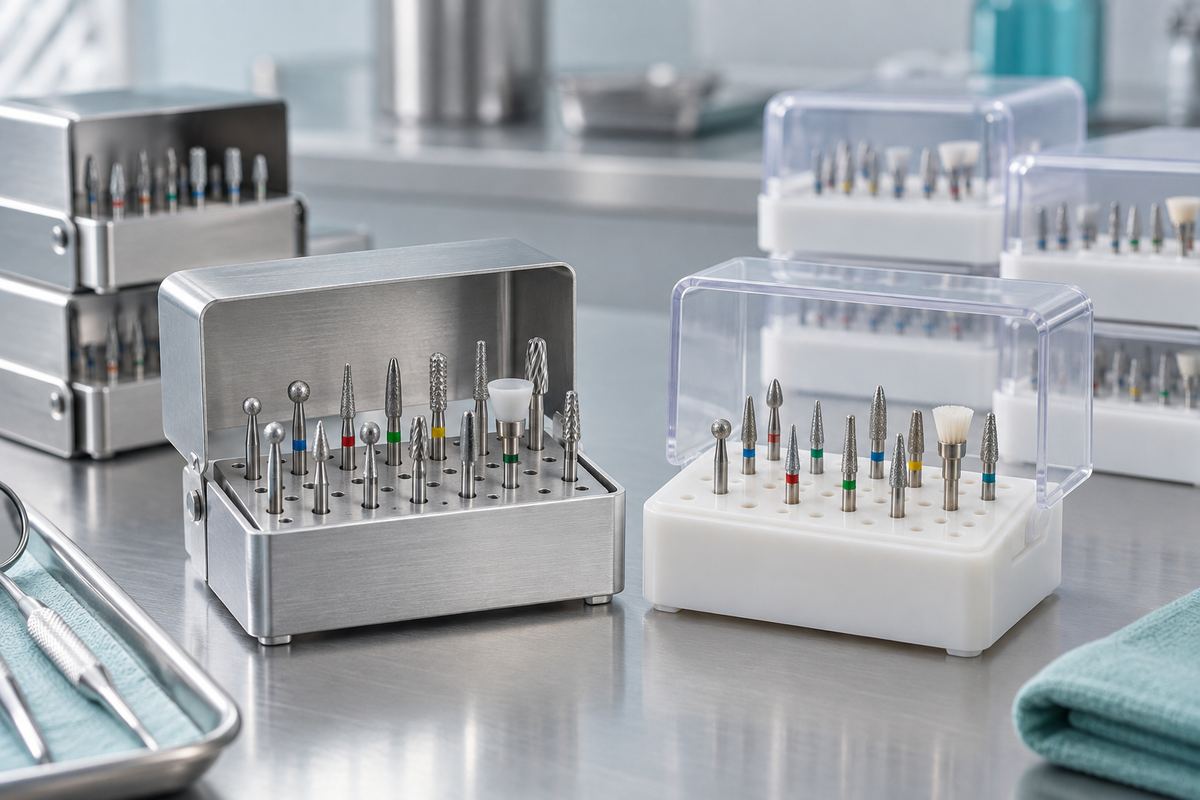
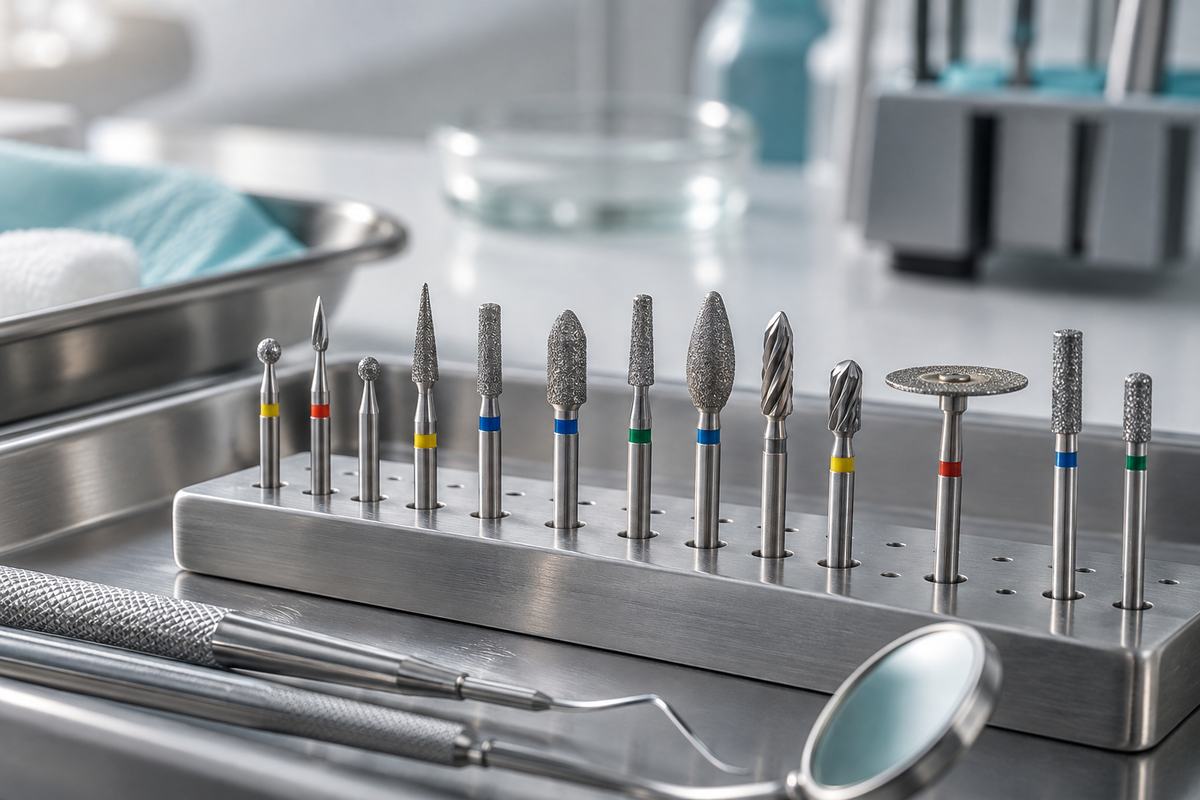
Modern high-speed handpieces operate more quietly than older models. The reduction in noise alone can decrease anxiety for patients who associate the sound with pain. When selecting diamond dental burs, choosing appropriate grit and geometry allows for more efficient cutting with less pressure and heat generation.
Electric handpieces provide consistent torque regardless of resistance, allowing smoother cutting action. This reduces vibration and the "grinding" sensation patients often fear. The improved precision also means shorter procedure times.
Laser dentistry offers quiet, often anesthesia-free alternatives for many soft tissue procedures. While not suitable for all applications, lasers provide an excellent option for patients with injection phobia or noise sensitivity.
Digital impression systems eliminate the gagging and discomfort associated with traditional impression materials. For patients with sensitive gag reflexes, this technology can transform an unbearable procedure into a comfortable one.
Sedation Options and Pharmacological Management
When behavioral techniques prove insufficient, sedation dentistry offers valuable alternatives. Understanding the spectrum of options allows you to match the appropriate level to each patient's needs:
| Sedation Level | Method | Best For | Considerations |
|---|---|---|---|
| Minimal (anxiolysis) | Nitrous oxide, low-dose oral sedatives | Mild to moderate anxiety, shorter procedures | Patient remains responsive, can drive home |
| Moderate (conscious sedation) | Oral sedatives (higher dose), IV sedation | Moderate to severe anxiety, longer procedures | Requires escort, may not remember procedure |
| Deep sedation | IV medications | Severe anxiety, extensive treatment | Requires monitoring equipment, trained staff |
| General anesthesia | IV medications, intubation | Extreme phobia, special needs, extensive surgery | Requires anesthesiologist, hospital or surgical center |
Nitrous oxide remains the most common anxiolytic in general dental practices. It provides rapid onset and offset, allowing patients to drive themselves home. The adjustable dosing lets you titrate to individual needs. Explain that patients will remain aware and in control but feel more relaxed.
Oral sedatives like triazolam or diazepam work well for patients who need more than nitrous oxide but want to avoid IV sedation. Provide detailed pre- and post-operative instructions, including the requirement for an escort and restrictions on activities for 24 hours.
IV sedation requires additional training and certification but offers precise control and deeper sedation levels. Many severely anxious patients who previously avoided all dental care can receive treatment comfortably with IV sedation. Ensure proper monitoring equipment and trained staff before offering this service.
Building Long-Term Patient Relationships
Successfully managing one appointment doesn't solve dental anxiety long-term. Build progressive trust through these strategies:
Start with simple, non-invasive procedures for new anxious patients. A cleaning or examination allows them to experience your chairside manner without the stress of treatment. Success builds confidence for future appointments.
Keep detailed notes about what worked for each patient. Record their preferences for music, temperature, communication style, and effective techniques. Reference these notes before appointments to personalize their experience.
Follow up after difficult appointments. A phone call or text the evening after treatment shows you care about their wellbeing beyond the clinical procedure. This personal touch strengthens the therapeutic relationship.
Celebrate progress with your patients. If someone who previously canceled three times completes a filling, acknowledge their courage. Positive reinforcement encourages continued engagement with dental care.
Staff Training and Team Coordination
Your entire team must understand anxiety management. Receptionists set the tone with phone interactions. Train them to speak calmly, confirm the patient's concerns are heard, and communicate flexibility. Dental assistants should recognize anxiety symptoms and know calming techniques they can use while preparing patients.
Hold regular team meetings to discuss challenging cases and share successful strategies. When everyone uses consistent approaches, patients experience seamless care that reinforces their comfort.
Develop office protocols for anxiety emergencies. Know how to recognize panic attacks, vasovagal syncope, and hyperventilation. Have clear procedures for managing these situations to ensure patient safety and team confidence.
The Role of Prevention and Maintenance
Regular preventive care reduces the need for extensive procedures that trigger severe anxiety. Emphasize to patients that routine cleanings and examinations prevent the painful emergencies they fear most. Using high-quality silicone rubber polishers during finishing procedures creates smooth, comfortable restorations that require less future intervention.
For patients who struggle with regular attendance, consider shorter, more frequent appointments. Four 30-minute visits may feel more manageable than two 60-minute sessions, even though the total time is the same.
When to Refer
Recognize when anxiety exceeds what you can manage in general practice. Patients with severe phobias, PTSD related to dental trauma, or complex medical conditions may benefit from specialists experienced in treating high-anxiety patients. Sedation dentists, special needs dentists, or practices with in-house anesthesiologists can provide appropriate care.
Suggest patients work with mental health professionals for underlying anxiety disorders. Cognitive behavioral therapy specifically for dental phobia shows excellent results. Some therapists even accompany patients to appointments during treatment.
Creating Your Anxiety-Friendly Practice
Managing dental anxiety isn't a single technique but a complete approach incorporating environment, communication, technology, and pharmacology. Every anxious patient who successfully completes treatment becomes an ambassador for your practice, often referring family members with similar fears.
Invest time in understanding each patient's unique anxiety triggers. Combine modern, quieter instruments with proven behavioral techniques and appropriate sedation when needed. Most importantly, build genuine relationships based on trust, empathy, and respect for patient fears.
The reward extends beyond practice growth. Helping someone overcome dental anxiety often means ending years of pain, improving their health, and restoring their confidence. Few aspects of dentistry offer such profound personal impact. For more insights on creating comfortable patient experiences, explore our guide on modern endodontic techniques that minimize treatment time and discomfort.