
The dental handpiece has undergone a remarkable transformation over the past two decades. What was once a loud, vibration-heavy air-driven tool is now a precision electric instrument with built-in lighting, digital speed control, and ergonomic engineering that reduces operator fatigue. This article covers the most significant recent advances in handpiece technology and explains how each one benefits both the clinician and the patient.
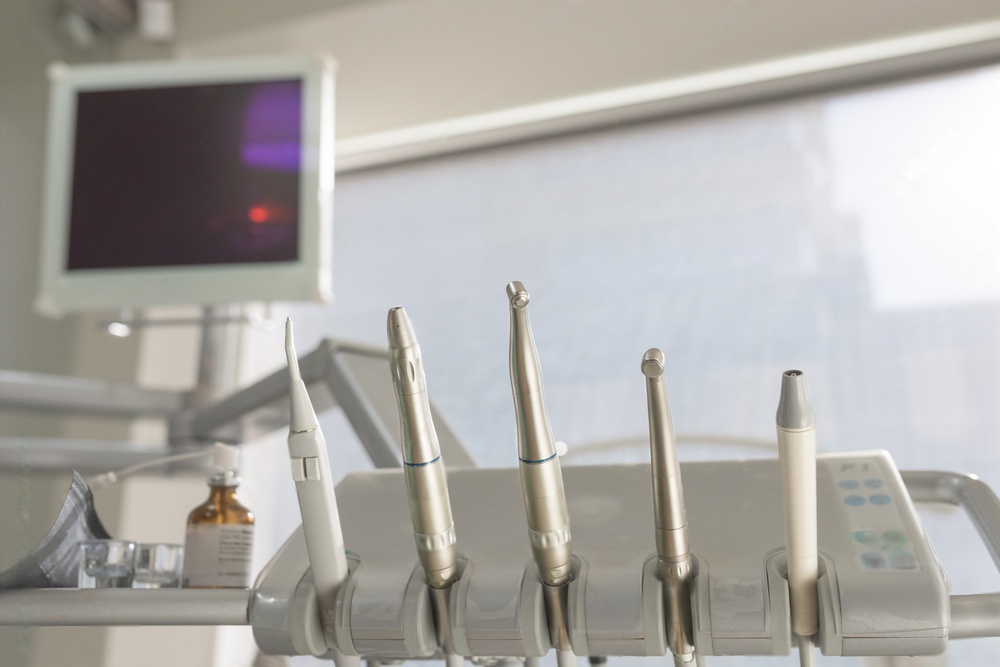
From Air-Driven to Electric: The Biggest Shift
Air-driven (air-turbine) handpieces dominated dentistry for decades. They are lightweight, affordable, and simple to maintain. However, they have inherent limitations: speed drops under load, torque is inconsistent, and noise levels can exceed 70 dB — enough to increase patient anxiety before the bur even touches the tooth.
Electric handpieces address all three issues. A brushless micromotor mounted in or near the handpiece head delivers constant torque regardless of load, meaning the bur speed stays stable whether you are cutting enamel, dentin, or a ceramic restoration. Top-end electric systems now reach speeds up to 200,000 RPM in a clinical handpiece, with laboratory straight-nose models pushing higher for milling and grinding tasks.
Torque Consistency Matters
When an air-driven handpiece meets resistance, the turbine slows. The clinician compensates by pressing harder, which generates more heat and can cause bur deflection. Electric handpieces maintain their set speed under load, producing cleaner cuts with less pressure. This is especially noticeable during crown preparation, where consistent wall taper depends on steady bur rotation. For guidance on selecting the right burs for these procedures, see our article on dental bur types and their uses.
Speed Control and Programmable Settings
Modern electric handpiece systems include a control unit — either a standalone box or an integrated panel on the dental unit — that lets the clinician set precise RPM values. Many systems offer programmable presets, so common procedures have their ideal speed and torque settings stored and ready at the tap of a foot pedal.
Typical Speed Ranges by Procedure
| Procedure | Recommended RPM | Handpiece Type |
|---|---|---|
| Crown preparation | 150,000–200,000 | High-speed 1:5 contra-angle |
| Caries removal | 5,000–40,000 | Slow-speed 1:1 contra-angle |
| Endodontic access | 800–3,000 | Endo-specific contra-angle |
| Implant drilling | 800–2,000 | Surgical contra-angle (20:1) |
| Polishing | 5,000–15,000 | Slow-speed with prophy head |
This level of control was simply not possible with air-driven systems, where speed regulation depended on air pressure and foot-pedal sensitivity.
Ergonomic Design Advances
Hand fatigue and repetitive strain injuries are real occupational hazards for dental professionals. Handpiece manufacturers have responded with several ergonomic improvements:
- Reduced head size — Smaller heads improve visibility in the posterior mouth and allow better angulation in tight interproximal spaces.
- Lower weight — Current electric handpieces weigh as little as 50 grams, comparable to the lightest air-driven models.
- Balanced center of gravity — Shifting the motor mass closer to the grip point reduces wrist torque during extended use.
- Swivel connectors — Allow the hose to rotate freely, eliminating the twisting resistance that can strain the wrist and forearm during multi-surface preparations.
- Textured grip surfaces — Non-slip coatings maintain a secure hold even when gloves are wet, reducing the grip force needed.
These changes add up. Clinicians who switch from older handpieces to current ergonomic models commonly report less end-of-day fatigue and fewer musculoskeletal complaints over time.

Built-In LED Lighting
Integrated LED lights in the handpiece head have become a standard feature rather than a premium upgrade. The best systems deliver daylight-color illumination (approximately 5,500 K) directly onto the preparation site, eliminating shadows cast by overhead operatory lights.
Why LED Matters Clinically
- Better shade matching — True-color lighting helps the clinician see the actual color of tooth structure and restorative materials without the warm-tone distortion of halogen bulbs.
- Improved margin visibility — Direct illumination at the bur tip makes it easier to see the finish line during preparation, reducing the chance of over- or under-preparation.
- Longer bulb life — LED elements last tens of thousands of hours, far exceeding the lifespan of earlier fiber-optic light guides that yellowed and dimmed over time.
LED handpieces pair well with magnification loupes or microscopes, since both the light source and the magnified view are focused on the same point.
Noise and Vibration Reduction
Patient anxiety is closely tied to the sound of the dental handpiece. Electric motors are inherently quieter than air turbines — most electric systems operate below 60 dB, compared to 70 dB or more for air-driven models. That 10 dB difference represents roughly a 50 percent reduction in perceived loudness.
Vibration has also been addressed through precision-machined ceramic bearings and improved rotor balancing. Lower vibration means smoother cuts, less micro-fracture risk in brittle materials, and a more comfortable experience for both patient and operator. If handpiece vibration or stalling is a concern in your practice, our guide to common handpiece problems and solutions covers troubleshooting steps.
Maintenance and Sterilization
Modern handpieces are designed for fast turnaround between patients. Key maintenance-friendly features include:
- Autoclavable heads — Most current handpieces tolerate standard 134 °C steam autoclave cycles without lubrication breakdown.
- Automatic lubrication stations — Dedicated cleaning and lubrication devices flush the internal channels, apply the correct oil volume, and purge excess — all in under a minute.
- Tool-free bur changes — Push-button chuck mechanisms allow bur swaps in seconds, reducing cross-contamination risk from fumbling with wrenches.
- Sealed head designs — Internal components are protected from ingress of blood, saliva, and debris, extending bearing life and reducing repair frequency.
Following the manufacturer's lubrication and sterilization schedule is the single most effective way to extend handpiece life and avoid costly repairs. Many clinicians find that keeping a written maintenance log — noting dates, cycle counts, and any unusual sounds or vibrations — helps catch developing problems before they require expensive factory service. Bearing wear, O-ring degradation, and chuck mechanism looseness are the three most common failure points, and all three are detectable early through routine inspection.
Choosing the Right Handpiece and Bur Combination
A high-performance handpiece reaches its full potential only when paired with the right bur. Key considerations include:
- Shank compatibility — FG (friction grip) shanks for high-speed contra-angles, RA shanks for slow-speed, and HP shanks for straight handpieces.
- Bur material — Diamond burs for hard tissue and ceramic adjustment; tungsten carbide burs for finishing, caries removal, and metal trimming.
- Bur quality — Concentricity and balance matter. A poorly manufactured bur introduces vibration that no handpiece design can fully compensate for.
Browse our selection of tungsten carbide burs and diamond dental burs designed to perform at their best in both air-driven and electric handpiece systems.
What to Expect Next
Handpiece development continues to accelerate. Trends on the near horizon include wireless (battery-powered) handpieces that eliminate hose drag entirely, smart sensors that detect bur wear and alert the clinician before cutting efficiency drops, and tighter integration with CAD/CAM workflows where the handpiece communicates preparation parameters directly to the milling unit. For practices already using digital workflows, purpose-built CAD/CAM milling burs are engineered to complement the latest generation of chairside milling systems.
The dental handpiece has evolved from a noisy, imprecise tool into a quiet, powerful, and intelligent instrument. Each generation brings meaningful improvements in speed control, ergonomics, lighting, and durability. Staying current with handpiece technology is one of the most direct ways to improve clinical outcomes, increase patient comfort, and protect your own long-term physical health as a practitioner.