

Sintered vs Electroplated Diamond Burs: Which to Choose
What is the difference between a sintered bur and a plated bur? Why do sintered burs cost more, and are they worth it? When should you use one over the other? These are questions that every beginning gemstone carver eventually asks. This guide breaks down the construction, performance, and value of both sintered and electroplated diamond burs so you can make a confident purchasing decision.
What Is a Fully Sintered Diamond Bur?
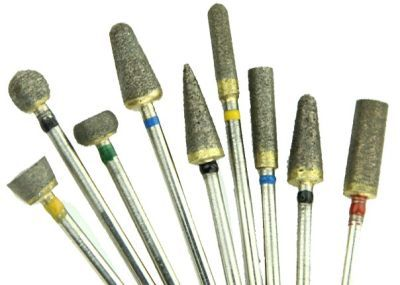
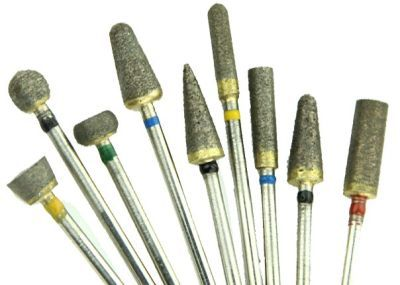
A fully sintered diamond bur is manufactured by mixing diamond particles with metal powder, then fusing them together under extreme heat and pressure. This sintering process distributes diamond grit evenly throughout the entire metal matrix, not just on the surface.
Because diamond particles exist at every depth of the working head, a sintered bur essentially renews itself as it wears. The outer layer gradually erodes, exposing fresh diamond underneath. This self-sharpening quality gives sintered burs a far longer working life than surface-coated alternatives.
The metal matrix itself plays a role in performance. Manufacturers adjust the hardness of the binder metal to match the intended application. A softer matrix wears faster, exposing new diamond more quickly for aggressive cutting. A harder matrix wears slowly, which suits fine detail work where controlled material removal matters more than speed.
Key Characteristics of Sintered Diamond Burs
- Diamond distribution: Throughout the entire bur body
- Self-renewing surface: New diamond grit exposed as bur wears
- Best for: Heavy grinding, hard materials, extended sessions
- Typical lifespan: 10 to 50 times longer than electroplated burs, depending on the material being cut
What Is an Electroplated Diamond Bur?
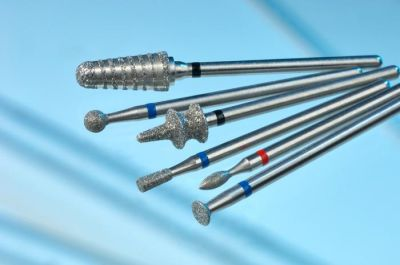
An electroplated diamond bur starts with a steel or hard-metal shank. Diamond particles are bonded to its outer surface through an electrochemical plating process. This creates a single layer of exposed diamond grit on the outside of the tool.
Because the diamond coating is only one particle deep, performance drops noticeably once that layer begins to wear or shed. Electroplated burs are less expensive to produce, which makes them an attractive option for lighter work or short-run projects where tool longevity is not the primary concern.
One advantage of electroplating is that it allows manufacturers to coat complex shapes with a very uniform layer of diamond. This means electroplated burs often have sharper profiles and more precise geometry than sintered burs, which can be an advantage for detailed surface texturing and fine engraving work.
Key Characteristics of Electroplated Diamond Burs
- Diamond distribution: Single layer on the surface only
- Initial sharpness: Very aggressive when new
- Best for: Light grinding, soft to medium materials, occasional use
- Typical lifespan: Shorter; replacement needed once surface grit wears away
Sintered vs Electroplated: Side-by-Side Comparison
| Feature | Sintered Diamond Bur | Electroplated Diamond Bur |
|---|---|---|
| Diamond placement | Throughout entire matrix | Surface layer only |
| Initial cost | Higher | Lower |
| Cost per hour of use | Lower over time | Higher due to frequent replacement |
| Durability | Excellent; self-renewing | Moderate; declines as coating wears |
| Best material match | Hard ceramics, metals, hard stone | Softer stone, glass, light finishing |
| Heat management | Better heat dissipation | Can overheat if pushed hard |
| Surface finish | Consistent throughout life | Smoothest when brand new |
| Shape precision | Good; slight rounding over time | Excellent; crisp profiles when new |
Why Do Sintered Diamond Burs Cost More?
Three factors drive the higher price point of sintered burs:
- Manufacturing complexity. The sintering process requires precise temperature and pressure control over an extended cycle time. Electroplating, by comparison, is faster and simpler.
- Diamond volume. A sintered bur contains diamond throughout its working head, requiring significantly more raw diamond material than a thin surface coating.
- Quality of diamond grit. Manufacturers typically use higher-grade, more uniform diamond particles in sintered burs to ensure consistent performance as new layers are exposed.
Despite the upfront cost, sintered burs often deliver a lower total cost of ownership. A single sintered bur can outlast dozens of electroplated burs, reducing both replacement expenses and downtime.
When to Choose Sintered Diamond Burs
Sintered burs are the better investment in these situations:
- Long carving sessions: If you spend hours at the bench, a sintered bur maintains its cutting edge without degrading mid-project.
- Hard or abrasive materials: Agate, jasper, hard ceramics, and metals wear through electroplated coatings quickly. Sintered burs handle them with ease.
- Precision work: Because the cutting surface remains consistent, sintered burs deliver more predictable results in detailed gemstone carving and dental laboratory applications.
- Cost-conscious professionals: Anyone who tracks tool spending over a year will typically find sintered burs more economical.
- Production environments: Workshops that run burs for multiple hours each day benefit from fewer tool changes and more consistent output.
When to Choose Electroplated Diamond Burs
Electroplated burs still have a place in your toolkit:
- Light or occasional tasks: For quick touch-ups or infrequent projects, the lower purchase price makes more sense.
- Soft materials: Soapstone, soft glass, and similar materials do not wear through the plating quickly, so the shorter lifespan matters less.
- Budget constraints: When you need a range of shapes and sizes but cannot invest heavily up front, electroplated sets provide affordable variety.
- Disposable applications: Some tasks call for a bur that will be used once and discarded. Electroplated burs fit this role well.
- Detail and engraving work: The crisp edge profiles of electroplated burs can produce finer lines and sharper details than the slightly rounded profiles of sintered burs.
Grit Selection for Both Types
Whether you choose sintered or electroplated, grit size affects your results just as much as the bur type. Coarse grits (around 100 to 150 mesh) remove material quickly and are best for rough shaping. Medium grits (200 to 325 mesh) handle general carving and moderate material removal. Fine grits (400 mesh and above) are used for smoothing, pre-polishing, and detail refinement.
For most gemstone carving projects, you will want at least two grits available: a medium grit for shaping and a fine grit for finishing. If you work with particularly hard stones, adding a coarse grit to the set saves time during the initial roughing phase. Understanding how grit interacts with different diamond and carbide bur types helps you build a well-rounded toolkit.
Maintenance Tips for Both Types
Regardless of which type you use, proper care extends bur life and improves results:
- Use water or coolant to manage heat during grinding. Overheating damages both bur types and can crack your workpiece.
- Clean burs after each session with a brass brush or ultrasonic cleaner. Diamond grit performs best when it is free of material buildup. For detailed cleaning instructions, read our guide on cleaning diamond burs.
- Store burs in a bur block or protective case to prevent the working heads from contacting each other.
- Match the bur to the material. Using a fine-grit bur on a task that requires a coarse grit wastes time and accelerates wear unnecessarily.
- Inspect burs regularly. A sintered bur that has worn down to the shank or an electroplated bur with visible bare spots should be retired immediately.
Making the Right Choice
Both sintered and electroplated diamond burs serve real purposes in gemstone carving, dental work, and precision crafting. The decision comes down to how often you use your tools, what materials you work with, and whether you prefer lower upfront cost or lower long-term cost.
For professionals and serious hobbyists who rely on their burs daily, sintered diamond burs pay for themselves many times over. For occasional users or those working with softer materials, electroplated burs remain a practical and budget-friendly option.
Many experienced carvers keep both types on hand, reaching for sintered burs during long production runs and switching to electroplated burs for quick jobs or specialty shapes they rarely use. This hybrid approach balances cost and performance across a wide range of projects.
Whichever type you choose, matching the right bur to the right task is what produces quality results. Browse our full selection of laboratory diamond burs to find the exact shapes and grits you need for your next project.
