Teeth Whitening: Sorting Fact from Fiction
Teeth whitening is one of the most popular cosmetic dental treatments performed today. Yet it is also one of the most misunderstood. Patients often arrive at the dental office with questions shaped by outdated advice, online myths, and marketing claims that range from misleading to outright false.
This guide addresses the most persistent teeth whitening myths, explains what the science actually shows, and helps you make informed decisions about brightening your smile safely.
How Teeth Whitening Works
Before examining common myths, it helps to understand the basic mechanism behind whitening. Most professional whitening products use hydrogen peroxide or carbamide peroxide as the active ingredient. These peroxide compounds break down into oxygen radicals that penetrate the enamel surface and react with stain-causing molecules (chromogens) trapped within the tooth structure.
The oxygen radicals break the chemical bonds that give stains their color, effectively bleaching the discolored compounds. This process targets organic stain molecules without dissolving or structurally altering the mineralized enamel itself, which is why properly administered whitening is considered safe by dental associations worldwide.
Common Teeth Whitening Myths Exposed
Myth 1: Whitening Destroys Your Enamel
The truth: This is the most widespread whitening misconception. Clinical research consistently shows that professional-grade peroxide whiteners at recommended concentrations do not cause structural enamel damage. The peroxide interacts with organic stain deposits, not the inorganic hydroxyapatite crystals that form enamel.
However, there is an important caveat. Overuse of whitening products, using concentrations higher than recommended, or leaving whitening agents on teeth for too long can cause temporary enamel dehydration and increased porosity. This is why following product instructions and dentist guidance matters. The damage myth likely started because people who misuse products do experience negative effects, but that reflects improper use rather than a flaw in the treatment itself.
Myth 2: Whitening Results Are Temporary and Not Worth It
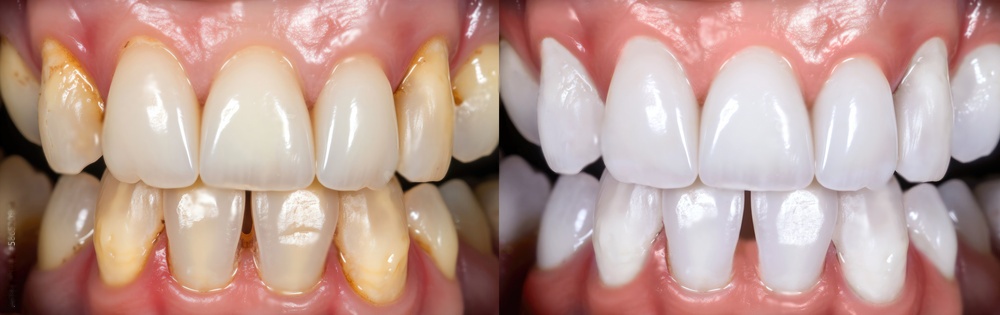
The truth: No cosmetic treatment lasts forever without maintenance, and whitening is no exception. But the claim that results fade within weeks is misleading. Professional in-office whitening results typically last one to three years, depending on diet and oral habits. Patients who avoid heavy staining from coffee, tea, red wine, and tobacco see the longest-lasting results.
Periodic touch-ups with dentist-dispensed take-home trays can extend brightness indefinitely. Think of it like hair coloring: the initial treatment does the heavy lifting, and occasional maintenance keeps the results looking fresh.
Myth 3: Over-the-Counter Home Kits Do Not Work
The truth: This depends entirely on which home kit you are using. Dentist-dispensed take-home whitening trays with custom-fitted molds and prescription-strength peroxide gel (typically 10-22% carbamide peroxide) produce genuine, measurable results over one to two weeks of use.
Generic store-bought strips and trays with lower peroxide concentrations also work, but results are more modest and less even. The custom-fitted trays from a dental office ensure even gel distribution and prevent gum irritation, which is why dental professionals recommend them over one-size-fits-all alternatives.
The kits that truly do not work are those marketed with zero peroxide content or those relying solely on abrasive ingredients. Charcoal toothpastes, for example, may remove surface stains through abrasion but cannot change the intrinsic color of teeth.
Myth 4: Whitening Weakens Teeth Structurally
The truth: Peer-reviewed clinical studies have found no evidence linking professional whitening to reduced tooth strength, increased fracture risk, or compromised structural integrity. The mineral content and hardness of enamel remain unchanged after properly administered whitening treatments.
What can happen is that existing conditions become more noticeable. If a patient has thin enamel, hairline cracks, or areas of demineralization, removing the stain that was masking these features can make them more visible. This is not damage caused by whitening but rather pre-existing conditions revealed by it.
Myth 5: Whitening Works the Same on All Teeth
The truth: Whitening effectiveness varies significantly based on the type and cause of discoloration. Yellow-toned stains from aging, coffee, and tea respond best to peroxide whitening. Brown stains from tobacco also respond well but may require more sessions.
Gray or blue-toned discoloration, often caused by tetracycline antibiotics taken during tooth development, is much harder to treat and may require extended whitening protocols or alternative cosmetic solutions like veneers. Similarly, whitening has no effect on dental restorations such as crowns, veneers, or composite fillings, which maintain their original shade regardless of treatment.
| Stain Type | Common Cause | Whitening Response |
|---|---|---|
| Yellow surface stains | Coffee, tea, aging | Excellent response |
| Brown stains | Tobacco, certain foods | Good response, may need multiple sessions |
| Gray/blue intrinsic stains | Tetracycline, fluorosis | Limited response, alternative treatments may be needed |
| White spots | Demineralization, fluorosis | May become more visible initially |
Myth 6: Natural Remedies Whiten Teeth Safely
The truth: Baking soda, lemon juice, apple cider vinegar, and strawberry paste are frequently promoted as natural whitening alternatives. While baking soda is a mild abrasive that can help remove some surface stains (and is used in many commercial toothpastes), acidic substances like lemon juice and vinegar actively erode enamel. Using these regularly causes far more damage than any professional whitening product ever could.
Activated charcoal is another popular natural remedy that dental professionals generally advise against. It is highly abrasive and can scratch enamel surfaces, creating rough areas that actually attract more staining over time.
Managing Whitening Sensitivity
Tooth sensitivity during or after whitening is common and typically temporary. It occurs because peroxide temporarily opens the tubules in dentin, allowing temperature changes to reach the nerve more easily. Here are practical steps to minimize discomfort:
- Use a desensitizing toothpaste containing potassium nitrate for two weeks before whitening
- Choose a lower peroxide concentration and extend the treatment period instead
- Apply fluoride gel after whitening sessions to help remineralize and seal tubules
- Avoid very hot or cold foods and drinks for 24-48 hours after treatment
- Take breaks between whitening sessions if sensitivity develops
If sensitivity persists beyond a few days after stopping treatment, consult your dentist to rule out other causes.
Professional vs. At-Home Whitening: A Quick Comparison
| Factor | In-Office Professional | Dentist Take-Home Trays | OTC Strips/Trays |
|---|---|---|---|
| Peroxide concentration | 25-40% hydrogen peroxide | 10-22% carbamide peroxide | 3-10% hydrogen peroxide |
| Treatment time | 1-2 office visits | 1-2 weeks daily use | 2-4 weeks daily use |
| Shade improvement | 3-8 shades | 2-6 shades | 1-3 shades |
| Custom fit | Yes | Yes | No |
| Dentist supervision | Direct | Indirect | None |
| Cost range | Higher | Moderate | Lower |
Tips for Maintaining Your Whitening Results
Once you have invested in whitening, these habits help preserve your brighter smile:
- Brush twice daily with a fluoride toothpaste to prevent new stain buildup.
- Rinse after staining beverages. If you drink coffee, tea, or red wine, rinse your mouth with water immediately afterward.
- Use a straw for dark-colored beverages to reduce contact with front teeth.
- Schedule regular dental cleanings. Professional tooth polishing during hygiene visits removes surface stains before they set in. The silicone rubber polishers used during these appointments help maintain a smooth, stain-resistant tooth surface.
- Avoid tobacco products, which are among the fastest and most stubborn sources of tooth discoloration.
- Follow up with touch-up treatments as recommended by your dentist, typically once every six to twelve months.
Who Should Avoid Teeth Whitening?
Whitening is not appropriate for everyone. Your dentist may recommend against it if you have:
- Untreated cavities or active gum disease (treat these conditions first)
- Exposed tooth roots, which do not respond to whitening and may become very sensitive
- Numerous restorations on front teeth (whitening will not change their color, creating a mismatch)
- Pregnancy or nursing (as a precaution, most dentists advise waiting)
- Age under 16 (pulp chambers are still large and more susceptible to irritation)
A pre-whitening dental examination ensures the treatment is appropriate for your specific oral health situation. Your dentist can identify potential issues and recommend the safest, most effective approach for your goals.

For more on maintaining oral health between cosmetic treatments, see our article on tips from dental professionals about how to prevent tooth decay.