

Dental Burs in Cosmetic Dentistry: Uses and Types
How Dental Burs Support Cosmetic Dentistry
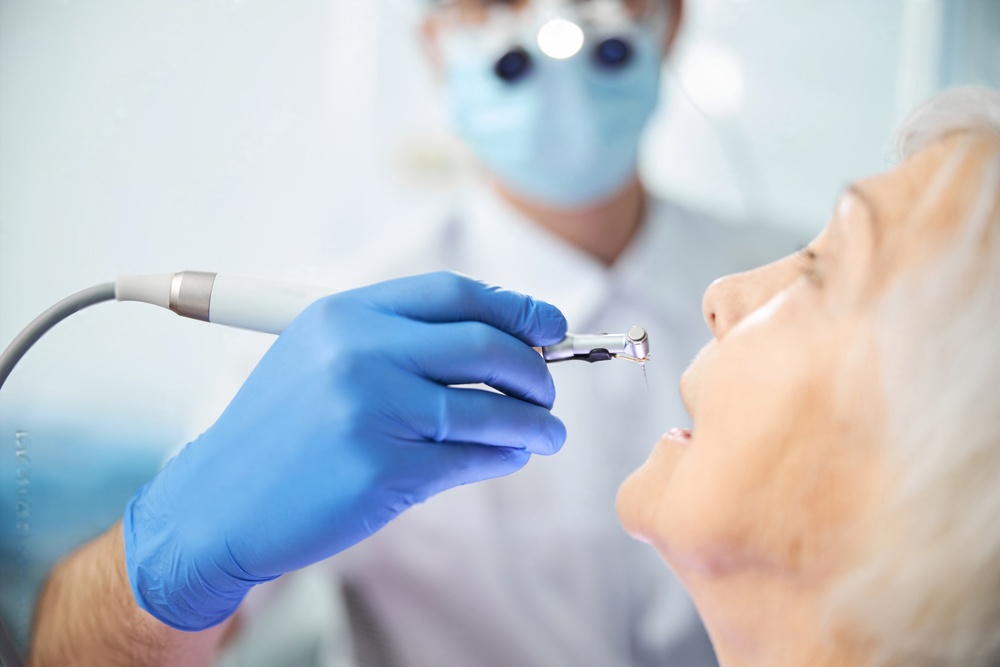
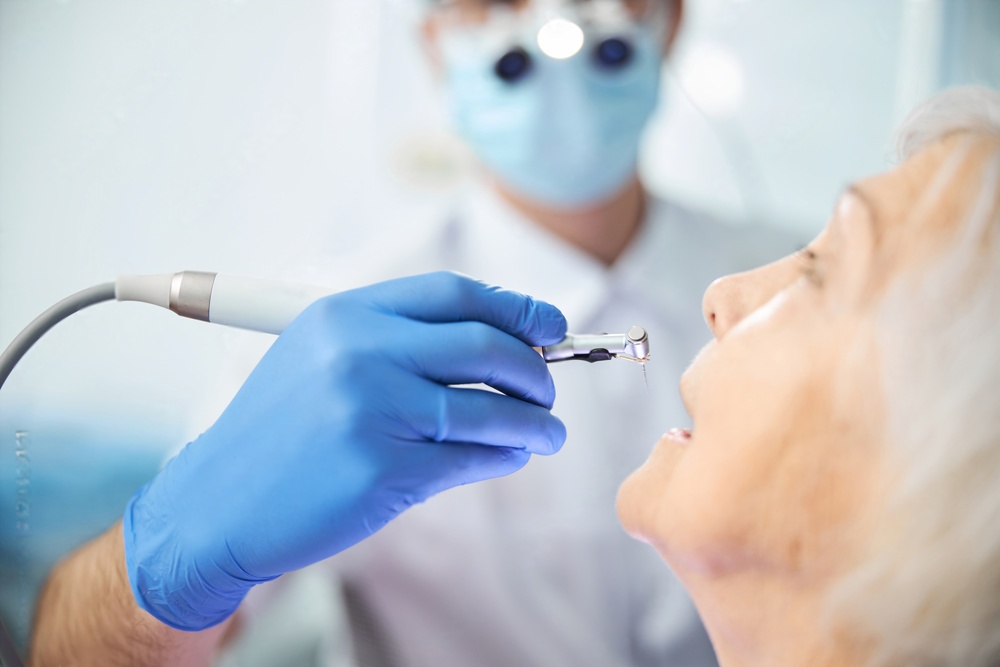
Cosmetic dentistry focuses on improving the appearance of teeth, gums, and the overall smile. Procedures such as veneer placement, tooth bonding, enamel reshaping, and crown preparation all depend on precise material removal and surface finishing. Dental burs are the rotary instruments that make this precision possible. They spin at high speed in a handpiece, allowing the dentist to remove exact amounts of tooth structure, shape restorations, and produce smooth, natural-looking surfaces.
This article explains the types of dental burs used in cosmetic procedures, describes how they are applied in common treatments, and offers practical guidance on selecting the right bur for each task.
Why Bur Selection Matters in Cosmetic Work
In restorative dentistry, the margin for error is measured in fractions of a millimeter. Removing too much enamel weakens the tooth. Removing too little leaves an uneven surface that compromises the fit of a veneer or crown. The bur's shape, grit, and material determine how aggressively it cuts and how smooth a finish it leaves behind.
For cosmetic cases, the dentist typically moves through a sequence of burs: a coarser bur for initial preparation, a medium bur for refining the shape, and a fine or ultra-fine bur for finishing. This staged approach produces the precise margins and polished surfaces that high-quality cosmetic restorations require.
Types of Dental Burs Used in Cosmetic Dentistry
Diamond Burs
Diamond burs are the most widely used burs in cosmetic procedures. They feature diamond particles bonded to a metal shank, and they cut by grinding rather than slicing. This grinding action gives the operator excellent control over the amount of material removed.
Diamond burs are available in a wide range of grits:
| Grit Level | Color Band | Primary Use |
|---|---|---|
| Super coarse | Black | Rapid bulk reduction |
| Coarse | Green | Initial tooth preparation |
| Medium | Blue (no band) | General shaping and contouring |
| Fine | Red | Margin refinement and smoothing |
| Ultra-fine | Yellow | Final finishing and polishing |
For veneer preparations, a fine-grit diamond bur is often used to create shallow, controlled depth cuts in the enamel. These cuts serve as guides to ensure uniform reduction across the tooth surface. Explore our full selection of diamond dental burs for options suited to cosmetic preparation and finishing work.
Tungsten Carbide Burs
Tungsten carbide burs cut with metal blades rather than abrasive particles. They produce smoother cuts than diamond burs at equivalent speeds, which makes them well suited for finishing and trimming tasks. In cosmetic dentistry, carbide burs are frequently used to trim composite bonding, adjust occlusal surfaces, and finish the margins of direct restorations.
Carbide finishing burs typically have 12 to 30 flutes (blade edges). Higher flute counts produce finer finishes. A 30-flute carbide bur can bring a composite restoration to near-polish smoothness before the final polishing step.
Finishing Burs
Finishing burs are a subcategory that includes both diamond and carbide varieties specifically designed for the final stages of a cosmetic procedure. They have finer cutting surfaces and are engineered to produce minimal vibration. Common shapes include egg, football, needle, and flame profiles, each designed to access different areas of the tooth.
Common Cosmetic Procedures That Rely on Dental Burs
Veneer Preparation
Porcelain veneers require the removal of a thin layer of enamel from the front surface of the tooth, typically 0.3 to 0.7 mm. The dentist uses a round-end tapered diamond bur to create depth-cut grooves, then connects them to achieve uniform reduction. A fine diamond bur smooths the prepared surface so the veneer bonds evenly and sits flush with adjacent teeth.
Tooth Contouring and Reshaping
Also known as enameloplasty, tooth contouring involves removing small amounts of enamel to correct minor imperfections such as uneven edges, small chips, or slight overlaps. Fine diamond burs and polishing discs are used in combination to reshape the tooth and produce a smooth, natural finish. This procedure is conservative and can often be completed in a single visit without anesthesia.
Composite Bonding
In composite bonding, tooth-colored resin is applied directly to the tooth to repair chips, close gaps, or change the shape of a tooth. After the resin is cured, carbide finishing burs are used to trim excess material and sculpt the restoration into its final form. Fine diamond burs follow to smooth the surface before polishing with rubber cups or silicone points.

Crown Preparation
Cosmetic crowns, whether made from porcelain, zirconia, or lithium disilicate, require precise tooth preparation. The dentist reduces the tooth on all sides to create space for the crown material. Coarse diamond burs handle the initial reduction, while fine-grit burs refine the margins. Clean, well-defined margins are especially important for anterior crowns where the margin may be visible at the gum line.
Old Restoration Removal
Before placing a new cosmetic restoration, old fillings, stained composite, or failing crowns often need to be removed. Tungsten carbide burs are effective for cutting through metal restorations, while diamond burs handle ceramic and composite materials. Careful bur selection during removal protects the remaining healthy tooth structure and preserves as much enamel as possible for the new restoration.
Bur Shapes and Their Applications
The shape of the bur head determines which surfaces it can access and how it cuts. Here are the most common shapes used in cosmetic work:
- Round: Used for initial access, caries removal, and creating retention points. Small round burs are useful for accessing interproximal areas.
- Tapered (flat-end and round-end): The standard shape for crown and veneer preparations. The taper provides controlled axial wall reduction.
- Flame: Ideal for subgingival margin finishing and accessing tight interproximal spaces. The pointed tip allows fine detail work.
- Egg (football): Used for occlusal surface contouring and for smoothing concave areas of preparations.
- Needle: A thin, elongated shape for precise line angles, interproximal finishing, and detailed margin adjustment.

Tips for Getting the Best Results
Experienced cosmetic dentists follow a few consistent practices when working with dental burs to achieve optimal outcomes.
- Use adequate water cooling. High-speed burs generate heat that can damage the pulp. Continuous water spray keeps the tooth cool and flushes debris from the cutting site.
- Apply light, intermittent pressure. Pressing too hard causes the bur to chatter, producing rough surfaces. Light pressure with steady movement yields smoother results.
- Progress through grit levels. Start with a coarse bur for bulk removal, then step through medium, fine, and ultra-fine for finishing. Skipping grits leaves scratches that are difficult to polish out.
- Replace worn burs promptly. A dull diamond bur requires more pressure, generates more heat, and produces a rougher surface. Inspect burs under magnification and discard any that show visible wear.
- Match the bur shape to the task. Using a tapered bur where a flame is needed, or a round bur where an egg shape fits better, leads to imprecise preparations and extra chair time.
Bur Care and Sterilization
Proper maintenance extends the working life of dental burs and protects patient safety. After each use, burs should be cleaned in an ultrasonic bath to remove debris, then autoclaved according to the manufacturer's instructions. Store burs in a bur block to prevent damage to cutting surfaces during storage. Keeping burs organized by type and grit level also saves time during procedures.
For more information on maintaining your rotary instruments, read our guide on caring for your dental burs. If you are comparing diamond and carbide options for your practice, our article on carbide burs vs. diamond burs breaks down the strengths of each type.
Selecting Burs for Your Cosmetic Practice
Building a well-stocked bur inventory for cosmetic work does not require purchasing every shape and grit available. Start with a core set: a coarse and fine tapered diamond for preparations, a 12-flute and 30-flute carbide for finishing, a flame diamond for margin work, and a set of polishing points. From there, add specialty burs as your case mix demands.
Quality matters more than quantity. Burs from reputable manufacturers maintain consistent diamond coating, balanced shanks, and reliable concentricity. These factors directly affect the smoothness of your preparations and the longevity of each bur. Investing in reliable instruments pays for itself through better clinical results and fewer remakes.
