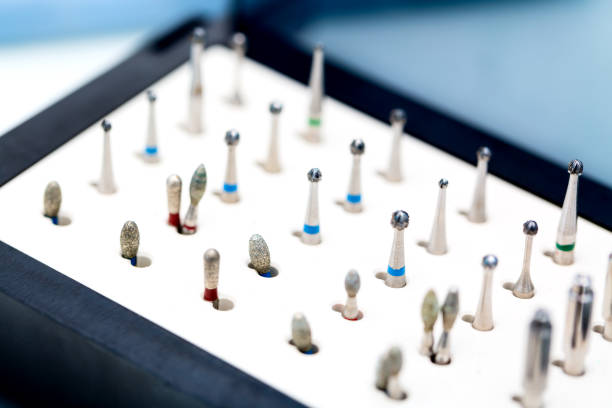
Why Diamond Burs Matter in Modern Dentistry
Diamond burs are among the most widely used rotary instruments in dental clinics and laboratories worldwide. Their ability to cut through enamel, dentin, ceramics, and composite materials with precision and speed makes them indispensable for everyday procedures. Whether a dentist is preparing a cavity, adjusting a crown, or finishing a restoration, diamond burs consistently deliver reliable results.
This article examines the specific advantages that diamond burs bring to dental practice, from their cutting efficiency to their cost-effectiveness over time. Understanding these benefits helps dental professionals make informed purchasing decisions and achieve better clinical outcomes.
Superior Cutting Efficiency
Diamond is the hardest natural material known, rating 10 on the Mohs hardness scale. When bonded to a dental bur head, diamond particles cut through hard tooth structure and restorative materials faster and more cleanly than most alternatives. This hardness means that diamond burs maintain a sharp cutting surface throughout the procedure, producing consistent results from the first cut to the last.
In clinical settings, this cutting efficiency translates to shorter procedure times. A well-made diamond bur removes material predictably, allowing the dentist to prepare teeth with fewer passes. Fewer passes mean less heat generation, reduced vibration, and a more comfortable experience for the patient. For procedures like crown preparation, where significant tooth reduction is required, the time savings can be substantial.
The uniform distribution of diamond particles across the bur head also ensures an even cutting pattern. Unlike some abrasive instruments that develop uneven wear, quality diamond burs maintain their profile shape throughout use, which is important for achieving accurate preparation geometry.
Precision and Control
Dental procedures demand a high degree of accuracy. A crown preparation, for example, requires specific taper angles, smooth margins, and consistent reduction depth. Diamond burs excel in this area because their cutting action is predictable and controllable.
The grit size of a diamond bur directly influences the level of precision achievable. Coarse-grit burs remove material quickly during initial preparation, while fine-grit and ultra-fine-grit burs produce smooth surfaces suitable for final impressions and bonding. By using a progression of grit sizes, dentists can transition from bulk removal to precise finishing within the same preparation.
This graduated approach is particularly valuable in aesthetic dentistry, where margin quality and surface smoothness directly affect the fit and appearance of the final restoration. A well-finished preparation made with fine-grit diamond burs reduces the need for additional adjustment at the cementation stage.
Grit Selection Guide for Common Procedures
| Procedure | Recommended Grit | Purpose |
|---|---|---|
| Initial crown preparation | Coarse (125-150 microns) | Rapid reduction of tooth structure |
| Cavity preparation | Medium (100-120 microns) | Controlled material removal |
| Margin refinement | Fine (50-90 microns) | Smooth finish for accurate impressions |
| Porcelain adjustment | Medium to Fine | Trimming restorations without chipping |
| Final polishing | Ultra-Fine (below 50 microns) | Surface smoothing before cementation |
Durability and Longevity
A common concern when purchasing dental instruments is how long they will last. Diamond burs offer strong durability compared to other rotary cutting instruments. The electroplating process used in manufacturing creates a secure bond between the diamond particles and the stainless steel head, ensuring that the abrasive coating stays intact through multiple procedures.
Several factors affect diamond bur lifespan:
- Manufacturing quality -- Burs made with uniform diamond particle distribution and strong bonding agents last significantly longer than budget alternatives with inconsistent coating.
- Proper technique -- Using light, intermittent pressure rather than continuous heavy force extends bur life and reduces heat damage to both the instrument and the tooth.
- Adequate cooling -- Water spray during high-speed cutting flushes debris from the diamond surface and prevents thermal damage to the bonding layer.
- Cleaning after use -- Removing debris from between diamond particles with ultrasonic cleaning or a brass brush restores cutting efficiency and prevents premature wear.
When properly maintained, a quality diamond bur can be used for multiple procedures before its cutting efficiency drops below acceptable levels. This makes them a cost-effective choice despite a higher initial price compared to steel or carbide alternatives for certain applications.
Versatility Across Dental Applications
One of the strongest arguments for diamond burs is their versatility. They are used across nearly every branch of dentistry, from general practice to specialized fields. Here are some of the key application areas:
Restorative Dentistry
Diamond burs are the go-to instrument for preparing cavities and shaping teeth to receive crowns, bridges, inlays, and onlays. Their ability to cut enamel and dentin cleanly, combined with the range of available shapes, makes them suitable for virtually any preparation design.
Prosthodontics
In prosthodontic work, diamond burs are used for both tooth preparation and adjustment of prosthetic restorations. They cut porcelain, zirconia, and lithium disilicate efficiently, which is important when chairside adjustments are needed for proper fit and occlusion.
Endodontics
Access cavity preparation for root canal treatment often begins with a diamond bur. Round and tapered shapes are used to penetrate enamel and locate the pulp chamber. The controlled cutting action helps the dentist avoid removing more tooth structure than necessary.
Orthodontics
After bracket removal, diamond finishing burs help clean residual adhesive from tooth surfaces. Fine-grit diamond burs smooth the enamel without causing damage, restoring the natural tooth surface after orthodontic treatment is complete.
Cosmetic Dentistry
Veneer preparations require precise, shallow reductions with smooth margins. Fine-grit diamond burs provide the control needed for these conservative preparations, where preserving healthy tooth structure is a top priority.
Available Shapes and Their Functions
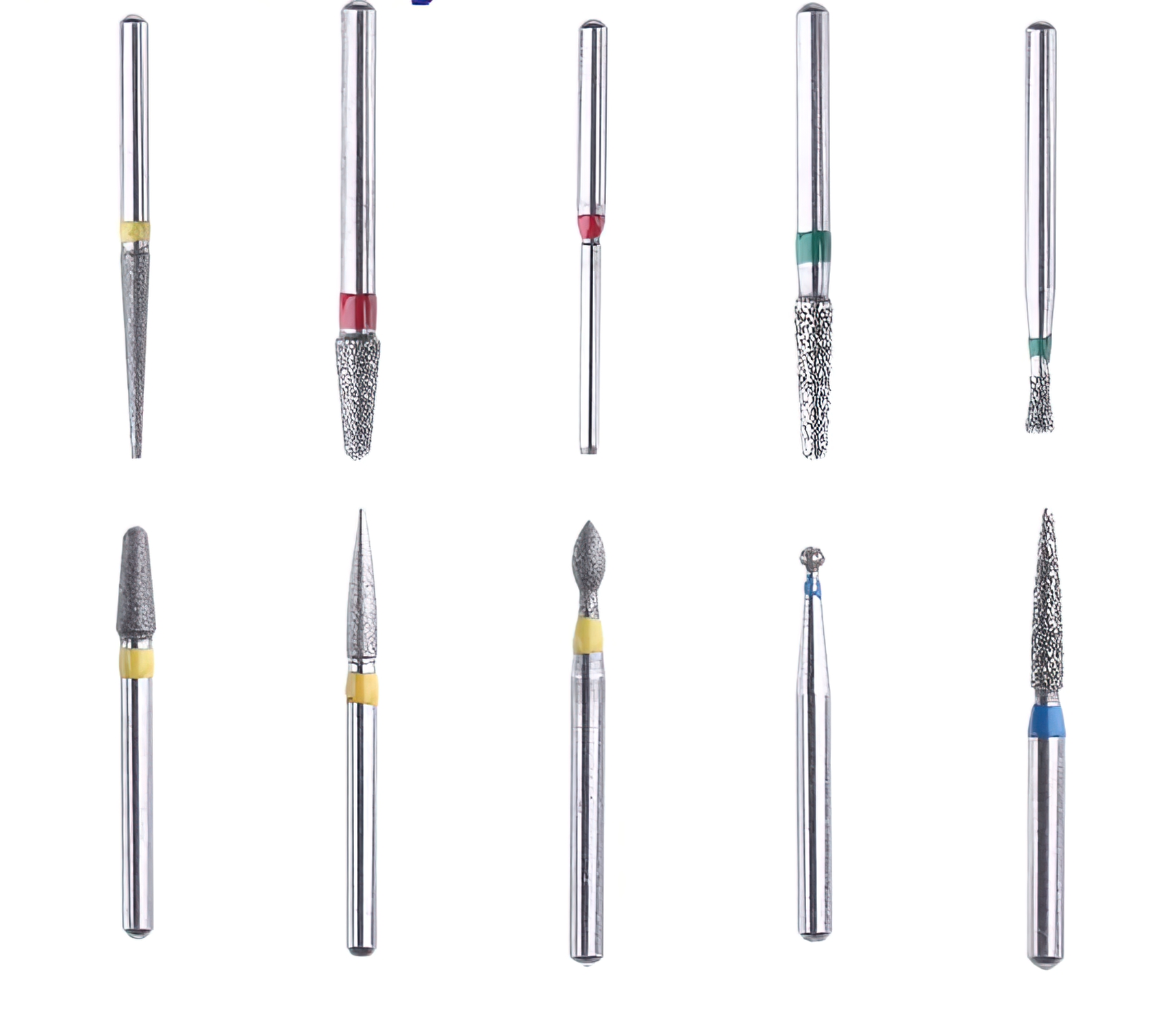
Diamond burs are manufactured in a wide variety of shapes to match different clinical needs. The most common include:
- Round -- Used for accessing the pulp chamber, caries removal, and creating retentive features in preparations.
- Cylinder -- Produces flat walls and shoulders, commonly used for full crown preparations.
- Tapered with rounded end -- The most popular shape for crown and bridge preparation, providing angled walls with smooth internal line angles.
- Flame -- Thin and pointed, suitable for finishing subgingival margins and creating chamfer preparations.
- Football (Egg) -- Used for lingual and occlusal reduction in crown preparations, creating smooth concave surfaces.
- Wheel -- Useful for creating slots, grooves, and reducing occlusal surfaces.
Having a well-organized selection of shapes and grits readily available saves time during procedures. Our dental diamond bur catalog includes all standard shapes in multiple grit options for both FG and HP shanks.
Diamond Burs vs. Carbide Burs
Dentists often ask whether diamond or carbide burs are the better choice. The answer depends on the specific task. Diamond burs excel at cutting hard, brittle materials like enamel, porcelain, and zirconia. They produce a rough surface texture at the microscopic level, which can be beneficial for bonding in some situations.
Tungsten carbide burs, by contrast, produce a smoother cut with defined flutes. They are preferred for trimming composite restorations, removing old amalgam, and finishing preparations where a smooth surface is needed. Many clinicians use diamond burs for initial preparation and carbide burs for final finishing, taking advantage of the strengths of both instrument types.
For a deeper comparison, read our article on carbide burs vs. diamond burs to determine which is right for your specific procedures.
Quality Indicators to Look For
Not all diamond burs are created equal. When selecting a supplier, pay attention to these quality markers:
- Consistent diamond particle size -- Uniform grit ensures even cutting and predictable results.
- Strong bond strength -- The diamond particles should remain firmly attached to the head throughout the bur's usable life.
- Accurate head dimensions -- The bur shape and size should match the labeled specifications precisely.
- Concentric shank -- A perfectly centered shank prevents wobble at high speeds, which is important for both precision and patient comfort.
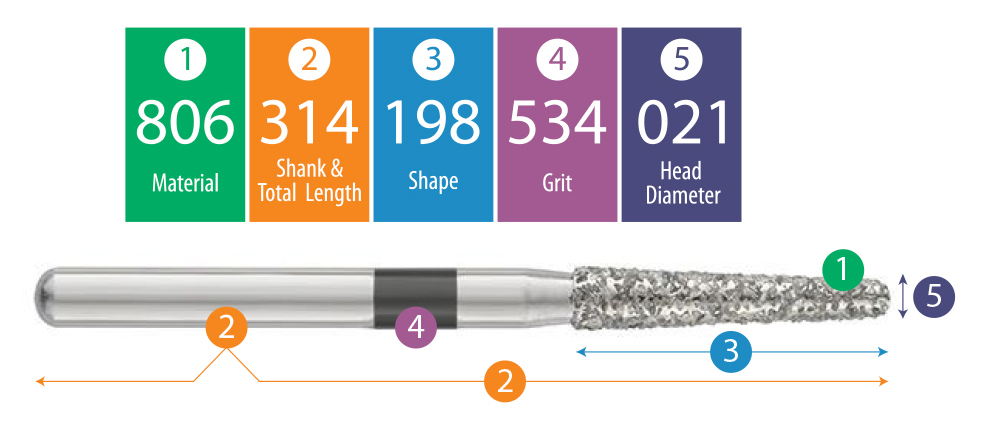
- Proper ISO labeling -- Color-coded rings and ISO numbers help identify grit, shape, and size at a glance.
Investing in quality diamond burs from a trusted manufacturer reduces the risk of mid-procedure failures and ensures consistent performance. Explore our clinic kits for curated sets designed for common procedures.
Getting the Most From Your Diamond Burs
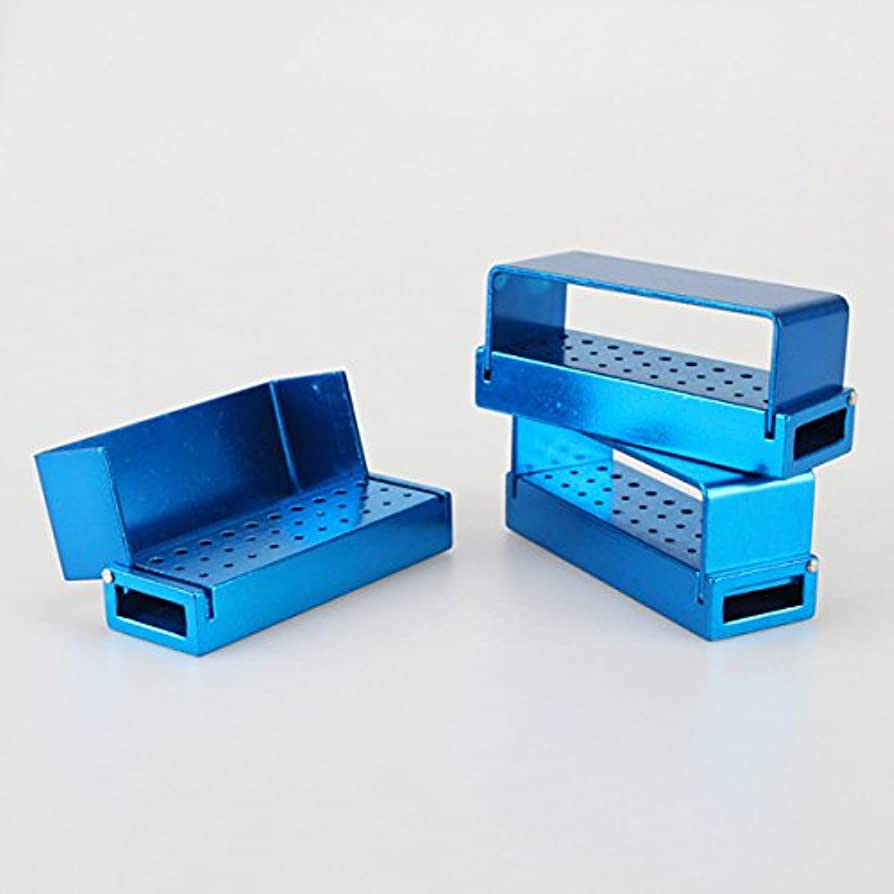
To maximize the return on your diamond bur investment, follow these best practices. Always use adequate water cooling during high-speed cutting. Replace burs when cutting efficiency noticeably decreases, as a dull bur generates more heat and requires more pressure, which compromises both patient comfort and preparation quality. Store burs in autoclavable bur blocks that keep them organized and prevent damage from instrument-to-instrument contact.
Regular inspection under magnification can reveal early signs of diamond particle loss or shank damage. Catching these issues early prevents problems during procedures and ensures your work meets the highest standards of clinical quality.