Choosing the right dental bur directly affects procedural outcomes, patient comfort, and tool longevity. Among the options available to dental professionals, diamond burs consistently stand out for their performance characteristics. This article provides a thorough comparison of diamond burs against carbide and steel alternatives across the metrics that matter most in clinical practice, helping you make informed decisions about your rotary instrument inventory.
What Makes Diamond Burs Different
Diamond burs feature natural or synthetic diamond particles bonded to a metal shank through electroplating or sintering processes. Because diamond ranks 10 on the Mohs hardness scale, the highest possible rating for any natural material, these burs achieve cutting capabilities that no other abrasive can match. The diamond grit creates a surface composed of thousands of microscopic cutting points that grind through hard dental tissues with remarkable efficiency.
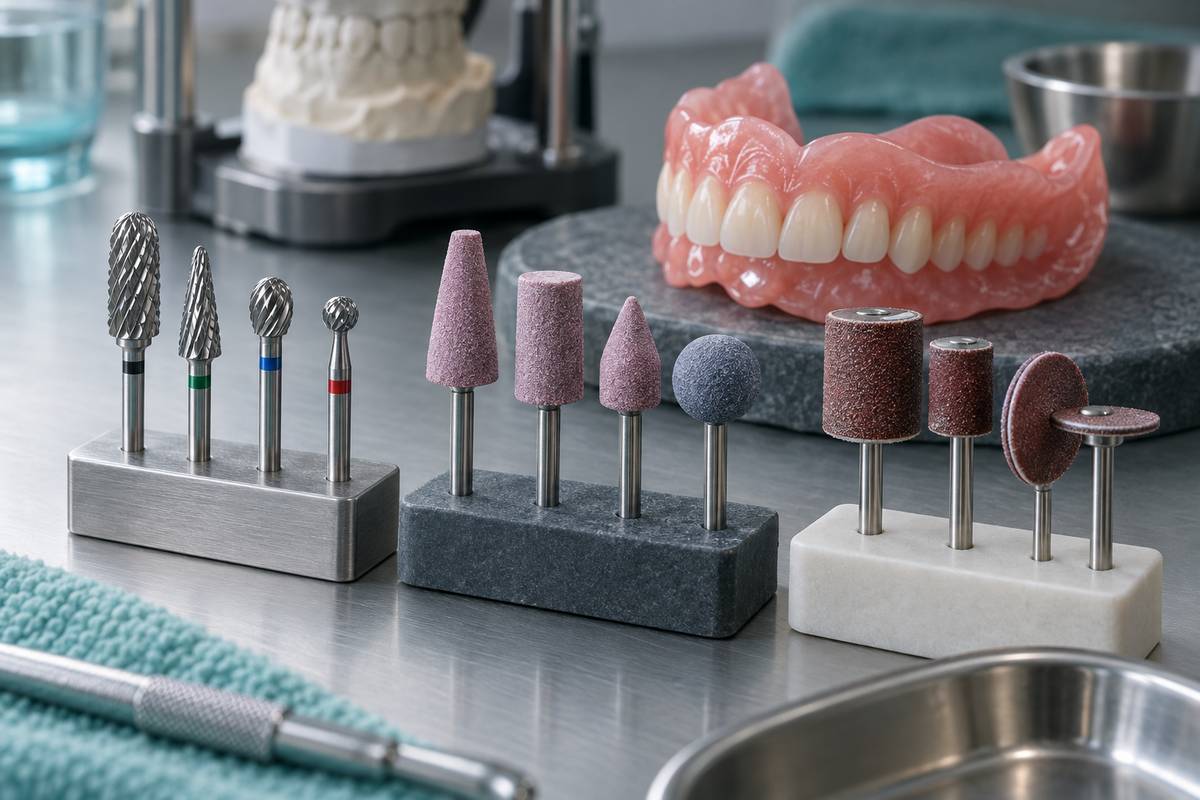
Tungsten carbide burs use an entirely different cutting mechanism. Rather than an abrasive surface, they feature precision-machined fluted blades that slice through material in a rotary motion. Steel burs operate on the same principle but use tempered steel instead of carbide, resulting in softer cutting edges that wear more quickly. Each design has distinct advantages depending on the clinical situation, but understanding the fundamental differences helps clinicians make better purchasing and procedural decisions.
The manufacturing process also differs significantly between bur types. Diamond burs undergo careful quality control to ensure uniform particle distribution across the bur head. Inconsistent diamond placement creates uneven cutting surfaces that vibrate and produce rough preparations. High-quality manufacturers test each bur for concentricity and particle adhesion before packaging, which is why sourcing from reputable suppliers matters.
Durability: Long-Lasting Performance
One of the most significant advantages of diamond burs is their operational lifespan. Steel burs dull relatively quickly, especially when used on enamel or porcelain restorations. A steel round bur used for caries excavation may last through only a handful of procedures before its edges become rounded and ineffective. Tungsten carbide burs last considerably longer than steel but still experience progressive blade wear that gradually reduces cutting effectiveness.
Diamond burs maintain their abrasive surface through extended clinical use. While the diamond particles do gradually shed from the bonding matrix, the process is slow enough that a single quality diamond bur can serve through significantly more procedures than its carbide or steel counterparts. This durability translates directly into lower per-procedure tooling costs and fewer interruptions for bur replacement during patient appointments.
The longevity advantage becomes even more pronounced in practices that perform high volumes of crown preparations, veneer work, or ceramic adjustments. In these scenarios, the bur contacts extremely hard materials repeatedly, which is precisely where diamond burs excel. A carbide bur tasked with cutting through porcelain will lose its edge noticeably faster than a diamond bur performing the same work, and a steel bur would struggle to cut the material effectively at all.
Factors That Affect Diamond Bur Longevity
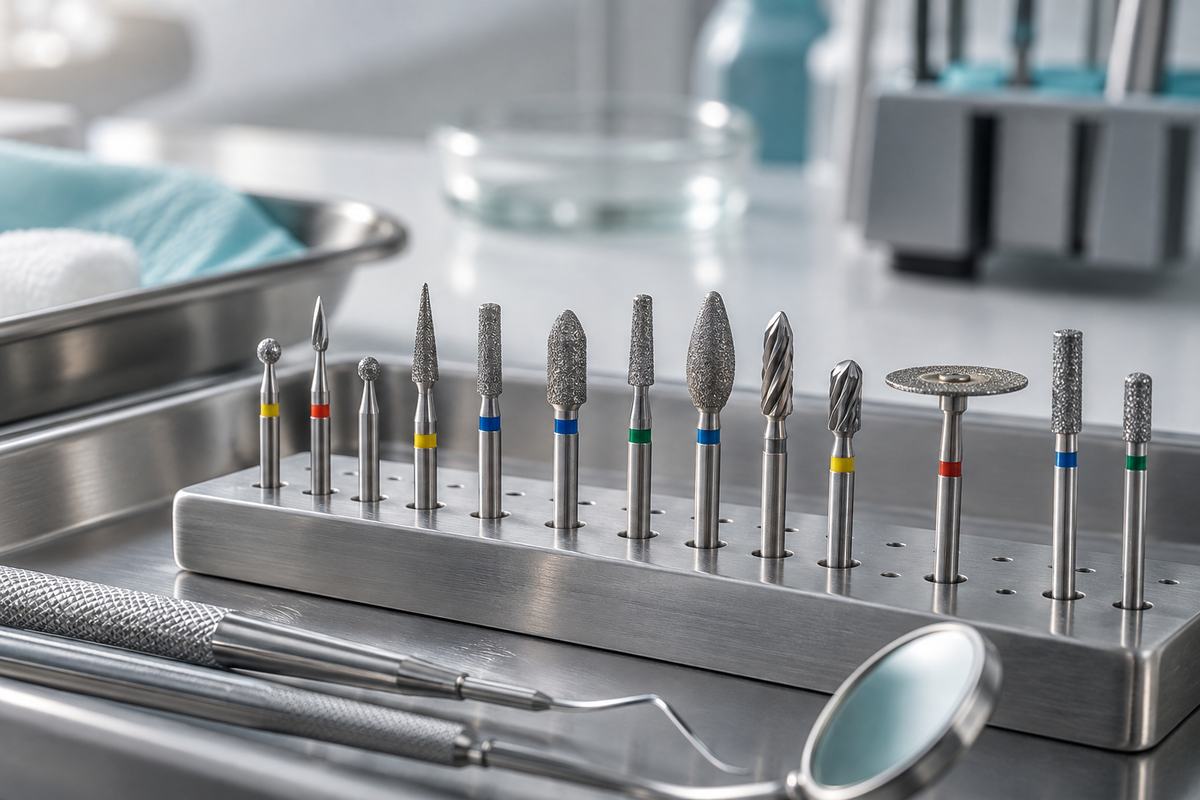
- Grit size: Coarser diamond burs marked with green or black color-coded bands tend to last longer for heavy cutting tasks because they carry larger, more deeply embedded particles that resist dislodgment
- Bond quality: Electroplated burs offer consistent grit exposure and predictable cutting throughout their lifespan, while sintered burs embed diamond throughout the matrix and can provide longer overall service life
- Proper maintenance: Regular cleaning of diamond burs prevents biological debris and composite residue from accumulating between particles, which reduces cutting efficiency and can accelerate particle loss
- Appropriate pressure: Excessive lateral force accelerates diamond particle detachment from the bonding matrix without improving cutting speed, a point many clinicians overlook
Cutting Efficiency and Speed
Diamond burs remove hard tooth structure faster than any other bur type when working on enamel, porcelain, and ceramic materials. Their abrasive grinding action is particularly well-suited to these hard, brittle substrates. In crown preparation, for example, a coarse-grit diamond bur can reduce a tooth to the required dimensions significantly faster than a carbide bur performing the same task, saving valuable chair time on every case.
The mechanism behind this efficiency advantage is straightforward to understand. Diamond particles distributed across the bur surface create thousands of individual cutting points. Each full rotation of the bur removes material from all of these contact points simultaneously. A carbide bur, by contrast, typically features between six and thirty fluted blades depending on its design, meaning far fewer cutting edges contact the tooth per rotation. When the target material is harder than the carbide itself, this difference becomes even more pronounced.
Clinical studies measuring material removal rates consistently demonstrate the diamond advantage on hard substrates. When preparing a full-coverage crown through intact enamel, practitioners using coarse diamond burs report preparation times that are meaningfully shorter than those achieved with carbide instruments. This time savings compounds across a full day of procedures, contributing to better practice efficiency and reduced patient fatigue.
Speed Comparison by Material
| Material | Diamond Bur | Carbide Bur | Steel Bur |
|---|---|---|---|
| Enamel | Excellent | Good | Slow |
| Porcelain and Ceramics | Excellent | Fair | Poor |
| Composite Resin | Very Good | Excellent | Fair |
| Dentin | Good | Excellent | Good |
| Metal Alloys | Fair | Excellent | Fair |
As the table illustrates, diamond burs excel on hard, brittle materials while carbide burs actually perform better on softer substrates like dentin and on metal alloys. This is because carbide flutes slice cleanly through softer materials, whereas diamond abrasion can sometimes produce a rougher surface on these substrates. Experienced practitioners keep both types readily available and select the bur that best matches the material they are working on at each stage of the procedure.
Precision and Surface Quality
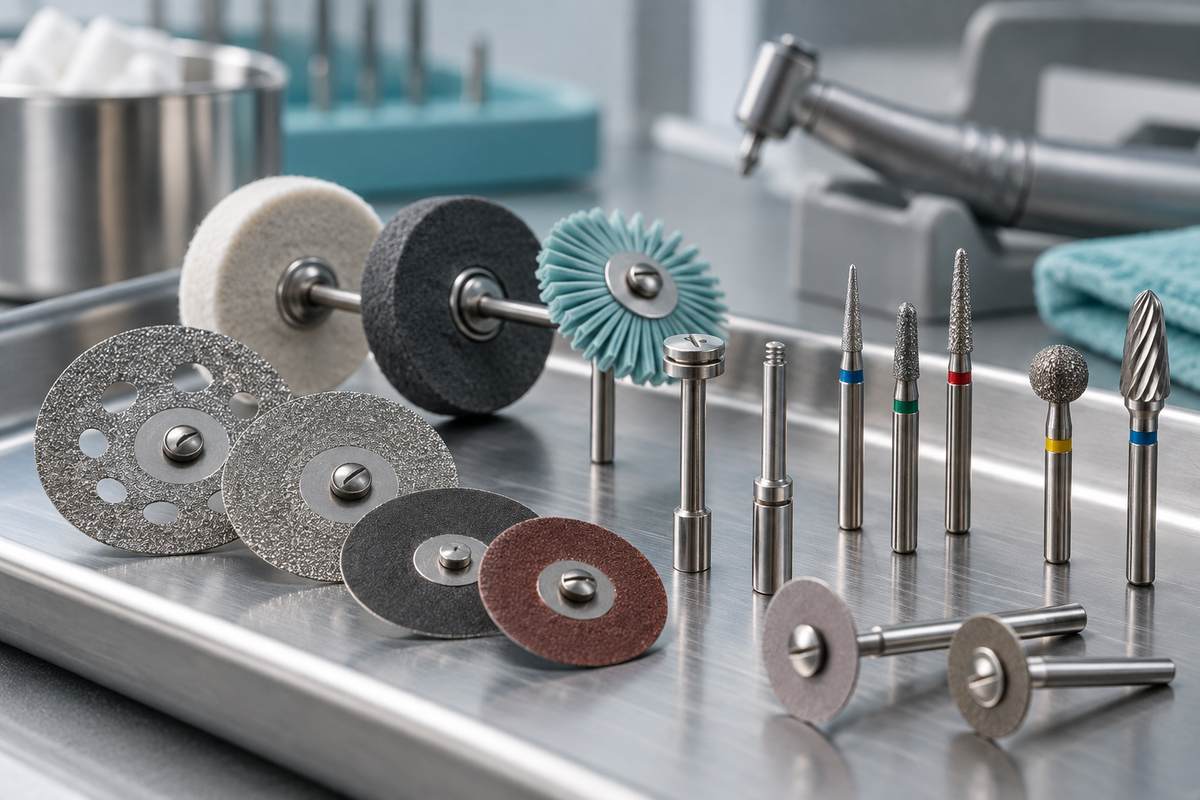
Diamond dental burs are manufactured in a wide range of grit sizes, from super-coarse particles designed for rapid bulk reduction to ultra-fine grits intended for finishing and polishing. This versatility allows clinicians to use diamond burs throughout an entire procedure, transitioning from aggressive material removal to delicate margin refinement by simply switching to a finer grit rather than changing to a completely different instrument type.
The consistent distribution of diamond particles across a quality bur head produces highly predictable cutting behavior under clinical conditions. Unlike carbide burs, which can occasionally catch or chatter when contacting hard ceramic surfaces, diamond burs grind smoothly and steadily through these materials. This predictability is particularly valuable during delicate margin preparation for veneers and during the adjustment of all-ceramic restorations where an unexpected catch could fracture the restoration.
Surface finish quality also varies between bur types in ways that matter clinically. Diamond burs used in sequence from coarse to fine grit produce progressively smoother surfaces that require less additional polishing. The final surface achieved with an ultra-fine diamond bur, while not mirror-smooth, provides an excellent foundation for polishing with rubber points or cups. Carbide finishing burs produce a different surface character, with fine parallel striations rather than the uniform matte texture of diamond abrasion. Many clinicians prefer the carbide finish on composite restorations and the diamond finish on tooth structure and ceramics.
Grit Selection Guide
- Super-coarse (black band): Rapid bulk reduction and initial crown preparation where maximum material removal speed is the priority
- Coarse (green band): Standard tooth preparation, removal of old restorations, and initial shaping of cavity preparations
- Medium (no band): Contouring and initial finishing of preparations, transitioning from bulk removal to detail work
- Fine (red band): Margin finishing, smooth surface preparation before impression-taking, and refining preparation geometry
- Ultra-fine (yellow band): Final surface smoothing and pre-polishing, often followed by rubber polishing instruments for optimal results
When to Choose Diamond Over Carbide
Diamond burs are the preferred choice for several categories of clinical procedures. Crown and bridge preparation represents the most common application, where rapid enamel and porcelain removal is needed along with precise margin definition. Veneer and inlay preparations also benefit from the controlled abrasion that diamond burs provide, particularly when establishing feather-edge or shoulder margins in enamel.
Ceramic adjustment is another area where diamond burs are essentially required. Attempting to adjust a porcelain or zirconia restoration with a carbide bur risks fracturing the brittle material because the fluted cutting action concentrates force at discrete points. Diamond abrasion distributes the cutting force more evenly across the contact area, allowing controlled material removal without the sudden stress concentrations that cause ceramic fracture.
Additional applications where diamond burs excel include orthodontic bracket removal and subsequent enamel cleanup, endodontic access through porcelain-fused-to-metal crowns, and recontouring of natural tooth enamel. In each case, the combination of hardness, predictable cutting behavior, and available grit range gives diamond burs a clear advantage over the alternatives.
Conversely, tungsten carbide burs remain the better option for caries excavation in dentin, finishing and polishing composite restorations to a high luster, trimming acrylic provisional restorations, and cutting through metal frameworks or alloy restorations. Understanding which bur type suits each clinical situation is fundamental to efficient, high-quality dentistry.
Cost Considerations
Diamond burs typically carry a higher per-unit price than carbide or steel burs, which can create the impression that they are a more expensive option. However, evaluating cost on a per-procedure basis tells a very different story. A single quality diamond bur can often replace several steel burs or outlast two or more carbide burs over the same clinical workload. When factoring in reduced chair time from faster cutting speeds and fewer mid-procedure bur changes, the total cost of ownership frequently favors diamond burs for practices that perform restorative and prosthetic procedures regularly.
The cost calculation also extends to indirect benefits that are harder to quantify but nonetheless real. Faster preparations mean shorter appointments, which improves daily patient throughput. Fewer bur changes during a procedure reduce interruptions that break clinical concentration. Consistent cutting performance throughout the bur's lifespan means more predictable preparation quality from the first use to the last. These factors collectively support the investment in quality diamond burs as a sound economic decision for most dental practices.
Maximizing Your Investment
- Follow manufacturer guidelines for recommended RPM ranges to prevent premature diamond particle loss from excessive speed or vibration
- Use adequate water irrigation during all cutting procedures to prevent thermal damage to both the tooth and the bur's bonding matrix
- Inspect burs under magnification before each use and retire any showing visible diamond loss, discoloration, or shaft bending
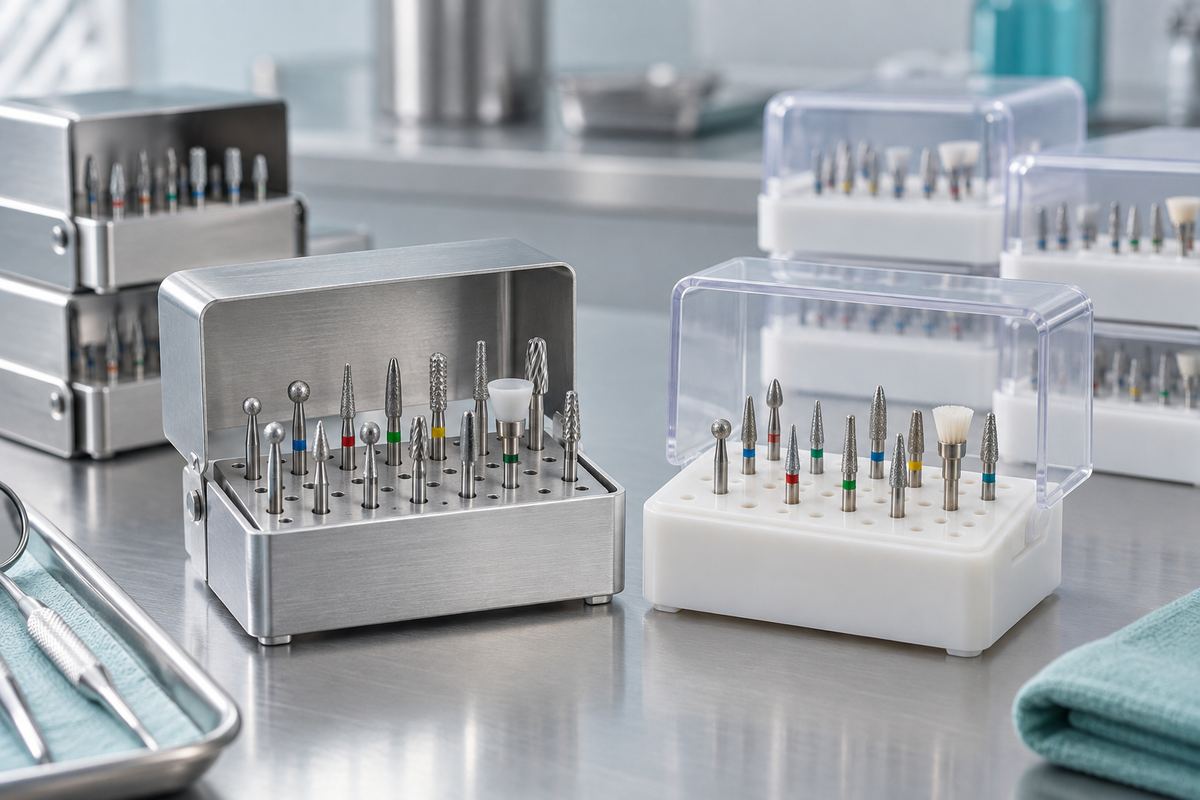
- Store burs in organized stands with individual slots to prevent cutting surfaces from contacting each other and causing premature wear
Final Thoughts
Diamond burs earn their reputation through measurable, consistent advantages in durability, cutting speed, and precision when working on hard dental materials. While no single bur type is ideal for every clinical scenario, diamond burs are an indispensable component of any well-equipped operatory. Pairing them with quality carbide burs for the procedures where carbide excels, and following proper sterilization and maintenance protocols, ensures that practitioners have the right instrument ready for the full range of restorative and prosthetic work they encounter daily.