Understanding Prophy Polishers in Modern Dental Hygiene
Professional dental prophylaxis relies on specialized instruments designed to remove plaque, calculus, and stains from tooth surfaces. Among these tools, the prophy polisher stands out as an efficient method for achieving smooth, clean teeth that patients can see and feel immediately after treatment.
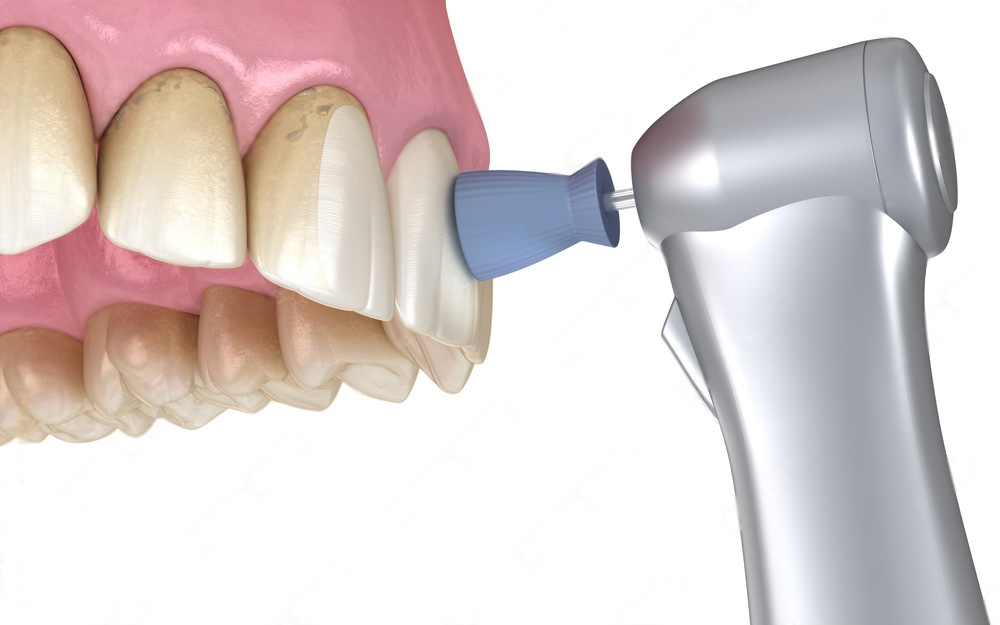
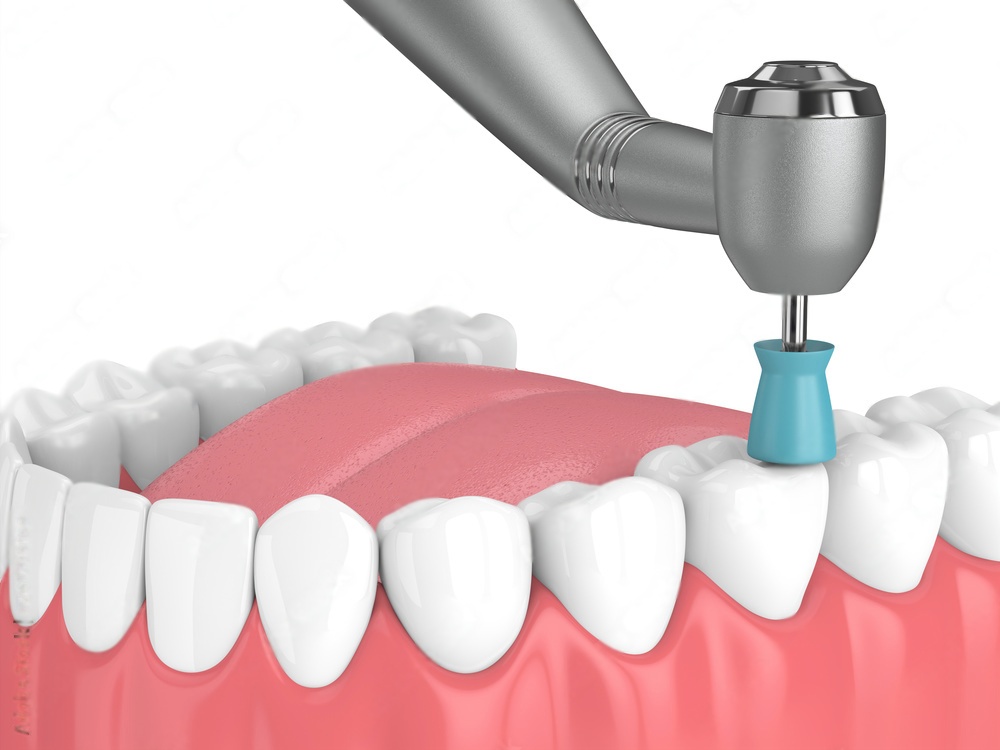
A prophy polisher consists of a motorized handpiece that rotates a rubber cup or brush at controlled speeds. When used with specially formulated polishing paste, this system removes surface deposits and creates a smooth enamel surface that resists new plaque accumulation. Understanding the benefits, proper techniques, and equipment options helps dental professionals maximize the value of prophylaxis appointments.
Primary Benefits of Prophy Polishing
Regular prophylaxis with a quality polisher provides multiple clinical and aesthetic benefits for patients.
Plaque and Biofilm Removal
Even patients with good home care develop plaque biofilm in areas difficult to reach with brushing and flossing. The mechanical action of a prophy polisher disrupts and removes this biofilm more thoroughly than manual cleaning alone.
The rotating rubber cup conforms to tooth contours, reaching into developmental grooves, along the gingival margin, and around orthodontic appliances. Combined with mildly abrasive polishing paste, this creates a cleaner tooth surface than patients can achieve independently.
Extrinsic Stain Reduction
Surface stains from coffee, tea, red wine, tobacco, and certain foods accumulate over time despite regular brushing. These extrinsic stains reside in the pellicle layer and superficial enamel irregularities.
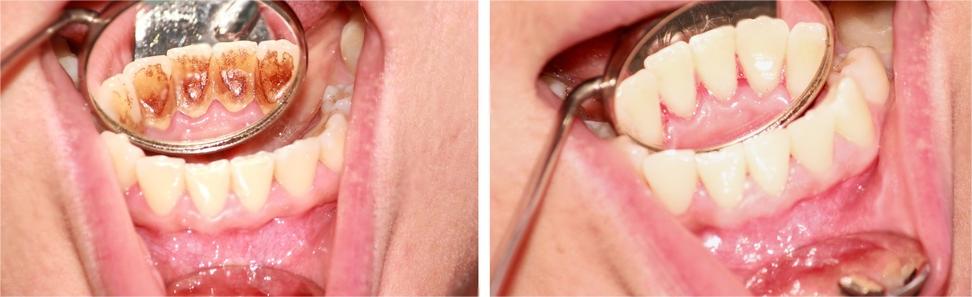
Prophy polishing with appropriate paste grit removes these stains effectively, restoring the natural tooth color. The result often surprises patients who have grown accustomed to gradual discoloration. While not a substitute for professional whitening treatments for intrinsic discoloration, prophylaxis significantly improves tooth appearance for many patients.
Smooth Surface for Reduced Plaque Adhesion
Rough tooth surfaces provide more surface area and mechanical retention for bacterial colonization. Polishing creates a smoother enamel surface that makes plaque adhesion more difficult.
This smoothness helps patients maintain cleaner teeth between appointments. While plaque will still form, the rate of accumulation decreases on well-polished surfaces, extending the benefits of professional cleaning.
Improved Gingival Health
By removing plaque and calculus near the gingival margin, prophylaxis reduces bacterial load in the sulcus. This reduction in inflammation-causing bacteria supports healthier gum tissue.
Patients often notice reduced bleeding, decreased swelling, and improved gingival contour following thorough prophylaxis. Combined with improved home care, regular professional cleaning helps prevent and manage gingivitis.
Early Detection of Dental Problems
The prophylaxis appointment provides opportunity to examine each tooth surface closely. During polishing, hygienists often identify:
- Incipient carious lesions
- Defective restoration margins
- Enamel cracks or fractures
- Areas of demineralization
- Soft tissue abnormalities
Early detection allows intervention before problems progress to require more extensive treatment.

Types of Prophy Polishers
Several prophy polisher designs serve different practice needs and operator preferences.
Corded Electric Handpieces
Traditional corded handpieces connect to the dental unit via tubes that supply air and water. These systems offer:
- Consistent power - Unlimited runtime without battery concerns
- Variable speed control - Adjust rotation speed for different applications
- Built-in irrigation - Water spray keeps the treatment area clear
- Lower per-unit cost - Generally less expensive than cordless models
The cord can limit mobility, but experienced operators work efficiently within this constraint.
Cordless Battery-Powered Models
Cordless prophy polishers have gained popularity for their freedom of movement and portability:
- Unrestricted positioning - Approach teeth from any angle without cord interference
- Lighter weight - Reduced hand fatigue during long appointment blocks
- Portability - Ideal for mobile hygiene services or multi-operatory practices
- Quieter operation - Often less noise than air-driven units
Battery life requires monitoring, and practices need charging stations and backup units. Higher initial cost offsets with improved ergonomics and patient comfort.
Disposable Prophy Angles
Both corded and cordless handpieces can accept disposable prophy angles - single-use attachments that eliminate cross-contamination concerns and reduce processing time:
- No sterilization required between patients
- Consistent performance from fresh gears
- Variety of cup and brush options
- Eliminates wear-related degradation
While disposables increase supply costs, many practices find the convenience and infection control benefits justify the expense.
Reusable Prophy Angles
Autoclavable metal prophy angles reduce waste and ongoing supply costs:
- Lower long-term cost per use
- Reduced environmental impact
- Durable construction lasts through hundreds of cycles
- Replaceable cups and brushes
Proper sterilization protocols and regular inspection for wear ensure these angles maintain performance and safety standards.
Polishing Paste Selection
The abrasive paste applied to the rubber cup significantly affects polishing results. Paste selection depends on patient needs and clinical goals.
Grit Levels
Polishing pastes come in different abrasiveness levels:
| Grit Level | Application | Considerations |
|---|---|---|
| Coarse | Heavy stain removal | Removes more enamel; use sparingly |
| Medium | Moderate stains, general cleaning | Balance of stain removal and enamel preservation |
| Fine | Light stains, final polish | Creates smoothest surface finish |
| Extra fine | Sensitive teeth, maintenance | Minimal abrasion for frequent polishing |
Progressive polishing - starting with coarser paste where needed, then finishing with fine paste - provides optimal results while minimizing enamel removal.
Paste Formulations
Modern polishing pastes incorporate various features:
- Fluoride-containing - Provides topical fluoride application during polishing
- Desensitizing agents - Reduces sensitivity for patients with exposed dentin
- Flavor options - Improves patient acceptance, especially for children
- Low-splatter formulas - Reduces aerosol and cleanup time
Stock multiple paste types to match patient-specific needs.
Proper Polishing Technique
Effective prophy polishing requires systematic technique and appropriate application:
- Apply paste to cup - Use small amount; excess creates splatter without improving results
- Establish cup contact before activation - Prevents paste from spraying
- Use light, consistent pressure - Heavy pressure generates heat and discomfort
- Keep cup moving - Avoid staying in one location more than a few seconds
- Flare cup edges into sulcus - Reaches subgingival plaque without trauma
- Polish all surfaces systematically - Follow a pattern to avoid missing areas
- Rinse frequently - Remove paste and debris to assess results
Proper technique maximizes stain removal while minimizing enamel abrasion and patient discomfort.
Indications and Contraindications
While prophylaxis benefits most patients, certain situations require modified approaches.
Ideal Candidates
- Patients with extrinsic staining
- Moderate plaque and calculus accumulation
- Healthy or mildly inflamed gingiva
- Pre-restorative appointments (creates clean bonding surface)
- Orthodontic patients (removes plaque around brackets)
Situations Requiring Caution
- Severe periodontitis - Address scaling needs first; prophy alone is insufficient
- Exposed root surfaces - Use fine paste or avoid polishing dentin entirely
- Demineralized enamel - Abrasive polishing can worsen incipient lesions
- Recent restorations - Some materials require specific polishing protocols
- Severe sensitivity - Consider desensitizing treatment before polishing
Clinical judgment determines appropriate treatment for each patient's specific condition.
Maintenance and Care
Proper maintenance extends equipment life and ensures consistent performance.
For Reusable Angles
- Rinse immediately after use to prevent paste hardening
- Scrub with enzymatic cleaner to remove debris
- Autoclave according to manufacturer specifications
- Inspect gears and bearings regularly for wear
- Replace cups when edges become damaged or worn
- Lubricate as recommended by manufacturer
For Handpieces
- Wipe exterior after each patient
- Maintain battery charge on cordless models
- Service annually or per manufacturer recommendation
- Replace worn o-rings and seals
- Check air/water flow on corded units
Consistent maintenance prevents equipment failure during patient care and reduces long-term replacement costs.
Comparison with Other Polishing Methods
Several approaches to tooth polishing exist, each with specific applications.
Rubber Cup Polishing (Prophy Polisher)
The traditional approach discussed in this article remains the most common method. Benefits include controlled application, ability to reach interproximal areas, and compatibility with various paste formulations.
Air Polishing
Air polishing systems spray a slurry of water and sodium bicarbonate or glycine powder at tooth surfaces. This method:
- Removes stains very efficiently
- Reaches deeper into pockets (with appropriate tips)
- Requires less physical pressure
- Creates more aerosol (infection control consideration)
- Costs more per procedure due to powder consumption
Many practices use both methods - air polishing for heavy stains or periodontal maintenance, rubber cup for routine prophylaxis.
Polishing Burs and Points
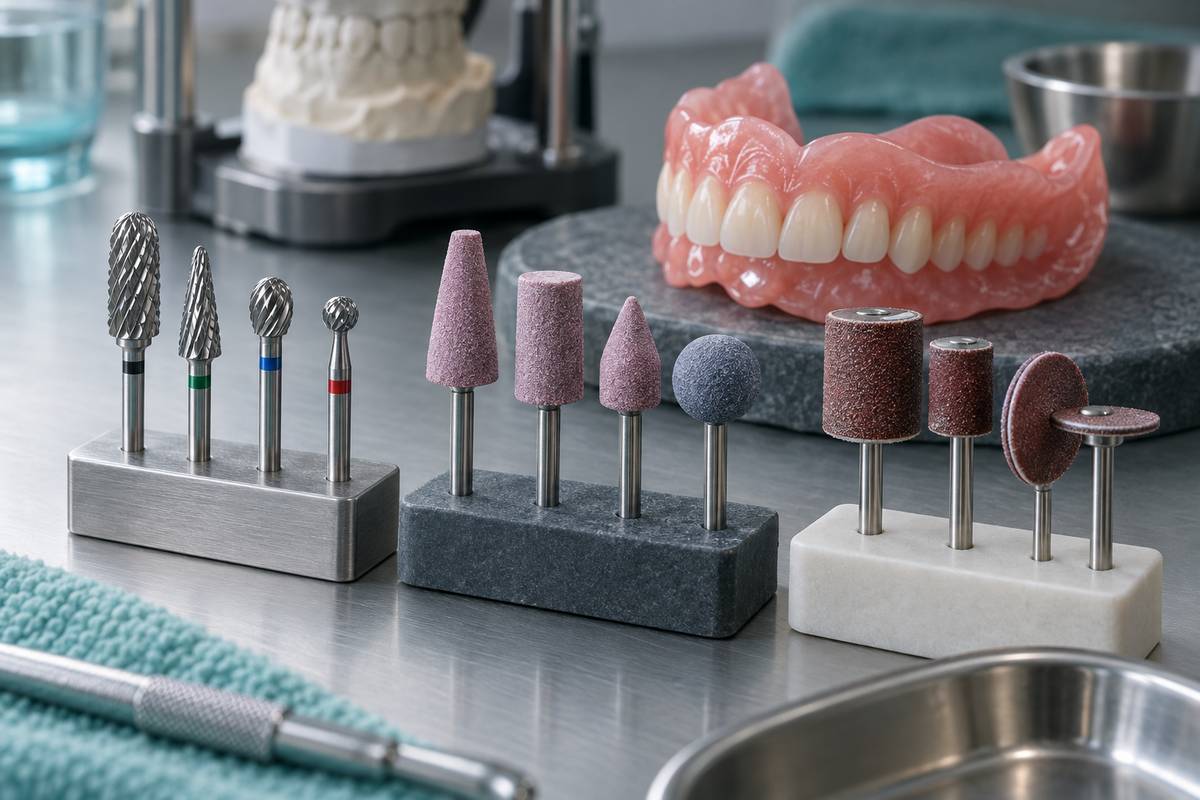
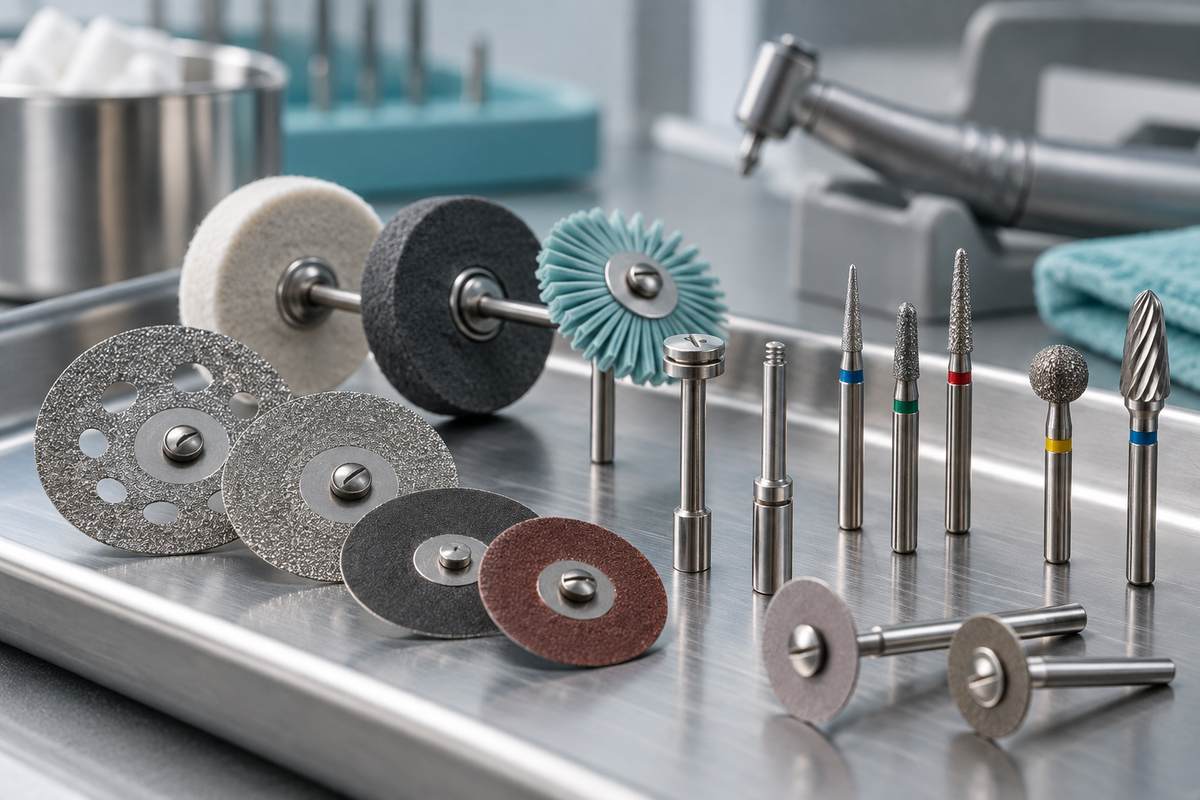
For specific applications like composite finishing or amalgam polishing, silicone rubber polishers and diamond rubber polishers provide more precise control than cups. These aren't typically used for prophylaxis but serve important roles in restorative procedures.
Learn more about these specialized tools in our article on different types of dental polishers.
Patient Education Opportunities
The prophylaxis appointment provides excellent opportunity to reinforce home care:
- Demonstrate proper brushing technique on polished surfaces
- Show patients areas where plaque accumulates most
- Explain how smooth tooth surfaces resist plaque better
- Discuss dietary factors contributing to staining
- Review flossing technique for interproximal surfaces
When patients understand the connection between professional cleaning and home care, compliance with recommendations typically improves.
Economic Considerations
Prophylaxis represents a high-volume service in most dental practices. Equipment and supply choices affect profitability:
| Item | Cost Factor | Consideration |
|---|---|---|
| Handpiece | $200-800 initial | Durability and ergonomics justify quality |
| Disposable angles | $0.50-2.00 each | Convenience vs. cost per patient |
| Reusable angles | $40-100 plus sterilization | Lower per-use cost but processing time |
| Polishing paste | $5-15 per jar | Quality and patient acceptance vary |
| Prophy cups | $10-30 per bag | Different configurations for various needs |
Calculate true cost per prophylaxis appointment including supplies, processing time, and equipment depreciation to make informed purchasing decisions.
Future Developments in Prophylaxis Technology
Ongoing research and development continues to improve prophylaxis tools and techniques:
- Smart handpieces with pressure sensors to prevent excessive force
- Improved battery technology for longer cordless runtime
- Novel polishing paste formulations with therapeutic agents
- Ergonomic designs reducing operator fatigue
- Integration with digital health records for treatment tracking
Staying informed about technological advances helps practices adopt improvements that benefit both staff and patients.
For more information on prophylaxis and related procedures, see our articles on common misconceptions about dental prophylaxis and preventing gum disease through prophylaxis.
Conclusion
The prophy polisher remains an essential tool in dental hygiene practice. Its ability to remove plaque, eliminate stains, and create smooth tooth surfaces provides immediate benefits patients can see and feel. Combined with thorough scaling and patient education, regular prophylaxis helps maintain oral health and prevent disease progression.
Selecting appropriate equipment - whether corded or cordless, disposable or reusable - depends on practice needs, patient volume, and budget considerations. Proper technique and paste selection ensure effective cleaning while preserving tooth structure.
As technology continues to evolve, prophylaxis tools will likely become more efficient and comfortable. However, the fundamental goal remains unchanged: providing patients with clean, healthy teeth and the knowledge to maintain them between professional appointments.