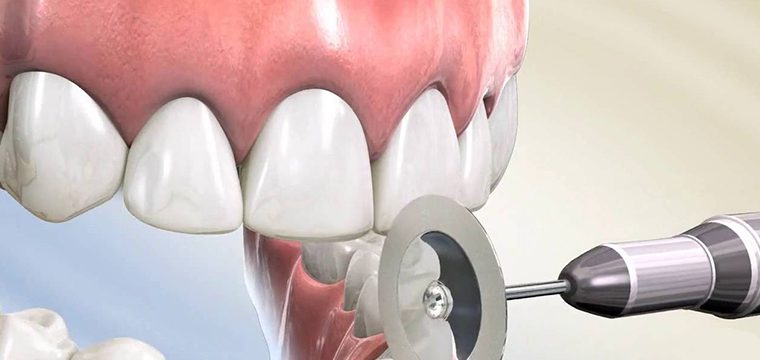
Dental laboratories rely on different disc types for shaping, trimming, and polishing restorations. Diamond discs, stainless steel discs, and stone discs each serve distinct roles in the workflow, and choosing the right one affects both efficiency and the quality of the final restoration.
This article breaks down the differences between these three disc types so you can select the best option for each stage of your lab work.
Overview: What Each Disc Type Does
Each disc type is designed for specific tasks in the dental laboratory. Understanding their primary functions helps you build an efficient workflow.
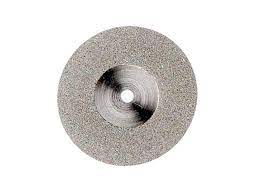
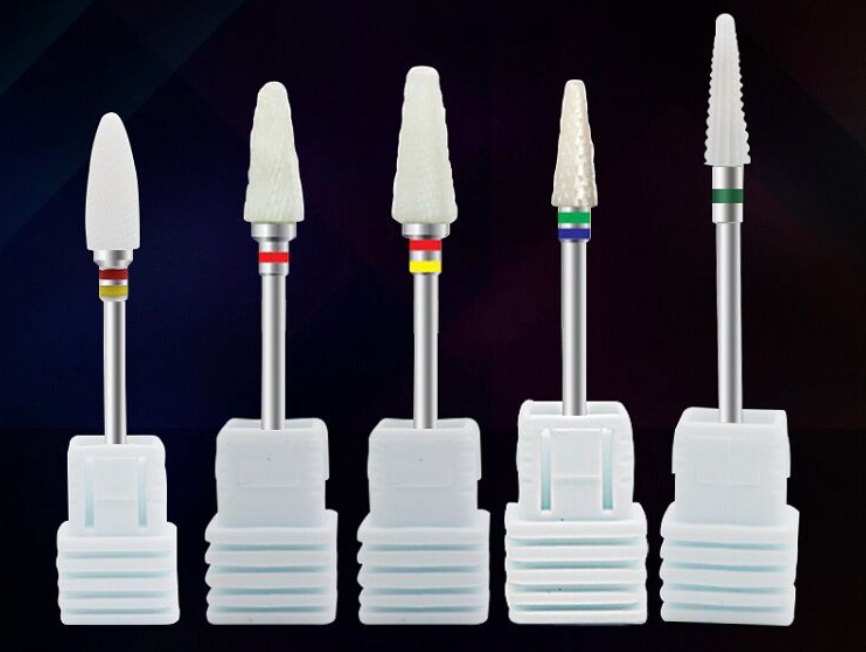
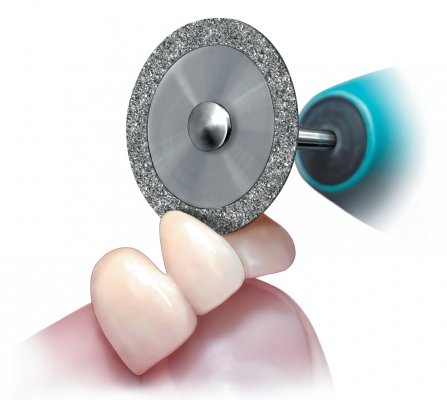
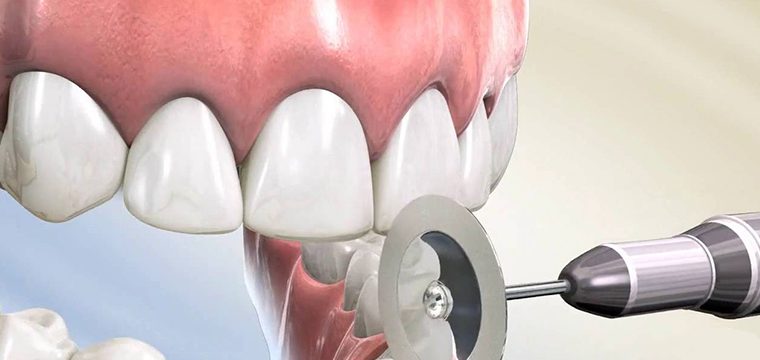
Diamond discs are built for fast, precise cutting and material removal. They contain diamond particles embedded in a metal matrix, giving them aggressive cutting action and excellent durability. These discs handle hard materials like zirconia, lithium disilicate, and metal alloys with ease.
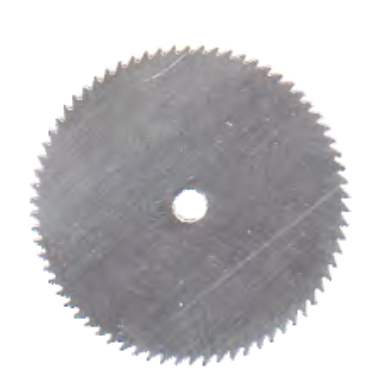
Stainless steel discs are general-purpose cutting and trimming tools. They work well for preliminary contouring, trimming excess material, and adjusting metal frameworks. Their versatility makes them a staple in most dental labs.
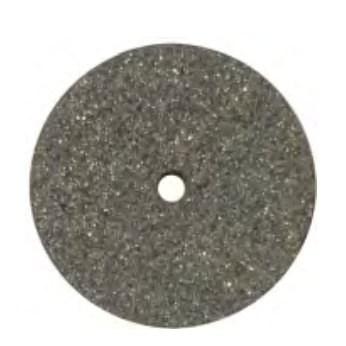
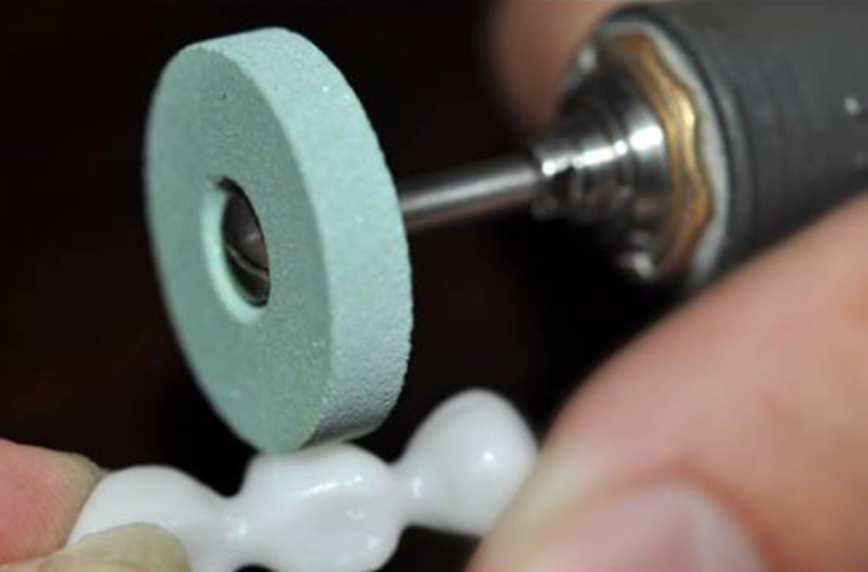
Stone discs (also called porcelain polishing discs) are finishing tools designed for the final polishing stage. Made from composite abrasive material, they produce a smooth, lustrous surface on porcelain crowns, veneers, and bridges.
Cutting Efficiency Comparison
Cutting performance varies significantly between disc types. The table below summarizes how they compare across key performance metrics.
| Feature | Diamond Discs | Stainless Steel Discs | Stone Discs |
|---|---|---|---|
| Cutting speed | Very fast | Moderate | Slow (not designed for cutting) |
| Material removal rate | High | Moderate | Low |
| Surface finish during cutting | Smooth | Moderate | Very smooth |
| Precision | High | Moderate | High (for polishing) |
| Best for hard materials | Yes | Limited | No |
Diamond discs outperform both alternatives when speed and precision matter. Their high concentration of diamond particles allows them to cut through zirconia and metal alloys without excessive pressure. Stainless steel discs deliver solid performance for softer materials and general trimming tasks. Stone discs are not meant for cutting at all; their strength lies in producing a polished surface.
Material Compatibility and Applications
Selecting the right disc depends largely on the material you are working with and the stage of the restoration process.
Diamond Disc Applications
- Cutting and contouring zirconia restorations
- Sectioning metal alloy frameworks
- Shaping composite resin and ceramic materials
- Trimming lithium disilicate (e.max) restorations
- Adjusting implant abutments
For more detail on selecting the right diamond tools for specific procedures, see our guide on using polishing discs and brushes in dental restorations.
Stainless Steel Disc Applications
- Trimming acrylic denture bases
- Cutting plaster and stone models
- Reducing excess material on metal frameworks
- General-purpose trimming and separating
- Adjusting temporary restorations
Stone Disc Applications
- Final polishing of porcelain crowns and bridges
- Smoothing ceramic veneer surfaces
- Pre-polish finishing before high-shine buffing
- Surface refinement on all-ceramic restorations
Heat Generation and Cooling Requirements
Heat management during disc use directly affects both the restoration and the disc itself. Excessive heat can damage ceramic materials, alter metal properties, and shorten disc life.
| Disc Type | Heat Generated | Cooling Required | Risk if Overheated |
|---|---|---|---|
| Diamond discs | High | Water spray recommended | Disc damage, restoration cracking |
| Stainless steel discs | Moderate | Intermittent cooling | Material discoloration |
| Stone discs | Low | Minimal | Surface glazing loss |
When using diamond discs at high speed, always use water coolant or take frequent pauses to prevent thermal damage. Stainless steel discs generate less heat but still benefit from intermittent cooling, especially when cutting metal. Stone discs produce minimal heat due to their gentle polishing action.
Durability and Lifespan
How long a disc lasts depends on its construction, the materials being cut, and how well it is maintained.
Diamond Discs
Diamond discs have the longest lifespan among the three types. The diamond particles bonded into the metal matrix resist wear over hundreds of uses. Thicker discs last longer than thin ones, though thin discs offer better precision for detailed work. Regular cleaning extends their life further. For maintenance tips, read our article on cleaning diamond burs and tools.
Stainless Steel Discs
Stainless steel discs offer good durability for their price point. They can be cleaned and sterilized for reuse multiple times. However, the cutting edge dulls faster than diamond, particularly when used on hard materials. Replace them when cutting becomes noticeably slower or requires more pressure.
Stone Discs
Stone discs wear down the fastest of the three types. Because the abrasive material gradually breaks away during polishing, these discs need more frequent replacement. Keep spares on hand, especially when working on large batches of restorations.
Safety Guidelines
All disc types present potential hazards during use. Follow these safety practices regardless of which disc you are using:
- Eye protection: Always wear safety glasses or a face shield. Disc fragments and material debris can cause serious eye injuries
- Respiratory protection: Use a dust mask or work with adequate ventilation. Fine particles from cutting and polishing are harmful when inhaled
- Gloves: Wear appropriate gloves to protect against cuts and heat
- Speed settings: Match the handpiece RPM to the disc manufacturer's recommendations. Running discs too fast increases the risk of breakage
- Disc inspection: Check discs for cracks or damage before each use. Discard any disc that shows signs of wear at the arbor hole or has visible cracks

Cost Analysis
Budget is always a factor in equipping a dental laboratory. Here is how the three disc types compare on cost.
| Factor | Diamond Discs | Stainless Steel Discs | Stone Discs |
|---|---|---|---|
| Initial cost per disc | High | Low | Low to moderate |
| Lifespan | Long | Moderate | Short |
| Cost per use | Low to moderate | Low | Moderate |
| Replacement frequency | Low | Moderate | High |
Diamond discs carry a higher upfront cost, but their long lifespan often makes them more economical over time, especially in high-volume labs. Stainless steel discs are the most budget-friendly option for general work. Stone discs fall in between, with moderate per-unit cost but higher replacement frequency.
Many labs stock all three types and use each where it performs best. This approach balances cost with performance and ensures you always have the right tool for the task. Browse our full selection of laboratory diamond burs and discs and laboratory accessories for your workbench.
Disc Thickness and Size Selection
Beyond choosing the disc material, selecting the right thickness and diameter affects both performance and results.
Thin diamond discs (0.15-0.3mm) provide the most precise cuts with minimal material loss, making them ideal for separating crowns on a model or sectioning thin ceramic layers. Thicker diamond discs (0.5mm and above) offer more stability and are better for heavy cutting tasks where precision is secondary to speed.
Stainless steel discs are commonly available in thicknesses ranging from 0.1mm to 0.5mm. Thinner options work well for fine trimming and separating, while thicker versions handle bulk material removal on acrylic and plaster.
Stone discs are typically thicker than cutting discs because their purpose is surface contact rather than penetration. Choose a diameter that matches the size of the restoration surface you need to polish. Smaller diameters give better access to tight areas like interproximal surfaces, while larger discs cover broad surfaces more efficiently.
Choosing the Right Disc for Your Lab
The decision comes down to matching the disc type to the task at hand:
- For cutting and shaping hard materials (zirconia, metal alloys, ceramics): Use diamond discs
- For general trimming and contouring (acrylic, plaster, soft metals): Use stainless steel discs
- For final polishing (porcelain crowns, veneers, bridges): Use stone discs
Many experienced technicians use a three-stage workflow: diamond discs for initial shaping, stainless steel discs for intermediate trimming, and stone discs for the final polish. This sequential approach produces restorations with accurate fit and excellent surface quality while keeping costs reasonable.