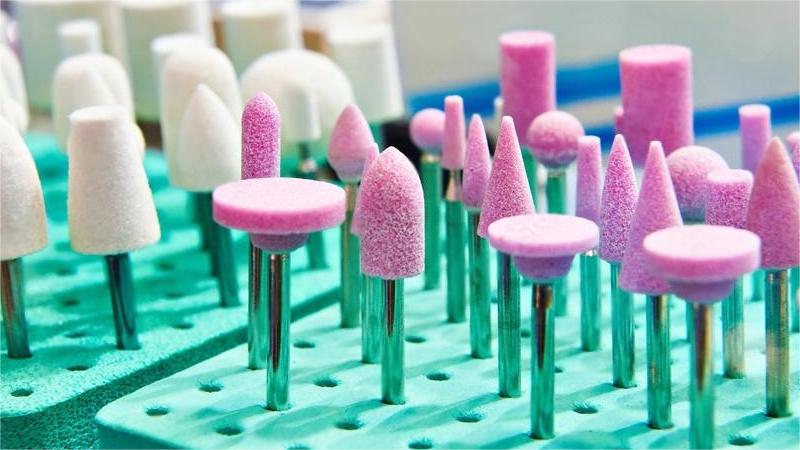
A professional nail drill is only as good as the bits you attach to it. Each bit material, shape, and grit level is engineered for specific tasks. Using the wrong bit on the wrong service leads to heat damage, rough finishes, or wasted time. This guide breaks down every major type of nail drill bit so you can build the right kit for your services.
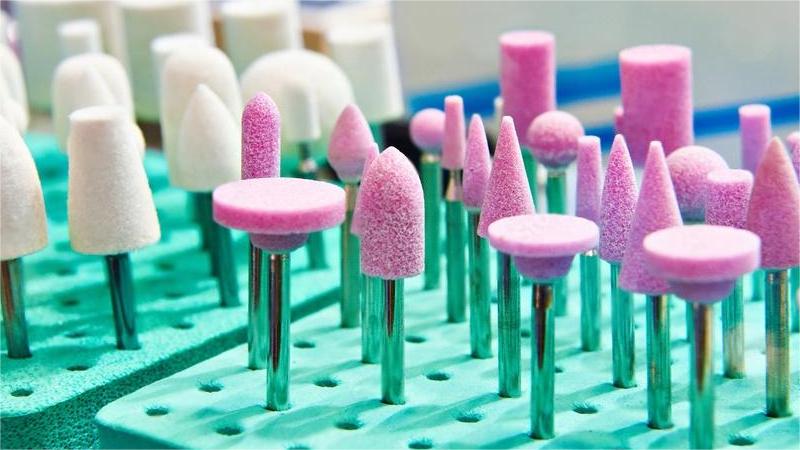
Nail Drill Bit Materials Compared
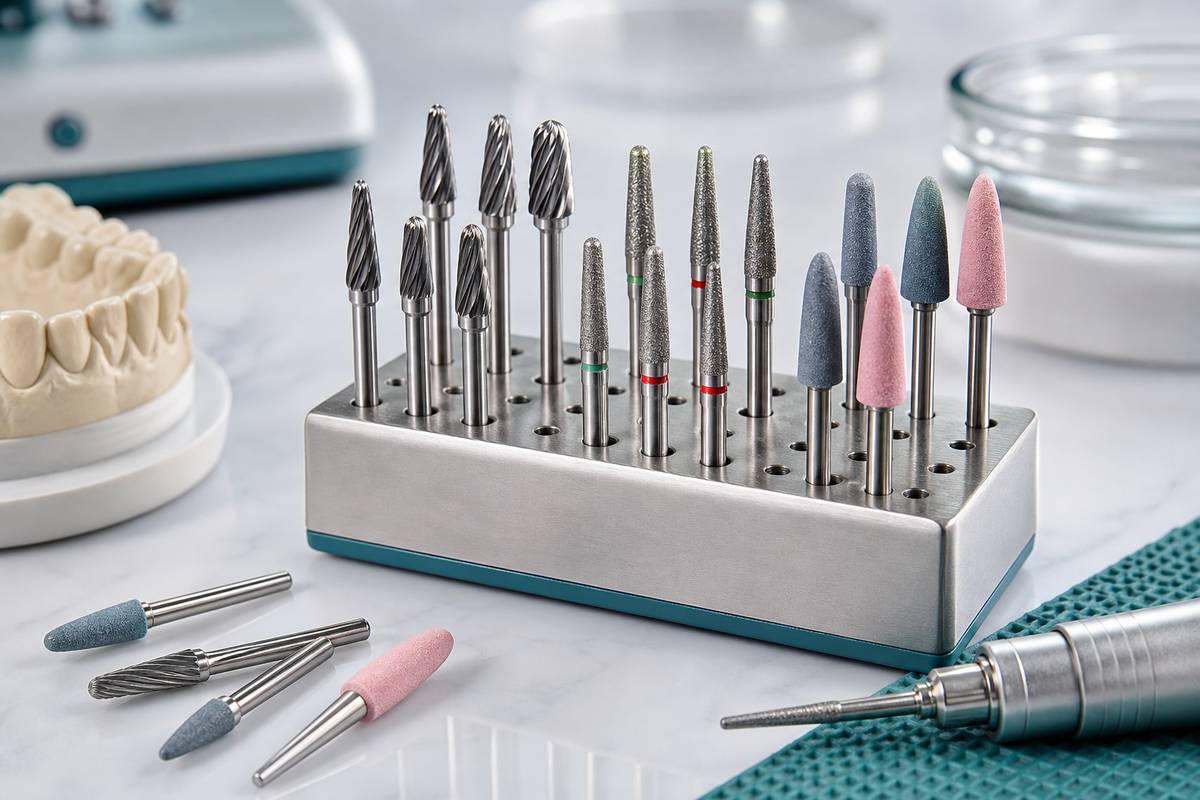
The material a bit is made from determines its cutting behavior, heat generation, durability, and ideal use case. Here is how the five main categories compare side by side.
| Material | Best For | Heat Level | Durability | Skill Level |
|---|---|---|---|---|
| Diamond | Natural nail prep, cuticle work | Moderate | Very high | All levels |
| Carbide | Acrylic/gel removal, shaping | Low | High | Intermediate+ |
| Ceramic | Gel removal, sensitive clients | Very low | Moderate | All levels |
| Silicone | Buffing, polishing | Very low | Low | All levels |
| Sanding bands | Filing, shaping, dead skin | Moderate | Single use | All levels |
Diamond Nail Drill Bits
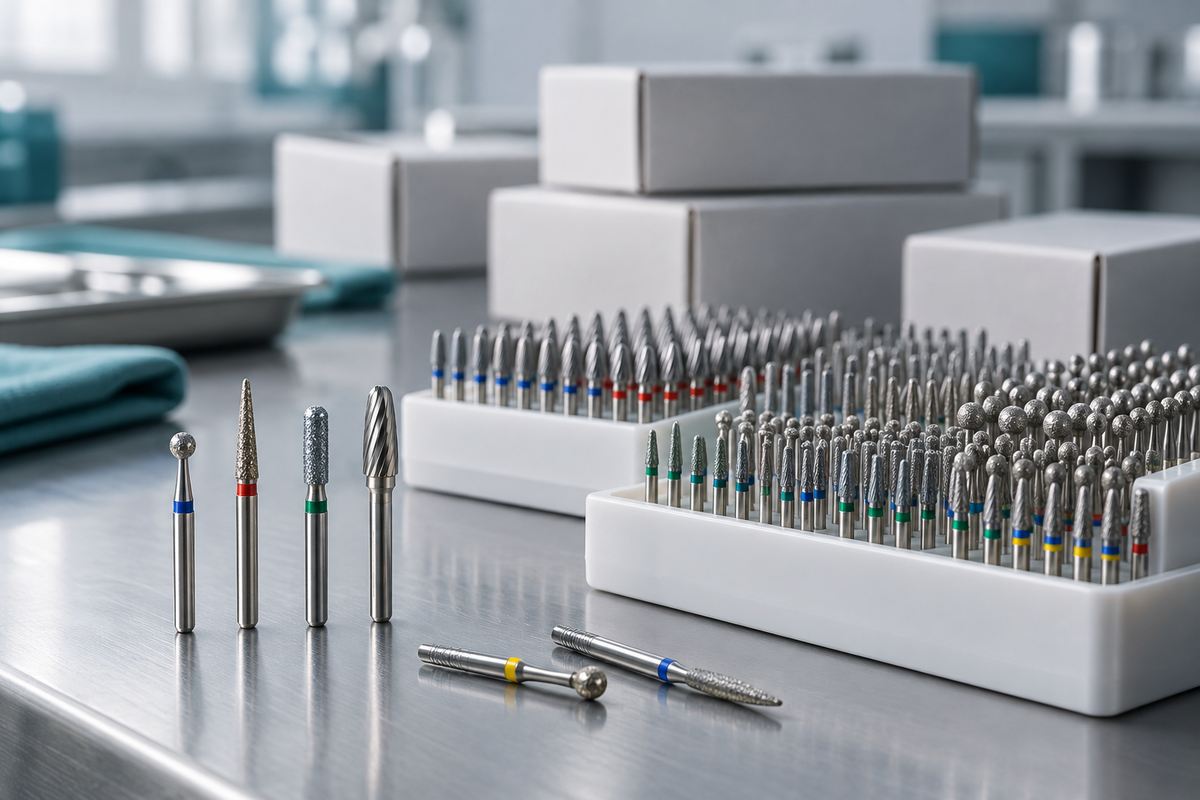
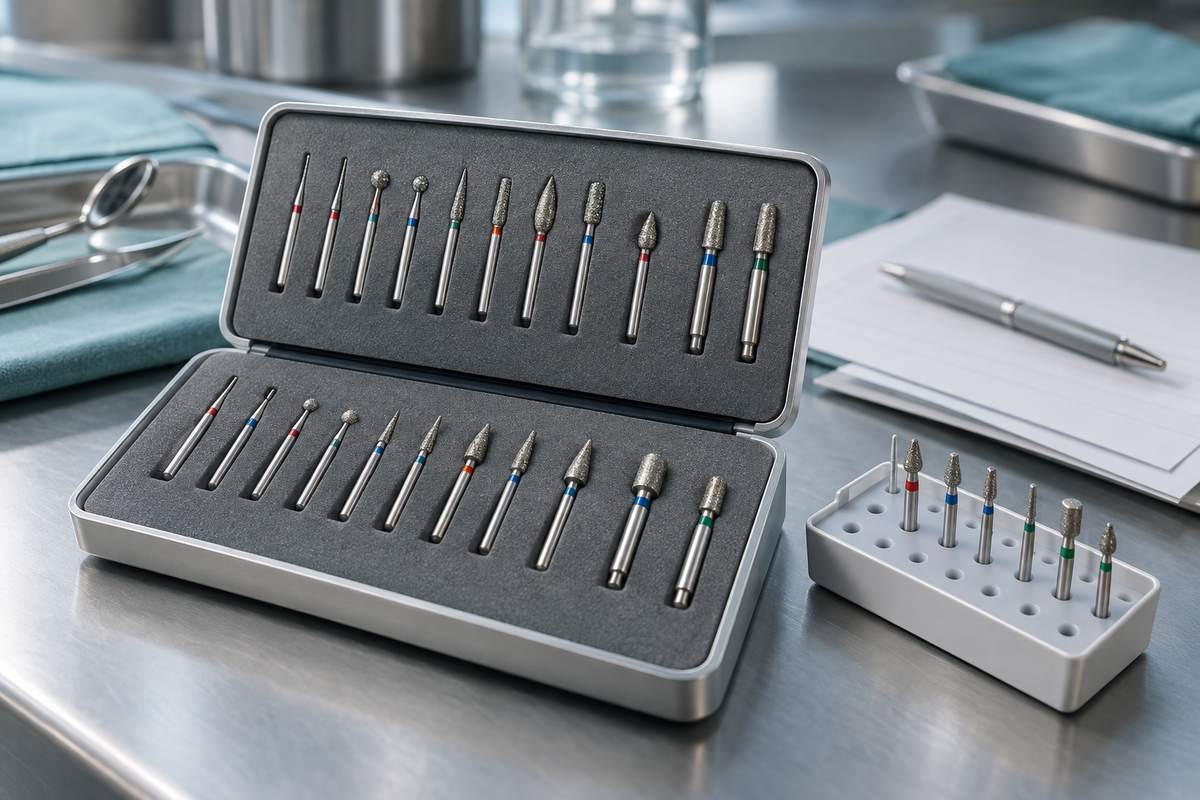
Diamond bits have a metal core coated with bonded diamond particles. The diamond grit does not wear down as quickly as other abrasive materials, which makes these bits some of the longest-lasting options available.
What Diamond Bits Do Well
- Natural nail preparation: Fine-grit diamond bits gently remove shine from the nail plate before gel or acrylic application, creating better adhesion without over-thinning.
- Cuticle cleanup: Small flame-shaped or needle diamond bits excel at cleaning the cuticle area and sidewalls with precision.
- Callus reduction: Coarse diamond bits work well on thickened skin around the nails and on the feet during pedicures.
Diamond Bit Grit Guide
| Grit Band Color | Grit Level | Use |
|---|---|---|
| Black | Super coarse | Callus removal, pedicure |
| Green | Coarse | Hard gel removal |
| Blue | Medium | General shaping |
| Red | Fine | Natural nail prep, cuticle |
| Yellow | Extra fine | Finishing, smoothing |
Carbide Nail Drill Bits
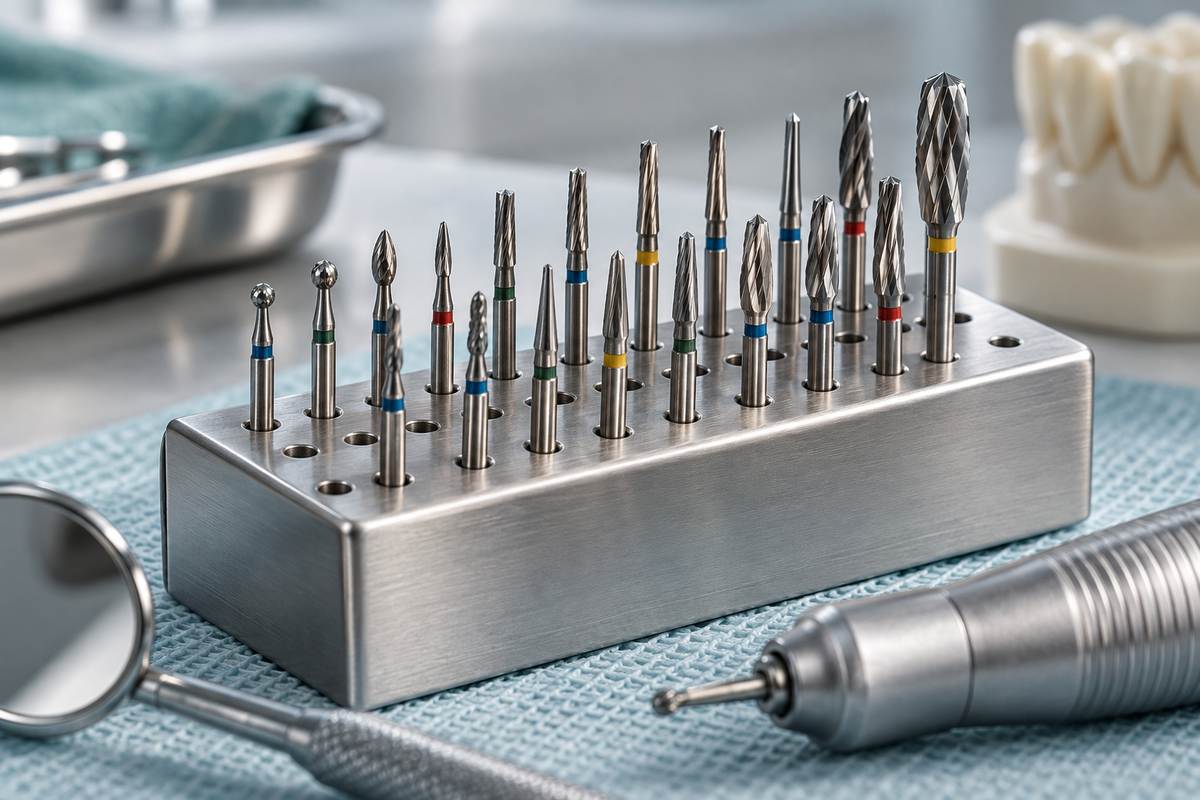
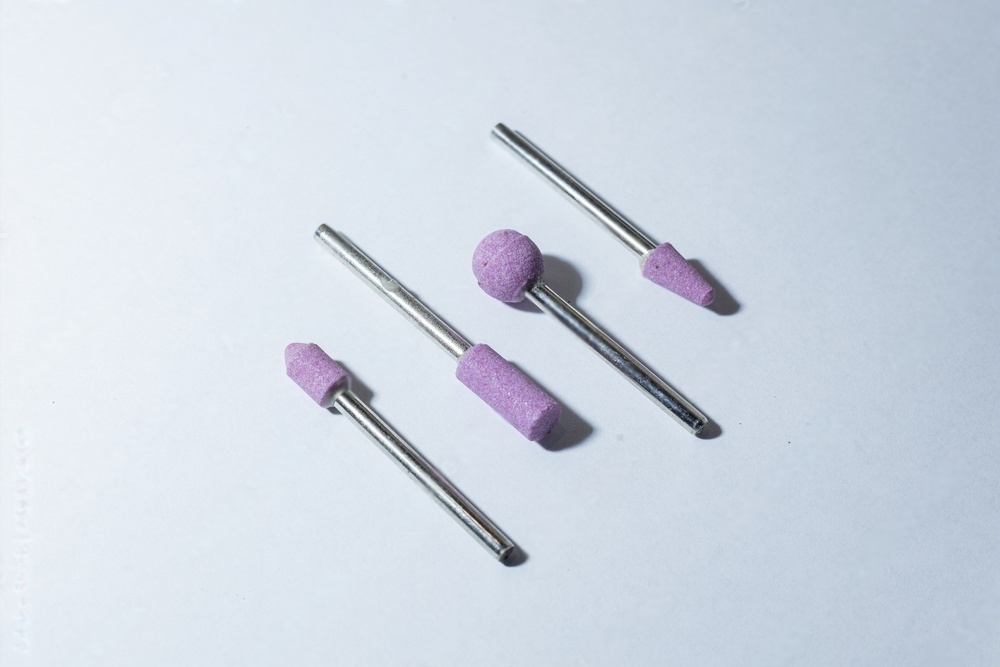
Carbide bits are machined from solid tungsten carbide with precisely cut flutes. Unlike diamond bits that grind with abrasive particles, carbide bits cut with blade-like edges that lift material in chips. This fundamental difference makes them the preferred choice for removing thick product.
What Carbide Bits Do Well
- Acrylic removal: Coarse cross-cut carbide bits remove acrylic quickly with minimal heat.
- Gel removal: Medium carbide bits strip hard gel efficiently.
- Shortening and shaping: Barrel-shaped carbide bits reshape nail extensions faster than hand filing.
Carbide Cut Types
Carbide bits come in different flute patterns, each suited to different tasks:
- Single cut (one-way): Smooth, controlled cutting in one rotation direction. Good for detail work.
- Cross-cut (two-way): Cuts in both directions. More versatile, ideal for right- and left-handed use.
- Straight flute: Fine finish, lower aggression. Good for smoothing after bulk removal.
Ceramic Nail Drill Bits
Ceramic bits are made from zirconia ceramic, a material that naturally resists heat buildup. This makes them an excellent choice for technicians who work with clients who are sensitive to warmth, or for services that require extended drilling time.
What Ceramic Bits Do Well
- Gel polish removal: Ceramic bits remove soft and hard gel with less heat than carbide or diamond, reducing client discomfort.
- Under-nail cleaning: Their smooth cutting action and controlled aggression make them safe for cleaning beneath nail extensions.
- Beginner-friendly filing: The lower heat output gives new technicians more margin for error.
Note: Ceramic bits are more brittle than carbide. Avoid dropping them on hard surfaces, and do not use lateral pressure that could snap the head.
Silicone Polishers and Buffers
Silicone bits are soft, flexible polishing tools embedded with fine abrasive. They do not cut or file; they smooth and shine. Use them as the final step after shaping or removal to bring the nail surface to a high-gloss finish. Silicone polishers are available in multiple grits, from medium (smoothing) to ultra-fine (high shine).
Sanding Bands and Mandrels
Sanding bands are disposable sleeves of sandpaper that fit over a reusable mandrel. They are one of the most affordable and hygienic options because each band is single-use.
Sanding Band Grit Selection
| Grit | Use |
|---|---|
| 80 | Acrylic/gel shortening |
| 120 | Shaping, product thinning |
| 180 | Smoothing, natural nail refining |
| 240+ | Final smoothing before polish |
Mandrel and disc systems follow the same grit logic but work better on flat nail surfaces and for finishing the underside of nail tips.
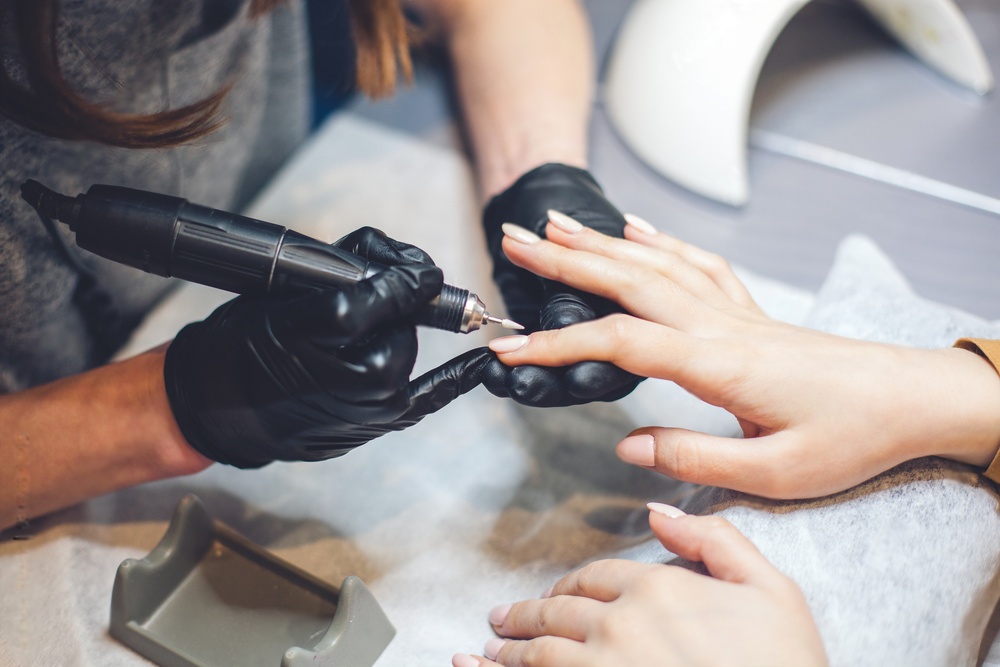
Nail Drill Bit Shapes and Their Functions
Beyond material, the shape of a bit determines where and how it contacts the nail. Here are the most common shapes and when to use them.
| Shape | Function |
|---|---|
| Barrel | Surface filing, bulk product removal |
| Tapered barrel | Cuticle area, sidewall work |
| Flame | Cuticle cleanup, C-curve shaping |
| Needle / Pointed | Under-nail cleaning, detailed design work |
| Ball / Sphere | Cuticle area, removing dead tissue |
| Cone | Shortening nails, backfill groove |
| Safety (rounded tip) | Beginners, reducing nail bed risk |
How Grit and Coarseness Affect Performance
Grit refers to the size of the abrasive particles on the bit surface. Lower numbers mean larger, more aggressive particles. Higher numbers mean finer, gentler particles. Choosing the right grit for each task prevents over-filing and heat damage.
For diamond bits, grit is indicated by a colored band on the shank. For sanding bands, grit is printed as a number on the packaging. Carbide bits do not use grit numbers; instead, their aggressiveness depends on the flute pattern and the number of cuts (fine, medium, coarse).
A common mistake among newer technicians is using a single medium-grit bit for every task. While this may seem efficient, it leads to over-filing on delicate work and slow progress on heavy removal. Matching the grit to the task produces better results in less time with less risk to the natural nail.
Caring for Your Nail Drill Bits
Proper maintenance keeps your bits performing at their best and extends their working life significantly. Diamond bits can last months with proper care, while neglected bits lose their effectiveness in weeks.
- Clean after every client: Use a brass wire brush to remove debris from flutes and grit surfaces. Clogged bits generate more heat and cut less efficiently.
- Disinfect properly: Soak metal bits in an EPA-registered disinfectant for the recommended contact time. Do not soak ceramic bits for extended periods as moisture can weaken the material over time.
- Store in a covered holder: A bit stand or closed case protects the cutting surfaces from damage. Bits rattling loose in a drawer chip and dull faster.
- Know when to replace: A diamond bit is done when the grit feels smooth to the touch. A carbide bit is done when the flutes look shiny or rounded instead of sharp. Using worn bits forces you to apply more pressure, which increases heat and the risk of nail damage.
Building Your Drill Bit Kit
The bits you need depend on the services you offer. Here are starter recommendations by service type:
- Natural manicure only: Fine diamond flame, fine diamond ball, silicone polisher
- Gel services: Medium ceramic barrel, fine diamond flame, 180-grit sanding band, silicone polisher
- Acrylic services: Coarse carbide barrel, medium carbide tapered, 180-grit sanding band, silicone polisher
- Full-service salon: All of the above, plus needle and cone bits for design work
Understanding the strengths and limitations of each bit type helps you work faster, produce better results, and keep your clients comfortable. For a practical walkthrough on using these bits, see our nail drill bits guide for manicure. If acrylic removal is your main concern, our article on choosing the best bit for acrylic removal covers that topic in detail.