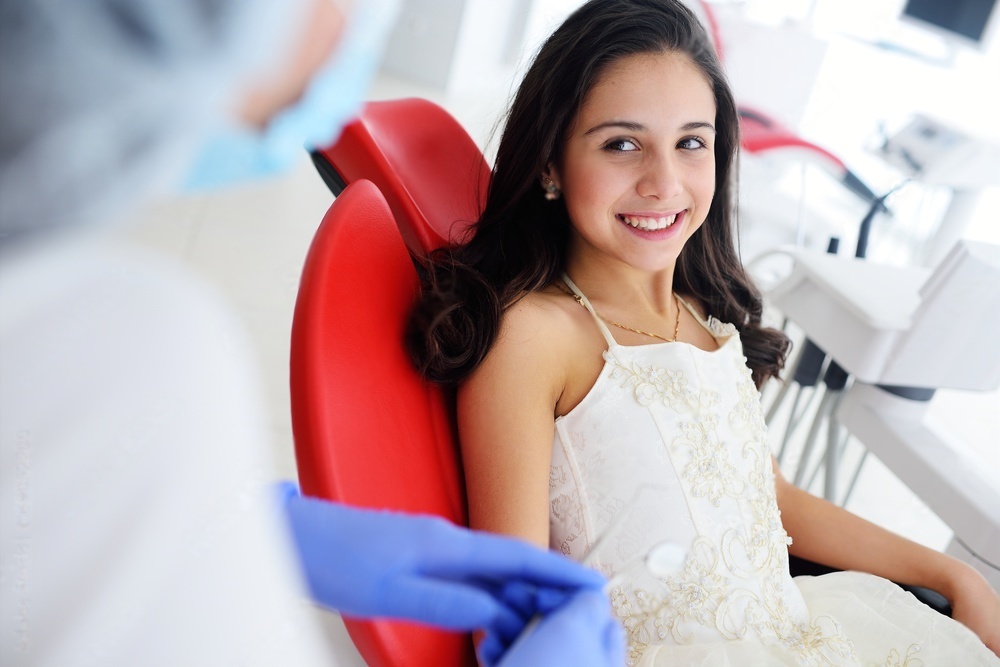
Dental Prophylaxis: The Foundation of Gum Disease Prevention
Gum disease affects nearly half of adults over the age of 30, according to data from the CDC. While daily brushing and flossing form the backbone of oral hygiene, they cannot reach every surface where plaque accumulates. Dental prophylaxis fills that gap. This professional cleaning procedure removes hardened deposits that home care misses, stopping gum disease before it starts.
For dental professionals, performing effective prophylaxis requires the right technique, the right instruments, and a thorough understanding of periodontal anatomy. This guide covers the full scope of dental prophylaxis, from the clinical rationale behind it to the step-by-step procedure and the instruments involved.
What Is Dental Prophylaxis?
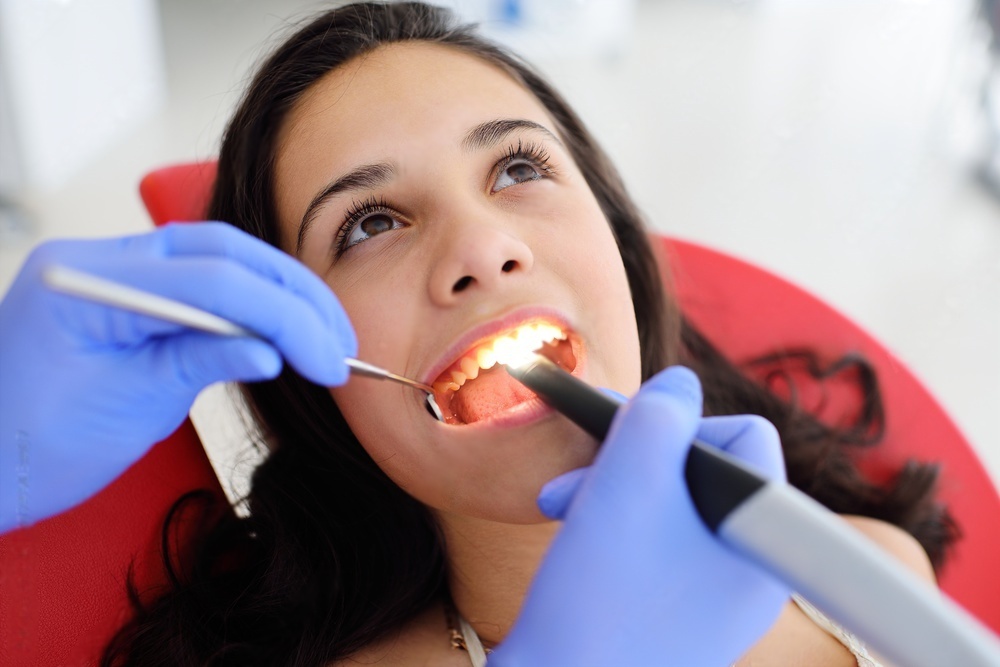
Dental prophylaxis is a preventive procedure that involves the mechanical removal of plaque, calculus (tartar), and stains from tooth surfaces above and slightly below the gumline. It differs from scaling and root planing, which targets deeper periodontal pockets in patients who already have active gum disease.
A standard prophylaxis appointment includes the following steps:
- Supragingival scaling to remove calculus from visible tooth surfaces
- Subgingival scaling of shallow sulcus areas (typically 1-3 mm depth)
- Polishing with a rubber cup and prophylaxis paste to smooth enamel
- Flossing to clear interproximal debris
- Fluoride application to strengthen enamel against acid attacks
The entire process usually takes 30 to 60 minutes, depending on the amount of buildup present.
How Plaque and Tartar Lead to Gum Disease
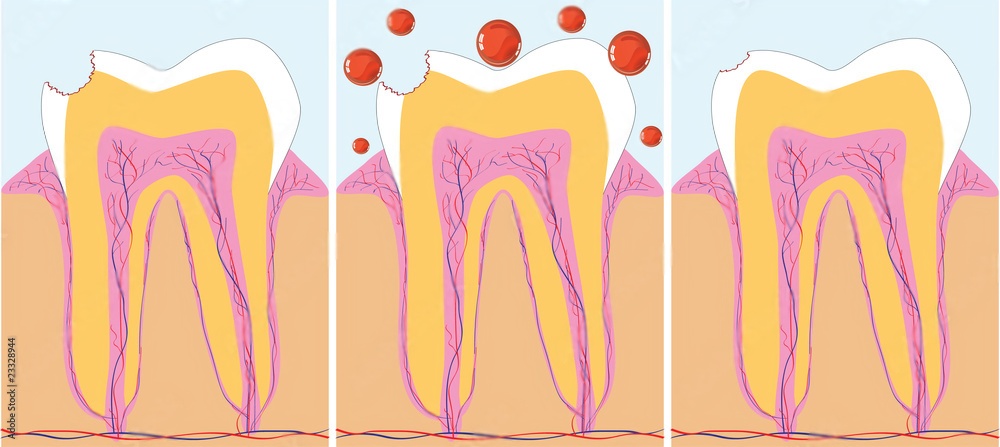
Understanding the disease pathway clarifies why prophylaxis matters. Plaque is a sticky biofilm of bacteria that forms on teeth within hours of brushing. When plaque remains undisturbed, it mineralizes into calculus within 24 to 72 hours. Unlike plaque, calculus cannot be removed with a toothbrush. It requires professional instrumentation.
The progression from plaque to periodontal disease follows a predictable sequence:
- Plaque accumulation along the gumline triggers an inflammatory response
- Gingivitis develops, characterized by red, swollen gums that bleed during brushing
- Calculus forms, creating a rough surface that harbors additional bacteria
- Periodontitis begins as infection spreads below the gumline, destroying connective tissue and bone
- Tooth mobility and loss occur in advanced stages when supporting structures are compromised
Prophylaxis interrupts this chain at steps one through three, preventing the irreversible damage that occurs once periodontitis establishes itself.
Instruments and Tools Used in Prophylaxis
Effective prophylaxis depends on selecting the right instruments for each stage of the procedure. Below is a summary of the primary tools used in clinical practice.
| Instrument | Function | Application |
|---|---|---|
| Ultrasonic scaler | Vibrates at high frequency to break apart calculus | Heavy supragingival and light subgingival deposits |
| Hand scalers (sickle, curette) | Manual removal of calculus with precise blade strokes | Fine deposits and areas requiring tactile feedback |
| Prophy angle with rubber cup | Rotary polishing of enamel surfaces | Stain removal and surface smoothing after scaling |
| Prophylaxis paste | Mild abrasive compound for polishing | Applied with rubber cup in varying grits |
| Air polishing device | Projects a stream of air, water, and powder | Biofilm removal and light stain removal |
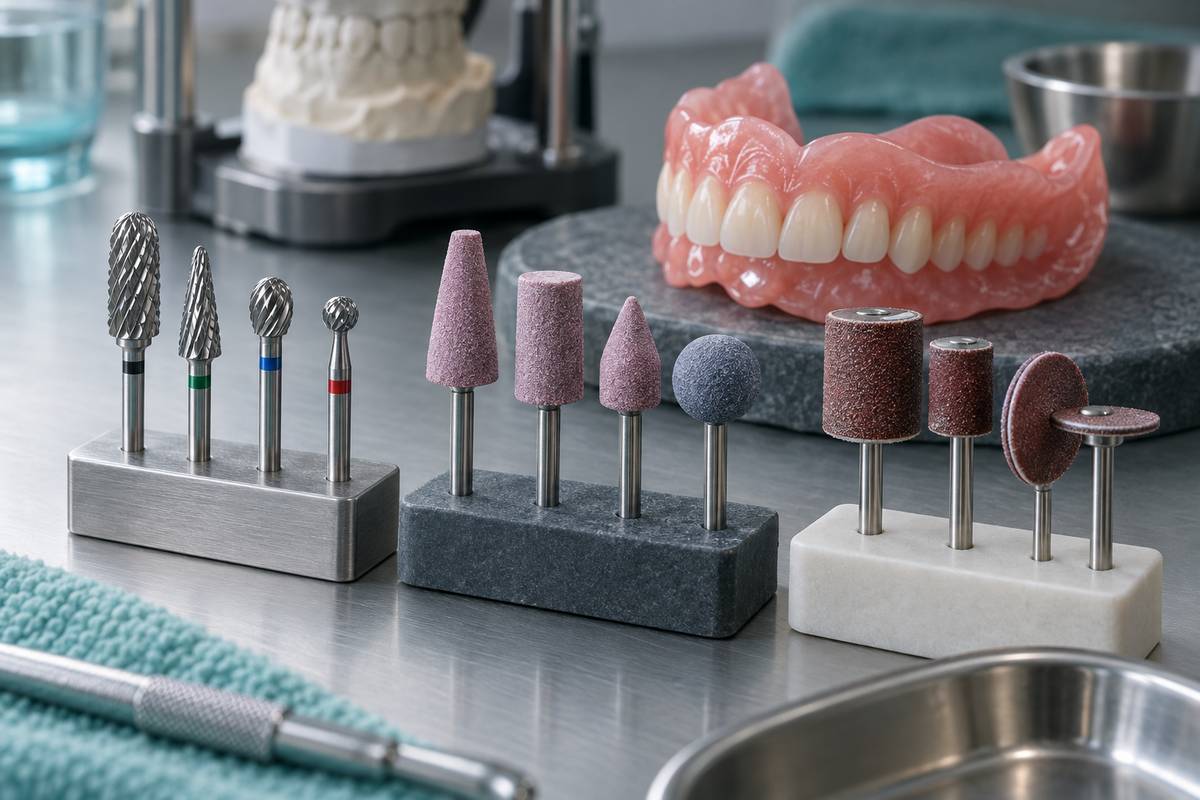
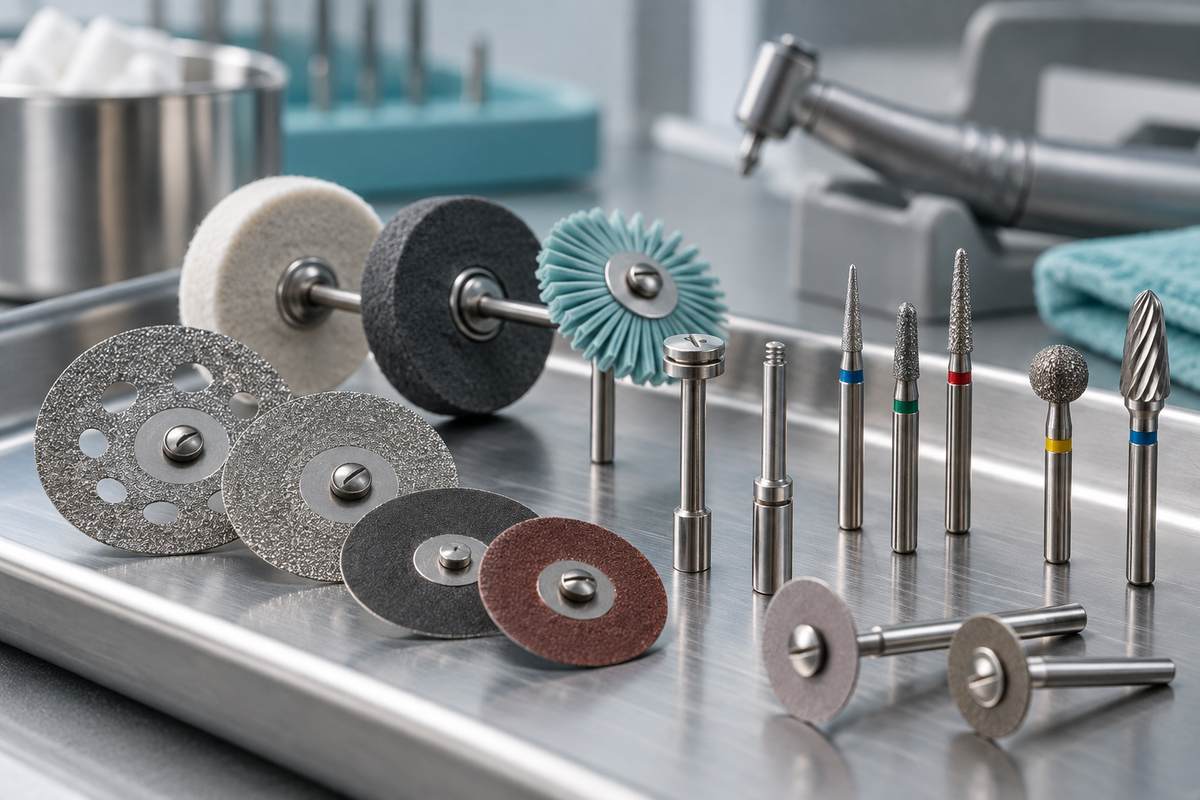
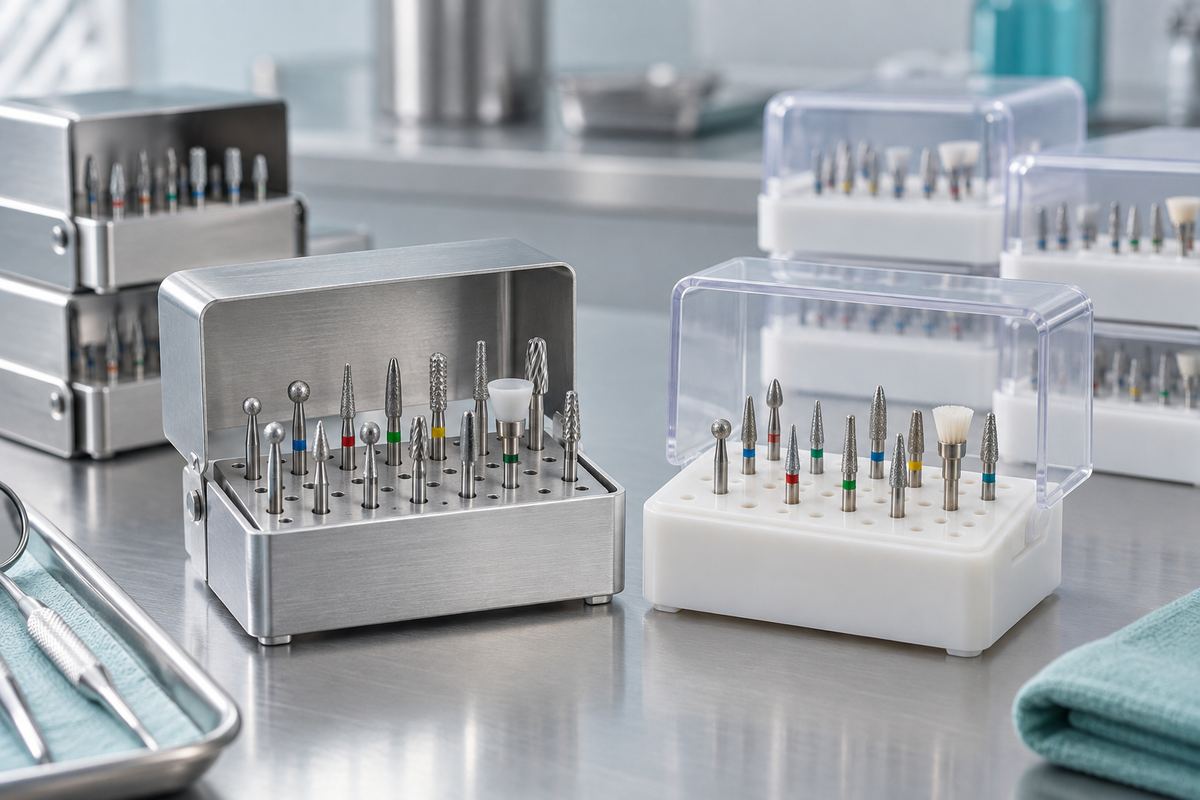
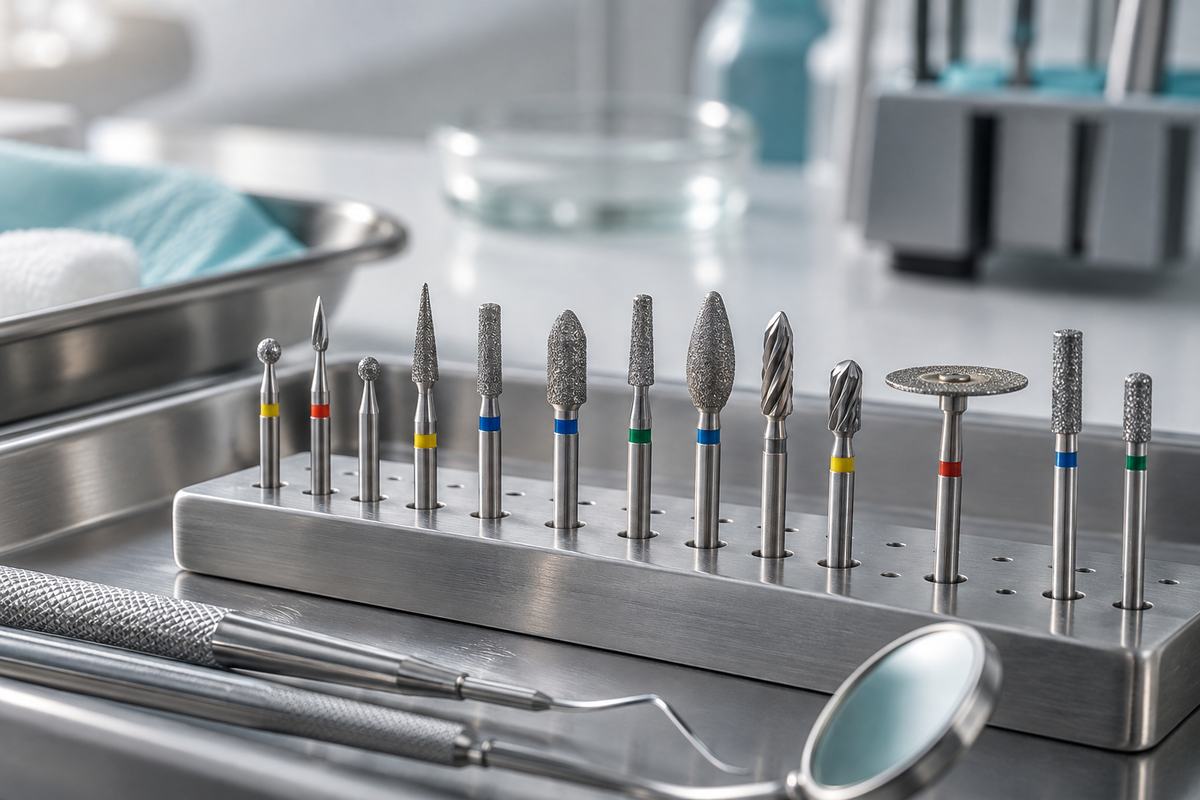
Maintaining these instruments in proper working condition is essential. Tungsten carbide burs are frequently used alongside prophylaxis instruments for procedures that require precise enamel contouring or removal of overhanging restorations during the same appointment.
Clinical Signs That Indicate the Need for Prophylaxis
Not every patient presents with obvious symptoms. Gum disease in its early stages is often painless, which is why regular prophylaxis appointments serve a diagnostic function as well. During the procedure, the clinician evaluates several indicators:
- Bleeding on probing (BOP) is the earliest reliable sign of gingival inflammation
- Pocket depth measurements exceeding 3 mm suggest tissue detachment has begun
- Visible calculus deposits on lingual surfaces of lower anterior teeth and buccal surfaces of upper molars
- Gingival recession exposing root surfaces that are more susceptible to decay
- Halitosis caused by bacterial metabolic byproducts in plaque deposits
Patients who exhibit multiple signs may require more frequent prophylaxis intervals or referral for periodontal therapy.
How Often Should Patients Receive Prophylaxis?
The standard recommendation of every six months applies to patients with healthy gingiva and minimal risk factors. However, prophylaxis frequency should be individualized based on clinical findings. The following guidelines reflect common practice:
- Low-risk patients (no bleeding, minimal plaque, no history of periodontitis): every 6 months
- Moderate-risk patients (occasional bleeding, moderate plaque accumulation, smoking history): every 4 months
- High-risk patients (diabetes, immunocompromised status, history of periodontitis): every 3 months
Research published in the Journal of Clinical Periodontology supports the position that tailored recall intervals produce better long-term periodontal outcomes than a one-size-fits-all approach.
The Role of Polishing in Prophylaxis
Polishing serves two purposes during prophylaxis. First, it removes extrinsic stains from coffee, tea, tobacco, and chromogenic bacteria. Second, it creates a smoother enamel surface that resists new plaque adhesion. The silicone rubber polisher is increasingly used as an alternative to traditional prophy paste, offering consistent results with less enamel abrasion.
Selective polishing has gained traction as an evidence-based approach. Rather than polishing every tooth surface, clinicians focus on areas with visible staining. This reduces unnecessary enamel wear while still achieving the cosmetic and functional goals of the procedure.
Patient Education: Bridging the Gap Between Visits
Prophylaxis alone cannot maintain periodontal health. Patient compliance with home care determines the long-term outcome. Effective patient education during prophylaxis appointments covers these fundamentals:
- Proper brushing technique using a soft-bristled toothbrush angled at 45 degrees toward the gumline
- Daily flossing or use of interdental brushes for spaces that floss cannot reach
- Antimicrobial mouth rinse for patients with persistent gingivitis
- Dietary modifications to reduce sugar intake and acidic beverage consumption
- Smoking cessation, as tobacco use is the single greatest modifiable risk factor for periodontal disease
When patients understand the connection between plaque accumulation and gum disease, they are more likely to maintain consistent home care between prophylaxis visits.
Prophylaxis vs. Periodontal Maintenance: Understanding the Difference
A common source of confusion in dental practice involves the distinction between prophylaxis and periodontal maintenance. These are separate procedures with different indications:
- Prophylaxis (ADA code D1110) is a preventive procedure for patients without a history of periodontal disease. It targets supragingival and shallow subgingival deposits.
- Periodontal maintenance (ADA code D4910) follows active periodontal therapy (scaling and root planing). It includes subgingival instrumentation of previously treated pockets and is performed at closer intervals.
Correct classification matters for treatment planning, insurance coding, and clinical documentation. Patients who have completed periodontal treatment should not revert to routine prophylaxis, as their periodontal status requires ongoing monitoring and deeper instrumentation.
Connecting Prophylaxis to Overall Health
The relationship between periodontal health and systemic conditions has been extensively studied. Chronic gum inflammation is associated with increased risk of cardiovascular disease, poorly controlled diabetes, adverse pregnancy outcomes, and respiratory infections. Regular prophylaxis reduces the bacterial burden in the oral cavity, potentially mitigating these systemic effects.
For dental professionals looking to expand their knowledge of preventive procedures, resources on common misconceptions about dental prophylaxis and the role of fluoride in dental prophylaxis provide additional clinical context.
Key Takeaways
Dental prophylaxis is not merely a cleaning. It is a clinical procedure grounded in periodontal science that prevents the progression of plaque and calculus into irreversible gum disease. By combining thorough instrumentation, appropriate recall intervals, and effective patient education, dental professionals can significantly reduce the incidence of gingivitis and periodontitis in their patient populations. For patients, keeping prophylaxis appointments on schedule remains one of the most cost-effective investments in long-term oral health.