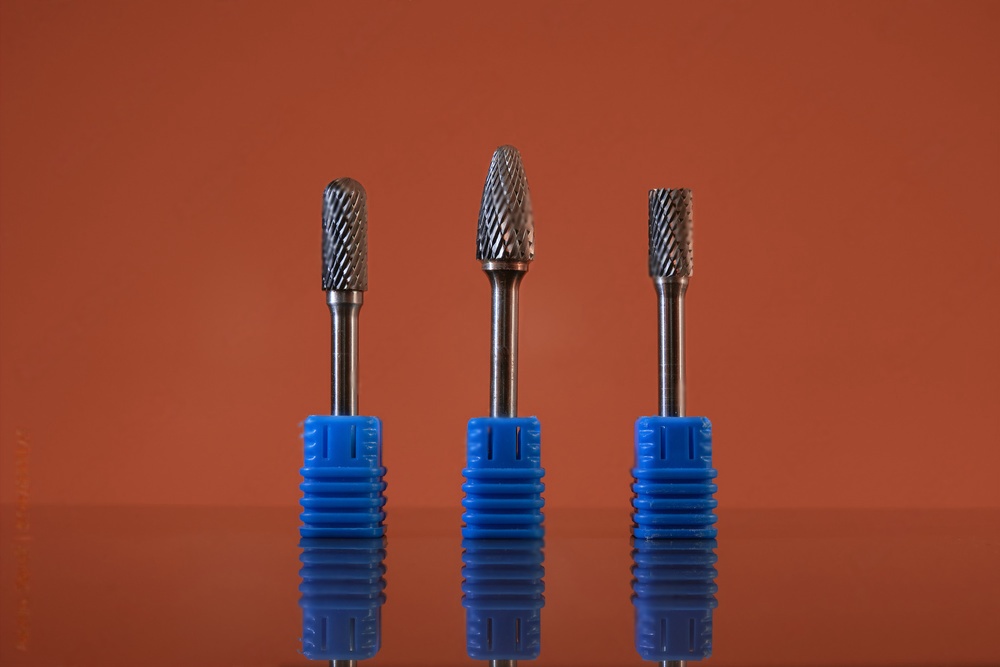
Tungsten carbide burs remain one of the most widely used rotary instruments in modern dentistry. Whether you are preparing cavities, removing old restorations, or shaping tooth structure, these burs offer a dependable combination of cutting power and longevity. But like every clinical tool, they come with trade-offs that are worth understanding before you commit to stocking your operatory.
This article breaks down the real-world advantages and disadvantages of tungsten carbide burs so you can decide when they belong in your handpiece and when another option might serve you better.
What Are Tungsten Carbide Burs?
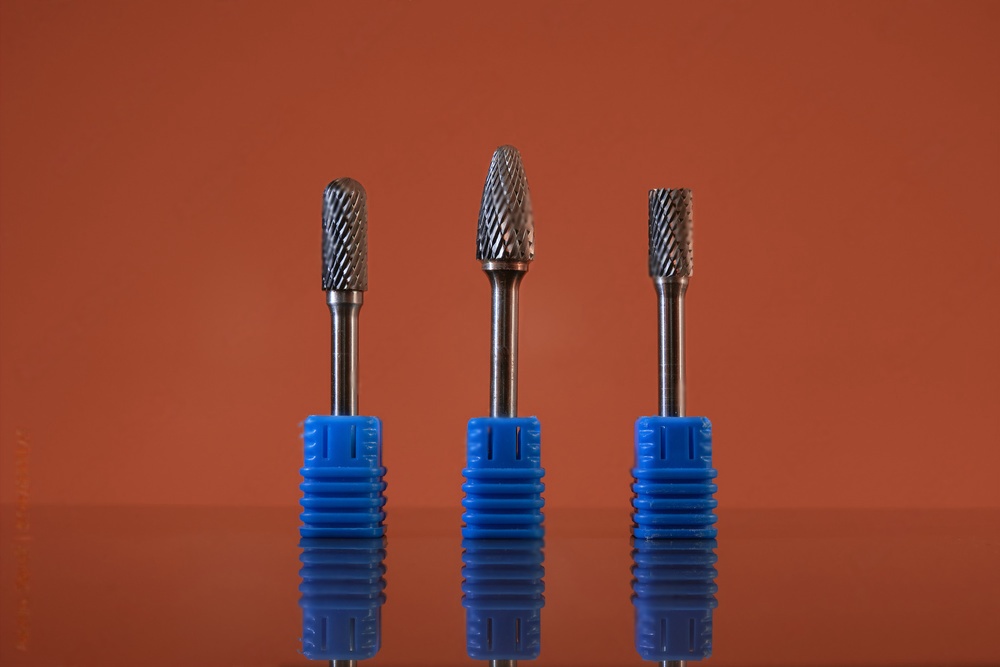
Tungsten carbide burs are rotary cutting instruments made from a composite of tungsten and carbon atoms sintered together under extreme pressure and heat. The resulting material is extraordinarily hard, ranking close to diamond on the Mohs hardness scale, and it can be machined into precise flute geometries that cut tooth structure, metal alloys, and composite resin with exceptional control.
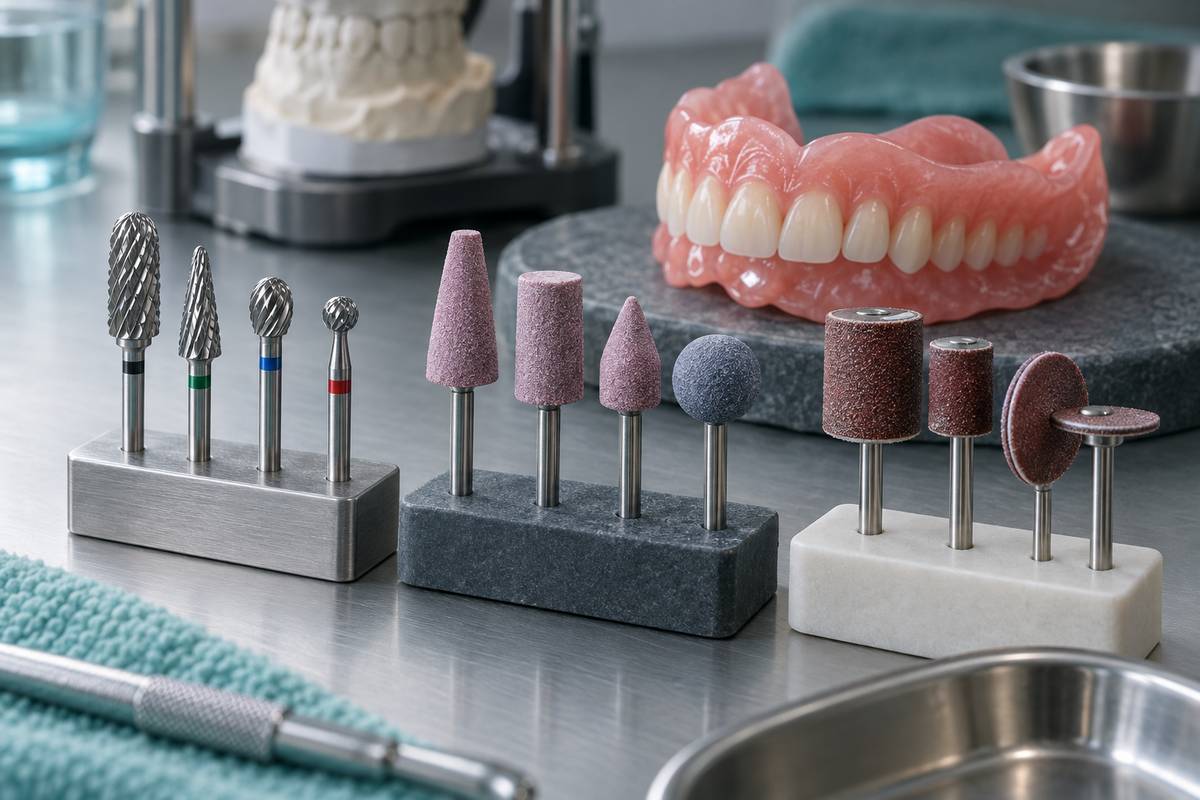
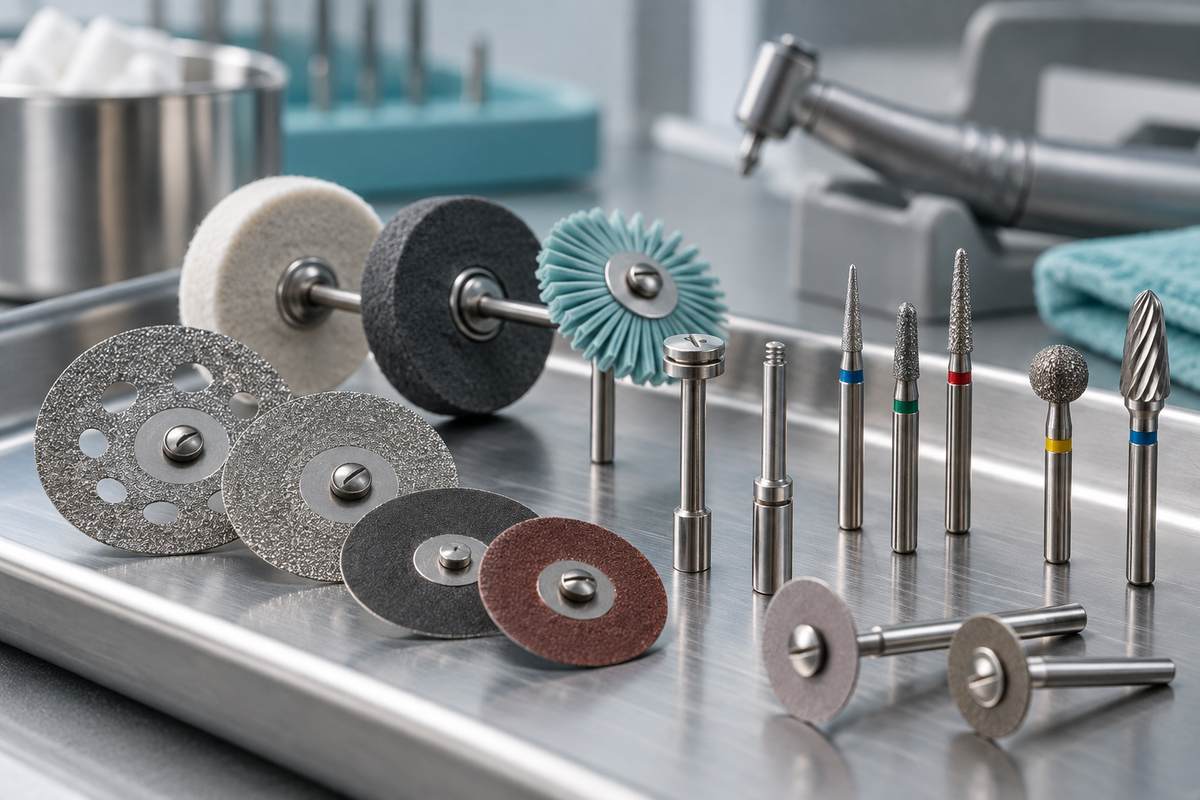
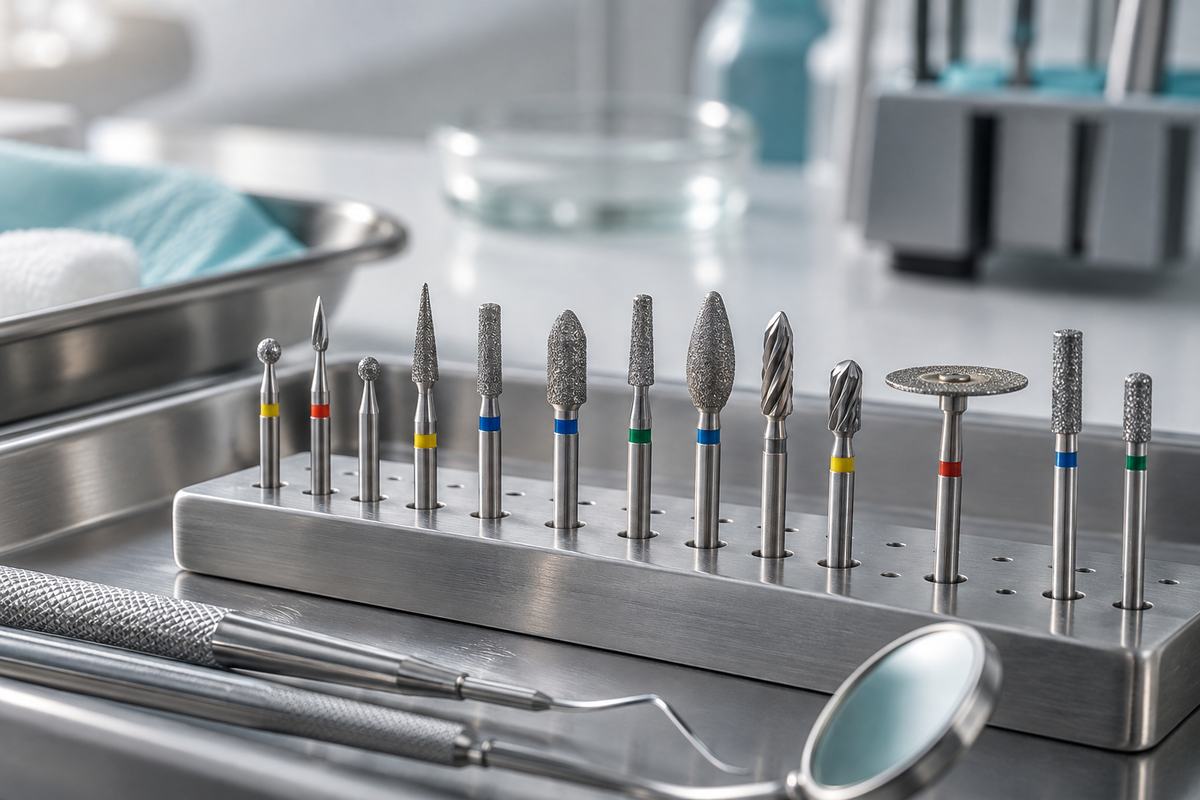
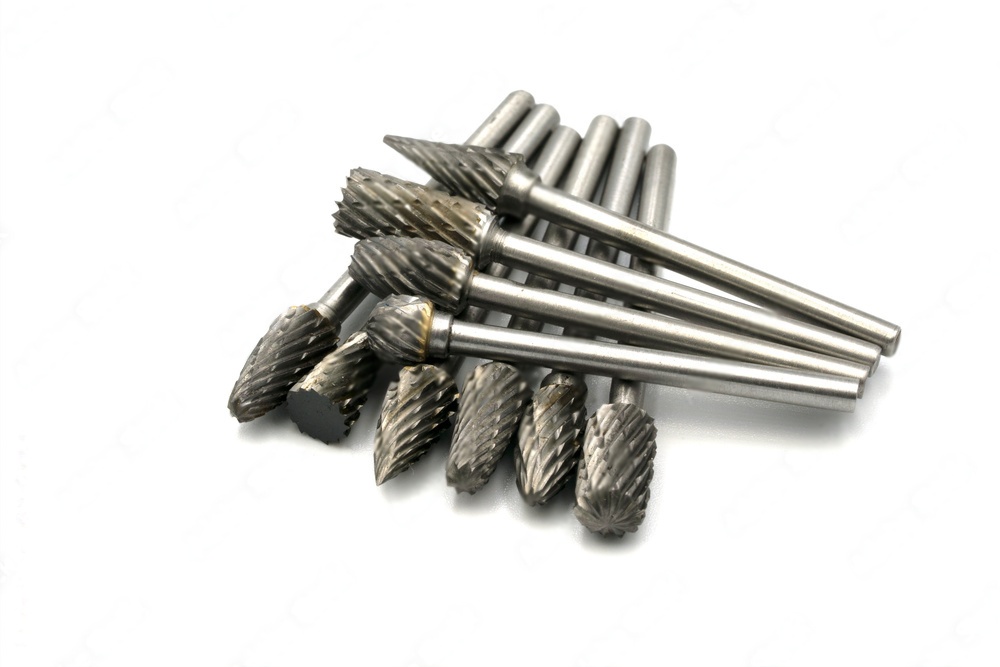
These burs are available in a wide range of head shapes, including round, pear, tapered fissure, inverted cone, and flame configurations. Shank types include friction-grip (FG) for high-speed handpieces and latch-type (RA) for slow-speed contra-angles. The fluting pattern can be single-cut for aggressive material removal or cross-cut for smoother, more refined finishes. Understanding these variations helps practitioners select the right bur geometry for each clinical situation.
Advantages of Tungsten Carbide Burs
Outstanding Durability and Longevity
Tungsten carbide is one of the hardest man-made materials available for dental instruments. A well-maintained carbide bur can last through dozens of procedures before its cutting edges dull noticeably. Compared to stainless steel burs, which lose sharpness after just a few uses, carbide burs offer significantly longer service life and more consistent performance over time. This durability means fewer instrument changes during procedures and less frequent reordering from suppliers.
Precise, Controlled Cutting Action
The fluted blade design of carbide burs produces clean, well-defined cuts with minimal chatter or vibration. This is particularly valuable during cavity preparation, where accuracy matters and excess tooth removal must be avoided at all costs. The blades shear through tooth structure rather than grinding it away, which gives the operator excellent tactile feedback and a clear sense of how much material is being removed with each pass.
Versatility Across Clinical Procedures
From gross reduction to fine finishing, tungsten carbide burs cover a remarkably broad procedural range. A single dental practice might use them for:
- Caries excavation and cavity preparation
- Crown and bridge tooth reduction
- Removal of old amalgam and composite restorations
- Bone trimming and recontouring during oral surgery
- Adjusting acrylic, metal, and ceramic prosthetics in the laboratory
- Endodontic access cavity preparation
This versatility makes them a practical investment for both clinical operatories and dental laboratory settings.
Efficient, Rapid Material Removal
Carbide burs cut quickly and decisively. Their sharp, precisely angled flutes engage tooth structure aggressively, which translates directly to shorter procedure times. For the patient, that means less time in the chair with the mouth held open. For the clinician, it means better scheduling efficiency, reduced hand fatigue during longer cases, and the ability to maintain patient flow throughout the day.
Superior Surface Finish
Fine-fluted and finishing-grade carbide burs can produce remarkably smooth preparation surfaces. This reduces the need for additional polishing steps and can improve the bond interface when placing adhesive restorations such as composite or ceramic inlays. Many experienced clinicians prefer carbide finishing burs over fine-grit diamonds for final margin refinement, as the blade action leaves a cleaner, more uniform surface texture.
Disadvantages of Tungsten Carbide Burs
Heat Generation During Cutting
High-speed rotation combined with aggressive cutting creates friction, and friction produces heat. If adequate water coolant is not maintained throughout the procedure, the resulting temperature rise can damage the dental pulp, potentially leading to post-operative sensitivity or, in severe cases, irreversible pulp necrosis. Proper water spray delivery of at least 50 mL per minute is non-negotiable when using carbide burs at high speed. Clinicians should also use intermittent cutting strokes rather than prolonged continuous contact with the tooth.
Noise and Vibration Concerns
The characteristic high-pitched whine of a carbide bur in a high-speed handpiece is one of the most anxiety-inducing sounds in the dental office. While this is not unique to carbide burs, the aggressive cutting action can amplify vibration and sound transmission through the tooth to the patient. Managing patient expectations, offering noise-canceling headphones, using topical and local anesthesia appropriately, and maintaining a calm chair-side manner all help mitigate this issue.
Higher Upfront Cost
Tungsten carbide burs carry a higher price per unit compared to steel burs. However, this comparison can be misleading because carbide burs last significantly longer and maintain their cutting performance across many more procedures. When evaluated on a cost-per-procedure basis, the difference narrows considerably. Still, the initial investment can be a meaningful factor for new practices that are building their instrument inventory from the ground up.
Risk of Over-Cutting
The same cutting efficiency that makes carbide burs attractive also demands respect and skill. An aggressive, coarse-cut bur in an inexperienced hand can remove more tooth structure than intended in a matter of seconds. Conservative preparation design requires a light touch, controlled handpiece pressure, and awareness of the bur's cutting diameter. This risk reinforces the importance of selecting the appropriate flute count and head size for each specific task.
Tungsten Carbide vs. Diamond Burs: When to Choose Which
The question is not which bur type is universally better, but which is better suited for a given clinical task. The following table outlines common scenarios and the preferred bur type for each.
| Clinical Task | Preferred Bur Type | Reason |
|---|---|---|
| Cavity preparation | Tungsten carbide | Clean cuts with excellent tactile feedback |
| Crown bulk reduction | Diamond | Rapid enamel removal through abrasion |
| Amalgam removal | Tungsten carbide | Efficient cutting of metal alloys |
| Preparation margin finishing | Tungsten carbide (fine-fluted) | Smoother surface than diamond grit |
| Porcelain and ceramic adjustment | Diamond | Controlled grinding without fracture |
| Bone recontouring in surgery | Surgical carbide | Cleaner bone cuts with reduced thermal necrosis |
For a more detailed comparison between these two instrument families, read our guide on diamond vs. carbide burs.
Best Practices for Getting the Most from Carbide Burs
- Always maintain water coolant. Keep at least 50 mL/min of water spray active during high-speed cutting to prevent thermal injury to the pulp and surrounding tissues.
- Inspect burs before each use. Check for bent shanks, chipped or worn flutes, and signs of corrosion. A damaged bur cuts unpredictably and increases the risk of instrument fracture inside the preparation.
- Match the flute pattern to the task. Use coarse or single-cut burs for bulk material removal and fine or multi-fluted burs for finishing, smoothing, and margin refinement.
- Replace at the right time. A dull carbide bur requires more pressure to cut, generates more heat, and produces rougher surfaces. Replace burs before performance degrades noticeably rather than pushing them past their useful life.
- Follow sterilization protocols carefully. Tungsten carbide withstands standard autoclave sterilization well, but repeated thermal cycling will eventually degrade cutting edges. Track instrument usage cycles and replace burs on a scheduled basis.
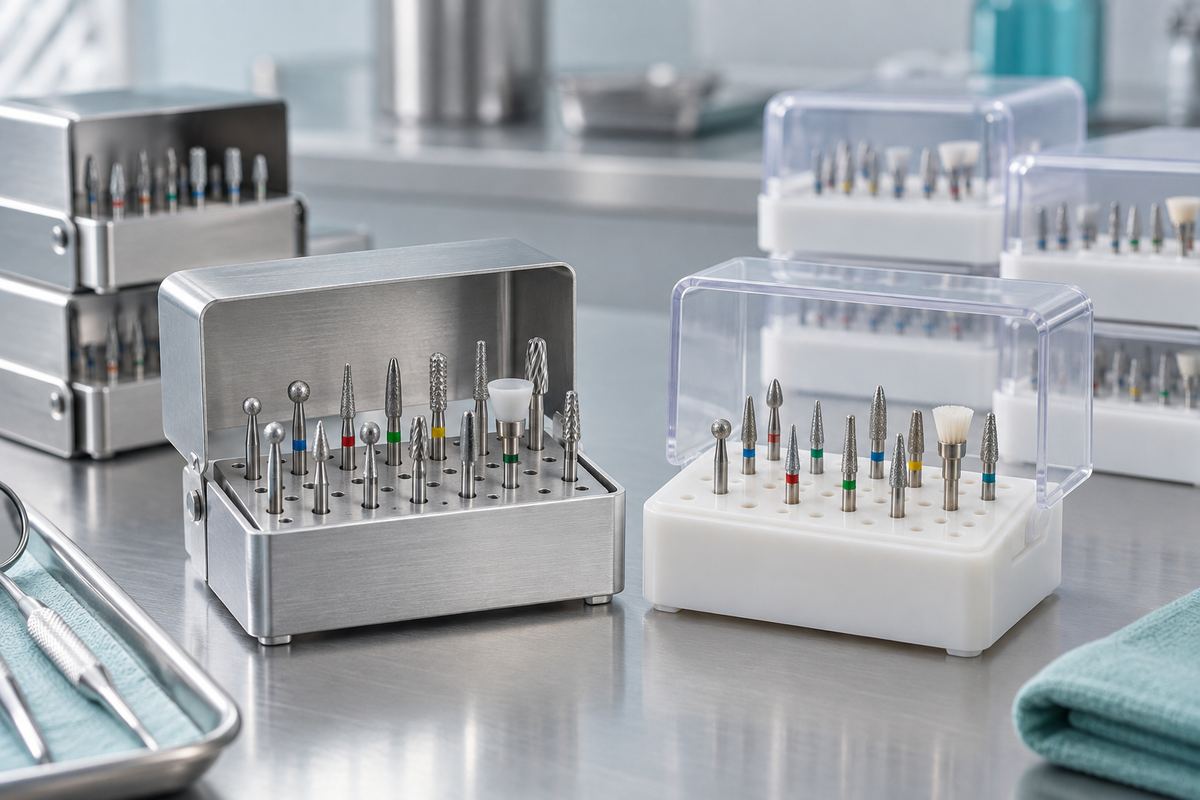
- Store burs properly. Use a bur block or organizer that prevents instruments from contacting each other. Loose burs rattling in a drawer dull faster and are more likely to sustain flute damage.
Selecting Quality Tungsten Carbide Burs
Not all carbide burs are manufactured to the same standard. When evaluating suppliers, pay close attention to concentricity (how true the bur runs when spinning in the handpiece), shank diameter tolerance, and flute sharpness straight out of the package. A bur that wobbles or vibrates excessively creates poor preparations, increases patient discomfort, and accelerates wear on the handpiece bearings.
Browse our full selection of tungsten carbide burs to find instruments built for precision and durability across both clinical and laboratory applications.
Final Thoughts
Tungsten carbide burs have earned their place as a workhorse instrument in dental practice. Their durability, cutting precision, and versatility across a wide range of procedures make them an excellent choice for most restorative and surgical tasks. The downsides, primarily heat generation and noise, are fully manageable with proper technique, adequate water cooling, and thoughtful patient communication.
Understanding both the strengths and limitations of your rotary instruments is the foundation of efficient, predictable clinical work. Choose the right bur for each task, maintain your instruments well, and they will serve you reliably procedure after procedure.