Fluoride in Dental Prophylaxis: What Every Patient and Clinician Should Know
Fluoride has been a cornerstone of preventive dentistry for decades. While most people associate it with toothpaste or tap water, fluoride plays an even more significant role during professional dental prophylaxis appointments. Understanding how fluoride works at the molecular level, and how it is applied in clinical settings, helps both patients and dental professionals make informed treatment decisions.
This guide covers the science behind fluoride, the types of professional fluoride treatments available, who benefits most from them, and how to get the best results from every prophylaxis visit.
How Fluoride Protects Tooth Enamel
Tooth enamel is made primarily of hydroxyapatite, a crystalline calcium phosphate mineral. Every day, acids produced by oral bacteria dissolve small amounts of this mineral in a process called demineralization. Saliva normally replaces lost minerals through remineralization, but when acid attacks happen faster than repair, cavities begin to form.
Fluoride interrupts this cycle in three ways:
- Remineralization acceleration — When fluoride ions are present in saliva, they integrate into the enamel crystal structure, forming fluorapatite. This compound is harder and more acid-resistant than the original hydroxyapatite.
- Demineralization inhibition — Fluoride reduces the rate at which enamel dissolves under acidic conditions. Even small concentrations in saliva provide a protective buffer against acid attacks after meals and snacks.
- Antibacterial activity — Fluoride interferes with bacterial enzymes, particularly enolase, which bacteria need for energy metabolism. This slows the growth of Streptococcus mutans and other cariogenic species in dental plaque.
Together, these mechanisms make fluoride one of the most effective tools available for cavity prevention, which is why it remains a standard part of the prophylaxis protocol in dental offices worldwide.
Professional Fluoride Treatments During Prophylaxis
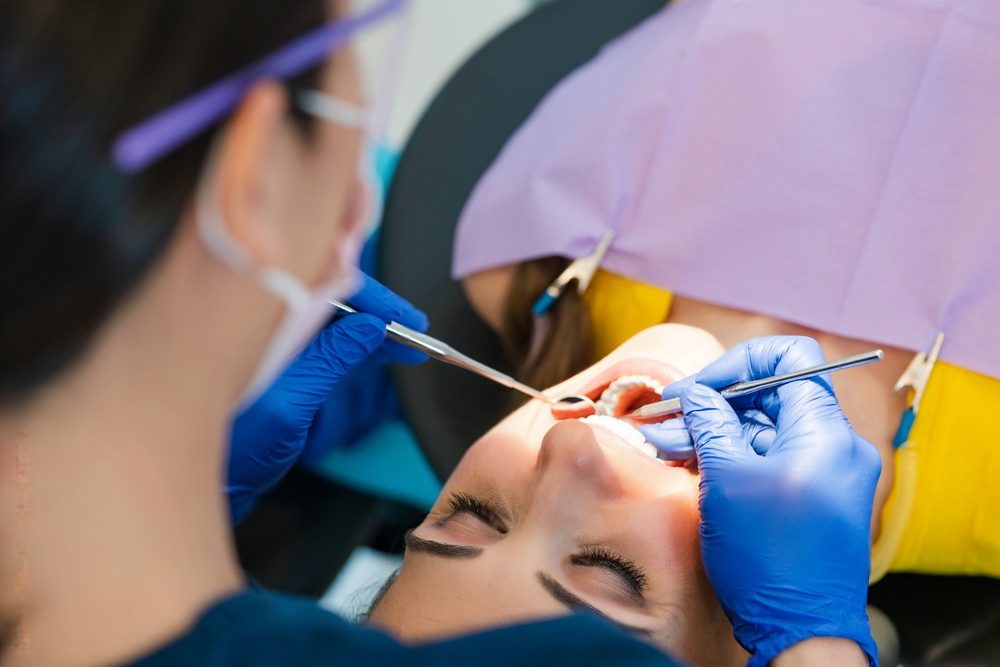
After scaling and polishing, a dental hygienist typically offers a professional fluoride treatment. These treatments deliver a much higher concentration of fluoride than any over-the-counter product. The three most common delivery methods are:
Fluoride Varnish
Fluoride varnish is a resin-based coating that contains 5% sodium fluoride (22,600 ppm). The hygienist paints a thin layer directly onto the tooth surfaces using a small brush. The varnish sets on contact with saliva and releases fluoride over several hours. Patients are usually asked to avoid eating hard foods or brushing for four to six hours after application.
Varnish is the preferred method for young children because it adheres to teeth quickly and minimizes the risk of accidental ingestion. It is also well-suited for patients with sensitive teeth, as many varnish formulations include desensitizing agents.
Fluoride Gel
Acidulated phosphate fluoride (APF) gel contains 1.23% fluoride at an acidic pH, which enhances fluoride uptake into enamel. The gel is loaded into a foam tray that the patient bites on for one to four minutes. APF gel should not be used on patients with porcelain or composite restorations, as the acidic formula can etch these materials.
Fluoride Foam
Fluoride foam delivers the same active ingredients as gel but in a lighter, aerated form. Because foam uses less product to fill a tray, patients swallow less fluoride during the procedure. This makes foam a practical choice for patients who have a strong gag reflex. Foam is available in multiple flavors, which can improve patient acceptance, especially among children and teens who may be reluctant to sit through tray-based treatments.
Who Benefits Most from Professional Fluoride?
While fluoride treatments are beneficial for nearly everyone, certain groups gain the most from regular professional applications:
| Risk Factor | Why Fluoride Helps |
|---|---|
| History of frequent cavities | Strengthens weakened enamel areas and slows new lesion formation |
| Dry mouth (xerostomia) | Compensates for reduced saliva, which normally delivers fluoride to teeth |
| Active orthodontic treatment | Brackets and wires trap plaque; fluoride protects enamel around bonded attachments |
| Exposed root surfaces | Root dentin is softer than enamel and more vulnerable to decay without fluoride protection |
| Radiation therapy to head or neck | Radiation damages salivary glands, drastically increasing caries risk |
| Children with newly erupted teeth | Immature enamel is more porous and absorbs fluoride readily |
Dental professionals should assess each patient's caries risk at every prophylaxis appointment and adjust fluoride recommendations accordingly. The American Dental Association recommends professional fluoride treatments every three, six, or twelve months depending on individual risk level.
Fluoride Safety: Addressing Common Concerns
Some patients express concern about fluoride safety. Here is what the research shows:
- Systemic toxicity — The amount of fluoride in a professional treatment is far below toxic levels. A 5 mL application of varnish contains roughly 11.3 mg of fluoride, well under the threshold for adverse effects in adults or children.
- Dental fluorosis — Fluorosis is a cosmetic condition that occurs only during tooth development (before age eight) and results from excessive fluoride ingestion over time. Professional topical treatments do not cause fluorosis because they are applied to the surface of already-erupted teeth.
- Allergic reactions — True allergic reactions to fluoride are extremely rare. Patients who react to varnish are typically sensitive to colophony (rosin), a component in some formulations. Alternative products are available for these individuals.
When applied correctly by trained dental professionals, fluoride treatments carry minimal risk and substantial protective benefits.
Maximizing Fluoride Effectiveness at Home
Professional treatments work best when combined with good daily habits. Here are practical steps patients can take between prophylaxis appointments:
- Brush twice daily with a fluoride toothpaste containing at least 1,000 ppm fluoride.
- Use a fluoride mouthwash before bed, especially if you have a high caries risk. Rinse for 30 seconds, then spit without rinsing with water.
- Avoid eating or drinking for 30 minutes after using fluoride products to allow absorption.
- If you have dry mouth, consider prescription-strength fluoride toothpaste (5,000 ppm) as recommended by your dentist.
- Limit sugary and acidic foods and drinks, which increase the acid attacks that fluoride must counteract.
High-quality silicone rubber polishers are also used during prophylaxis to create smooth enamel surfaces that absorb fluoride more effectively. A well-polished tooth surface retains fluoride better than a rough one.
Fluoride and the Future of Preventive Dentistry
Research into fluoride delivery continues to advance. Slow-release fluoride devices, bioactive glass materials that release fluoride and calcium simultaneously, and nanoparticle fluoride carriers are all under active investigation. These technologies aim to provide sustained fluoride exposure between dental visits, reducing reliance on patient compliance. Silver diamine fluoride, already approved for arresting active caries in primary teeth, is also gaining attention as a non-invasive option for managing early lesions in adult patients.
Meanwhile, current professional fluoride treatments remain one of the simplest and most cost-effective interventions in all of dentistry. A single varnish application takes less than two minutes and can reduce caries incidence by 30 to 40 percent in high-risk patients.
Key Takeaways
- Fluoride strengthens enamel by forming acid-resistant fluorapatite and inhibiting bacterial metabolism.
- Professional fluoride treatments (varnish, gel, or foam) deliver much higher concentrations than consumer products.
- Patients at high caries risk — including those with dry mouth, orthodontic appliances, or a history of cavities — benefit most from regular professional fluoride application.
- Fluoride is safe when applied by trained professionals at recommended doses.
- Combining professional treatments with daily fluoride use at home provides the strongest protection against tooth decay.
For more on how prophylaxis protects your oral health, read our guide on the importance of dental prophylaxis in preventing gum disease. You may also find our article on the benefits and types of tooth polishing helpful for understanding the full prophylaxis workflow.