Tooth decay remains one of the most common preventable dental conditions affecting people of all ages. Understanding how to prevent tooth decay through proper oral hygiene, dietary choices, and professional dental care can save you from painful procedures and expensive treatments. This complete guide shares proven strategies from dental professionals to help you maintain optimal oral health.
Understanding the Causes of Tooth Decay
Before diving into prevention strategies, it's important to understand what causes tooth decay. When you consume sugary or starchy foods, bacteria in your mouth produce acids that attack tooth enamel. This process, known as demineralization, weakens the protective outer layer of your teeth. Without intervention, these acid attacks can create cavities that require professional treatment.
Several factors contribute to tooth decay development. Poor oral hygiene allows plaque buildup, creating an environment where harmful bacteria thrive. Frequent snacking, especially on sugary foods, provides constant fuel for acid-producing bacteria. Dry mouth conditions reduce saliva flow, which normally helps neutralize acids and wash away food particles. Understanding these factors helps you target your prevention efforts effectively.
Essential Daily Hygiene Practices
The foundation of tooth decay prevention lies in consistent daily oral hygiene. Brushing twice daily with fluoride toothpaste removes plaque and food debris that bacteria feed on. Use a soft-bristled toothbrush and gentle circular motions, spending at least two minutes on each brushing session. Replace your toothbrush every three to four months, or sooner if bristles become frayed.
Flossing once daily removes plaque and food particles from between teeth where toothbrush bristles cannot reach. Many cavities develop in these interproximal spaces, making flossing absolutely necessary for complete cavity prevention. If traditional floss proves difficult to use, consider floss picks, water flossers, or interdental brushes as alternatives.
Antimicrobial mouthwash provides an additional layer of protection by reducing bacteria levels in your mouth. Look for products containing fluoride for added enamel protection. Rinse after brushing and flossing to reach areas that mechanical cleaning might have missed.
Dietary Strategies for Decay Prevention
Your dietary choices significantly impact your tooth decay risk. Limiting sugar intake reduces the fuel available for acid-producing bacteria. This includes obvious sources like candy and soda, but also hidden sugars in processed foods, sauces, and beverages. When you do consume sugary foods, eat them with meals rather than as standalone snacks. Saliva production increases during meals, helping neutralize acids more effectively.
Choose tooth-friendly foods that actively support oral health. Crunchy vegetables like carrots and celery stimulate saliva production and help clean tooth surfaces. Cheese and other dairy products provide calcium and phosphates that support remineralization. Sugar-free gum sweetened with xylitol can reduce harmful bacteria levels while stimulating protective saliva flow.
| Foods to Limit | Tooth-Friendly Alternatives |
|---|---|
| Sugary sodas and sports drinks | Water, unsweetened tea, milk |
| Sticky candies and dried fruits | Fresh fruits, cheese, nuts |
| Acidic foods (citrus, vinegar) | Non-acidic vegetables, whole grains |
| Starchy snacks (chips, crackers) | Raw vegetables, sugar-free gum |
Drink plenty of water throughout the day. Water rinses away food particles and helps maintain adequate saliva production. If your water supply contains fluoride, you gain additional enamel-strengthening benefits with every sip.
The Role of Fluoride in Decay Prevention
Fluoride strengthens tooth enamel and can even reverse early stages of tooth decay. This mineral helps remineralize areas where acids have begun weakening enamel, creating a more acid-resistant tooth surface. Most people receive fluoride through fluoridated tap water and fluoride toothpaste.
Professional fluoride treatments at your dental office provide higher concentrations than over-the-counter products. These treatments come in gel, foam, or varnish form and take only minutes to apply. Dentists typically recommend professional fluoride treatments every six months for children and adults at high risk for cavities.
For individuals with increased decay risk, prescription-strength fluoride toothpaste or mouth rinses may be beneficial. Ask your dentist whether these products would help strengthen your enamel and reduce cavity formation.
Dental Sealants: Protective Barriers
Dental sealants provide physical barriers that protect tooth surfaces from decay. These thin plastic coatings are applied to the chewing surfaces of back teeth, where deep grooves and pits easily trap food particles and bacteria. Sealants prevent food and bacteria from settling into these vulnerable areas.
While commonly associated with children, adults without decay or fillings in their molars can also benefit from sealants. The application process is quick and painless. Your dentist cleans the tooth surface, applies an etching solution to help the sealant bond, then paints the sealant material onto the tooth. A special light hardens the sealant, creating a smooth, protective surface.
Properly applied sealants can last several years before needing replacement. During regular dental checkups, your dentist examines sealants for wear and reapplies them when necessary. This simple preventive measure can reduce cavity risk by up to 80 percent in sealed teeth.
Early Detection Methods
Catching tooth decay in its earliest stages allows for less invasive treatments and better outcomes. Regular self-examinations help you spot potential problems between dental visits. Look for white spots on teeth, which indicate areas where enamel is beginning to break down. Increased sensitivity to hot, cold, or sweet foods may signal early decay. Dark spots or visible holes require immediate professional attention.
Professional dental examinations detect decay that you cannot see or feel. Dentists use various tools and techniques during examinations. Visual inspection with proper lighting and magnification reveals surface changes. Dental explorers help identify soft spots in enamel. Digital x-rays show decay between teeth and beneath existing fillings where visual examination cannot reach.
Some dental practices use advanced detection technologies like laser fluorescence devices that identify decay earlier than traditional methods. These tools measure changes in tooth structure by analyzing how light reflects from tooth surfaces, detecting problems before they become visible on x-rays.
Professional Treatments and Interventions
When decay is detected early, minimally invasive treatments can stop its progression. Remineralization therapy uses high-concentration fluoride treatments or calcium phosphate products to rebuild weakened enamel. This approach works for initial lesions that have not yet formed cavities.
For slightly more advanced decay, dental professionals may use techniques like resin infiltration. This procedure involves removing minimal tooth structure and infiltrating the porous enamel with a special resin that seals and strengthens the area. This treatment preserves more natural tooth structure than traditional fillings.
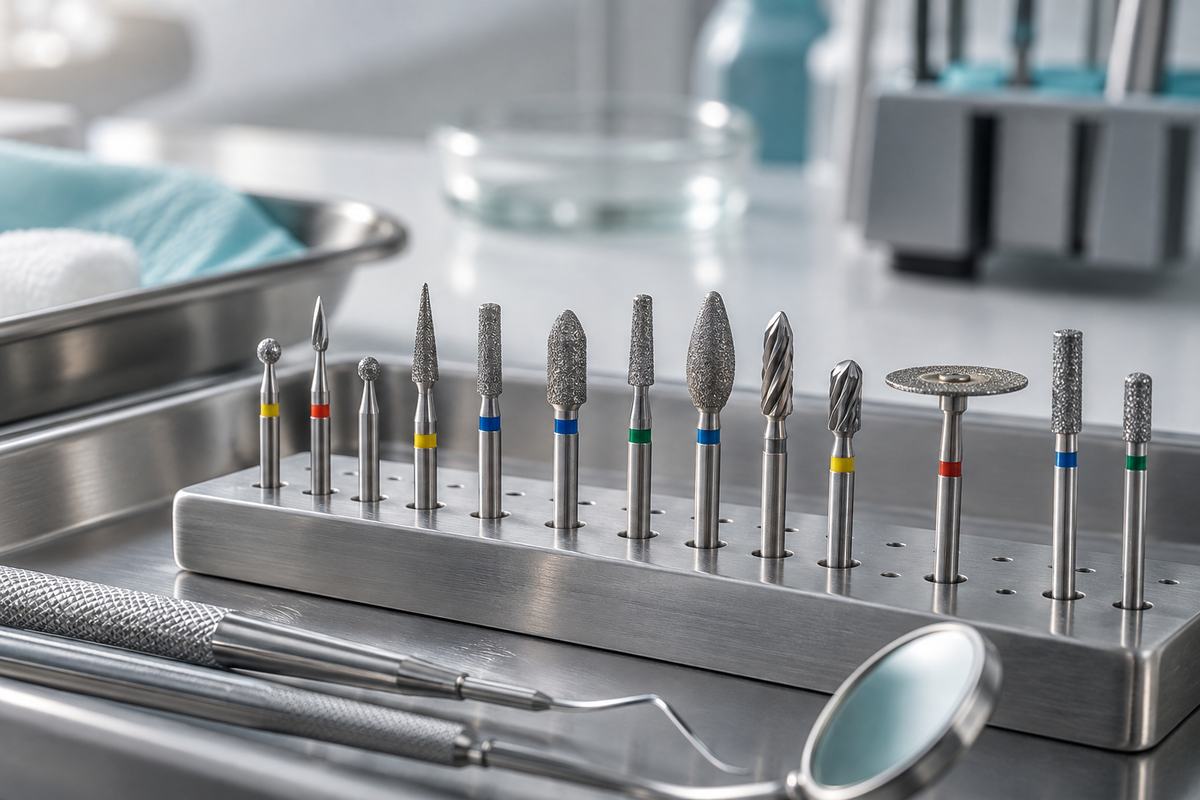
When cavities have formed, prompt treatment prevents further damage. Modern dental procedures use precise instruments and techniques to remove decayed material while preserving healthy tooth structure. High-quality diamond dental burs allow dentists to work with precision and efficiency during cavity preparation. After removing decay, dentists restore the tooth with fillings made from materials like composite resin or glass ionomer.
The Importance of Regular Dental Checkups
Regular dental visits form a cornerstone of effective decay prevention. Most people benefit from checkups and cleanings every six months, though your dentist may recommend more frequent visits if you have higher cavity risk. These appointments serve multiple preventive functions.
Professional cleanings remove hardened plaque (tartar) that brushing and flossing cannot eliminate. Dental hygienists use specialized instruments to clean below the gum line and between teeth, areas where decay often begins. They also polish teeth to remove surface stains and create smoother surfaces that resist plaque accumulation.
During examinations, dentists identify risk factors specific to your situation. They assess your brushing technique, dietary habits, and medical conditions that might increase decay risk. Based on this assessment, they provide personalized recommendations to improve your oral health outcomes.
Regular visits also establish a baseline for your oral health. Your dentist can track changes over time, identifying concerning trends before they become serious problems. This proactive approach prevents small issues from developing into costly, painful conditions requiring extensive treatment.
Special Considerations for High-Risk Individuals
Some people face improved tooth decay risk due to medical conditions, medications, or lifestyle factors. Individuals with dry mouth conditions, whether from medications or medical conditions, need extra vigilance. Frequent sips of water, sugar-free gum, and prescription saliva substitutes help compensate for reduced natural saliva flow.
People with orthodontic appliances must pay special attention to oral hygiene. Braces and retainers create additional surfaces where plaque can accumulate. Special brushes, floss threaders, and water flossers help clean around orthodontic hardware. For more information on maintaining oral health during orthodontic treatment, read our guide on techniques and tips for invisible braces.
Older adults often face unique challenges. Receding gums expose root surfaces that lack protective enamel, making them more vulnerable to decay. Existing dental work may develop gaps where bacteria can accumulate. Regular professional care and meticulous home hygiene become even more important with age.
Creating a Sustainable Prevention Routine
Preventing tooth decay requires consistent effort, but establishing good habits makes it easier. Create a routine that fits your lifestyle and stick to it. Keep your toothbrush and floss in visible locations as reminders. Set phone alarms if you tend to forget brushing or flossing.
Make oral health a family priority. Children learn by example, so demonstrate good habits and make oral care a shared activity. Choose age-appropriate products and make brushing fun for young children. Establish good habits early to set the foundation for lifelong oral health.
Track your progress and celebrate successes. Note improvements in dental checkup results. If you've gone cavity-free for a year, acknowledge that achievement. Positive reinforcement helps maintain motivation for continued good habits.
Key Prevention Strategies Summary
- Brush twice daily with fluoride toothpaste for two minutes each session
- Floss once daily to clean between teeth
- Limit sugar intake and choose tooth-friendly snacks
- Drink fluoridated water throughout the day
- Use fluoride mouth rinse for additional protection
- Consider dental sealants for vulnerable tooth surfaces
- Attend regular dental checkups every six months
- Address dry mouth conditions promptly
- Replace your toothbrush every three to four months
- Seek professional treatment at the first sign of problems
Conclusion
Preventing tooth decay requires a multi-faceted approach combining daily oral hygiene, smart dietary choices, professional dental care, and early intervention. By implementing these strategies consistently, you can significantly reduce your cavity risk and maintain healthy teeth throughout your life. Remember that prevention is always easier and less expensive than treatment. Work with your dental team to develop a personalized prevention plan that addresses your specific needs and risk factors. With commitment to these proven strategies, you can enjoy a lifetime of healthy, cavity-free smiles.