The Future of Tungsten Carbide Burs in Dentistry
Tungsten carbide burs have been a backbone of dental practice and laboratory work for decades. Their hardness, durability, and precision make them indispensable for everything from cavity preparation to trimming prosthetics. But the technology behind these tools is not standing still. A wave of manufacturing advances, material science breakthroughs, and digital integration is set to transform what tungsten carbide burs can do in the years ahead.
Whether you are a clinician performing restorative procedures or a lab technician shaping crowns and bridges, the developments covered in this article will affect your daily work. Here is a clear look at where tungsten carbide bur technology is headed and what it means for dental professionals.
Nanotechnology: Sharper Edges, Longer Life
One of the most promising areas of research involves applying nanotechnology to tungsten carbide bur manufacturing. At the nanometer scale, engineers can control the grain structure of the carbide material with far greater precision than traditional sintering methods allow.
What Nano-Grain Carbide Means in Practice
Standard tungsten carbide burs are made from carbide grains that typically measure 1 to 5 micrometers in diameter. Nano-grain carbide reduces that grain size to below 0.5 micrometers. The smaller grain structure produces several measurable benefits:
- Harder cutting edges: Finer grains pack more tightly, increasing the overall hardness of the bur head and allowing it to maintain a sharp edge longer.
- Better surface finish: Smaller grains leave a smoother cut surface, which reduces the need for additional finishing steps on restorations.
- Greater fracture resistance: The uniform grain structure distributes stress more evenly, so the bur is less likely to chip or crack under load.
Early testing of nano-grain tungsten carbide burs shows they can last up to 40 percent longer than conventional burs in equivalent cutting conditions. For busy practices and labs, that translates directly into lower consumable costs and fewer interruptions to swap out worn instruments.
Nanocoatings for Heat and Wear Resistance
Beyond the base material, thin nanocoatings applied to the bur surface offer additional protection. Titanium nitride (TiN) and diamond-like carbon (DLC) coatings, each only a few hundred nanometers thick, create a barrier that reduces friction, lowers heat generation, and slows wear. These coatings are already common in industrial machining and are now being adapted specifically for dental bur geometries.
3D Printing: Custom Bur Designs on Demand
Additive manufacturing has already transformed many areas of dentistry, from surgical guides to temporary crowns. Its application to tungsten carbide bur production is still in the early stages, but the potential is significant.
How 3D-Printed Burs Differ
Traditional bur manufacturing involves pressing carbide powder into a mold, sintering it at high temperature, and then grinding the flutes and cutting geometry into the blank. This subtractive process limits the shapes that can be produced economically. 3D printing, specifically binder jetting and selective laser sintering of tungsten carbide powders, removes many of those geometric constraints.
With additive methods, manufacturers can create:
- Internal cooling channels: Tiny passages within the bur head that direct air or coolant exactly where heat builds up during cutting.
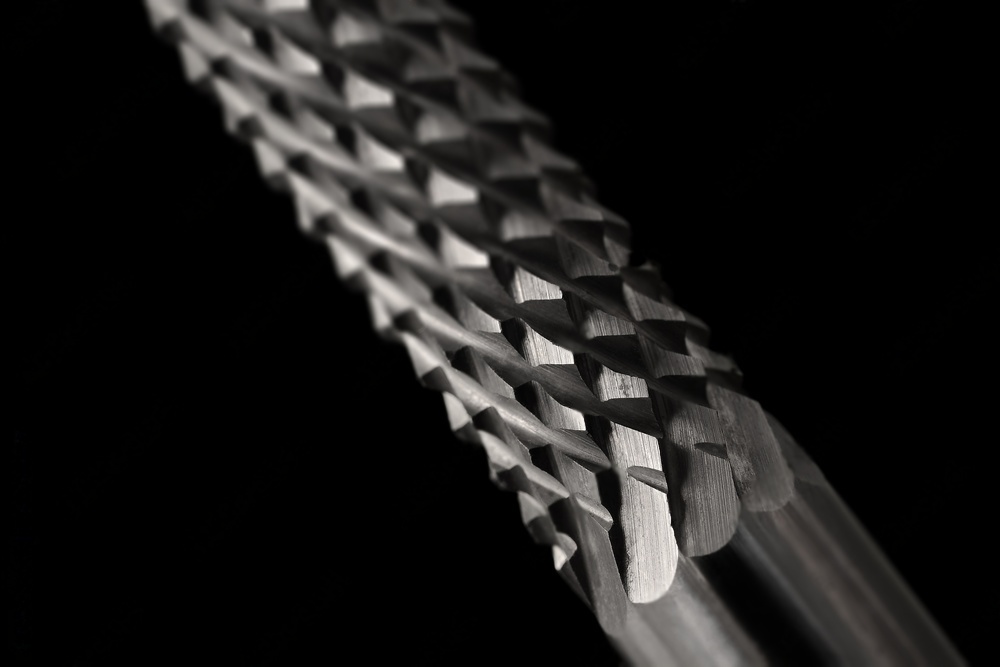
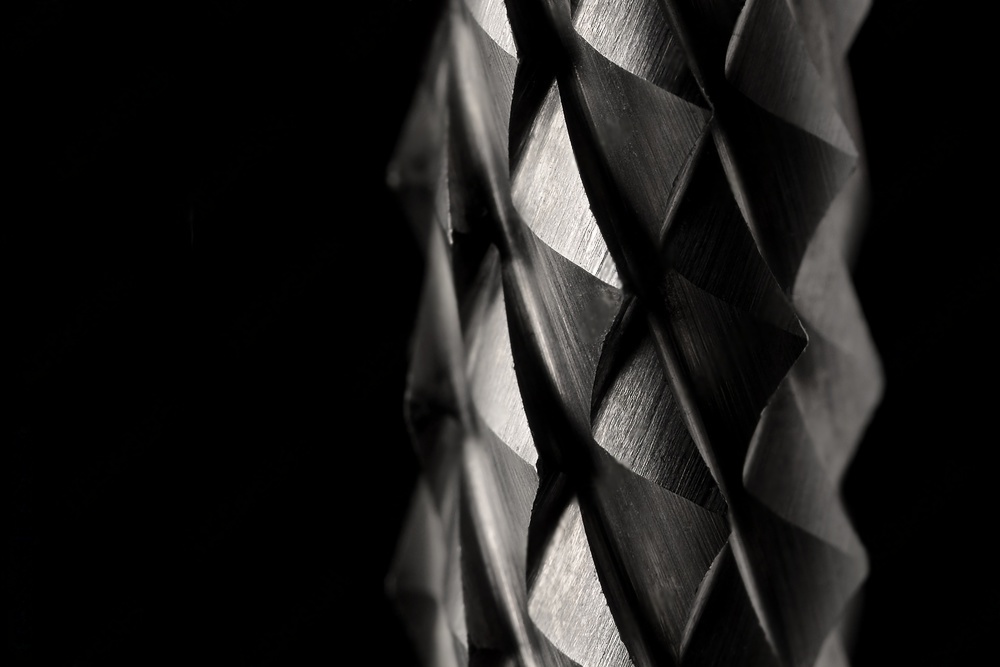
- Optimized flute geometry: Chip evacuation channels that follow curves impossible to achieve with conventional grinding, resulting in smoother cutting and less clogging.
- Patient-specific instruments: Burs designed for a specific clinical situation, such as a uniquely shaped cavity preparation or a particularly tight interproximal space.
Current Limitations
It is important to note that 3D-printed tungsten carbide burs are not yet available at commercial scale for dental use. The sintering process for printed carbide parts still requires optimization to match the density and hardness of traditionally manufactured burs. However, several research groups and manufacturers are actively working on solving these challenges, and small-batch production is already feasible for specialized applications.
Smart Technology Integration
The idea of a "smart" rotary instrument may sound far-fetched, but the miniaturization of sensors and wireless communication has made it a realistic near-term development.
Sensors in the Handpiece
Rather than embedding electronics in the bur itself, the more practical approach involves sensors built into the handpiece that monitor the bur's behavior during use. These sensors can track:
- Vibration patterns: Changes in vibration frequency indicate when a bur is losing its edge or when cutting conditions are generating excessive stress.
- Temperature: Infrared sensors near the bur head can detect heat buildup before it reaches levels that could damage tooth structure or restorative materials.
- Rotational load: Monitoring torque lets the system warn the operator when too much pressure is being applied, protecting both the bur and the patient.
Data-Driven Maintenance
When these sensor readings are logged over time, patterns emerge. A practice management system could track exactly how many minutes each bur has been in active cutting, how many sterilization cycles it has been through, and whether its performance metrics have degraded. This data-driven approach replaces the guesswork of deciding when to retire a bur, ensuring that every instrument is used to its full safe lifespan but not beyond it.
Advanced Coatings and Surface Treatments
Surface engineering is another active area of development. In addition to the nanocoatings mentioned earlier, researchers are exploring several other treatments:
| Surface Treatment | Key Benefit | Current Status |
|---|---|---|
| Diamond-like carbon (DLC) | Extremely low friction, reduced heat | Available on select industrial burs |
| Titanium aluminum nitride (TiAlN) | Superior high-temperature hardness | Under testing for dental applications |
| Chromium nitride (CrN) | Excellent corrosion resistance after sterilization | Early-stage research |
| Plasma nitriding | Increased surface hardness without coating adhesion issues | Proven in aerospace, adapting to dental |
Each of these treatments addresses a specific weakness of conventional tungsten carbide burs: heat buildup, wear rate, or degradation from repeated sterilization cycles. As these coatings become more affordable, expect to see them offered as standard options rather than premium upgrades.
What This Means for Dental Professionals
The practical impact of these technologies will be felt gradually rather than all at once. Here is what to expect over the coming years:
- Lower cost per procedure: Longer-lasting burs mean fewer replacements. Nano-grain carbide and advanced coatings are already reducing per-unit wear rates in early adopter practices.
- Better patient outcomes: Smoother cuts require less finishing, which means shorter chair time and less thermal stress on tooth structure.
- More predictable instrument management: Smart handpiece systems will take the guesswork out of bur replacement schedules, reducing the risk of using a compromised instrument.
- Greater design flexibility: As 3D printing matures, clinicians and technicians may be able to request custom bur geometries for unusual clinical scenarios.
If you want to stay current with the best tungsten carbide instruments available today, explore our full selection of tungsten carbide burs. We also carry CAD/CAM milling burs for labs running digital workflows.
Staying Ahead of the Curve
Technology in dentistry moves quickly, and rotary instruments are no exception. The tungsten carbide bur you use five years from now will likely be manufactured differently, coated with advanced materials, and monitored by digital systems that track its performance in real time.
For a deeper look at current tungsten carbide bur applications, read our article on advancements and potential in tungsten carbide bur technology. If you are comparing carbide burs with diamond alternatives, our guide on carbide burs vs. diamond burs covers the key differences.
The fundamentals of good bur technique will not change: match the instrument to the material, use appropriate speed and pressure, and maintain a proper sterilization routine. What will change is the performance ceiling of the instruments themselves. Nano-grain carbide, 3D-printed geometries, smart monitoring, and advanced coatings are all converging to make tungsten carbide burs more capable than they have ever been.
The future of tungsten carbide bur technology is not just about making a harder tool. It is about making a smarter, more efficient, and more reliable one that helps dental professionals deliver better results with less effort.