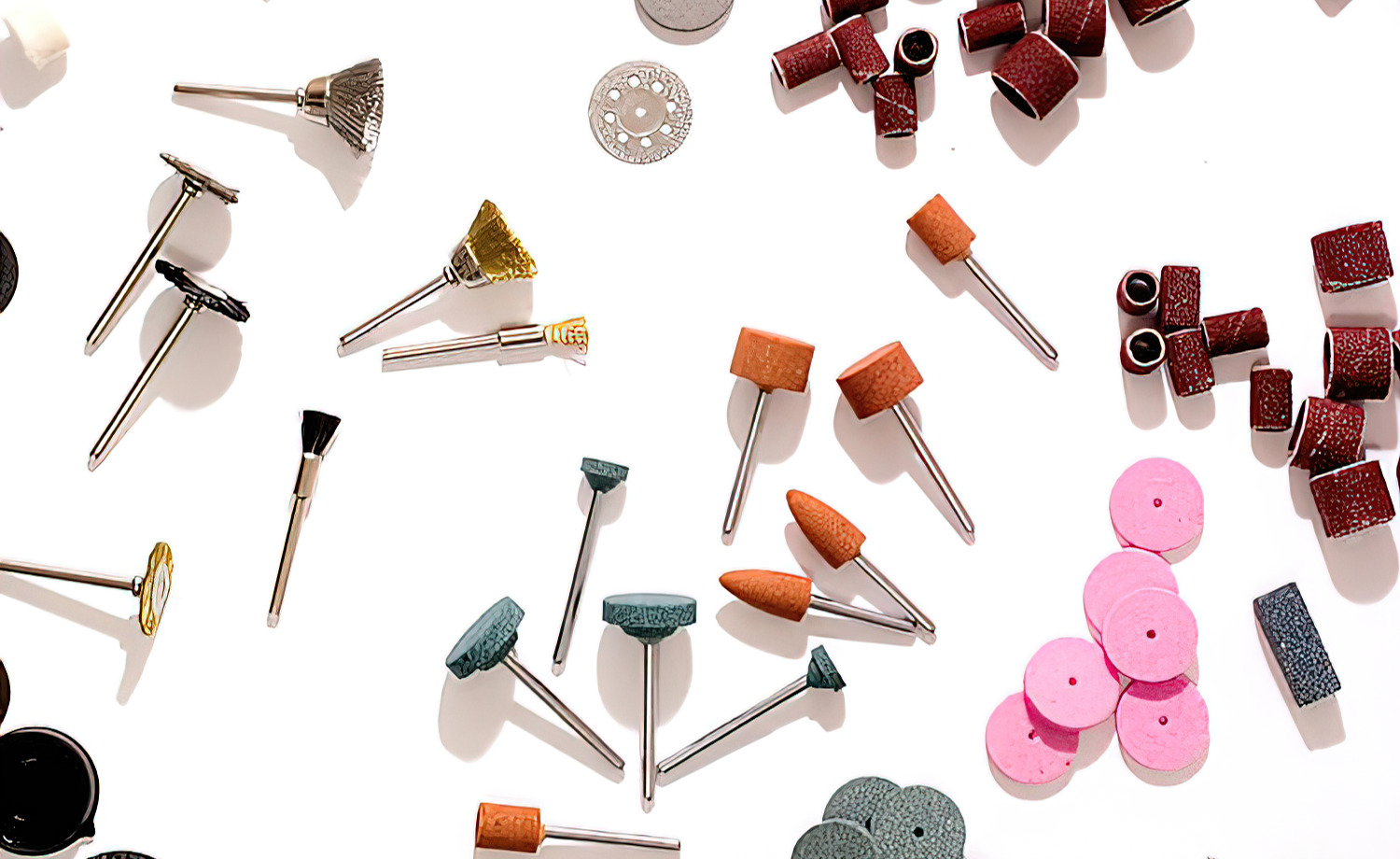
Flex Shaft Accessories: What You Need for a Complete Setup
A flex shaft is one of the most versatile motorized tools in any jeweler's or craftsperson's workshop. It handles drilling, cutting, carving, grinding, and polishing with equal ease. But the motor itself is only half the story. The real power of a flex shaft lies in the accessories you pair with it.
This guide walks you through every accessory category you need, from mandrels and separating discs to polishing brushes and silicon tools. Whether you are setting up your first bench or upgrading an existing kit, this article will help you choose the right components.
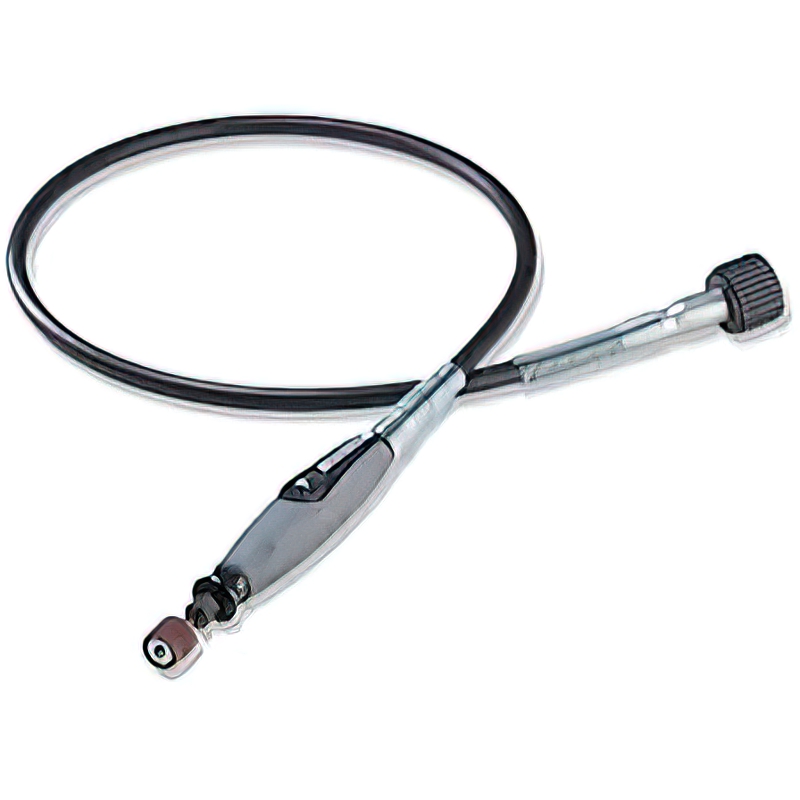
Understanding the Flex Shaft System
A flex shaft consists of a motor suspended above the workbench, a flexible cable that transmits rotation, and a handpiece at the working end. The handpiece accepts a wide range of attachments through a collet or chuck mechanism. A foot pedal controls speed, much like a sewing machine, giving you hands-free RPM adjustment while you work.
The key to getting the most out of this system is selecting the right accessories for each task. Every cutting, grinding, or polishing operation requires a specific attachment, and most of those attachments connect to the handpiece through a mandrel.
Mandrels: The Foundation of Every Attachment
Mandrels are the connecting hardware between your flex shaft handpiece and the working tool. They are small shafts with different tip configurations designed to hold various accessories securely in place. There are three main types you should know about.
Screw-Top Mandrels
These feature a flat-head screw at the tip that you tighten with a small screwdriver. They are designed to work with snap-on sanding discs and similar flat attachments. The screw clamps the disc firmly between the mandrel base and the screw head, preventing any wobble during operation.
Threaded Spindle Mandrels
Spindle mandrels have a threaded post that accepts tools with matching internal threads. These are the go-to choice for mounting silicon polishing wheels, cylinders, and other screw-on tools. The threaded connection provides a tight, vibration-free fit that is especially important during fine polishing work.
Split Mandrels
Split mandrels have a slot cut into the tip that grips sandpaper strips or cloth. You simply fold the abrasive material into the slot, and the rotation keeps it wrapped tight. These are useful for sanding inside rings and other curved surfaces.
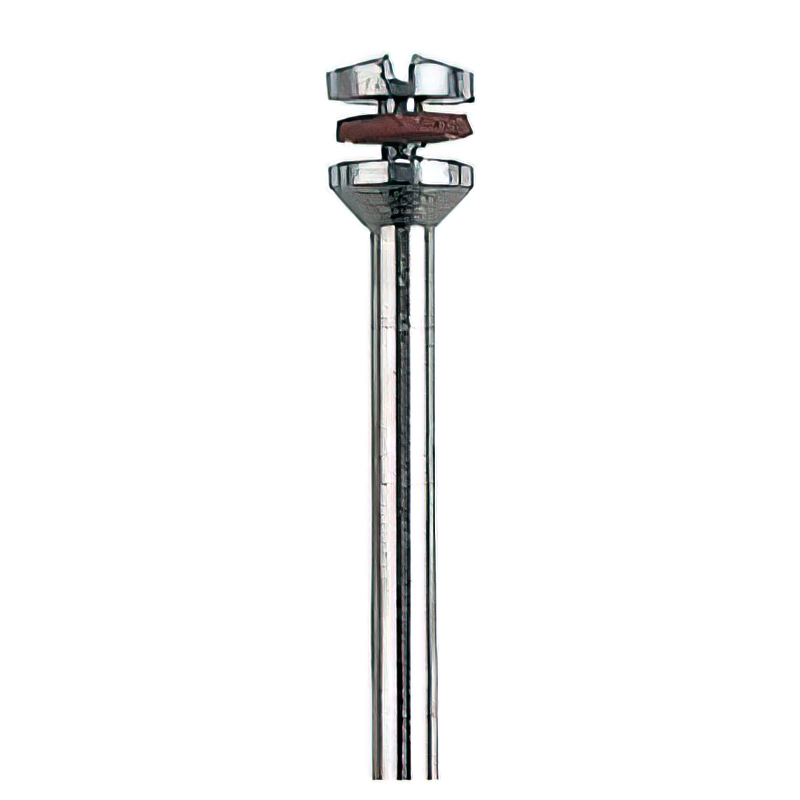
Separating and Cutting Discs
Separating discs are thin abrasive wheels that mount on screw-top mandrels. They are your primary tool for cutting metal, removing sprues from castings, and slicing through wire coils. Here is how to set one up correctly:
- Unscrew the top piece from the mandrel base.
- Place the separating disc over the mandrel shaft so it sits flat against the base.
- Thread the screw top back on and tighten until the disc is firmly sandwiched.
- Use flat-nosed pliers to grip the mandrel base, then insert it into the handpiece and lock it with the chuck key.
These discs come in various diameters and thicknesses. Thinner discs cut faster and waste less material, but they are more fragile. For straight cuts on coiled wire, mark a guideline on the surface first, then let the disc follow the line at moderate speed.
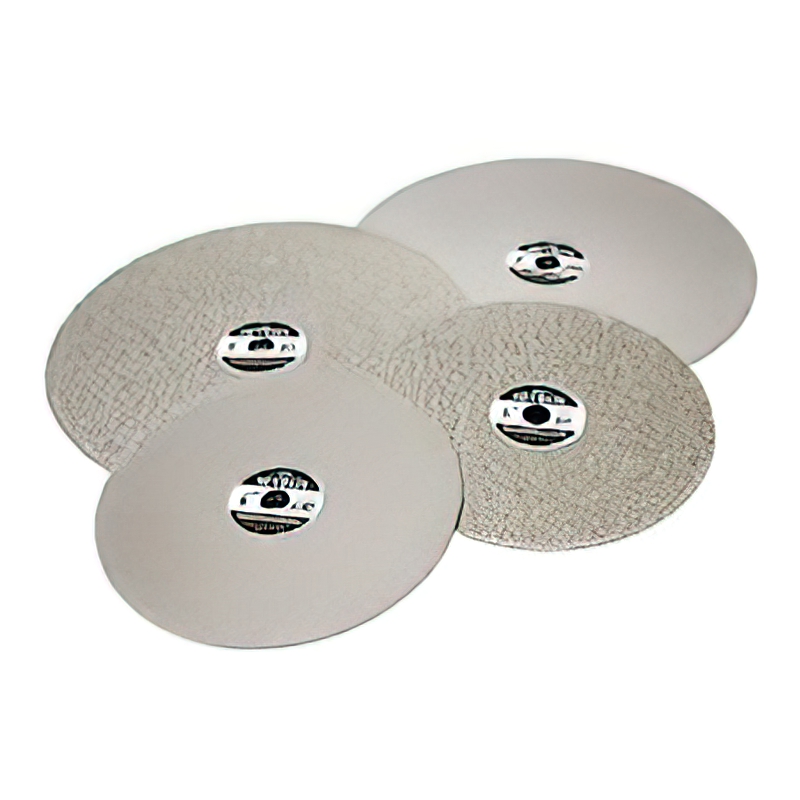
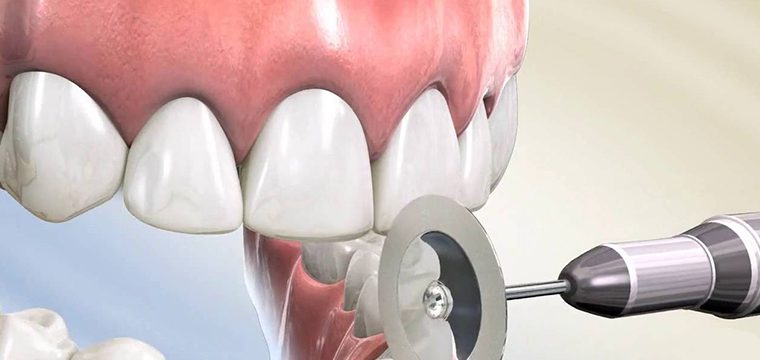
A related tool worth considering is the diamond disc, which provides cleaner cuts on harder materials like hardened steel and ceramics. Diamond discs last significantly longer than standard abrasive separating discs and produce less heat during operation.
Polishing Brushes and Abrasive Tools
Once you have finished cutting and shaping, polishing is the next step. The flex shaft excels here because you can switch between abrasive grades quickly without changing machines.
Aluminum Oxide Brushes
These brushes contain aluminum oxide particles embedded in nylon bristles. They are heatless, meaning they will not overheat your workpiece during extended use. Aluminum oxide brushes work well for initial surface cleanup and removing light scratches from metals like silver, brass, and copper.
Silicon Carbide Brushes
Silicon carbide brushes are slightly more aggressive than aluminum oxide versions. They are effective on harder metals and alloys where you need to remove deeper tool marks or oxidation. Like their aluminum oxide counterparts, they generate minimal heat.
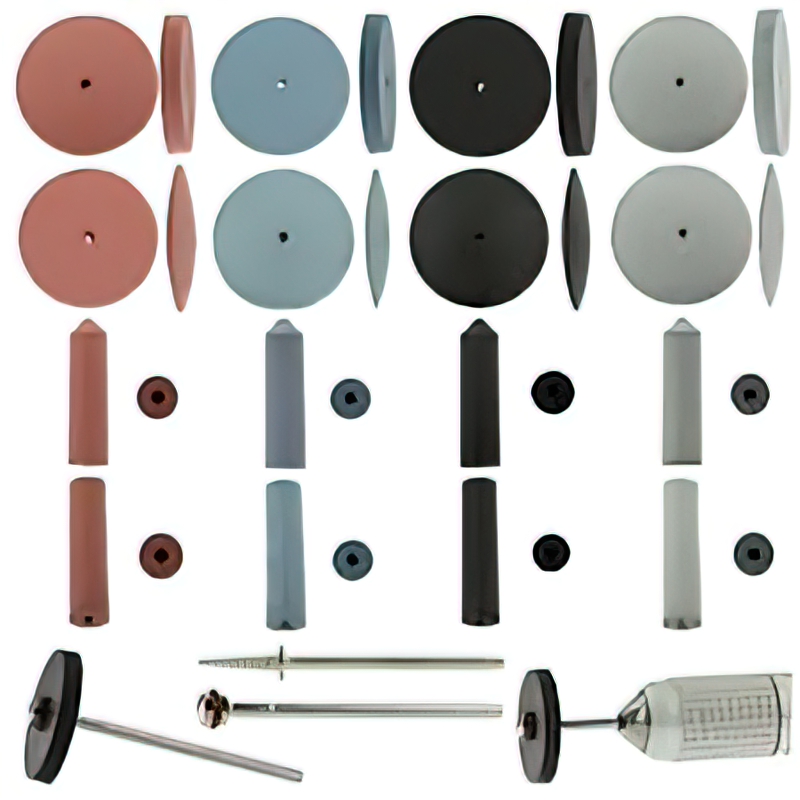
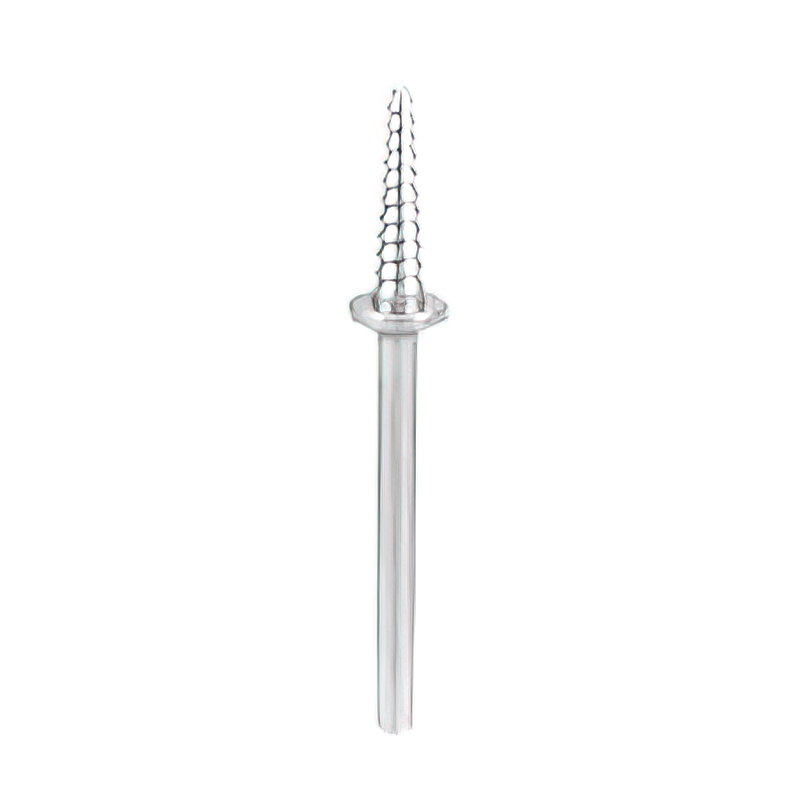
For a broader selection of polishing attachments, browse our silicone rubber polisher collection, which includes wheels, cylinders, and points in multiple grits.
Silicon Polishing Wheels and Cylinders
Silicon polishing tools thread onto spindle mandrels and come in a range of shapes: cylinders, wheels, knife-edge profiles, and bullet shapes. Each shape is designed for a specific type of surface or contour.
These tools are graded by coarseness, typically from coarse through medium, fine, and extra-fine. A proper polishing sequence starts with the coarsest grade to remove visible marks, then progresses through finer grades until you reach the desired surface finish.
Recommended Polishing Sequence
| Step | Grit Grade | Purpose |
|---|---|---|
| 1 | Coarse | Remove tool marks and scratches |
| 2 | Medium | Smooth out coarse-grit marks |
| 3 | Fine | Prepare surface for final polish |
| 4 | Extra-Fine | Achieve mirror or satin finish |
Run each grade over the entire surface before stepping up. Skipping a grade often means you will carry scratches from the previous step into your finished piece.
Safety Equipment and Best Practices
Working with a flex shaft at high RPMs generates small debris particles, metal filings, and abrasive dust. Protect yourself with these precautions:
- Safety glasses or goggles are mandatory. Separating discs and grinding stones can throw off fragments at high speed.
- Dust mask or respirator when grinding or sanding for extended periods.
- Adequate lighting so you can see your work clearly and avoid accidental slips.
- Secure workholding using a bench pin, ring clamp, or vise to keep your hands away from the spinning tool.
Start at a low RPM and increase gradually. Higher speeds are not always better. Polishing, in particular, often works best at moderate speeds that let the abrasive do its job without generating excessive heat.
Maintaining Your Flex Shaft Accessories
Proper maintenance extends the life of every accessory in your kit. After each session, remove the attachment from the handpiece and wipe off any metal dust or debris. Inspect separating discs for cracks before reuse, as a cracked disc can shatter at high speed.
Silicon polishing tools eventually wear down and lose their abrasive effectiveness. Replace them when you notice they are no longer cutting or polishing efficiently. Mandrels should be checked periodically for straightness, as a bent mandrel causes vibration and uneven results.
If you work with dental or precision applications, you may also find our guide on keeping your burs and discs in top condition helpful, as many of the same maintenance principles apply.
Building Your Accessory Kit
For a well-rounded flex shaft setup, stock the following items at minimum:
- One screw-top mandrel and one threaded spindle mandrel
- A set of separating discs in two or three thicknesses
- Aluminum oxide and silicon carbide polishing brushes
- Silicon polishing wheels in coarse, medium, fine, and extra-fine
- A split mandrel with sandpaper strips for interior sanding
- A chuck key that fits your handpiece
With these accessories on hand, your flex shaft can handle nearly any cutting, shaping, or finishing task that comes your way. Build your collection over time as you discover which operations you perform most often, and always match the accessory to the material for the best results.
For those who also work in dental or laboratory settings, our polishing guide with diamond files and sandpapers covers additional finishing techniques that translate well to jewelry bench work.