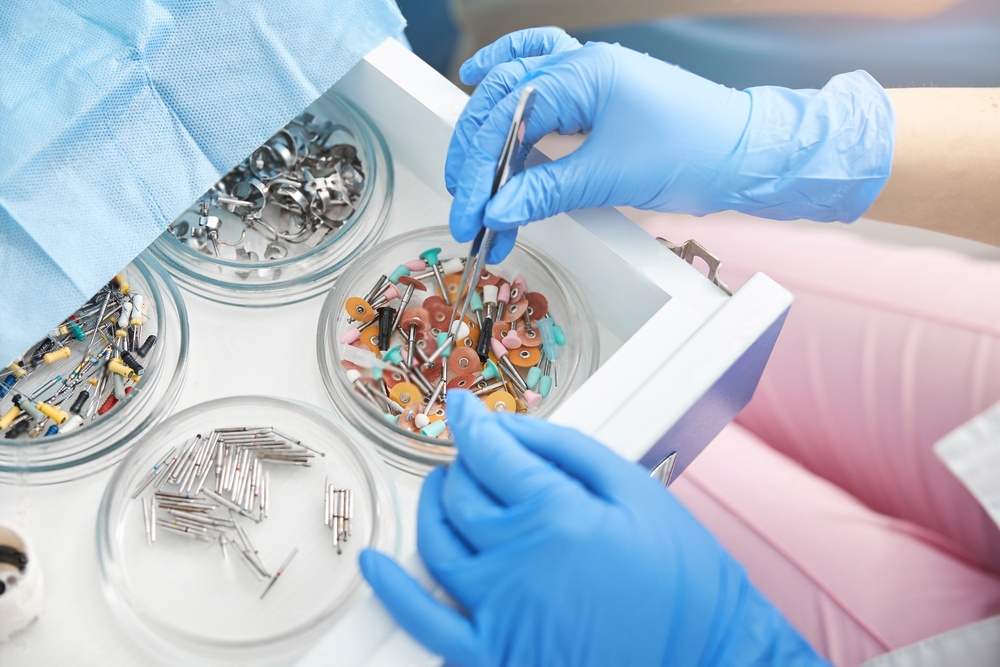
Understanding the Prophy Polisher's Unique Role
Dental professionals rely on a variety of instruments to maintain oral health and restore function. Among these tools, the prophy polisher serves a specific purpose that distinguishes it from other dental instruments. Understanding these differences helps practitioners select the appropriate tool for each clinical situation and explain treatment to patients.
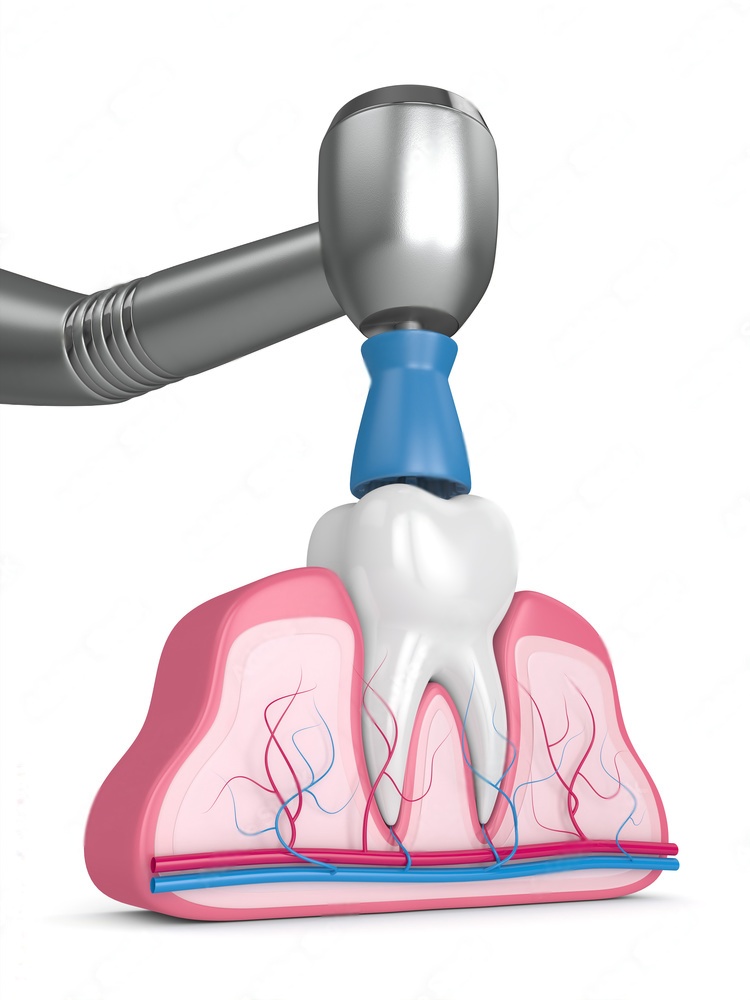
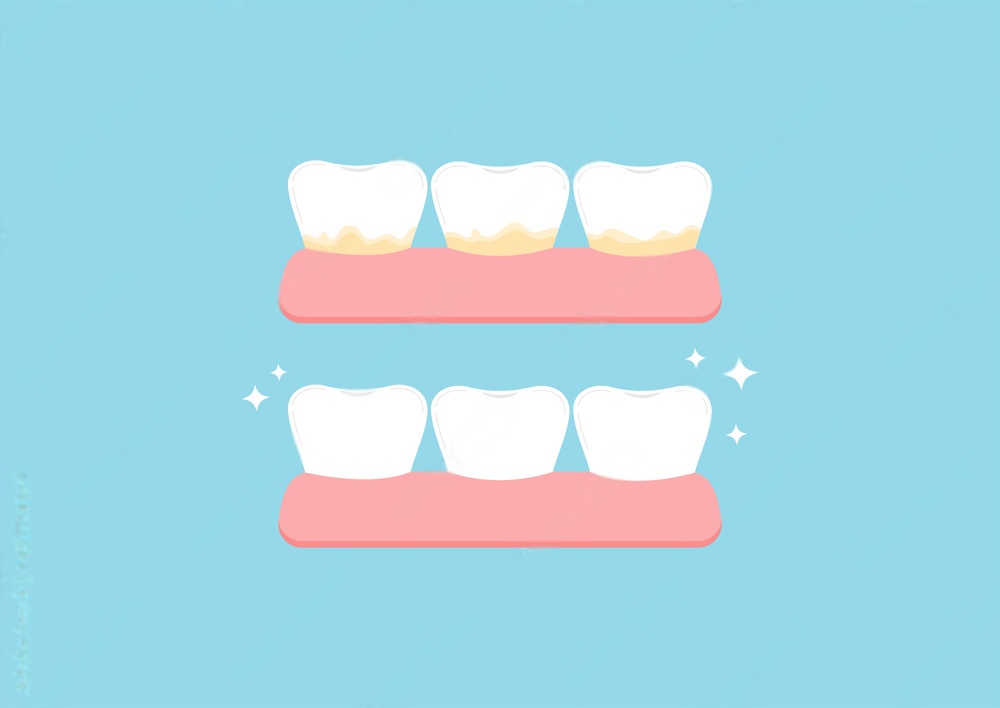
A prophy polisher uses a rotating rubber cup or brush combined with polishing paste to clean tooth surfaces. This mechanical action removes soft deposits, stains, and biofilm while creating a smooth enamel surface. While this may sound similar to other cleaning instruments, the mechanism and clinical applications differ significantly from alternatives like scalers, air polishers, and finishing burs.
How Prophy Polishers Work
The prophy polisher operates through mechanical abrasion combined with rotational movement. A slow-speed handpiece (typically 2,000-5,000 RPM) rotates a rubber cup or brush that holds polishing paste against the tooth surface.
Mechanism of Action
Several factors contribute to the cleaning effectiveness:
- Rubber cup flexibility - The soft rubber conforms to tooth contours and flares into the gingival sulcus without trauma
- Abrasive paste - Pumice or other mild abrasives suspended in paste remove surface deposits
- Controlled speed - Lower rotation speeds prevent heat buildup and provide operator control
- Constant contact - Maintaining cup contact throughout treatment ensures even cleaning
The combination of these elements creates a polishing action that removes accumulated stains and biofilm while smoothing the enamel surface. This differs fundamentally from the cutting or scraping action of other instruments.
Prophy Polishers Compared to Dental Scalers
Dental scalers represent the most common point of comparison with prophy polishers, yet these instruments serve complementary rather than overlapping functions.
Scalers: Design and Function
Dental scalers use sharp metal tips to physically break the bond between calculus (hardened plaque) and tooth surfaces. Two main types exist:
Hand scalers - Manual instruments with various tip shapes (curettes, sickles, hoes) that practitioners manipulate with controlled force to remove calculus deposits.
Ultrasonic scalers - Powered instruments that vibrate at ultrasonic frequencies, using mechanical energy and water irrigation to fragment and flush away calculus.
Key Differences
| Feature | Prophy Polisher | Scaler |
|---|---|---|
| Primary purpose | Remove soft deposits and stains | Remove hard calculus deposits |
| Mechanism | Abrasion and polishing | Scraping or vibration |
| Tooth contact | Soft rubber cup | Hard metal tip |
| Subgingival access | Limited (1-2mm) | Deep pocket access possible |
| Calculus removal | Ineffective | Highly effective |
| Stain removal | Highly effective | Limited effectiveness |
When to Use Each
Clinical protocol typically involves scaling before polishing. Scalers remove calcified deposits that polishing cannot address, while the subsequent polishing step removes remaining soft deposits and stains that scaling leaves behind.
Attempting to remove calculus with a prophy polisher wastes time and produces poor results. Conversely, scalers alone leave teeth with a rough surface that accumulates plaque more readily. The combination provides optimal results.
Prophy Polishers Compared to Air Polishers
Air polishing represents a newer technology that uses a different mechanism to achieve similar goals as traditional rubber cup polishing.
Air Polisher Design and Operation
Air polishers spray a pressurized stream containing water and fine powder particles (typically sodium bicarbonate, glycine, or erythritol) at tooth surfaces. The kinetic energy of the particles striking the tooth removes deposits and stains.
Comparison of Methods
| Aspect | Rubber Cup Polisher | Air Polisher |
|---|---|---|
| Contact type | Direct contact required | Non-contact cleaning |
| Stain removal | Effective with appropriate paste | Very effective, especially biofilm |
| Interproximal access | Limited by cup size | Excellent with proper angulation |
| Subgingival cleaning | Minimal (sulcular only) | Moderate to deep with glycine powder |
| Patient comfort | Generally well-tolerated | Some find spray uncomfortable |
| Operator control | Precise contact control | Requires careful angulation |
| Supply cost | Lower (paste and cups) | Higher (specialized powder) |
| Aerosol generation | Minimal | Significant (infection control consideration) |
Clinical Applications
Many practices use both technologies for different situations:
Rubber cup polishing works well for:
- Routine prophylaxis on patients with light to moderate staining
- Pediatric patients who may find air polishing uncomfortable
- Situations where aerosol reduction is important
- Polishing specific surfaces or restorations
- Practices with budget constraints
Air polishing excels at:
- Heavy biofilm or stain removal
- Periodontal maintenance (with appropriate powder)
- Orthodontic patients (reaches around brackets effectively)
- Implant maintenance (with appropriate non-abrasive powder)
- Patients who find traditional polishing uncomfortable
Neither method is universally superior - the choice depends on patient needs, clinical situation, and practice capabilities.
Prophy Polishers Compared to Polishing Burs
Polishing burs and points serve different purposes than prophy polishers, primarily focusing on restorative finishing rather than prophylaxis.
Polishing Burs and Points
These rotary instruments include:
- Silicone polishing points - Impregnated with abrasives for smoothing composite restorations
- Diamond polishing burs - Fine grit diamonds for finishing ceramic and composite
- Rubber polishing wheels - For final polish on various restorative materials
- Felt or leather polishing discs - Used with polishing compound for high shine
These tools rotate at higher speeds than prophy polishers and use different abrasive systems optimized for specific restorative materials.
Key Distinctions
| Factor | Prophy Polisher | Polishing Burs/Points |
|---|---|---|
| Primary use | Prophylaxis cleaning | Restorative finishing |
| Target surface | Natural tooth enamel | Restorative materials |
| Rotation speed | 2,000-5,000 RPM | 10,000-30,000+ RPM |
| Abrasive delivery | Paste in rubber cup | Impregnated in point/bur |
| Surface area coverage | Large (full tooth surfaces) | Small (specific areas) |
| Gingival contact | Safe with proper technique | Avoid soft tissue contact |
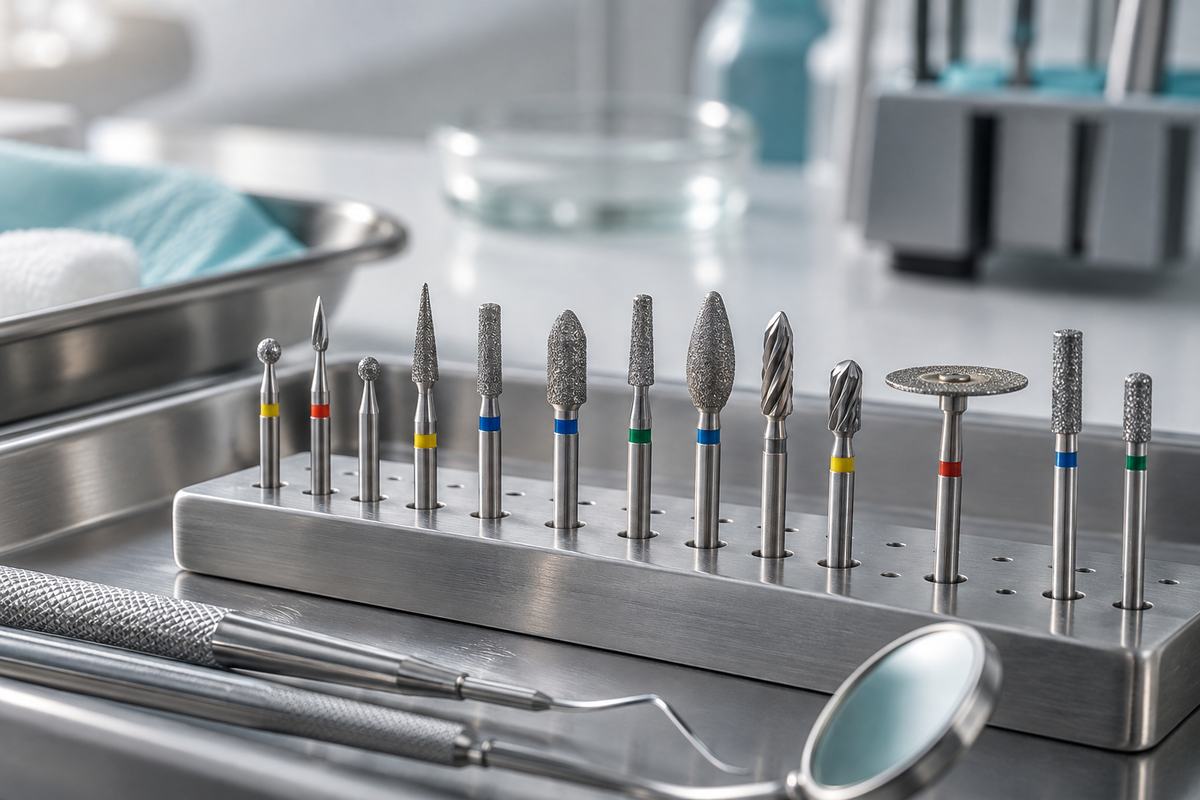
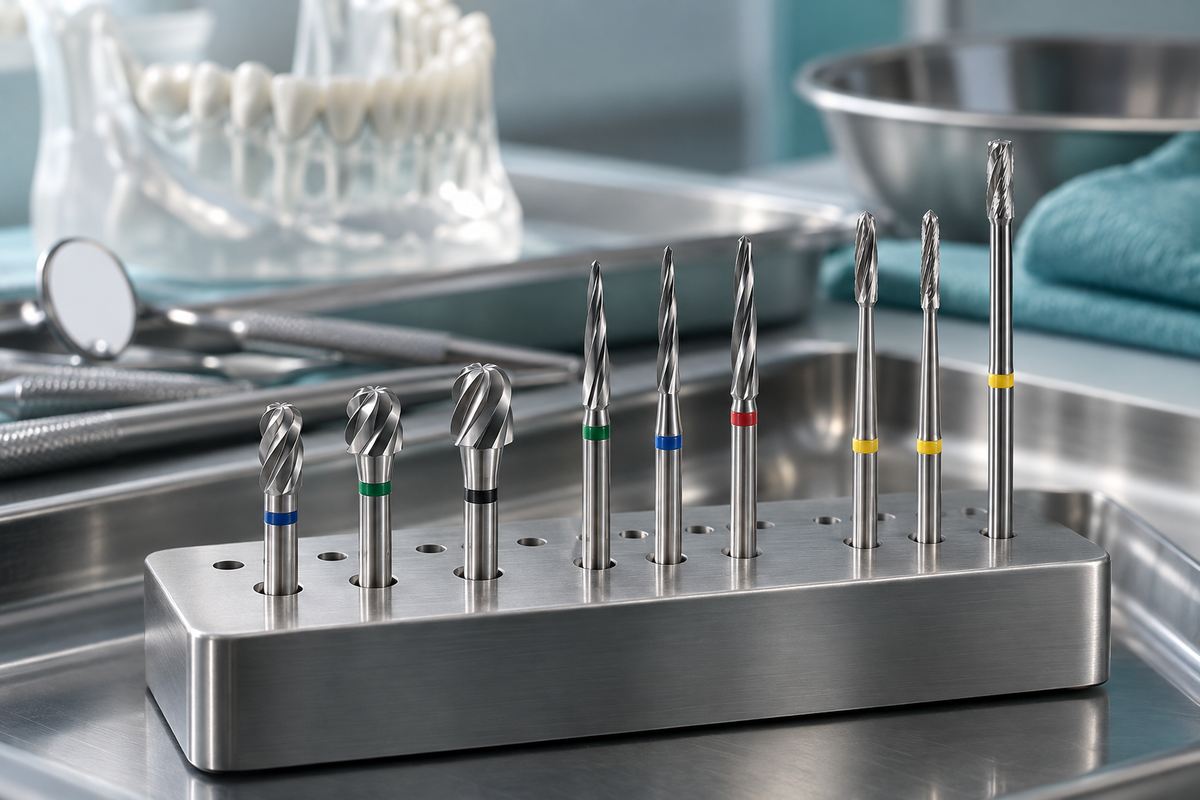
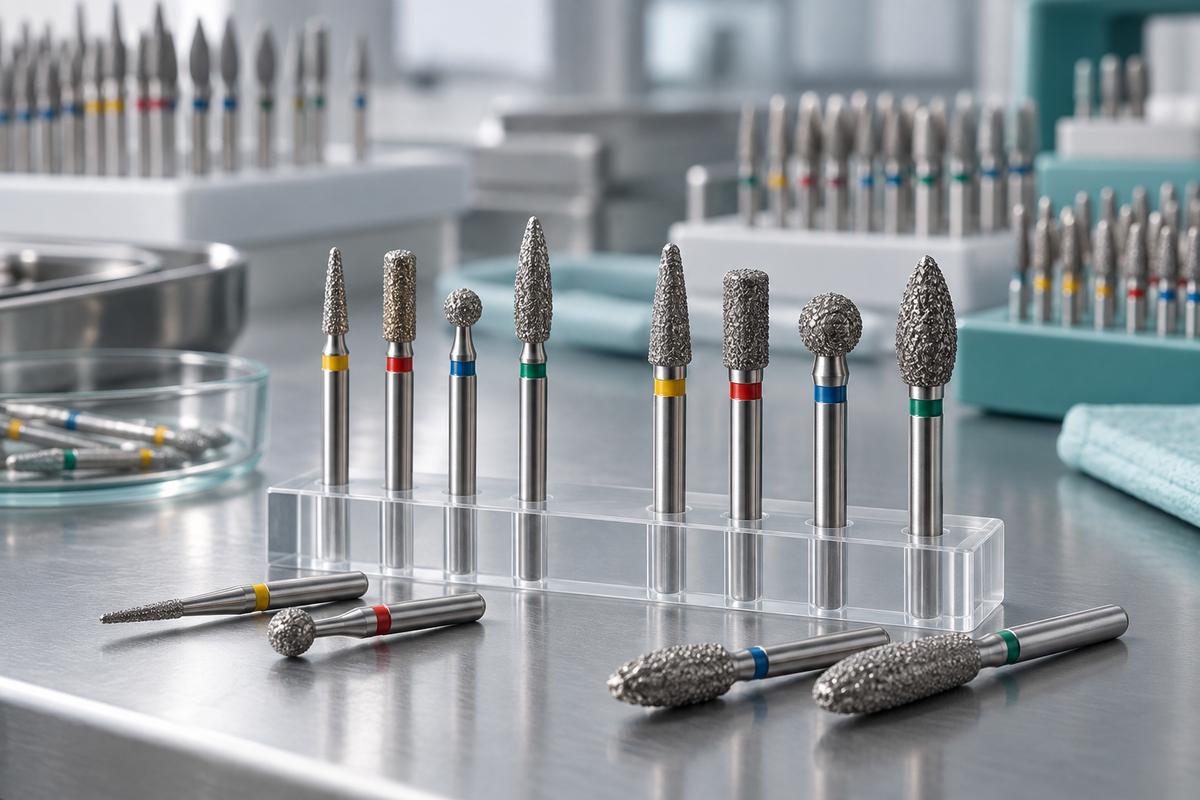
Quality silicone rubber polishers and diamond polishing stones are essential for finishing restorative work but shouldn't be used for routine prophylaxis.
When to Use Polishing Burs
Reserve these instruments for:
- Finishing composite restorations after placement
- Adjusting and polishing ceramic crowns or veneers
- Smoothing rough amalgam surfaces
- Contouring provisional restorations
- Final polish on laboratory work
Learn more about various polishing tools in our guide to different types of dental polishers.
Prophy Polishers Compared to Polishing Brushes
Polishing brushes represent another rotary cleaning option, sometimes used interchangeably with rubber cups but with distinct characteristics.
Brush Design and Function
Polishing brushes feature nylon or natural bristles arranged in various configurations (cups, wheels, or cone shapes). The bristles hold polishing paste and provide a different cleaning action than rubber cups.
Advantages of Brushes
- Better access to occlusal grooves and fissures
- More aggressive cleaning action for heavy stains
- Effective for cleaning around orthodontic appliances
- Reaches developmental grooves on posterior teeth
Disadvantages of Brushes
- Can cause gingival trauma if used improperly
- May splash paste more than cups
- Less suitable for smooth surface polishing
- Requires more careful technique near soft tissue
Many practitioners use both cups and brushes during prophylaxis - cups for smooth facial and lingual surfaces, brushes for occlusal surfaces and areas with deep anatomy.
Prophy Polishers in the Clinical Workflow
Understanding where prophy polishing fits in the treatment sequence clarifies its relationship to other instruments.
Typical Prophylaxis Sequence
- Initial examination - Assess deposits, inflammation, and patient needs
- Scaling - Remove calculus with hand or ultrasonic scalers
- Prophy polishing - Remove remaining soft deposits and stains with rubber cup and paste
- Flossing - Clean interproximal surfaces and check for calculus
- Fluoride application - Apply topical fluoride if indicated
- Final examination - Verify thorough cleaning and assess tissue response
The prophy polisher serves as a finishing step after scaling addresses hard deposits. Attempting to reverse this order produces inferior results.
Material-Specific Considerations
Different tooth surfaces and restorative materials require adapted polishing approaches.
Natural Tooth Structure
Enamel - Tolerates standard prophy paste and technique well. The hardest substance in the body, enamel resists abrasion from polishing.
Dentin - Much softer than enamel. Exposed root surfaces require fine paste or avoiding polishing entirely to prevent excessive removal.
Cementum - Very soft; aggressive polishing can remove significant amounts. Use minimal pressure and fine paste.
Restorative Materials
Different materials respond differently to prophy polishing:
| Material | Polishing Approach | Considerations |
|---|---|---|
| Composite resin | Standard paste acceptable | Avoid excessive abrasion; may require finishing burs for restoration margins |
| Porcelain/ceramic | Use fine paste only | Coarse paste can roughen glazed surfaces; consider specialized ceramic polishers |
| Gold | Standard paste acceptable | Highly polish-resistant; dedicated gold polishers work better |
| Amalgam | Standard paste acceptable | Creates smooth surface; avoid during first 24 hours after placement |
| Implant abutments | Use plastic or rubber cup only | Metal instruments can scratch titanium; use non-abrasive paste |
When working with extensive restorative work, consider which polishing method best preserves material surfaces while achieving cleanliness.
Advantages of Prophy Polishing
Despite multiple alternative cleaning methods, traditional rubber cup polishing offers specific benefits:
- Familiar technique - Most practitioners receive extensive training in this method
- Tactile feedback - Direct contact provides sensory information about tooth surfaces
- Gentle on soft tissue - Flexible rubber cups rarely cause gingival trauma
- Patient acceptance - Most patients tolerate and expect this treatment
- Cost-effective - Lower supply costs than air polishing
- Minimal aerosol - Reduces airborne pathogen concerns
- Versatile applications - Works on most surfaces and materials
- Controlled application - Operator determines exact pressure and coverage
These advantages explain why rubber cup polishing remains the standard prophylaxis method despite newer alternatives.
Limitations of Prophy Polishing
No single instrument addresses all clinical needs. Prophy polishers have inherent limitations:
For more on patient education during prophylaxis, see our article on prophylaxis and gum disease prevention.
Combining Instruments for Optimal Results
Rather than viewing these instruments as competing alternatives, effective practice integrates multiple tools based on patient needs.
Complete Cleaning Protocol
A typical thorough cleaning might include:
- Ultrasonic scaling for heavy calculus
- Hand scaling for tenacious deposits or deep pockets
- Air polishing for heavy biofilm or orthodontic patients
- Rubber cup polishing for final smooth finish
- Specialized polishing burs for restorative margins if needed
Not every patient requires every step. Clinical judgment determines the appropriate combination.
Risk-Based Selection
Patient risk factors guide instrument selection:
Low-risk patients (minimal deposits, good home care) - May need only prophy polishing without extensive scaling.
Moderate-risk patients (moderate deposits, some inflammation) - Require scaling followed by polishing.
High-risk patients (heavy deposits, active disease) - Need thorough scaling, possibly air polishing, selective rubber cup polishing.
Tailoring the approach to individual needs optimizes outcomes while respecting appointment time and patient tolerance.
Conclusion
The prophy polisher occupies a specific niche among dental cleaning instruments. Its rubber cup design, low-speed rotation, and paste delivery system create a polishing action fundamentally different from the scraping of scalers, spraying of air polishers, or high-speed finishing of polishing burs.
Each instrument type serves distinct purposes. Scalers remove hard calculus deposits that polishers cannot address. Air polishers efficiently clean heavy biofilm and reach difficult areas. Polishing burs finish restorative work rather than clean natural teeth. Prophy polishers provide gentle, controlled polishing that removes soft deposits and creates smooth tooth surfaces.
Understanding these differences allows dental professionals to select appropriate instruments for each clinical situation. Rather than replacing one tool with another, effective practice integrates multiple instruments to provide complete, patient-specific care.
The familiar smooth, clean feeling patients experience after prophy polishing represents the culmination of proper instrument selection and technique. This tangible result helps patients appreciate professional prophylaxis and motivates them to maintain their oral health between appointments.