Disposable vs Reusable Dental Burs: A Practical Comparison
Every dental practice faces the same question when stocking rotary instruments: should you buy burs intended for single use or invest in reusable burs that go through sterilization cycles? The answer affects infection control protocols, operating costs, cutting quality, and even your liability exposure. This article lays out the facts on both sides so you can make an informed purchasing decision.
What the FDA Says About Dental Bur Reuse
The U.S. Food and Drug Administration issued updated guidance in September 2019 that changed how many practices think about bur inventory. The bottom line: unless the manufacturer holds a specific 510(k) clearance for reprocessing and reuse, the FDA considers all diamond-coated burs to be single-use devices.
This position applies specifically to diamond burs. Tungsten carbide burs have a different regulatory path because their fluted steel or carbide cutting surfaces respond differently to cleaning and sterilization. However, even with carbide burs, the practical challenges of thorough cleaning remain significant.
Practices that choose to reuse burs labeled as single-use take on additional regulatory risk. If an adverse event occurs, the practice rather than the manufacturer may bear liability for using the device outside its intended labeling.
Infection Control: The Primary Concern
The CDC has repeatedly highlighted the difficulty of cleaning dental burs between patients. The problem is structural: bur heads are covered in microscopic grooves, flutes, and diamond particle gaps that trap biological debris.
Why Burs Are Hard to Clean
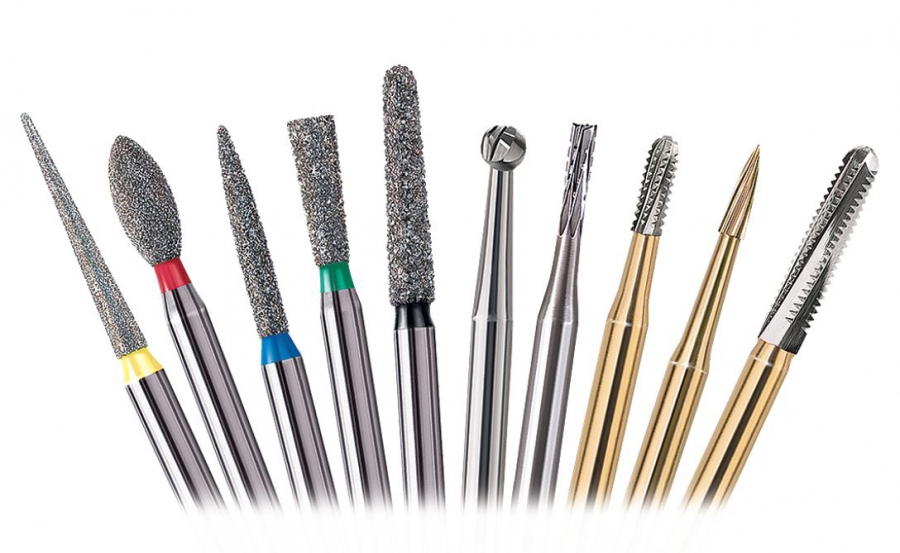
Under magnification, a used dental bur reveals a surface far more complex than it appears to the naked eye. Inverted cone burs, cross-cut fissure burs, and coarse diamond burs all contain recesses where blood, saliva, dentin dust, and composite residue collect. Standard ultrasonic cleaning can remove surface-level contamination, but studies have shown that embedded material often remains even after a full cleaning and autoclaving cycle.
The CDC notes that many disposable patient-care items have reusable heat-tolerant alternatives, but in several cases, the reusable version is difficult to clean adequately. Dental burs fall squarely into this category alongside items like prophylaxis angles and high-volume evacuator tips.
Cross-Contamination Risk
When biological material survives the sterilization process, it creates a potential pathway for patient-to-patient cross-infection. While autoclaving kills microorganisms, it does not remove physical debris. Prions, in particular, are resistant to standard autoclaving temperatures and can adhere to instrument surfaces. For practices that see high patient volumes, the cumulative risk increases with every reuse cycle.
Proper sterilization and handling protocols can reduce but not fully eliminate this risk when burs are reused.
The Real Cost of Reusable Burs
Many practitioners assume that reusing burs saves money. On the surface, the math seems simple: one bur used on five patients costs less per patient than five individual burs. But this calculation ignores several hidden expenses.
Hidden Costs of Reprocessing
| Cost Factor | Reusable Burs | Disposable Burs |
|---|---|---|
| Purchase price per unit | Higher (premium quality expected) | Lower per unit |
| Staff time for cleaning | 5-10 minutes per batch | None |
| Ultrasonic cleaner supplies | Ongoing cost | None |
| Autoclave cycle cost | Energy, water, indicator strips | None |
| Packaging for sterilization | Pouches, tape, labels | None |
| Bur inspection time | Visual check for wear and damage | None |
| Liability exposure | Practice assumes risk | Manufacturer liability |
When you add up the staff labor, consumable supplies, equipment wear, and the cost of managing sterilization records, single-use burs frequently come out equal to or less expensive than reprocessed burs on a per-patient basis.
Cutting Performance Decline
Reusable burs lose cutting efficiency with each use. Diamond particles dislodge from the bur surface during preparation, reducing the coarseness and aggressiveness of the cut. Carbide bur flutes can chip or dull. A bur that required two minutes for a crown preparation when new may take four minutes by its third or fourth use, increasing chair time and patient discomfort.
With disposable burs, every patient receives a fresh, sharp instrument. This consistency translates to predictable preparation times and smoother surface finishes, which can reduce the need for additional finishing and polishing steps.
Advantages of Disposable Dental Burs
The case for single-use burs rests on several practical benefits:
- Elimination of cross-contamination risk. Each patient receives a bur that has never contacted another person. This is the strongest argument for disposable burs and the one that aligns with FDA and CDC recommendations.
- Consistent cutting performance. A new bur delivers the same cutting speed, surface finish, and tactile feedback every time. There is no guesswork about whether the instrument is still sharp enough for the procedure.
- Reduced sterilization workload. Staff time previously spent on scrubbing, packaging, autoclaving, and inspecting burs can be redirected to other tasks. For busy practices, this labor savings is substantial.
- Simplified inventory management. No need to track individual bur usage cycles, inspect for wear patterns, or decide when a bur has reached end of life. Use it once and discard it.
- Lower liability exposure. Using burs according to manufacturer labeling provides a straightforward defense if questions arise about infection control practices.
When Reusable Burs Still Make Sense
Despite the strong case for disposable burs, there are situations where reusable instruments remain the practical choice:
- Laboratory work: Burs used on acrylic, plaster, and stone in the dental lab do not contact patients directly. Reusable laboratory diamond burs and carbide lab burs are standard practice and present no cross-contamination concerns.
- Specialty burs with limited alternatives: Certain surgical burs and highly specialized shapes may not be available in disposable formats or may be prohibitively expensive as single-use items.
- Training and education: Dental schools working on typodont models or simulation units can safely reuse burs since no patient contact occurs.
Making the Transition to Disposable Burs
If your practice currently relies on reusable burs and you are considering a switch, here is a practical roadmap:
Step 1: Audit Your Current Bur Usage
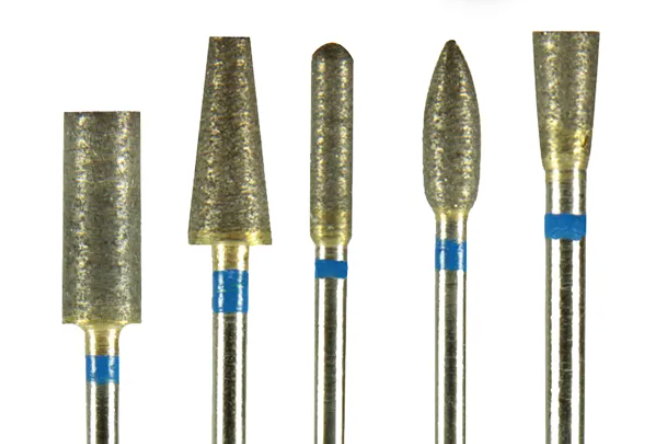
Track how many burs your practice uses per week, broken down by type and shape. Common categories include round burs, tapered fissure burs, flame-shaped diamond burs, and finishing burs. This data will help you estimate disposable bur costs accurately.
Step 2: Calculate the True Cost of Reprocessing
Measure the staff time involved in your current bur cleaning workflow. Include ultrasonic cleaning, rinsing, inspection, packaging, autoclaving, and storage. Multiply by your staff hourly rate. Add consumable costs. This gives you the real per-bur reprocessing cost to compare against disposable pricing.
Step 3: Source Cost-Effective Disposable Burs
The price gap between reusable and disposable burs has narrowed sharply over the past decade. Manufacturers like B&D Technologies now offer clinical-grade diamond burs at price points that make single-use economically viable for most practices. Buying in bulk further reduces the per-unit cost.
Step 4: Update Your Infection Control Protocol
Document the change in your practice's infection control manual. Train staff on the new workflow: open a fresh bur for each patient, use it for the procedure, and dispose of it in a sharps container. No cleaning or sterilization step is needed for the burs themselves.
Environmental Considerations
One concern with disposable burs is waste generation. Single-use instruments do increase the volume of sharps waste a practice produces. However, the environmental impact should be weighed against the water, energy, and chemical use involved in reprocessing. Many practices find that the overall environmental footprint is comparable, especially when you factor in the resources consumed by autoclaving and ultrasonic cleaning equipment.
The Bottom Line
For clinical use where burs contact patients, disposable burs offer clear advantages in infection control, consistent performance, and increasingly competitive pricing. The FDA position, CDC guidance, and practical cost analysis all point in the same direction. Reusable burs remain appropriate for laboratory work and non-patient applications, but the trend in clinical practice is firmly toward single-use instruments.
Need help selecting the right bur type for your procedures? Read our comparison of carbide burs vs diamond burs to find the best match for your clinical workflow.
Browse our full range of dental burs — diamond burs, carbide burs, polishers, and lab tools for every procedure.