
Partial vs Full Dentures: Key Differences Explained
When tooth loss affects your daily life, dentures offer a reliable and time-tested solution. But the choice between partial dentures and full dentures depends on how many teeth remain, your oral health, your budget, and your lifestyle preferences. Understanding the differences between these two options helps you have a more productive conversation with your dentist and make a decision you feel confident about.
What Are Full Dentures?
Full dentures, also called complete dentures, replace an entire arch of teeth. They are used when all natural teeth in the upper jaw, lower jaw, or both are missing or need extraction. A full denture consists of a gum-colored acrylic base that sits directly on the gum tissue and supports a complete set of artificial teeth.
Upper full dentures cover the palate (the roof of the mouth), which creates a suction seal that holds the denture in place. Lower full dentures rest on the gum ridge and rely on gravity, muscle control, and sometimes adhesive to stay seated. Because the lower jaw offers less surface area for suction, lower full dentures tend to be less stable than upper ones.
What Are Partial Dentures?
Partial dentures replace one or more missing teeth while preserving the natural teeth that remain. They are typically recommended when a patient is missing three or more adjacent teeth but still has healthy teeth that can serve as anchors for the appliance.
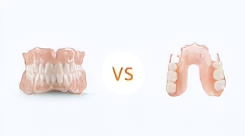
A partial denture features artificial teeth mounted on a base that matches the gum color. This base connects to a framework, usually metal, that includes small clasps designed to wrap around the remaining natural teeth. These clasps hold the partial securely in position during eating and speaking.
Structural Differences
The most obvious structural difference is coverage. Full dentures cover the entire gum ridge and, in the case of upper dentures, the palate. Partial dentures only cover the areas where teeth are missing, leaving the remaining natural teeth exposed and functional.
Full dentures rely on suction, adhesive, or implant attachments for retention. Partial dentures use metal or flexible clasps anchored to existing teeth. This anchoring system generally provides better stability than the suction method used by full dentures, particularly in the lower jaw.
Framework Construction
Full dentures are built on an acrylic base without a metal framework. The entire structure is one piece of molded acrylic with artificial teeth set into it. Partial dentures use a thin metal framework, typically cast from a cobalt-chromium alloy, that provides structural support while keeping the appliance lightweight. The metal framework makes partials thinner and less bulky in the mouth compared to a full acrylic appliance.
Materials Used in Dentures
Both partial and full dentures use similar materials for the artificial teeth and gum-colored base, but there are important differences worth understanding.
Acrylic Resin
Acrylic resin is the most widely used denture material according to published research from the National Institutes of Health. It is lightweight, easy to adjust, and relatively inexpensive. Acrylic conforms well to the gum tissue and can be relined as the jaw changes shape over time. Both full and partial dentures commonly use acrylic for the base and sometimes for the teeth themselves.
Porcelain
Porcelain teeth offer a more natural appearance and greater resistance to wear than acrylic teeth. However, porcelain is heavier and more brittle, which means porcelain denture teeth can chip or break if dropped. Porcelain is more commonly used in full dentures than in partials, because the harder porcelain teeth can accelerate wear on the natural teeth adjacent to a partial denture.
Metal Frameworks
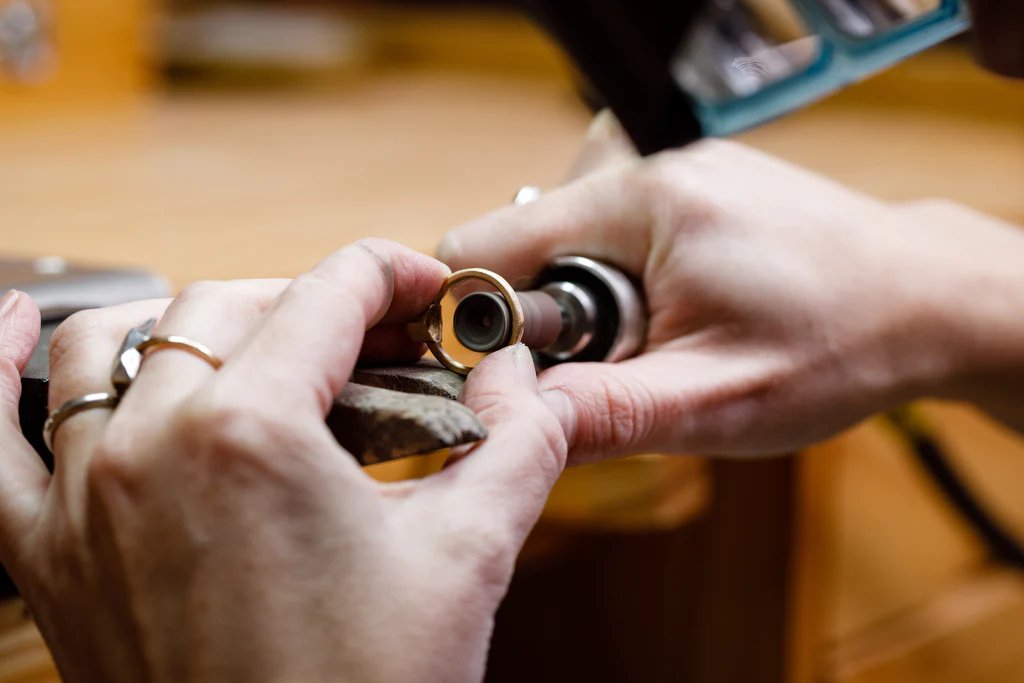
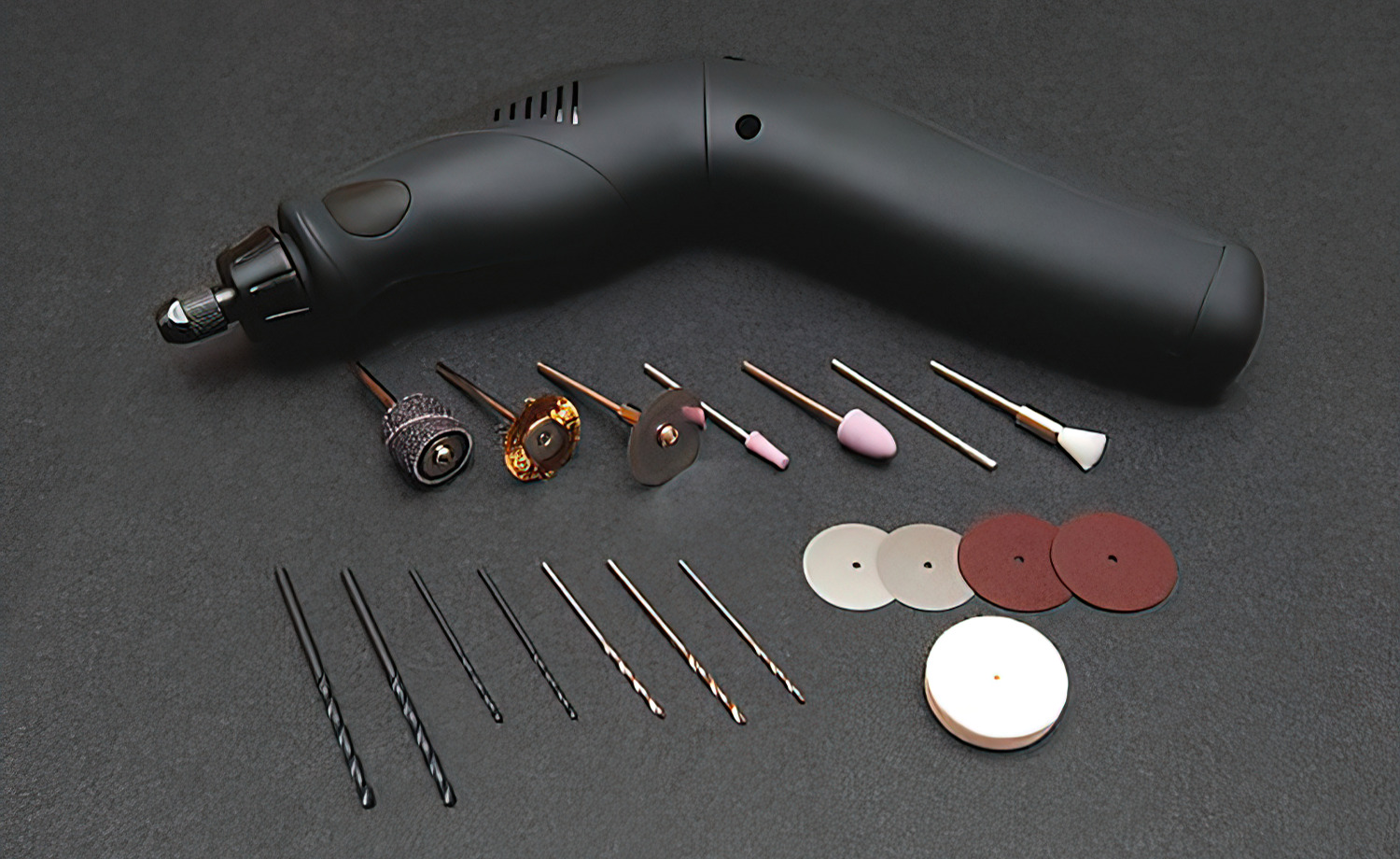
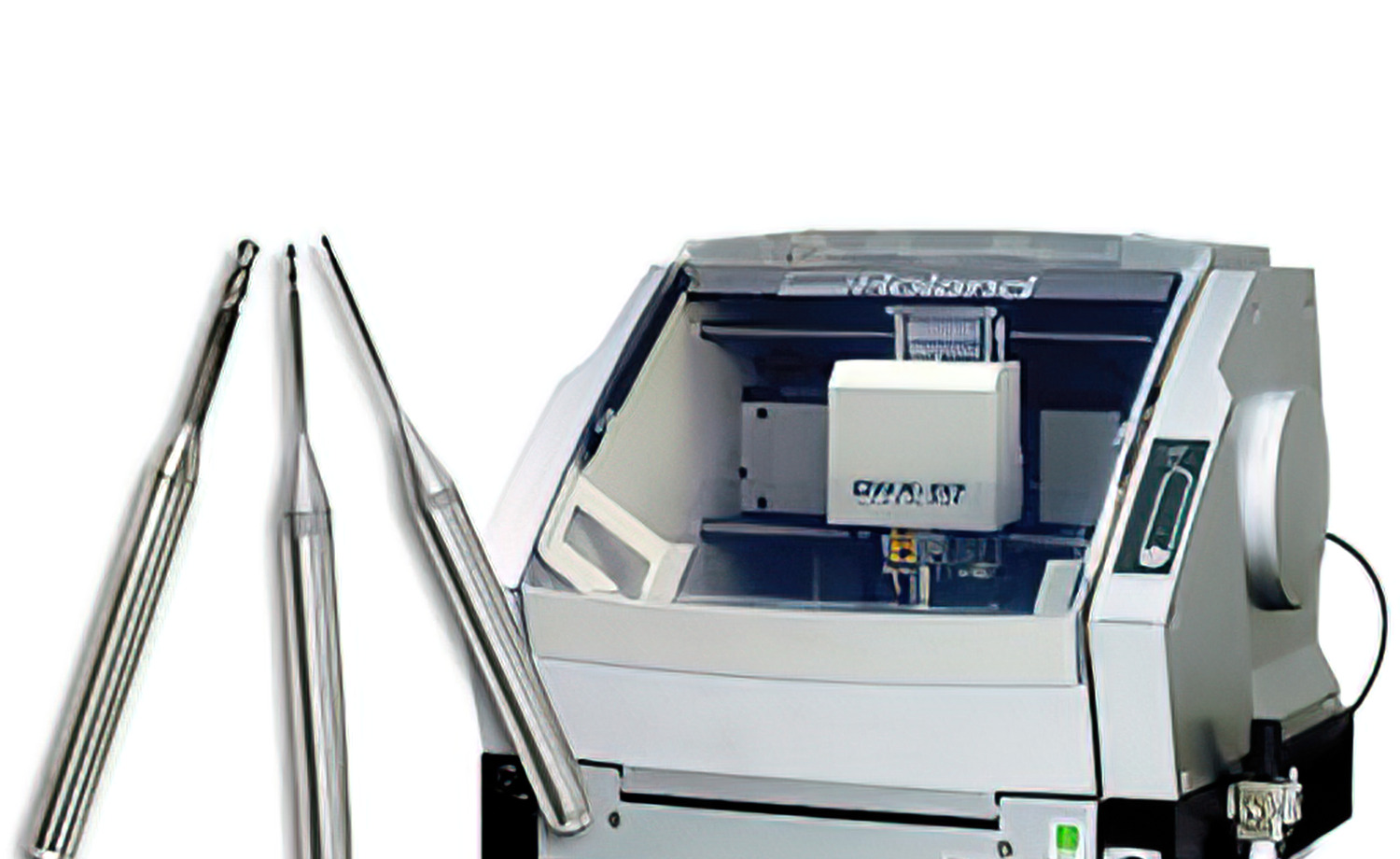
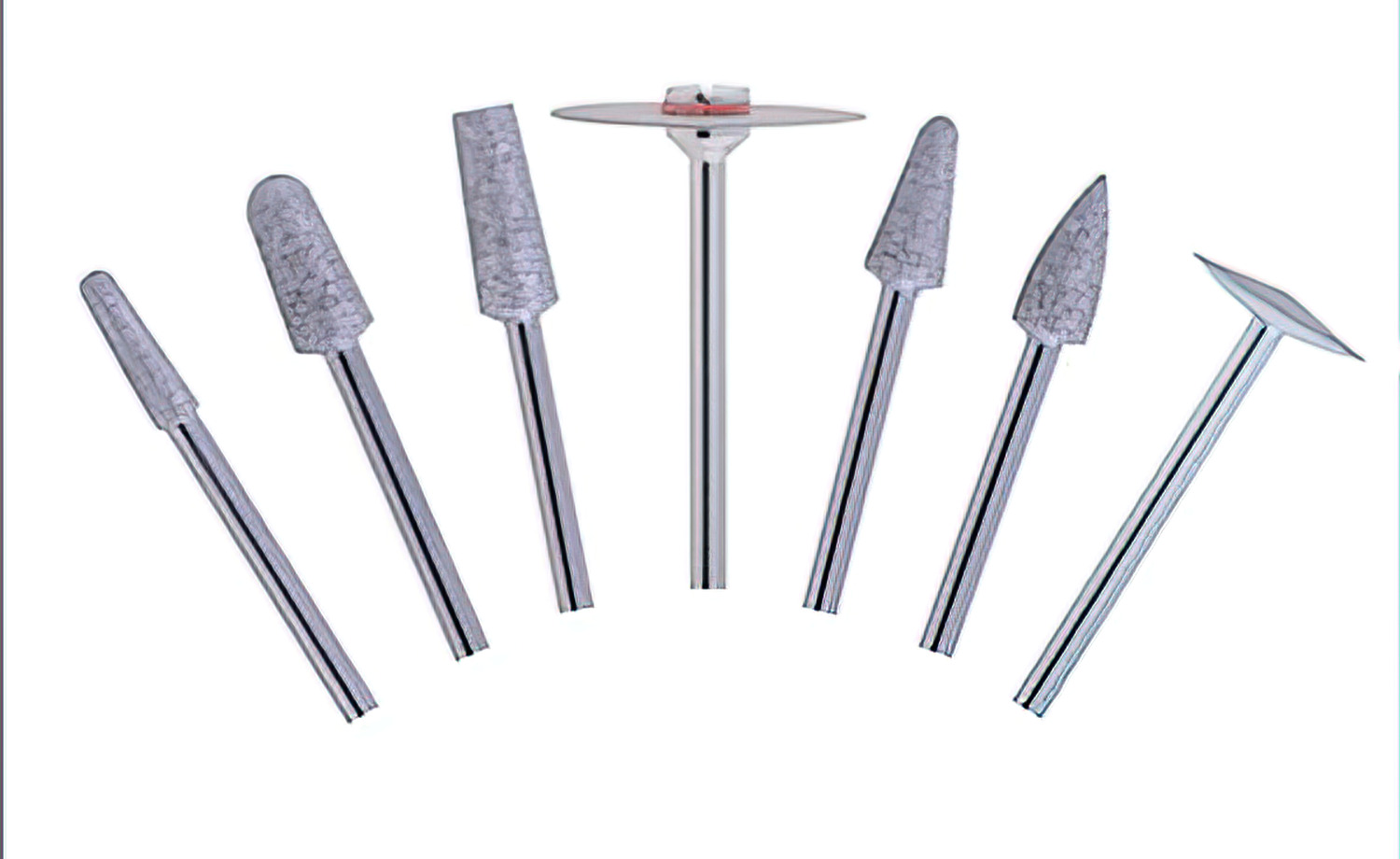
Metal-based partial dentures use a cast cobalt-chromium framework that is strong, thin, and biocompatible. These partials are more expensive than all-acrylic versions but offer a slimmer profile that many patients find more comfortable. The precision required to fabricate metal frameworks means these appliances typically require more lab time and involve more advanced dental tools, including specialized tungsten carbide burs and silicone polishers for finishing work.
Flexible Thermoplastic
Flexible partial dentures are made from a nylon-based thermoplastic material that bends slightly without breaking. They do not use metal clasps. Instead, thin extensions of the gum-colored material hook around the natural teeth. Flexible partials are more comfortable for many patients and more resistant to damage from drops, though they cannot be relined or repaired as easily as acrylic or metal-based options.
Comparing Advantages
Advantages of Partial Dentures
- Preserve natural teeth: Partials work with your remaining teeth rather than replacing them, which helps maintain bone density and jaw structure.
- Better stability: The clasp system anchored to natural teeth provides more secure retention than suction-based full dentures.
- Less adjustment time: Most patients adapt to partial dentures faster because less of the mouth is covered.
- Lower cost in many cases: Standard acrylic partials are often less expensive than a full set of complete dentures.
- Can be expanded: Depending on the design and material, additional teeth can sometimes be added to an existing partial if more teeth are lost later.
Advantages of Full Dentures
- Complete restoration: Full dentures restore the entire smile and full chewing function when no natural teeth remain.
- Facial support: A full set of denture teeth supports the cheeks and lips, preventing the sunken facial appearance associated with total tooth loss.
- No dependency on other teeth: Full dentures do not require healthy anchor teeth, making them the only removable option when all teeth are gone.
- Simplified care: With no natural teeth to maintain alongside the appliance, the oral hygiene routine is more straightforward.
Lifespan and Durability
Full dentures typically last between 5 and 10 years before they need replacement. Over time, the jawbone naturally resorbs after tooth loss, changing the shape of the gum ridge and causing the denture fit to loosen. Periodic relining can extend the usable life of a full denture, but eventually the acrylic base wears down and the artificial teeth lose their proper bite alignment.
Partial dentures generally have a longer lifespan of up to 15 years, partly because the presence of remaining natural teeth helps slow bone resorption in the jaw. However, if the anchor teeth develop problems or need extraction, the partial may need to be redesigned or replaced with a different appliance.
Cost Comparison
Denture costs vary widely based on materials, the complexity of the case, and geographic location. The following ranges give a general idea of what to expect:
| Denture Type | Average Cost Range (USD) |
|---|---|
| Full dentures (basic to premium) | $400 - $8,000 |
| Acrylic partial dentures | $1,400 |
| Metal framework partials | $1,800 |
| Flexible partial dentures | $1,700 |
Insurance coverage varies. Many dental plans cover a portion of denture costs, but coverage limits and waiting periods apply. Check with your provider before starting treatment to understand your out-of-pocket expenses.
How to Decide Which Type You Need
The decision between partial and full dentures is primarily determined by how many healthy teeth remain. If you still have several strong, well-positioned teeth, a partial denture is almost always the preferred option. Preserving natural teeth maintains jaw bone density, provides better chewing efficiency, and typically results in a more comfortable fit.
If most or all of your teeth are compromised by decay, gum disease, or fracture, full dentures may be the more practical choice. Your dentist will evaluate the condition of each remaining tooth and help you weigh the benefits of saving them against the cost and complexity of doing so.
Other factors to consider include your budget, your willingness to maintain natural teeth alongside an appliance, and whether implant-supported options are available to you. Implant-retained dentures, both partial and full, offer significantly improved stability but at a higher cost.
Caring for Your Dentures
Regardless of which type you choose, daily cleaning and proper storage are non-negotiable for denture longevity. Remove your dentures every night, brush them with a denture-specific cleanser, and soak them in water or a denture solution to prevent the acrylic from drying out and warping.
For a detailed daily cleaning routine, see our step-by-step guide on how to clean partial dentures. The same principles apply to full dentures, with the exception that full denture wearers do not need to clean around natural anchor teeth.
Whether you need a partial or a full denture, the right appliance combined with proper care will restore your ability to eat comfortably, speak clearly, and smile without hesitation. Talk to your dentist about which option best fits your specific situation and long-term oral health goals.