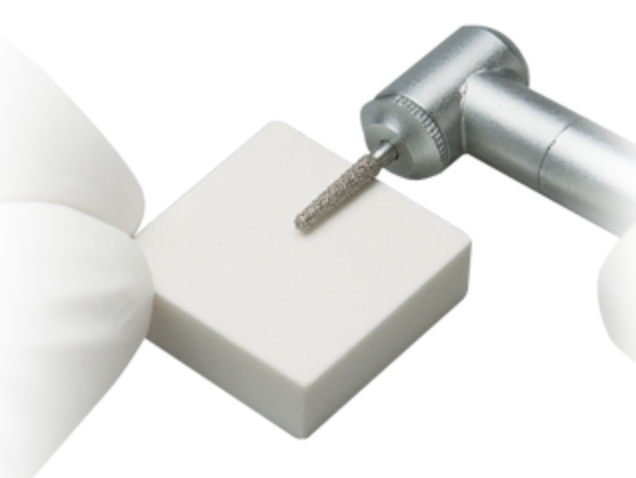
Sharp dental instruments are a basic requirement for effective clinical work. Dull scalers, curettes, and chisels force the operator to apply more pressure, which reduces tactile sensitivity and increases patient discomfort. Sharpening stones offer a straightforward, cost-effective method for restoring and maintaining a keen cutting edge on hand instruments throughout their working life.
This guide covers the types of sharpening stones available, how to select the right one, and the techniques that produce consistent, reliable results.
Why Sharp Instruments Matter in Dentistry
A sharp instrument removes calculus and diseased tissue with fewer strokes and less lateral pressure. This translates directly to better clinical outcomes:
- Reduced operator fatigue — less force per stroke means less strain on the hands and wrists over a full day of scaling
- Improved tactile feedback — a sharp edge catches on calculus deposits, giving the clinician clear feedback about what the instrument tip is contacting
- Less patient discomfort — controlled, efficient strokes are gentler on soft tissue than the heavy pressure required by a dull blade
- Faster procedures — fewer passes are needed to achieve a clean root surface
Instruments that are regularly sharpened also last longer because less metal is removed during each sharpening session compared to restoring a severely dulled edge.
Types of Sharpening Stones for Dental Use
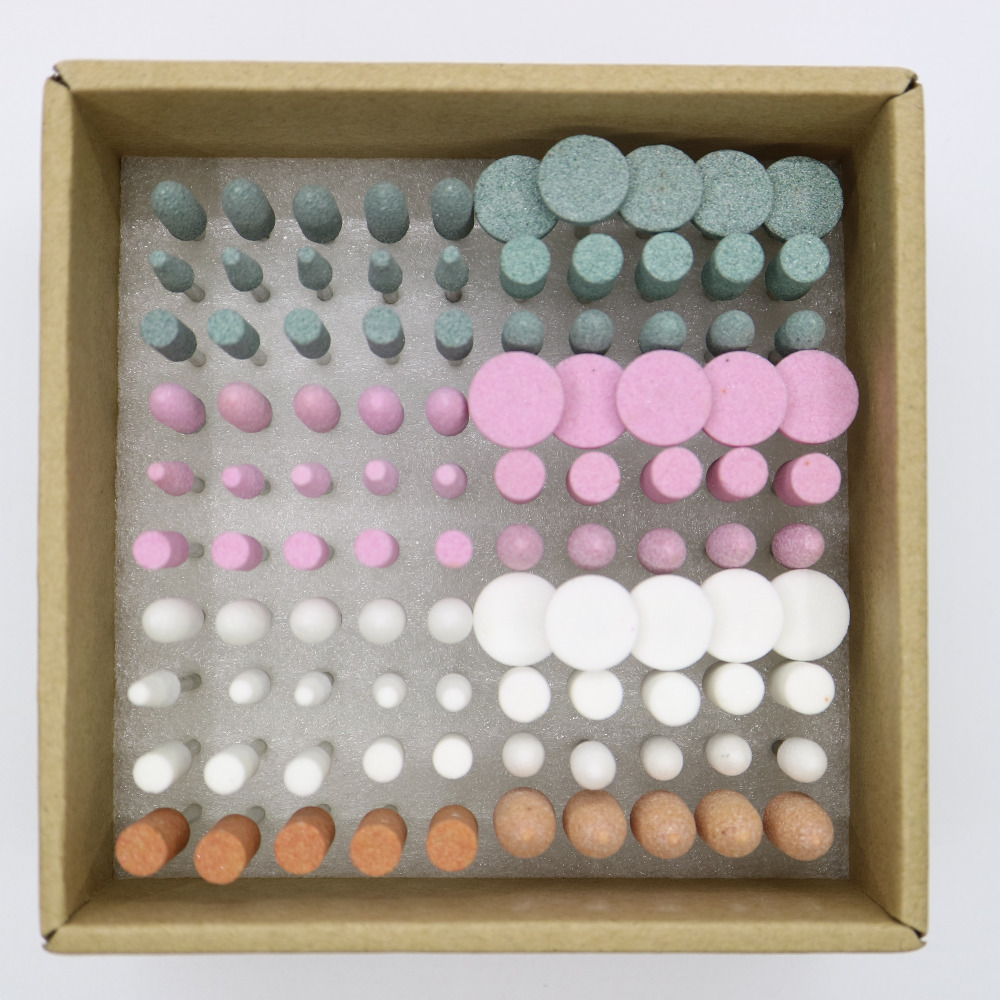
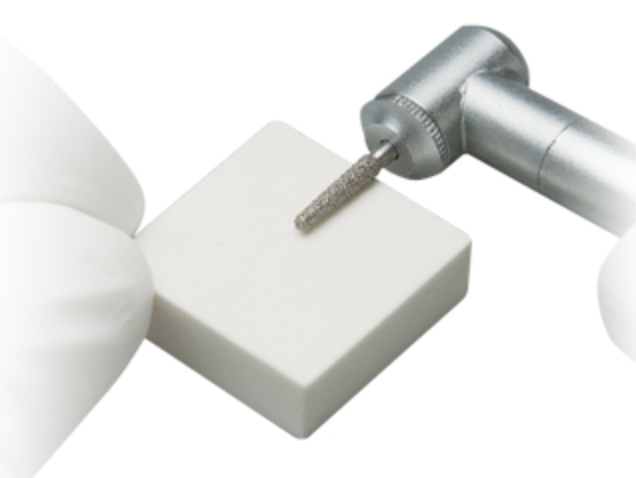
Sharpening stones vary by material, grit, and intended application. The three most common types used in dental practice are natural Arkansas stones, synthetic ceramic stones, and diamond-coated stones.
Arkansas Stones
Arkansas stones are natural novaculite quarried in the Ouachita Mountains. They are available in several grades:
| Grade | Grit Range | Best For |
|---|---|---|
| Soft (Washita) | 400-600 | Reconditioning dull edges, initial shaping |
| Hard | 800-1000 | General-purpose sharpening |
| Translucent | 1200+ | Fine honing and final edge refinement |
Arkansas stones require lubrication with sharpening oil during use. The oil floats away metal particles and prevents the stone from loading, which would reduce its cutting ability. These stones produce a smooth, polished edge and are preferred by many experienced hygienists for curette sharpening.
Ceramic Sharpening Stones
Ceramic stones are made from aluminum oxide or similar synthetic abrasives fired at high temperature. They offer several advantages over natural stones:
- Consistent grit across the entire surface
- Available in very fine grits for producing extremely sharp edges
- Can be used dry or with water (no oil required)
- Easy to clean — a scrub with a nylon brush restores the surface
Fine-grit ceramic stones are particularly useful for maintaining an edge that is already reasonably sharp. They remove very little metal, making them ideal for touch-up sharpening between patients.
Diamond Sharpening Stones
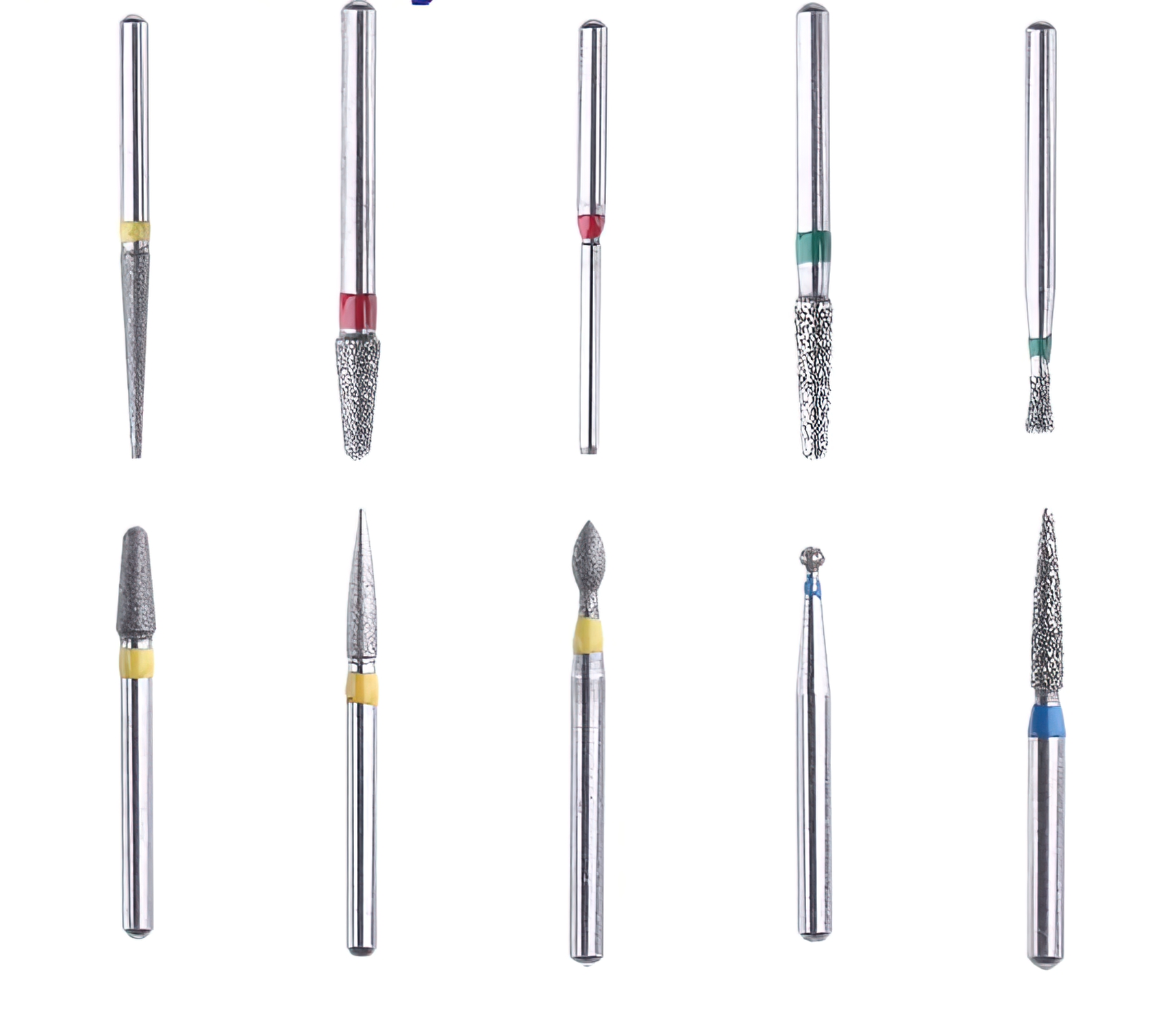
Diamond stones feature industrial diamond particles bonded to a metal or plastic substrate. They are the most aggressive of the three types and cut faster than either Arkansas or ceramic stones. Diamond stones work well for reconditioning instruments that have become very dull or for reshaping a damaged cutting edge.
Because diamond stones remove material quickly, they require a lighter touch. Excessive pressure will gouge the instrument and shorten its useful life. Diamond stones can be used with water as a lubricant and should be cleaned after each use to remove metal filings from the surface.
For related diamond abrasive products, browse our diamond dental burs catalog.
How to Choose the Right Sharpening Stone
Selecting a sharpening stone depends on three factors: the instrument type, the current condition of the edge, and personal preference for technique.
Match the Stone Shape to the Instrument
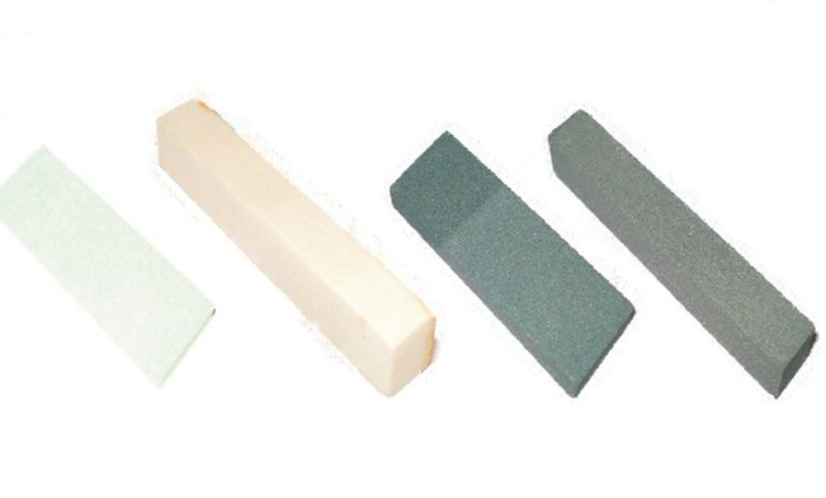
Sharpening stones come in flat, wedge, cylindrical, and conical shapes. The shape must correspond to the instrument's blade geometry:
- Flat stones — suitable for sickle scalers, chisels, and hoes
- Cylindrical or tapered stones — ideal for the curved inner surface of curettes
- Conical stones — useful for sharpening explorer tips and fine-pointed instruments
Match the Grit to the Task
Use a coarser grit (400-600) for reconditioning a dull instrument and a finer grit (1000+) for routine maintenance sharpening. Many clinicians keep two stones on hand: a medium-grit stone for initial edge restoration and a fine-grit stone for finishing.
Sharpening Technique: Step by Step
Proper technique is just as important as choosing the right stone. Follow these steps for consistent results:
- Secure the instrument — hold the instrument firmly in your dominant hand with the blade facing up. Rest the handle against your palm for stability.
- Identify the bevel angle — examine the existing bevel under magnification if needed. The sharpening stone must contact the bevel at the original factory angle, typically 70 to 80 degrees for curettes.
- Lubricate the stone — apply a few drops of sharpening oil (for Arkansas stones) or water (for ceramic and diamond stones) to the surface.
- Position the stone against the bevel — place the stone flat against the instrument's bevel. Maintain the angle throughout the entire stroke.
- Use short, controlled strokes — move the stone in one direction (typically downward) along the face of the bevel. Avoid back-and-forth sawing motions, which create a wire edge.
- Check your progress — after every 5 to 10 strokes, test the edge by lightly drawing it across a plastic testing stick or your thumbnail. A sharp edge will catch; a dull edge will slide.
- Remove the wire edge — if a thin burr of metal forms on the opposite side of the bevel (a wire edge), gently stroke the face of the instrument across the stone once or twice to remove it.
To learn more about maintaining other rotary instruments, see our article on cleaning diamond burs.
Maintaining Your Sharpening Stones
A sharpening stone that is not properly maintained will lose its effectiveness. Follow these care guidelines:
- Clean after every use — wipe Arkansas stones with a cloth dampened with oil. Scrub ceramic and diamond stones with a nylon brush and rinse under running water.
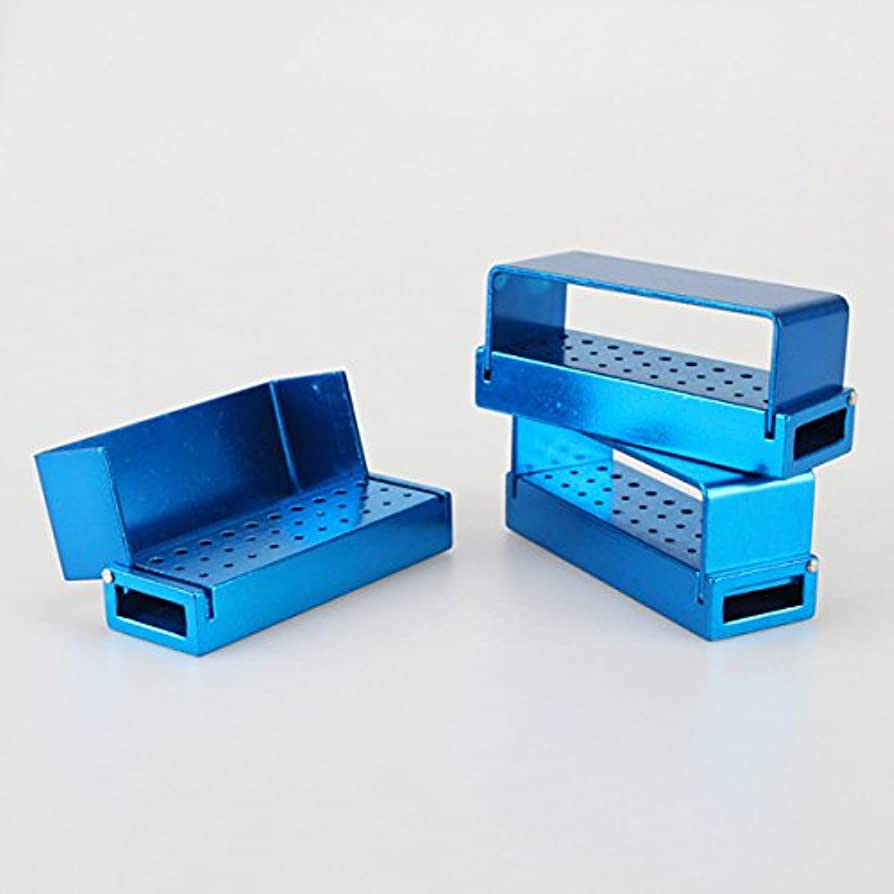
- Store properly — keep stones in a protective case or pouch to prevent chipping. Arkansas stones should be stored dry after cleaning.
- Flatten periodically — Arkansas and ceramic stones can develop a concave surface over time from repeated use in the same area. Flatten them by rubbing against wet-dry sandpaper placed on a flat surface such as a glass plate.
- Replace when worn — diamond stones eventually lose their abrasive coating. When you notice the stone cutting more slowly even with proper technique, it is time for a replacement.
How Often Should You Sharpen Dental Instruments?
The answer depends on clinical volume and the types of procedures performed. A general guideline is to test instrument sharpness at the start of each appointment and sharpen as needed. Some practices build a quick touch-up into the instrument processing workflow: after sterilization, a hygienist spends 30 seconds per instrument on a fine ceramic stone to maintain the edge.
Heavy calculus cases will dull instruments faster than prophylaxis appointments. Instruments used for periodontal scaling and root planing should be tested after each quadrant and sharpened if performance drops.
For information on the accessories that support instrument maintenance in your practice, explore our full product range.
Final Thoughts
Sharpening stones are a small investment that pays off in better clinical outcomes, longer instrument life, and reduced operator fatigue. By selecting the right stone type and grit, following a consistent sharpening technique, and maintaining your stones properly, you can keep every hand instrument in your kit performing at its best. Build sharpening into your daily routine and the difference will be immediately apparent in both your work quality and your comfort at the end of the day.