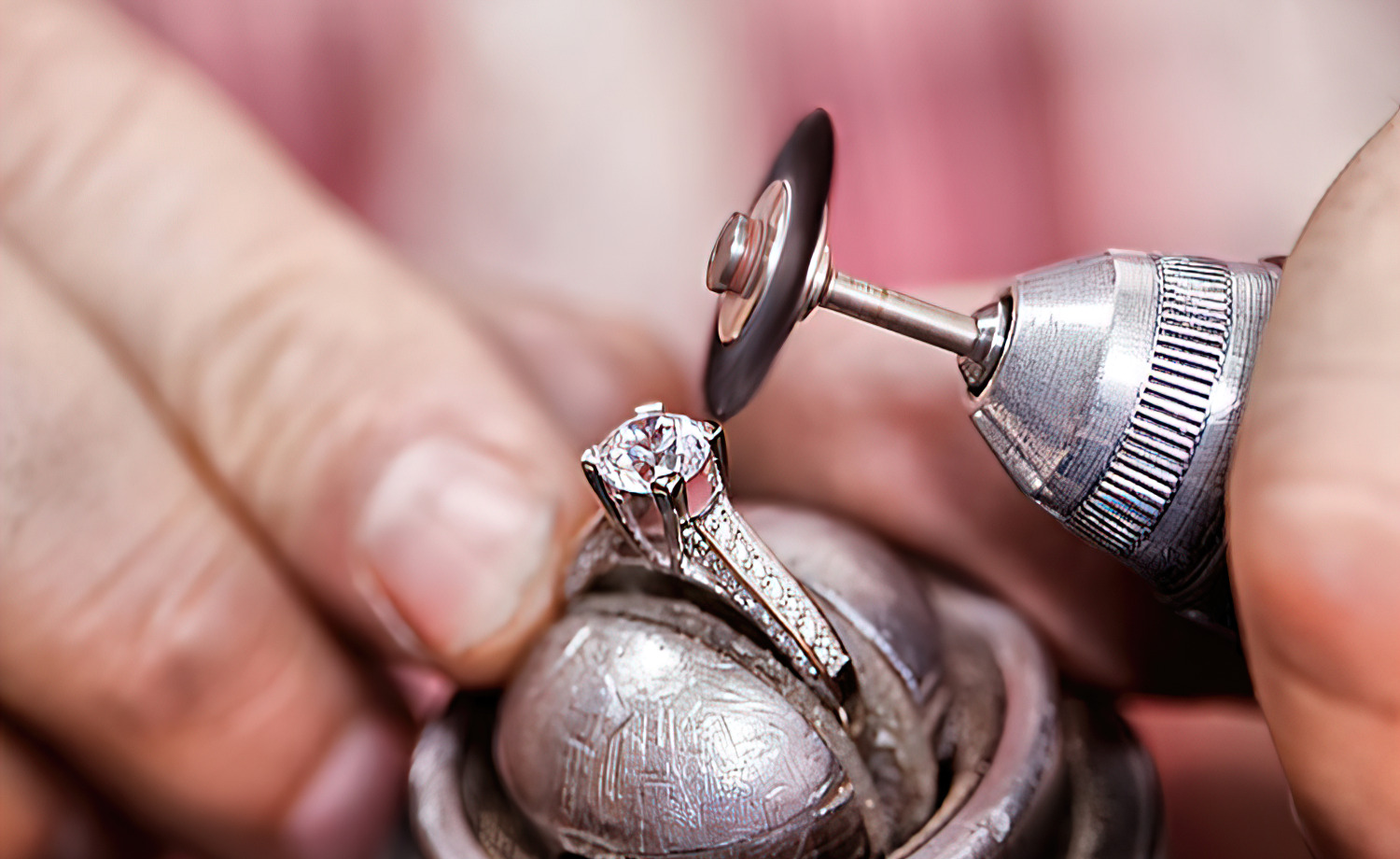
A beautifully polished ring catches the light and draws attention. Whether you are a bench jeweler finishing a custom piece or a hobbyist restoring a vintage find, rotary polishing brushes are among the most practical tools for achieving a mirror-like surface on metal jewelry. They fit standard rotary handpieces and bench motors, work with a variety of polishing compounds, and come in shapes designed to reach both exterior surfaces and tight interior curves.
This guide walks you through the full process of polishing a ring using rotary brushes, from selecting the right tools to achieving a professional-quality finish.
Tools and Materials You Will Need
Before starting, gather everything so you can work without interruption. Having the correct supplies laid out in advance makes the process smoother and reduces the chance of mistakes.
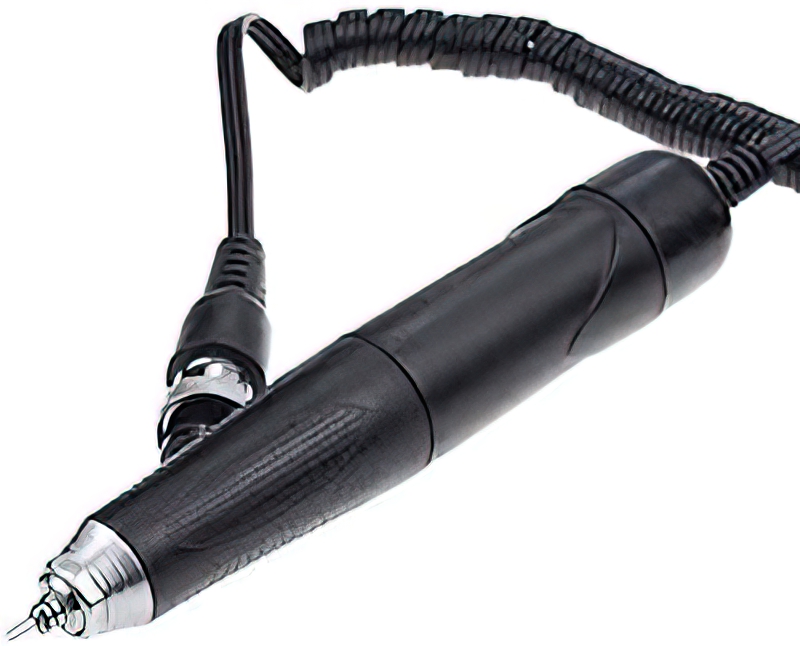
- Micro polishing motor or bench lathe with variable speed control
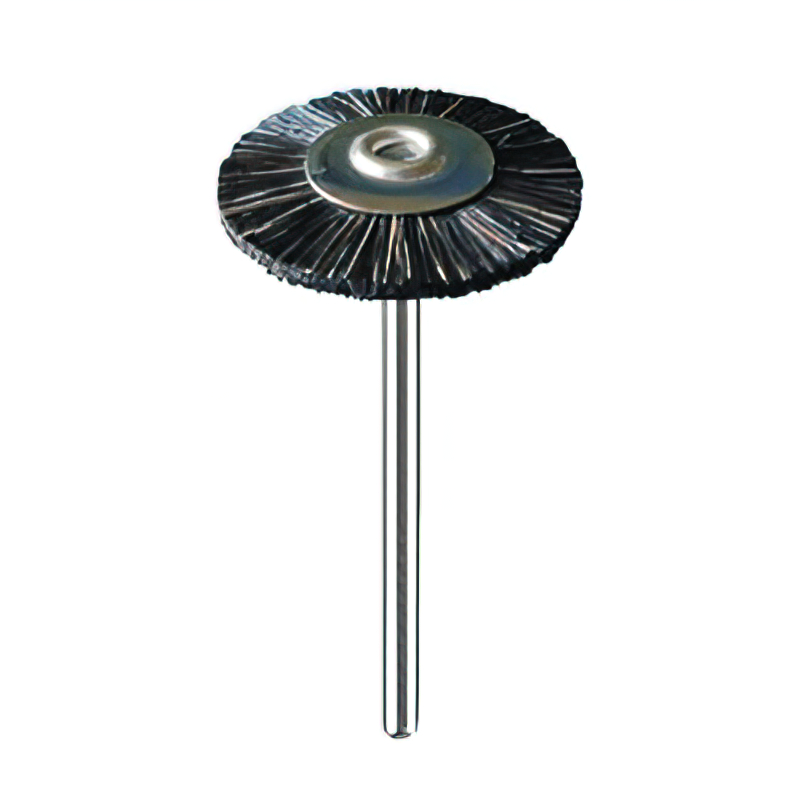
- Bristle brushes (black or white) for initial cleaning and pre-polish
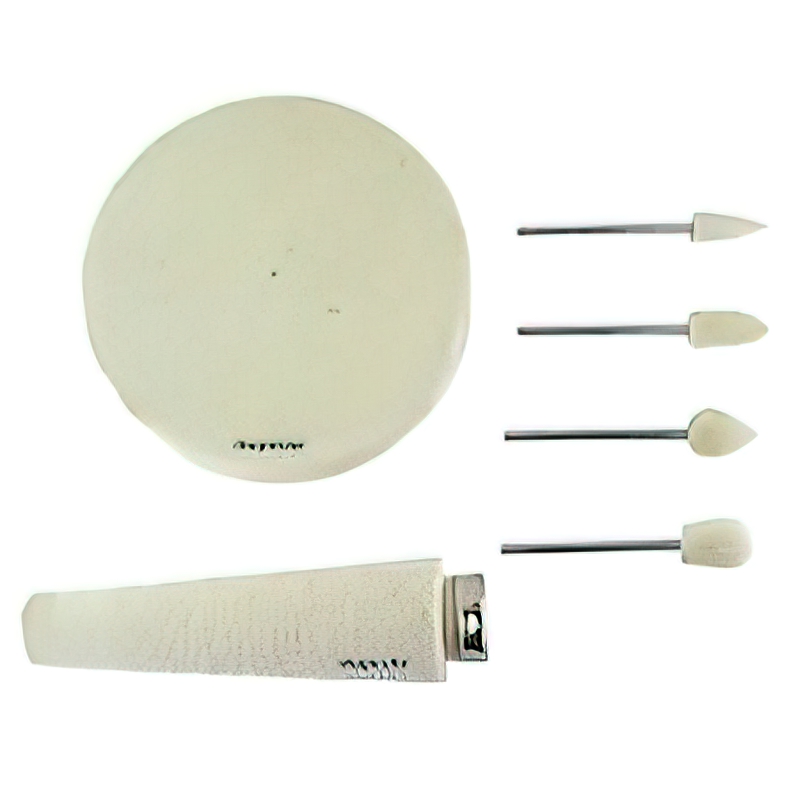
- Felt bobs and felt wheels for applying compounds to interior and exterior surfaces
- Polishing compounds such as green chromium oxide wax (for pre-polish) and rouge or white diamond paste (for final high shine)
- Sandpaper discs or strips (various grits from 320 to 1200) for removing deeper scratches
- Ultrasonic cleaner or mild ammonia-based dishwashing solution for final cleaning
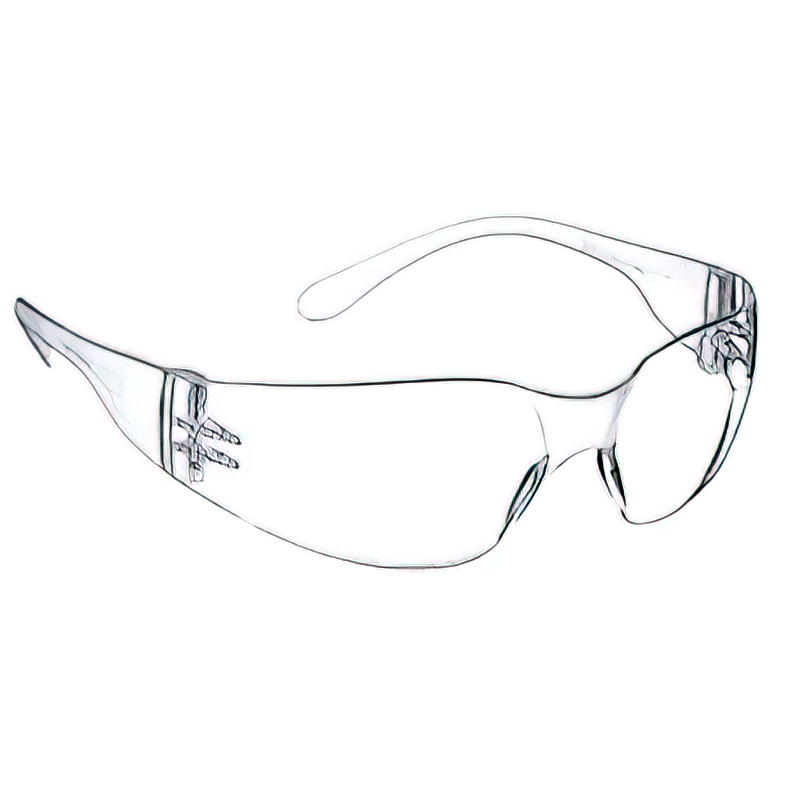
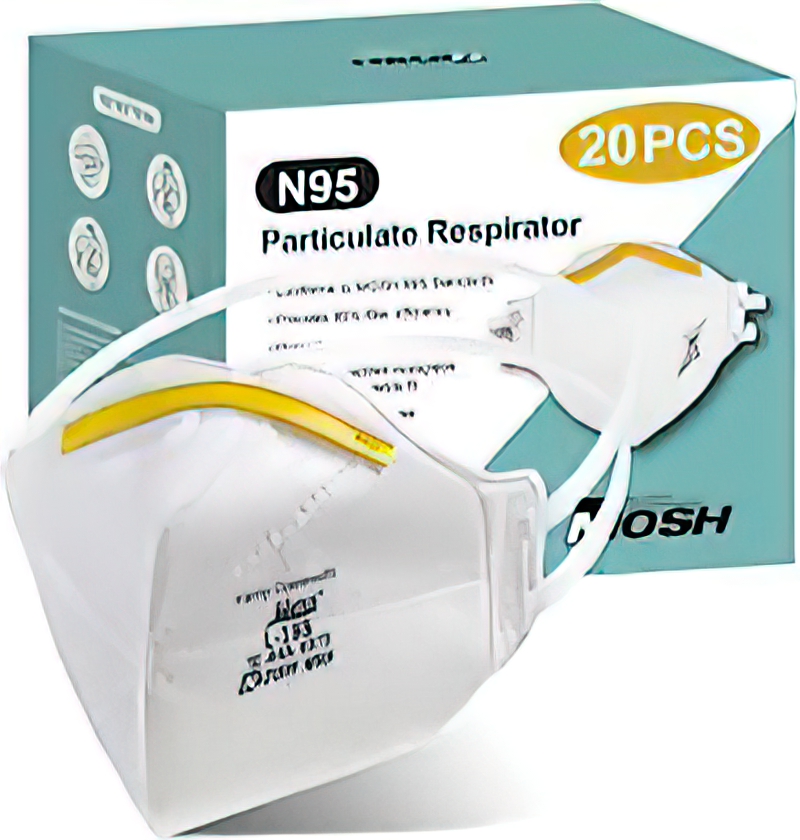
- Protective eyewear and an N95 particulate mask for personal safety
Safety First: Protect Yourself Before Polishing
Rotary polishing generates airborne particles including metal dust, compound residue, and occasionally loose bristles that fly off the brush at speed. These particles pose real risks to your eyes and respiratory system. Always wear impact-rated safety glasses and a properly fitted N95 mask before you turn on the motor.
Additionally, secure the ring firmly in your fingers or in a ring clamp. Polishing wheels and brushes can catch on prongs or bezels and fling the piece across the room. A steady grip and controlled pressure prevent both injury and damage to the jewelry. For guidance on safe practices with rotary tools, see our article on rotary tool safety precautions.
Step 1: Assess the Ring and Remove Oxidation
Before applying any polishing compound, examine the ring under magnification. Identify scratches, tarnish, oxidation, and any areas where the finish has worn through. This assessment tells you where to start in the abrasive sequence and how aggressive your first step needs to be.
For surface oxidation and light tarnish, begin with a black bristle wheel brush on your rotary motor at low to medium speed (approximately 3,000 to 5,000 RPM). The stiff natural bristles lift oxidation without removing significant metal. Work the brush across the exterior of the ring, the area around any set stones, prong tips, and decorative details such as filigree or engraved patterns.
Step 2: Address Deeper Scratches with Abrasives
If the ring has scratches that the bristle brush cannot remove, step down to abrasive sandpaper discs. Start with a coarser grit (320 or 400) and work through progressively finer grits (600, 800, 1200) until the scratch marks from each previous grit are fully replaced by the finer pattern of the next.
Key principles for sanding metal jewelry:
- Use light, even pressure. Excessive force removes metal unevenly and can distort thin ring bands.
- Keep the abrasive moving. Dwelling in one spot creates a flat spot or depression.
- Work in one direction per grit rather than back and forth. This makes it easier to see when scratches from the previous grit have been fully removed.
- Clean the ring between grits using an ultrasonic bath or a wipe with isopropyl alcohol to prevent coarse particles from contaminating the next finer stage.
Step 3: Pre-Polish with Green Compound
Once all visible scratches have been removed through the sanding sequence, switch to a soft bristle brush or cotton wheel and apply green polishing compound (chromium oxide wax). This compound has a fine abrasive action that removes the subtle haze left by the finest sandpaper grit and begins to develop the mirror finish.
Apply a thin, even layer of compound onto the rotating brush by briefly pressing the compound stick against the spinning fibers. Then bring the ring to the brush with light pressure. Move the ring steadily so every surface receives equal attention. Avoid pressing too hard, as the goal here is refinement, not material removal.
Step 4: Polish the Interior of the Ring
The inside surface of a ring band is often neglected, but a rough interior is uncomfortable to wear and looks unfinished. Use a felt bob or felt cone sized appropriately for the ring diameter. Coat the felt with green compound and insert it into the ring opening.
Important technique points for interior polishing:
- Allow only about one-third of the felt surface to contact the inner ring wall at any time. Too much contact creates excessive friction and makes it difficult to reposition the ring.
- If the contact area is too small, the polishing action is inefficient and you will need more passes to achieve an even finish.
- Hold the ring securely but not tightly enough to deform the band. Gold and silver rings in particular are soft enough to distort under heavy grip pressure.
- Rotate the ring slowly around the felt bob to ensure the entire interior circumference receives equal treatment.
Step 5: Final High-Shine Polish
For the last stage, switch to a clean, unused cotton or flannel wheel. Apply a finishing compound such as jeweler's rouge (red compound for gold) or white diamond paste (for platinum and white metals). This ultra-fine abrasive brings the surface to a full mirror shine.
Run the motor at medium speed and use extremely light pressure. The finishing compound does the work; forcing the ring against the wheel only generates heat and can smear compound into crevices where it is difficult to remove. Two to three minutes of gentle finishing is usually enough for a standard ring band.
Step 6: Clean and Inspect the Finished Ring
After polishing, residual compound must be removed completely. Place the ring in an ultrasonic cleaner with warm water and a small amount of ammonia-based dish detergent for three to five minutes. If you do not have an ultrasonic cleaner, soak the ring in warm soapy water and scrub gently with a soft toothbrush.
Rinse under clean running water, dry with a lint-free cloth, and inspect under magnification. Look for any remaining compound trapped in prongs, settings, or engraved details. A wooden toothpick works well for removing stubborn residue from tight spaces.
Choosing the Right Polishing Brushes
Different brush materials serve different stages of the polishing process. Here is a quick reference:
| Brush Type | Material | Best Use |
|---|---|---|
| Black bristle wheel | Natural or nylon bristle | Removing oxidation, initial cleaning |
| White bristle wheel | Soft goat hair or nylon | Applying pre-polish compound |
| Felt bob / felt cone | Compressed wool felt | Interior ring polishing |
| Cotton buff wheel | Cotton muslin layers | Final mirror finish |
| Flannel wheel | Soft flannel fabric | Ultra-fine finishing on precious metals |
For a wider look at polishing tools and techniques used across dental and jewelry applications, visit our silicone polisher catalog and our article on jewelry polishing methods.
Common Mistakes to Avoid
- Using the same brush for different compounds. Cross-contamination between coarse and fine compounds ruins the finish. Dedicate separate brushes to each compound.
- Skipping grits in the sanding sequence. Jumping from 320 to 1200 grit leaves deep scratches that no amount of compound will remove.
- Polishing too aggressively near stone settings. Heat and mechanical force can loosen prongs or damage heat-sensitive gemstones like opals and emeralds.
- Neglecting to clean between stages. Leftover coarse particles from an earlier step will scratch the surface during the fine polishing stage.
Final Notes
Polishing a ring to a professional standard takes patience and attention to sequence. Each stage builds on the one before it, and rushing through or skipping steps always shows in the final result. With the right selection of rotary polishing brushes, appropriate compounds, and a methodical approach, you can achieve results that rival what comes out of a professional jeweler's workshop.