Diamond Bur Technology: What Has Changed and Why It Matters
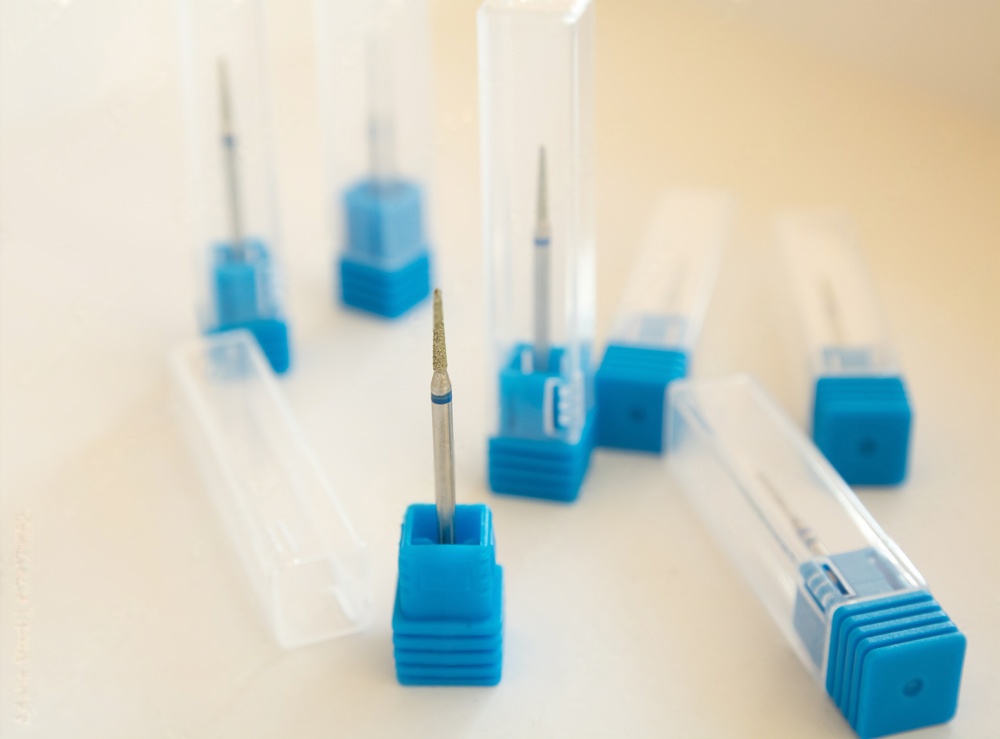
Diamond burs remain among the most widely used rotary instruments in dentistry. From crown preparations to composite finishing, these instruments handle tasks that demand both precision and durability. But the diamond burs available today are markedly different from those manufactured even a decade ago. Improvements in coating science, manufacturing processes, and material engineering have produced instruments that cut faster, last longer, and generate less heat during use.
This guide covers the most significant advances in diamond bur technology, with practical guidance on how each development affects clinical and laboratory workflows.
Advanced Diamond Coatings for Extended Bur Life
One of the most impactful developments in diamond bur technology has been the introduction of advanced coating systems. Traditional electroplated diamond burs bond a single layer of diamond particles to a metal shank using a nickel matrix. While effective, this design means the bur loses cutting efficiency as that single layer wears down.
Newer coating approaches address this limitation in several ways:
- Multi-layer diamond bonding applies diamond particles in several stacked layers, so fresh cutting surfaces are exposed as outer layers wear away. This can extend the usable life of a bur by 2 to 3 times compared to single-layer designs.
- Chemical vapor deposition (CVD) grows a continuous diamond film directly onto the bur substrate. CVD-coated burs offer exceptional hardness and uniform cutting performance across the entire working surface.
- Titanium nitride coatings are sometimes applied over the diamond layer to reduce friction and heat buildup during high-speed cutting. These coatings also provide a visual indicator of wear, since the gold-colored layer disappears as the bur is used.
For dental professionals who track per-procedure instrument costs, these longer-lasting burs can significantly reduce supply expenses over time.
Laser Etching and Precision Manufacturing
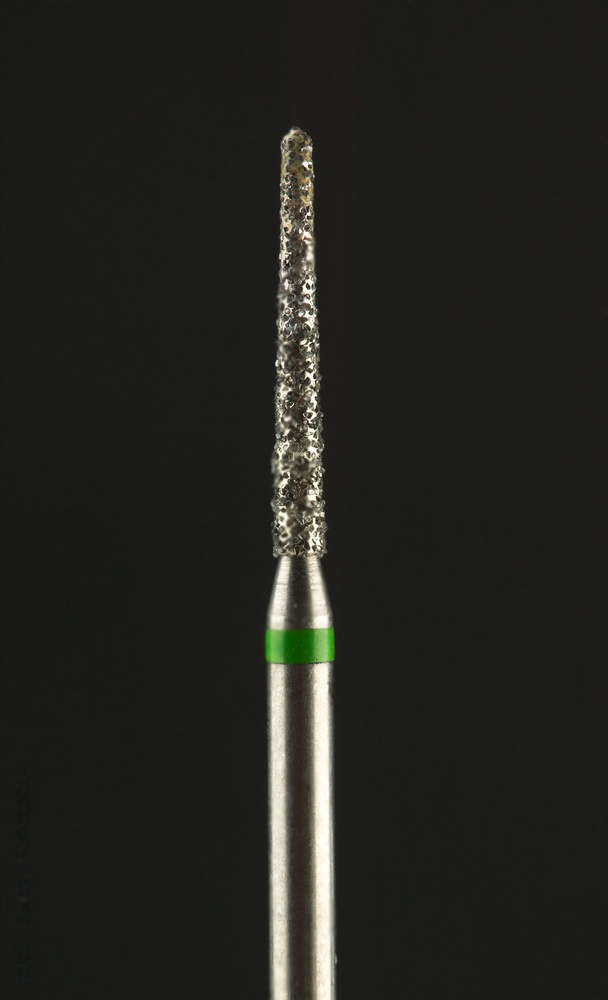
Laser technology has opened new possibilities for diamond bur design. Rather than relying solely on particle bonding, manufacturers now use industrial lasers to etch microscopic patterns directly into bur surfaces. These patterns serve specific functional purposes:
- Debris channeling: Laser-cut grooves create pathways that direct cutting debris away from the working surface. This prevents clogging and maintains consistent cutting performance throughout a procedure.
- Heat dissipation: Patterned surfaces increase the total surface area of the bur, allowing heat to dissipate more effectively. Lower operating temperatures mean less risk of thermal injury to pulp tissue.
- Controlled aggression: By varying the depth and spacing of etched patterns, manufacturers can fine-tune how aggressively a bur cuts. This gives clinicians more predictable material removal rates.
Laser-etched burs are particularly useful for procedures where temperature control is critical, such as preparations on vital teeth or adjustments to ceramic restorations.
Comparing Laser-Etched vs. Traditional Diamond Burs
| Feature | Traditional Electroplated | Laser-Etched |
|---|---|---|
| Cutting consistency | Decreases as particles shed | Remains stable over time |
| Heat generation | Moderate to high | Reduced by debris channels |
| Surface finish quality | Good | Excellent, more uniform |
| Cost per unit | Lower initial cost | Higher, offset by longer life |
Expanded Shapes and Grit Options
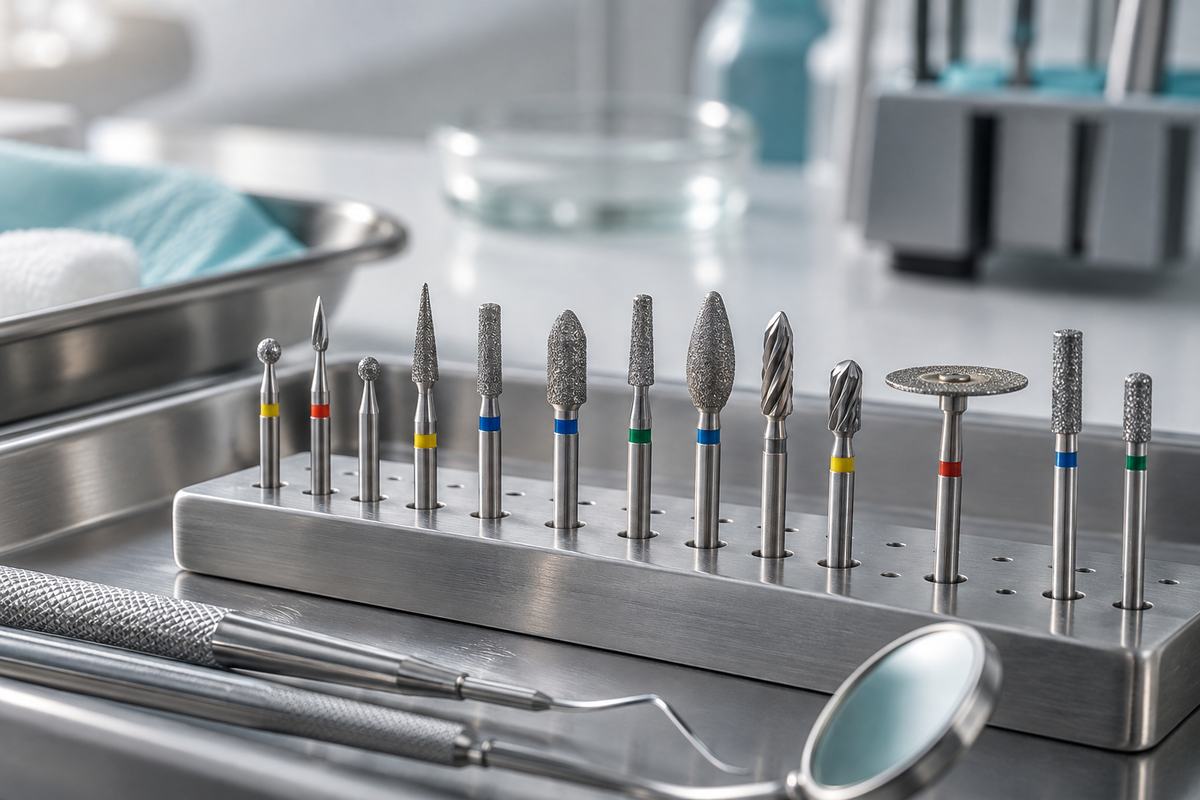
The range of available diamond bur geometries has grown substantially. While standard shapes like round, flame, and tapered cylinder remain the foundation, manufacturers now offer specialized profiles designed for specific clinical situations:
- Football-shaped burs for occlusal surface reduction with minimal risk of over-preparation at margins
- Needle-point burs for precise interproximal work and creating defined line angles
- Beveled cylinder burs that produce chamfer margins in a single pass, reducing preparation time
- Modified torpedo shapes designed specifically for zirconia and lithium disilicate adjustments
Grit selection has also become more refined. Most manufacturers now offer at least four grit levels, from super-coarse for bulk reduction to ultra-fine for final polishing. Using a systematic progression from coarse to fine grits produces smoother surface finishes and reduces the need for separate polishing steps.
Browse the full selection of diamond dental burs to find the right shape and grit for your procedures.
Sintered Diamond Burs: A Different Approach
While electroplated burs dominate the market, sintered diamond burs represent an alternative manufacturing method worth understanding. In sintered burs, diamond particles are mixed throughout the metal matrix rather than bonded only to the surface. As the outer layer wears, fresh diamond is continuously exposed.
This design makes sintered burs particularly well-suited for:
- Laboratory work involving hard materials like zirconia and pressed ceramics
- Procedures requiring sustained cutting over longer durations
- Applications where consistent grit exposure is more important than initial cutting speed
For a detailed comparison, see our article on sintered vs. electroplated diamond burs.
Eco-Friendly and Sustainable Manufacturing
Environmental considerations are increasingly influencing dental product development, and diamond burs are no exception. Several manufacturers have introduced changes aimed at reducing the environmental footprint of bur production:
- Recycled metal substrates: Using reclaimed stainless steel for bur shanks reduces the demand for newly mined raw materials.
- Lab-grown diamond particles: Synthetic diamonds produced in controlled environments require less energy than mining natural diamonds and eliminate the environmental disruption associated with extraction.
- Reduced packaging: Shifting from individual plastic tubes to recyclable multi-bur trays cuts plastic waste significantly.
- Extended-life designs: Burs that last longer inherently produce less waste, since fewer units are consumed and discarded over time.
These changes do not require any sacrifice in cutting performance. In many cases, the same engineering improvements that increase bur longevity also reduce material waste.
Selecting Diamond Burs for Common Procedures
Choosing the right diamond bur depends on the material being cut, the precision required, and the stage of the procedure. Here is a practical reference:
| Procedure | Recommended Grit | Suggested Shape |
|---|---|---|
| Crown preparation (bulk) | Coarse (125-150 micron) | Tapered cylinder |
| Crown preparation (margin) | Fine (30-40 micron) | Chamfer or beveled |
| Composite finishing | Ultra-fine (10-20 micron) | Flame or egg |
| Zirconia adjustment | Medium (70-100 micron) | Football or modified torpedo |
| Endodontic access | Coarse (125-150 micron) | Round |
Maintenance and Storage Best Practices
Even the most advanced diamond bur will underperform if it is poorly maintained. Following a consistent care routine protects your investment and ensures reliable results:
- Clean immediately after use. Ultrasonic cleaning with an enzymatic solution removes debris from between diamond particles more effectively than manual scrubbing.
- Inspect under magnification. A quick check with loupes or a bench magnifier reveals diamond loss, bent shanks, or other damage that affects performance.
- Sterilize according to manufacturer guidelines. Most diamond burs tolerate standard autoclave cycles, but excessive temperature or pressure can weaken bonding agents.
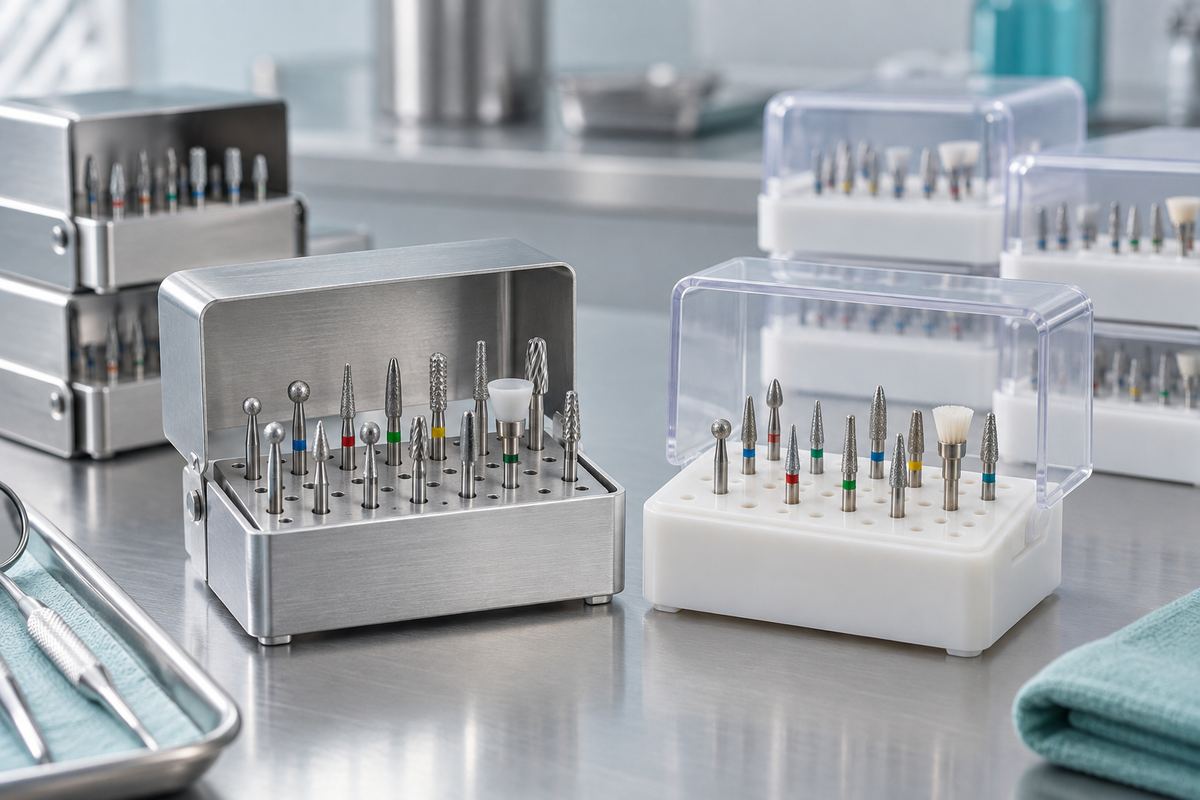
- Store in organized bur blocks. Keeping burs separated prevents diamond surfaces from contacting each other and causing premature wear.
- Replace on schedule. Even multi-use burs have a finite lifespan. Track usage and retire burs before they compromise preparation quality.
For more detailed instrument care guidance, read our guide on keeping your burs and discs in top condition.
What to Expect Next in Diamond Bur Development
Research into nanostructured diamond coatings, hybrid bonding systems, and application-specific geometries continues at a steady pace. Early results suggest that next-generation coatings could further double the working life of high-speed burs while maintaining the same cutting precision dentists expect today. For practicing dentists and laboratory technicians, the practical takeaway is straightforward: modern diamond burs are measurably better instruments than their predecessors, and understanding the differences between available options helps you select the right tool for each clinical situation.
Whether you are outfitting a new practice or updating your existing instrument inventory, investing in current-generation diamond bur technology pays dividends in procedural efficiency, patient comfort, and long-term cost management.