Blog
Dental bur guides and manufacturing notes — practical references for clinics, labs, distributors, and OEM partners.
Dental bur guides and manufacturing notes — practical references for clinics, labs, distributors, and OEM partners.

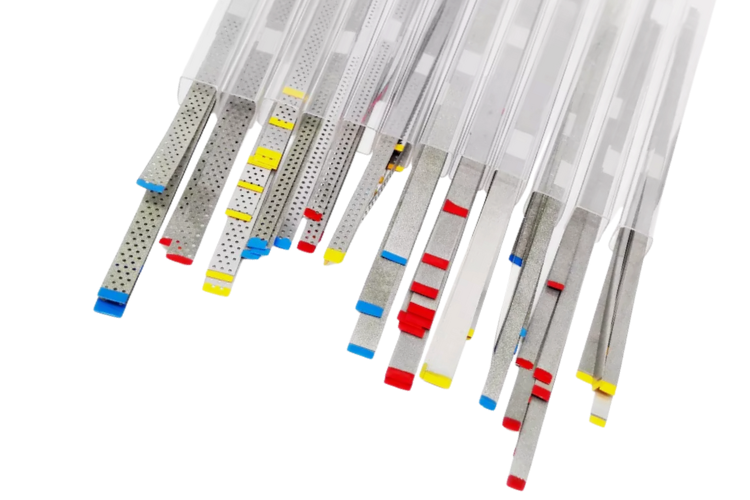
Diamond finishing strips provide precise interproximal reduction and smooth enamel polishing. Learn about grit types, technique, and best practices for IPR.
Read More
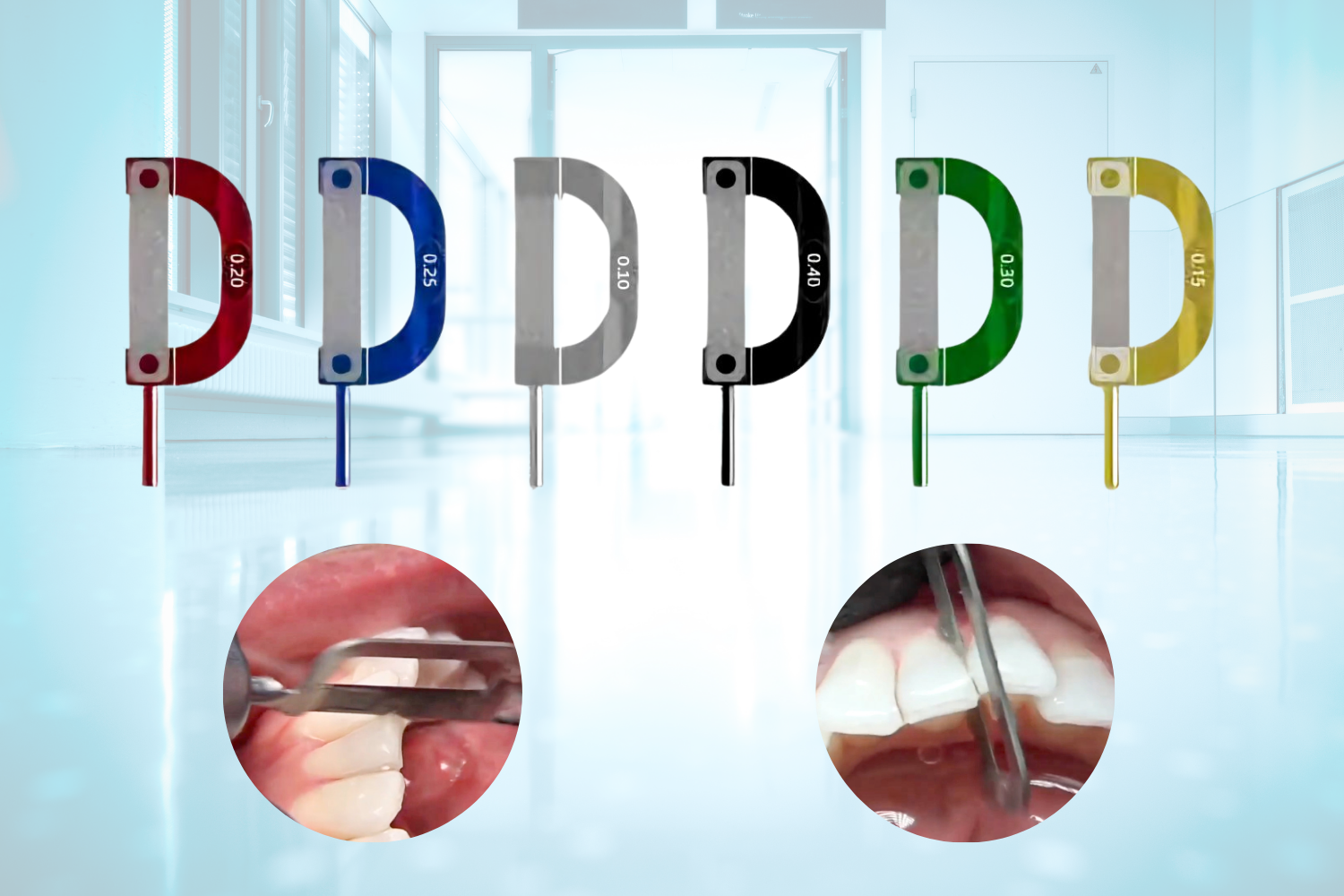
Learn how diamond ortho strips are used for interproximal reduction (IPR) in orthodontics. Explore strip sizes, grit coding, and step-by-step usage tips.
Read More
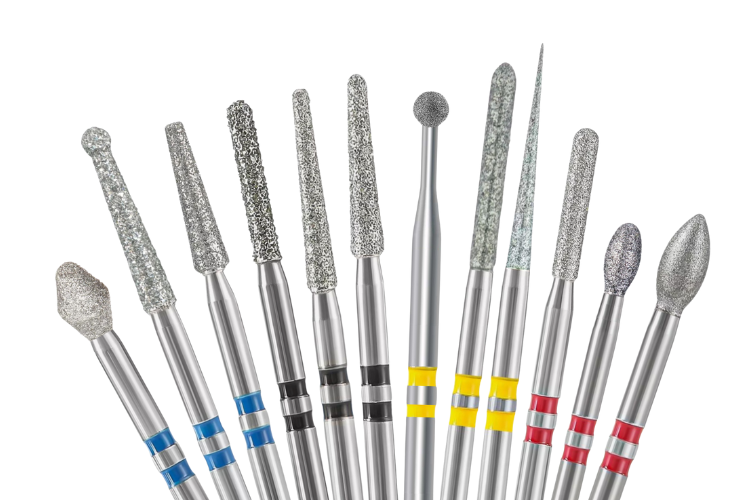
Zirconia diamond burs deliver faster cutting, longer tool life, and superior precision for dental labs and clinics working with zirconia restorations.
Read More
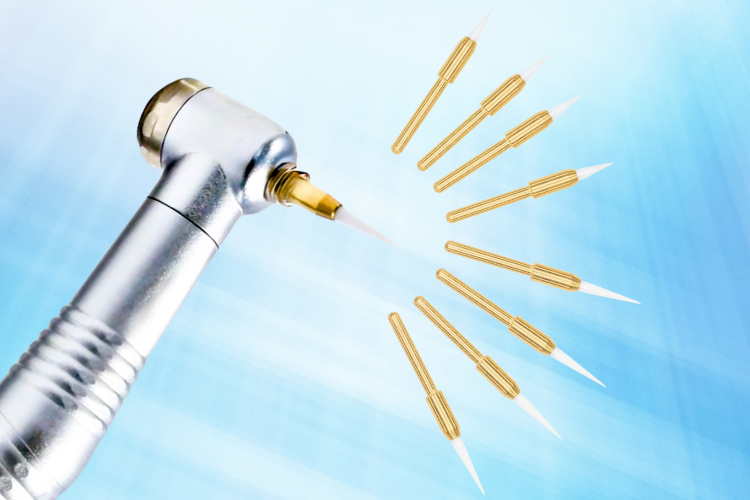
Learn how ceramic soft tissue trimmer burs reduce heat buildup, eliminate water cooling, and deliver precise gingival trimming for better patient outcomes.
Read More
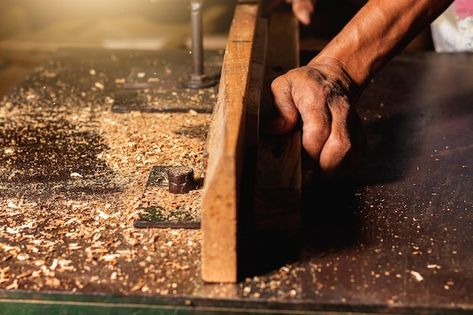
Learn how to choose the right diamond drill bits for wood carving. Covers bit shapes, grit sizes, speed settings, and practical techniques for beginners.
Read More