
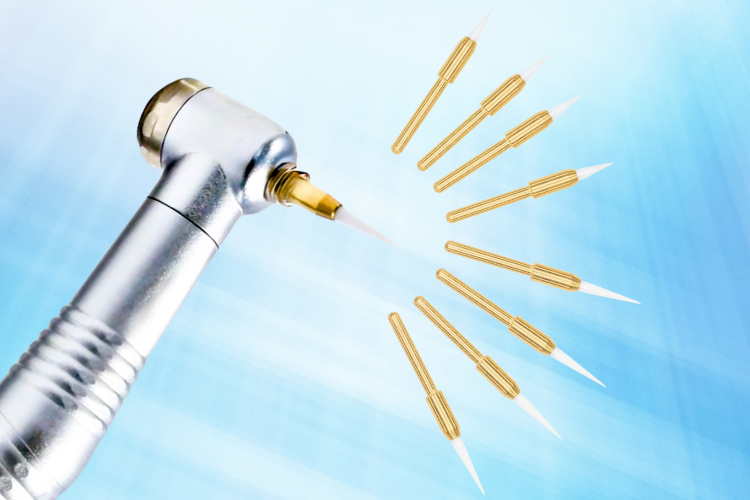
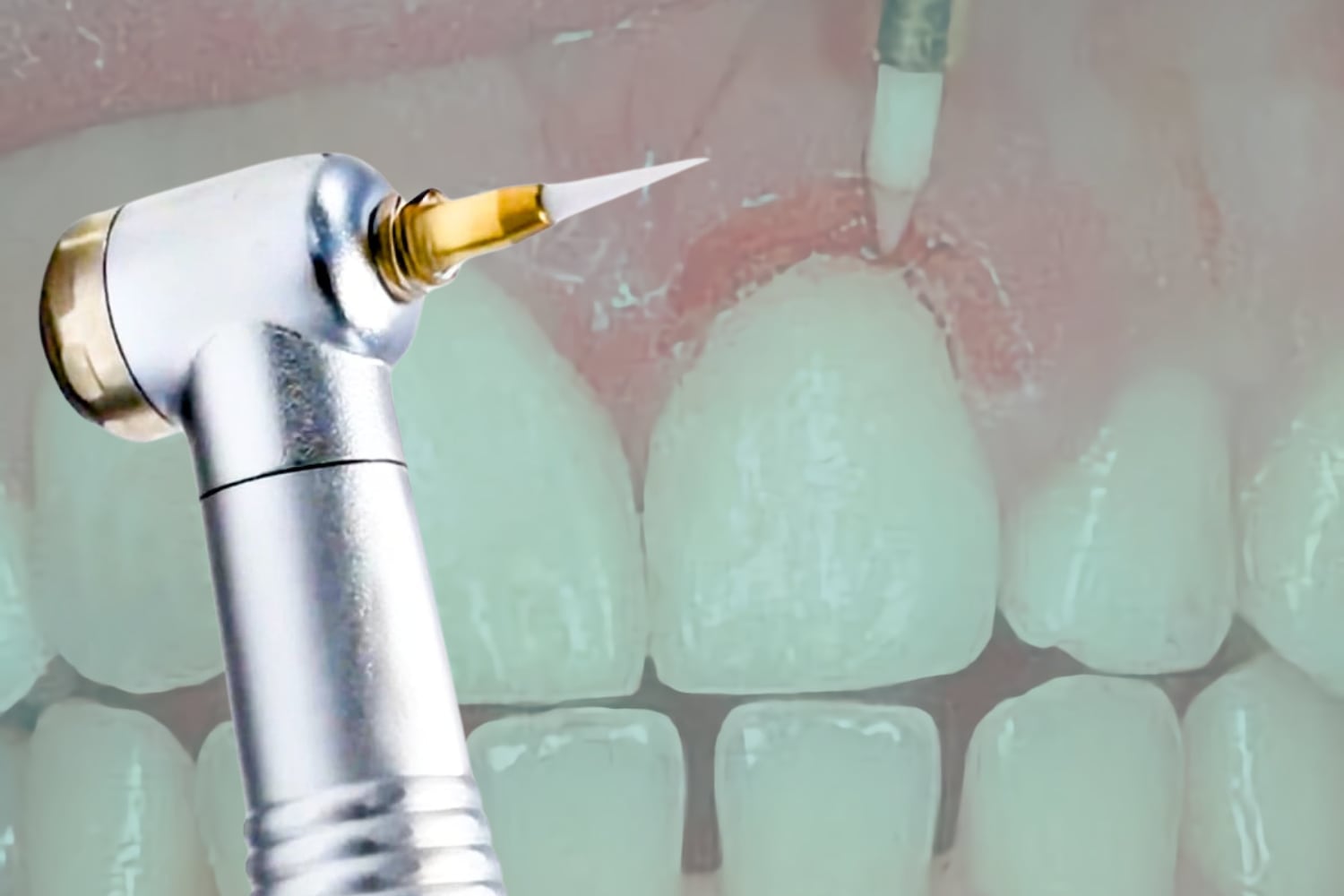
Soft tissue management is a routine part of restorative, prosthetic, and implant dentistry. Traditional steel or carbide burs generate significant heat during gingival trimming, which means constant water irrigation and reduced visibility. The ceramic soft tissue trimmer bur solves both problems at once: its ceramic coating dissipates heat so effectively that water cooling becomes unnecessary, giving clinicians a clear, dry operating field and a gentler experience for patients.
This article explains how ceramic soft tissue trimmer burs work, what sets them apart from conventional options, and how to integrate them into everyday practice.
How a Ceramic Soft Tissue Trimmer Works
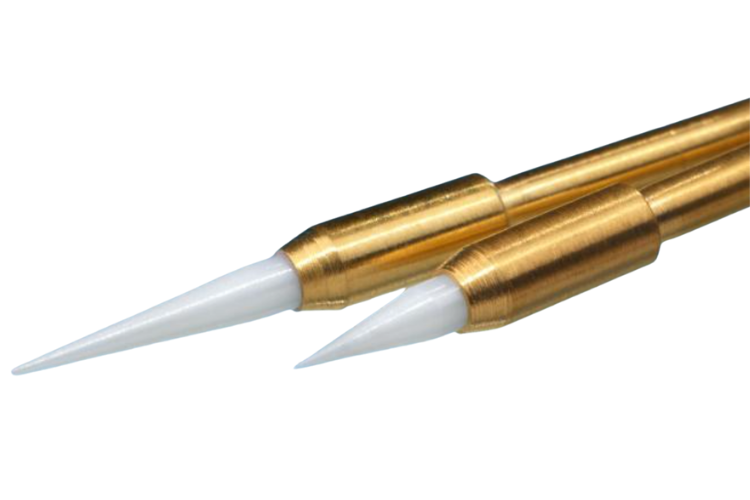
A ceramic soft tissue trimmer bur features a zirconia-based ceramic coating bonded to a metal shank. Ceramic is a poor thermal conductor, so friction-generated heat stays at the cutting surface rather than transferring into surrounding gingival tissue. The result is a bur that cuts soft tissue cleanly at standard handpiece speeds without the thermal spikes that cause tissue blanching or necrosis.
Because the ceramic layer is extremely hard yet smooth, it produces less vibration than diamond-grit or cross-cut carbide alternatives. That translates into finer incision margins and less post-operative swelling.
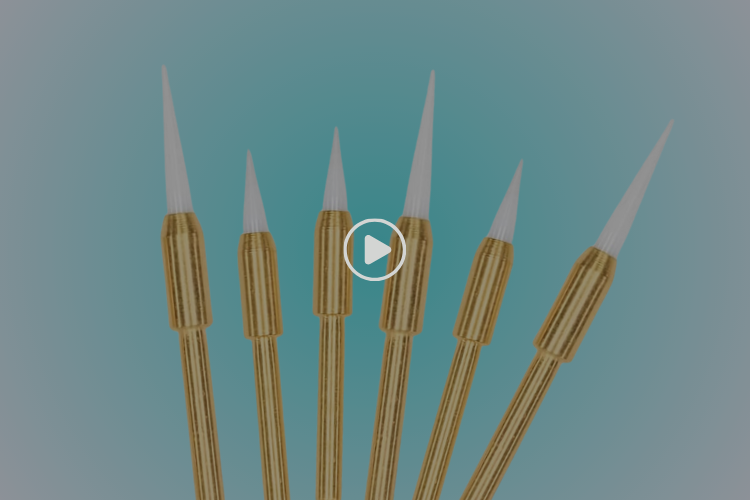
Key Advantages Over Conventional Burs
No Water Cooling Required
Water spray is the standard method for managing heat during bur use. However, water obscures the surgical site, increases aerosol production, and complicates infection control. The ceramic soft tissue trimmer bur operates dry, so you maintain full visual access to the tissue margin throughout the procedure. This is especially useful during crown lengthening, gingivectomy, and implant uncovering where precision matters most.
Low Heat Buildup
Excessive thermal energy is the primary cause of iatrogenic tissue damage during soft tissue procedures. Independent testing shows that ceramic-coated burs keep surface temperatures well below the 47 degrees Celsius threshold associated with irreversible cell damage, even at continuous operation for several seconds. Patients report noticeably less post-operative discomfort compared to procedures performed with steel or diamond burs.
Long Service Life
The ceramic coating resists wear far better than electroplated diamond grit, which can shed particles after repeated sterilization cycles. A single ceramic soft tissue trimmer bur typically lasts through dozens of procedures before cutting efficiency declines, reducing per-procedure instrument cost significantly.
Precise, Smooth Cutting
The fine ceramic edge produces clean incisions with minimal tissue tearing. This matters because ragged tissue margins heal more slowly and are more prone to secondary infection. Smoother cuts lead to faster re-epithelialization and more predictable gingival contours after healing.
Clinical Applications
Ceramic soft tissue trimmer burs are suitable for a wide range of soft tissue procedures. The table below outlines common applications and how the ceramic bur performs in each scenario.
| Procedure | Benefit of Ceramic Bur |
|---|---|
| Gingivectomy | Dry field improves visibility; low heat reduces bleeding |
| Crown lengthening | Precise margin control without water interference |
| Implant uncovering | Gentle tissue removal protects healing abutment site |
| Gingival contouring | Smooth cuts yield predictable tissue architecture |
| Overgrown tissue removal | Efficient bulk removal without charring |
| Operculectomy | Minimal thermal damage to surrounding tissue |
Step-by-Step Usage Guide
Follow these steps for optimal results when using a ceramic soft tissue trimmer bur.
- Select the correct bur size. Match the bur diameter to the area of tissue you need to trim. Smaller diameters work best for interproximal areas; larger sizes suit broad gingival recontouring.
- Attach the bur to your handpiece. Ceramic soft tissue trimmers use a standard FG (friction grip) shank compatible with high-speed handpieces. Confirm the bur is seated firmly before activating. For help with shank compatibility, see our guide on dental bur shank types.
- Set appropriate speed. Operate at medium-to-high speed (around 200,000 RPM) with light, brushing strokes. Let the ceramic edge do the work rather than pressing hard against tissue.
- Trim with controlled movements. Use short, sweeping passes along the tissue margin. Avoid staying in one spot for extended periods, even though heat buildup is minimal.
- Inspect and refine. After the initial trim, rinse the site with saline and evaluate the tissue contour. Make final adjustments with light touch-up passes as needed.
Ceramic vs. Diamond vs. Carbide for Soft Tissue
Dentists often ask how ceramic burs compare with diamond dental burs and tungsten carbide burs for soft tissue work. Here is a practical comparison.
| Feature | Ceramic | Diamond | Carbide |
|---|---|---|---|
| Heat generation | Very low | Moderate to high | Moderate |
| Water cooling needed | No | Yes | Yes |
| Cut quality on soft tissue | Smooth, clean | Can tear tissue | Clean but generates heat |
| Durability | High | Moderate (grit loss) | High |
| Sterilization tolerance | Excellent | Good | Excellent |
| Cost per procedure | Low (long lifespan) | Medium | Medium |
For hard tissue preparation such as enamel or dentin cutting, diamond and carbide burs remain the standard. But for dedicated soft tissue trimming, the ceramic option outperforms both on heat management, visibility, and patient comfort.
Care, Sterilization, and Storage
Ceramic soft tissue trimmer burs tolerate standard autoclave sterilization at 134 degrees Celsius without degradation of the ceramic layer. After each use, remove debris with an ultrasonic cleaner or brush before autoclaving. Store burs in a ventilated bur block to prevent moisture retention. For more on instrument maintenance, read our article about sterilization guidelines for dental burs.
Inspect the ceramic coating before each use. If you notice chips, exposed metal, or reduced cutting efficiency, replace the bur. A damaged coating can generate more heat than intended and compromise cut quality.
Ceramic Burs vs. Electrosurgery for Soft Tissue
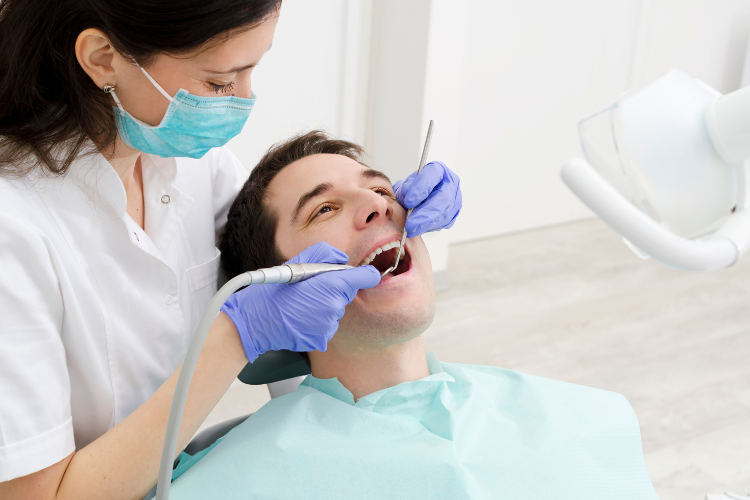
Many dental offices use electrosurgery units for soft tissue management. While electrosurgery is effective for larger tissue removal, it produces thermal lateral damage that can delay healing and cause post-operative pain. Electrosurgery also requires special equipment, generates smoke plume that must be evacuated, and carries a risk of electrical burns if the grounding pad is improperly placed.
Ceramic soft tissue trimmer burs offer a simpler alternative for minor soft tissue procedures. There is no additional equipment beyond the standard handpiece, no smoke plume to manage, and no risk of electrical injury. The controlled mechanical cutting action of a ceramic bur produces less lateral thermal damage than electrosurgery, which often results in faster healing and less patient discomfort during the recovery period.
For procedures that require only a small amount of tissue removal, such as uncovering an implant or trimming a minor gingival overgrowth, the ceramic bur is often the faster and safer choice. Reserve electrosurgery for situations that require hemostasis of larger vessels or removal of significant tissue volume.
Who Benefits Most from Ceramic Soft Tissue Trimmers
General dentists, periodontists, prosthodontists, and oral surgeons all find value in ceramic soft tissue trimmers. The dry-field advantage is particularly helpful for practitioners who work without a dental assistant, since there is no suction or water spray to manage. Dental laboratories and training institutions also use these burs for model trimming and educational demonstrations.
For distributors and wholesalers, the ceramic soft tissue trimmer product line offers strong margins and growing demand as more clinicians move away from electrosurgery for minor tissue management tasks. Bulk ordering options make it practical to stock multiple sizes for different clinical needs.
Frequently Asked Questions
Can ceramic burs be used on hard tissue?
No. Ceramic soft tissue trimmers are designed exclusively for gingival and mucosal tissue. Using them on enamel, dentin, or bone will damage the ceramic coating and produce poor results.
Do ceramic burs fit standard handpieces?
Yes. Most ceramic soft tissue trimmer burs use the FG (friction grip) shank, which is compatible with all standard high-speed dental handpieces. If you experience issues, consult your handpiece manufacturer or review common handpiece troubleshooting steps.
How many uses can I expect per bur?
With proper care, a ceramic soft tissue trimmer bur can last 30 to 50 procedures depending on the extent of tissue removal per case. Monitor cutting performance and replace the bur when you notice increased resistance or rougher tissue margins.
Is the ceramic coating safe for patients?
Yes. The zirconia-based ceramic used in these burs is biocompatible and widely used in dental restorations and implant components. No adverse tissue reactions have been reported with ceramic-coated trimming instruments.