What Are CAD/CAM Milling Burs?
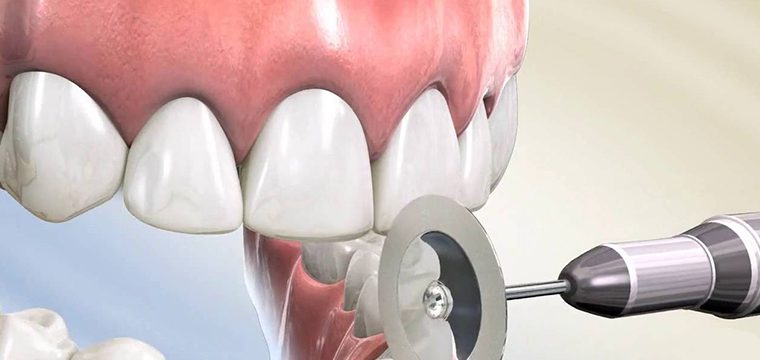
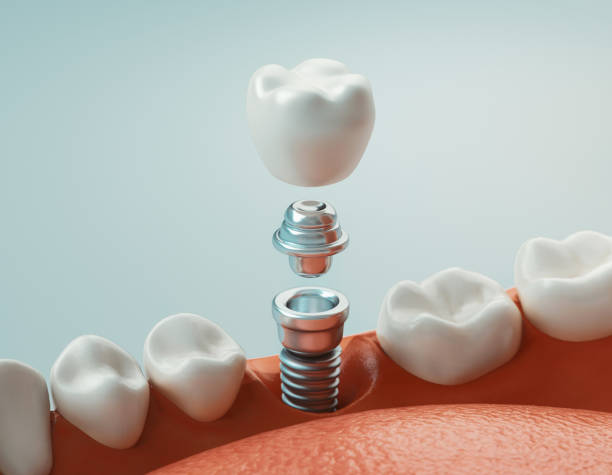
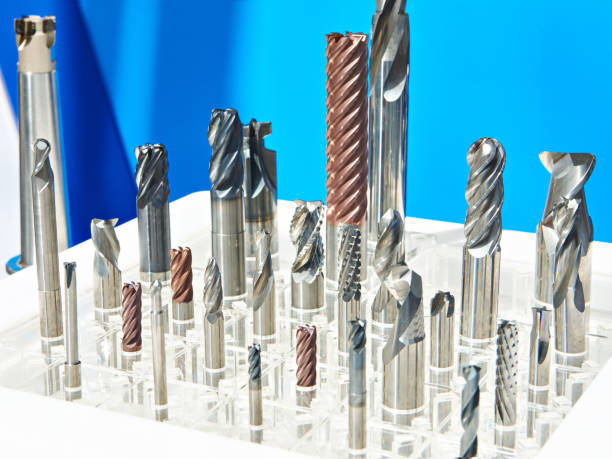
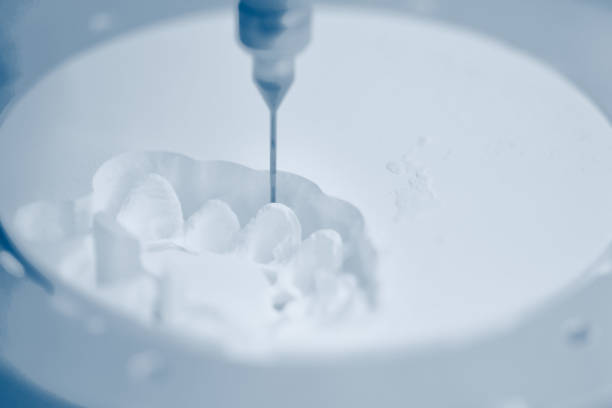
CAD/CAM milling burs are precision cutting tools used in computer-aided design and computer-aided manufacturing systems to mill dental restorations from solid blocks of material. These burs rotate at high speed inside a milling machine, carving crowns, bridges, inlays, onlays, and veneers from blocks of zirconia, lithium disilicate, PMMA, composite resin, and wax.
The shift from traditional hand-crafted restorations to digitally milled prosthetics has transformed dental laboratories and chairside workflows. Milling burs sit at the center of this process. Their geometry, material composition, and condition directly affect the accuracy, surface quality, and fit of every restoration that comes off the machine.
Materials Used in Milling Burs
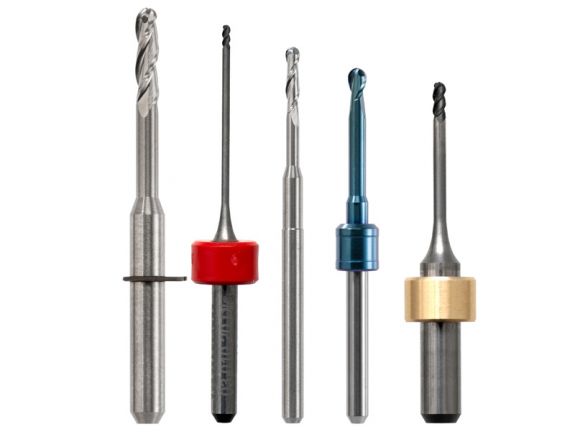
The material a milling bur is made from determines its cutting ability, wear resistance, and suitability for different restoration materials. The two primary categories are carbide burs and diamond-coated burs.
Carbide Milling Burs
Tungsten carbide burs are the workhorse of most milling systems. They feature a solid carbide body with precisely ground cutting flutes. Carbide burs excel at milling softer materials such as PMMA, wax, and composite resin. They produce clean cuts with minimal chipping and can be resharpened in some systems, extending their working life.
For harder materials like pre-sintered zirconia, carbide burs still perform well because zirconia in its pre-sintered (green) state is relatively soft. The bur removes material efficiently, and the restoration is then sintered in a furnace to reach full hardness.
Diamond-Coated Milling Burs
Diamond burs use industrial diamond particles bonded to a metal shaft. They are the preferred choice for milling fully sintered zirconia, lithium disilicate (e.max), and glass ceramics. These materials are extremely hard and would wear out carbide burs quickly. The diamond coating provides the abrasion needed to grind through these tough ceramics without excessive heat generation.
Diamond milling burs typically cost more than carbide alternatives but are necessary for hard ceramic workflows. Their lifespan depends on the material being milled, the machine settings, and the coolant delivery system.
How Milling Burs Affect Restoration Quality
The condition and type of milling bur have a measurable impact on the finished restoration. Understanding these effects helps lab technicians and dentists produce better outcomes.
Marginal Fit and Accuracy
Worn milling burs produce restorations with poor marginal adaptation. As the cutting edges dull, the bur deflects under load instead of cutting cleanly. This deflection causes dimensional errors, particularly at thin margins and in areas with fine detail. Studies have shown that bur wear beyond recommended limits can increase marginal gaps by 30 to 50 microns, enough to affect the clinical fit of a crown.
Surface Finish
Sharp burs produce smoother milled surfaces that require less post-processing. A rough milled surface means more time spent with diamond dental burs and polishers in the finishing stage. For monolithic zirconia restorations that will not receive a porcelain overlay, the milled surface quality is especially important because it directly affects the final polish and aesthetics.
Chipping and Fracture Risk
Dull or incorrectly matched burs increase the risk of chipping brittle materials like lithium disilicate and glass ceramic. Micro-cracks introduced during milling may not be visible but can propagate under occlusal loading after cementation, leading to premature restoration failure.
Selecting Milling Burs for Common Materials
Different restoration materials demand specific bur types and machine parameters. Here is a breakdown of the most commonly milled materials and the bur recommendations for each.
| Material | Bur Type | Key Considerations |
|---|---|---|
| Pre-sintered zirconia | Carbide | Moderate speed, light feed pressure, dry or minimal coolant |
| Fully sintered zirconia | Diamond | High-speed spindle required, constant water coolant |
| Lithium disilicate (e.max) | Diamond | Slow feed rate, heavy coolant to prevent thermal shock |
| PMMA / composite resin | Carbide | High feed rate possible, single-flute burs reduce melting |
| Wax | Carbide | Low speed, sharp burs to prevent wax from sticking |
System Compatibility
Milling burs are designed for specific CAD/CAM systems. The shank diameter, overall length, and geometry must match the machine specifications exactly. Using a bur from one system in another can damage the spindle, produce inaccurate restorations, or cause the bur to break mid-cycle. Always verify compatibility with your machine manufacturer before purchasing replacement burs.
Milling Bur Maintenance and Replacement
Proper maintenance extends bur life and keeps restoration quality consistent. Neglecting bur care is one of the most common causes of poor milling results in dental labs.
Cleaning After Each Use
Remove milling debris from bur flutes after every session. Caked-on material reduces cutting efficiency and generates excess heat. Use a soft brass brush for carbide burs and an ultrasonic cleaner for diamond burs. Avoid steel brushes on diamond-coated burs, as they can strip the diamond layer.
Tracking Bur Usage
Most manufacturers specify a maximum number of milling cycles or hours of use for each bur. Track usage with a logbook or the software built into your milling machine. Replace burs before they reach the wear limit, not after you notice quality problems. By the time a worn bur produces a visibly poor restoration, it has likely been producing sub-optimal results for several cycles already.
Visual Inspection
Inspect burs under magnification before each session. Look for chipped cutting edges, worn diamond coating (shiny spots where diamond has been lost), and any bending or runout in the shank. A bur with visible damage should be replaced immediately regardless of its logged usage count.
The Role of 3D Printing Alongside Milling
3D printing has entered the dental restoration workflow as a complement to milling rather than a replacement. Printers excel at producing surgical guides, temporary restorations, denture bases, and wax-up models. However, for definitive restorations in zirconia, lithium disilicate, and other high-strength ceramics, milling remains the standard because these materials cannot be 3D printed with current technology.
Many labs now use a hybrid approach: 3D printing for models and temporaries, and CAD/CAM milling burs for final restorations. This combination maximizes efficiency while maintaining the material properties required for long-term clinical success.
Cost Considerations and Return on Investment
Milling burs represent a recurring cost for any lab or practice running a CAD/CAM system. While it may be tempting to stretch bur life beyond the recommended limit, the downstream costs of poor restorations (remakes, adjustments, patient dissatisfaction) far outweigh the price of timely bur replacement.
Budgeting for Bur Replacement
- Calculate the average number of restorations per bur set for your specific material mix
- Factor bur costs into per-unit restoration pricing
- Keep a minimum stock of one spare bur set to avoid production downtime
- Compare third-party burs against OEM options, but always verify quality with test mills first
When Third-Party Burs Make Sense
Several reputable manufacturers produce compatible milling burs at a lower price point than OEM options. These can be a good choice for high-volume labs, provided the burs meet the same dimensional tolerances and material specifications. Run a test batch and measure the marginal fit before committing to a full order.
Looking Ahead: What Is Changing in Milling Technology
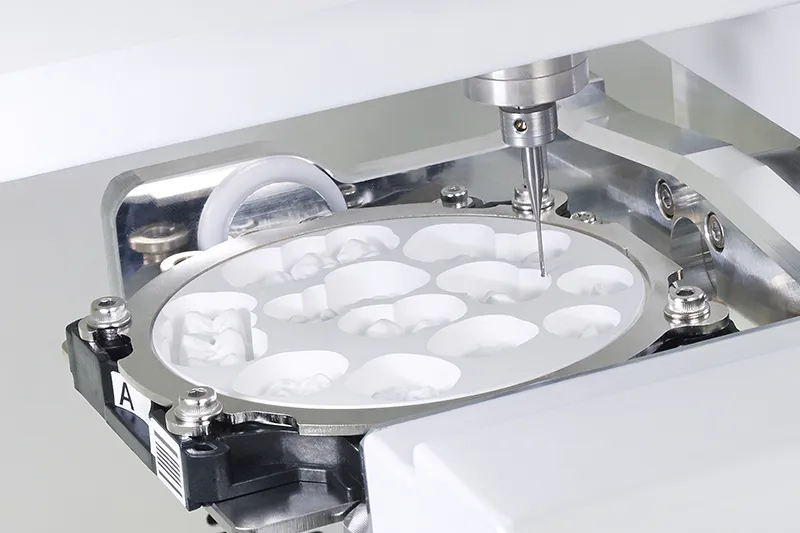
Milling machines are becoming faster, more compact, and capable of working with a wider range of materials. Five-axis milling is now standard in many systems, allowing more complex geometries and better undercut handling. Bur manufacturers are responding with new coatings, tighter tolerances, and burs optimized for specific machine kinematics.
For dental professionals looking to stay current, investing in quality milling burs and following a disciplined maintenance schedule is one of the simplest ways to improve restoration output. For more on selecting the right burs for your practice, read our guide on milling bur usage and maintenance.