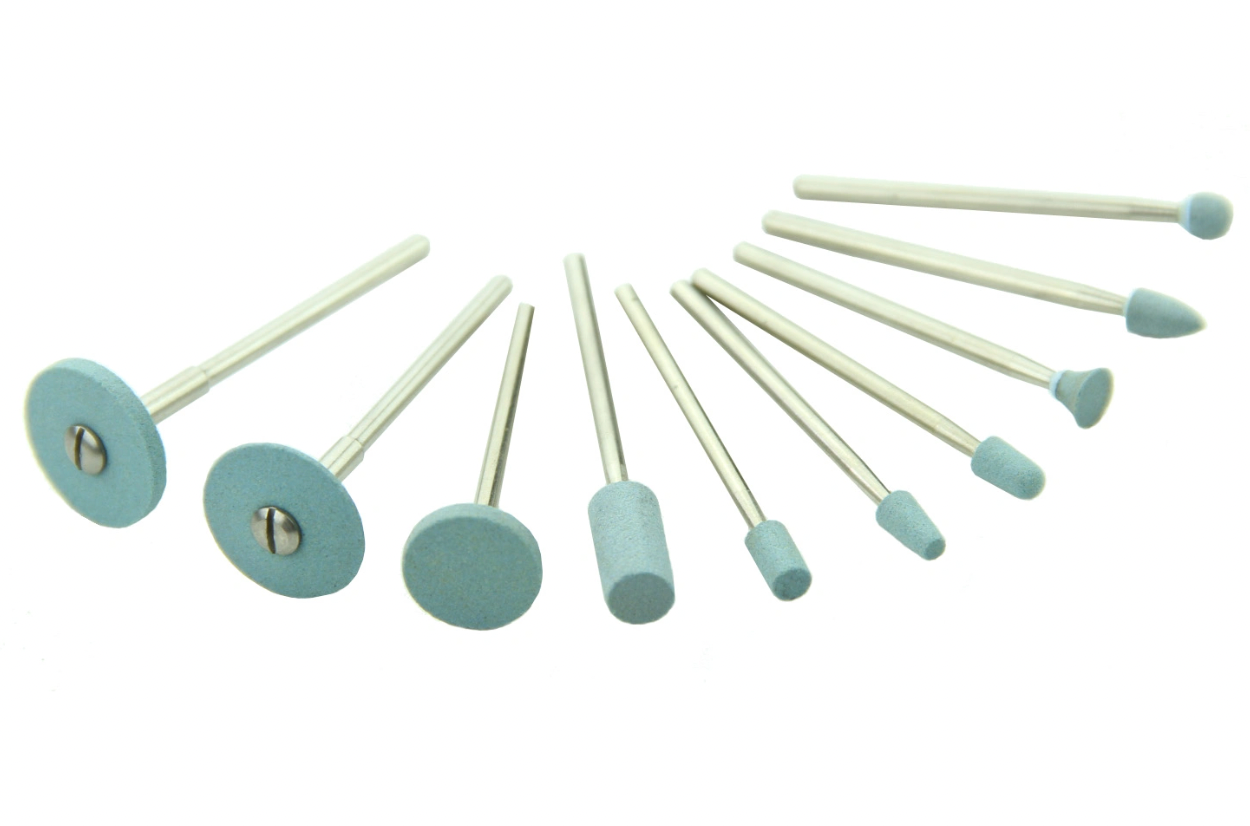
Diamond stones have become the preferred finishing and polishing instrument for dental professionals working with zirconia and all-ceramic restorations. Their hardness, consistency, and long service life make them a practical upgrade over conventional abrasive points. This guide covers the main benefits of diamond stones, how to select the right type for each clinical situation, and tips for getting the best results in everyday practice.
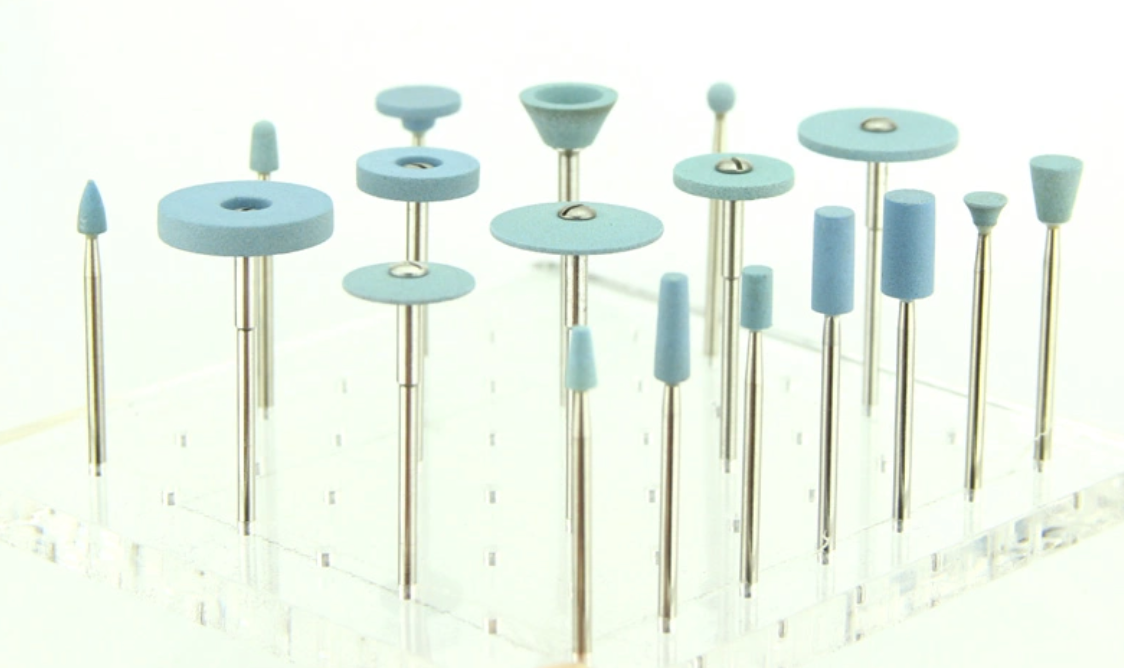
What Are Diamond Stones?
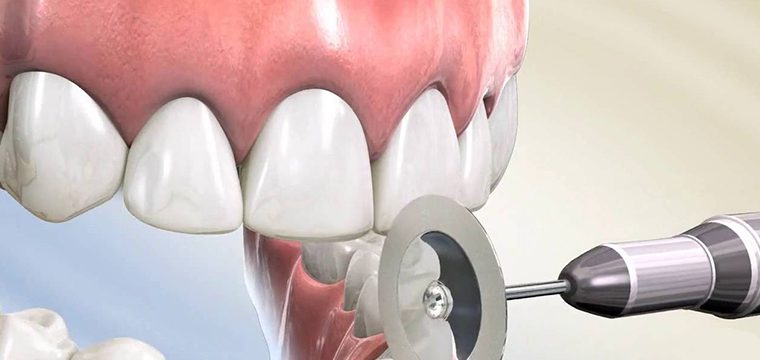
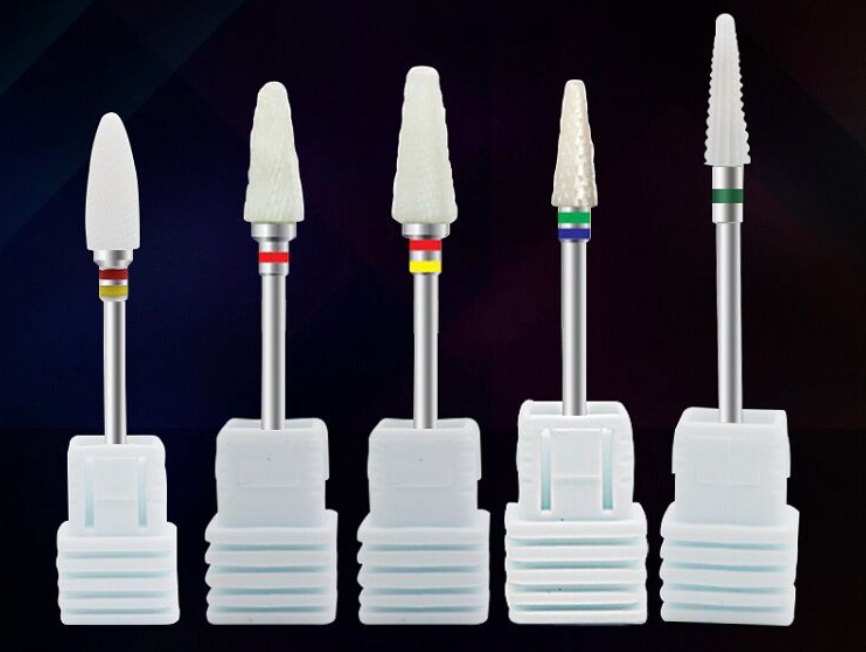
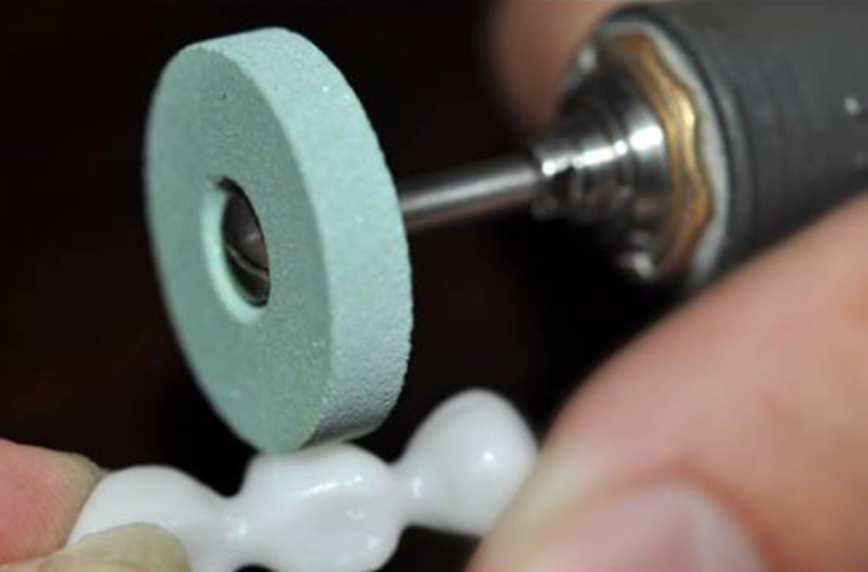
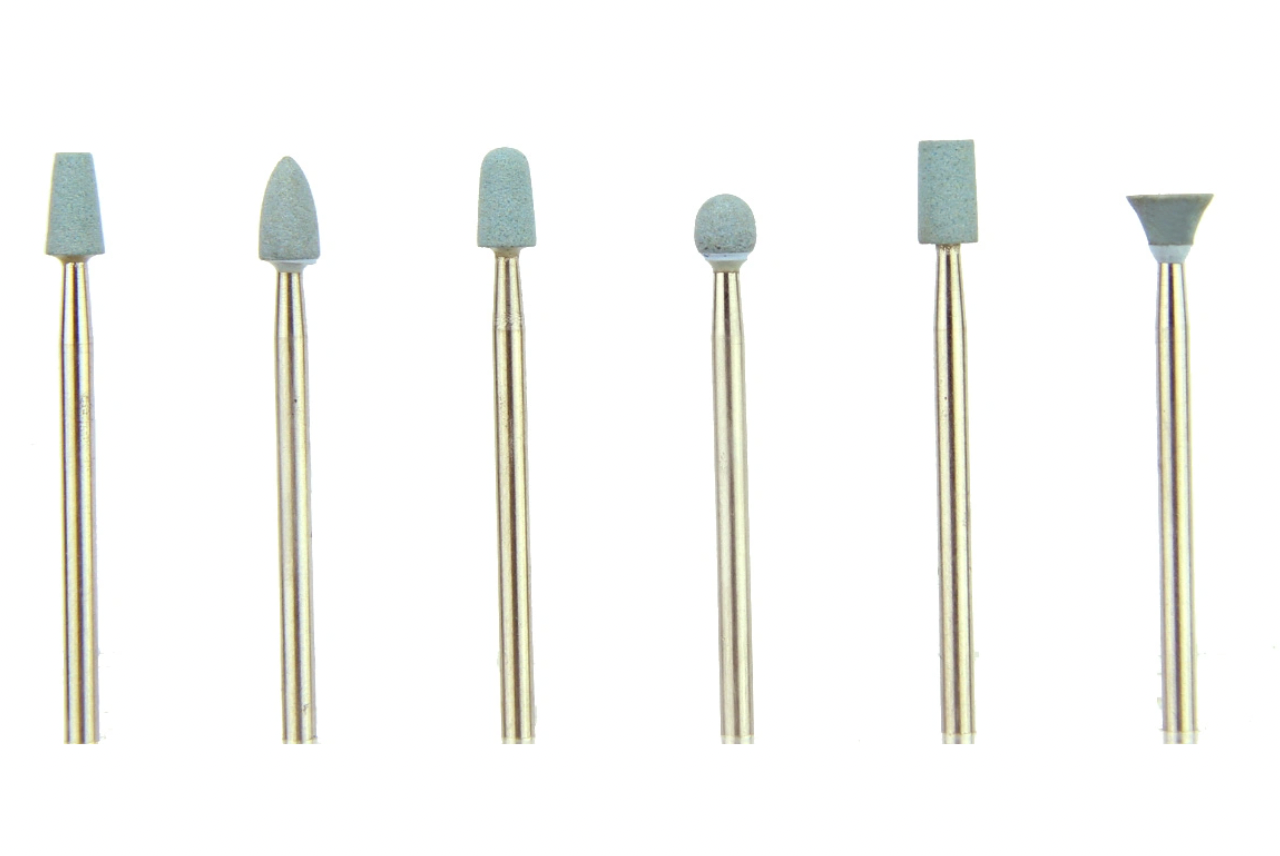
Diamond stones are rotary instruments embedded with industrial diamond particles bonded to a metal or resin body. Unlike disposable abrasive points, the diamond grit is permanently attached through sintering or electroplating, which gives the instrument a much longer working life. They are available in a range of shapes — flame, egg, cylinder, wheel, and disc — and grit sizes from extra-coarse to ultra-fine.
Because diamond is the hardest known material, these stones cut and smooth zirconia and lithium disilicate with minimal effort. This property is especially important when adjusting high-strength ceramics chairside, where softer abrasives would wear out quickly or glaze over. The diamond particles also maintain their cutting edges longer than aluminum oxide or silicon carbide alternatives, which means more consistent performance from the first use to the last.
Key Advantages of Diamond Stones
1. Extended Service Life
A single diamond stone can last through dozens of adjustments before the grit wears noticeably. Traditional aluminum oxide or silicon carbide points often need replacement after just a few uses. Over time, this durability translates into lower consumable costs and fewer interruptions during procedures. Practices that adjust multiple zirconia crowns per day see the most significant savings, since each stone can handle a full day of adjustments without losing its effectiveness.
2. Consistent Cutting Efficiency
Diamond particles maintain a uniform cutting rate throughout the life of the stone. This predictability allows clinicians to remove material in controlled increments, reducing the risk of over-reduction on thin ceramic margins or occlusal surfaces. Unlike rubber-bonded abrasives that lose grit progressively and cut more slowly with each use, diamond stones deliver nearly the same performance on the fiftieth restoration as they do on the first.
3. Superior Surface Quality
When used in the correct sequence — from coarse adjustment to fine polishing — diamond stones produce a surface finish that rivals glazed porcelain. A well-polished zirconia surface resists plaque accumulation, reduces wear on opposing dentition, and looks more natural under clinical lighting. Studies have shown that polished zirconia can achieve surface roughness values below 0.2 micrometers, which is smooth enough to discourage bacterial adhesion.
4. Reduced Chair Time
Because diamond stones cut efficiently and produce a smooth finish in fewer steps, the total adjustment and polishing time per restoration is shorter. Patients benefit from less time in the chair, and the practice can see improved daily throughput. For a busy restorative practice seating four or five crowns a day, the time saved per case adds up to a meaningful increase in capacity over a month.
5. Versatility Across Materials
Diamond stones work on zirconia, lithium disilicate, feldspathic porcelain, composite resin, and hybrid ceramics. A single set of stones can handle most indirect restoration materials a practice encounters, simplifying inventory management. This versatility also reduces the learning curve for dental assistants who prepare instrument trays, since the same stone kit serves multiple procedure types.
Choosing the Right Grit for Each Task
Selecting the correct grit is the most important decision when working with diamond stones. The table below outlines the common grit categories and their clinical applications.
| Grit Category | Particle Size (μm) | Typical Use |
|---|---|---|
| Extra-Coarse | 150–180 | Rapid bulk removal, occlusal adjustment of thick zirconia |
| Coarse | 100–125 | Contouring and gross shaping after seating |
| Medium | 60–80 | Refining anatomy, smoothing adjustment marks |
| Fine | 25–50 | Pre-polishing, removing scratches from medium grit |
| Ultra-Fine | 8–20 | Final high-gloss polish, mirror finish on zirconia |
Always work through the grits sequentially. Skipping a step — for example, jumping from coarse to fine — leaves deeper scratches beneath the polished surface that can act as stress concentrators and lead to micro-cracks over time. A disciplined three-step or four-step sequence produces the most reliable results and protects the structural integrity of the restoration.
Diamond Stones vs. Diamond Burs: What Is the Difference?
The terms are sometimes used interchangeably, but there is a practical distinction. Diamond stones and polishers are generally designed for finishing and polishing at lower speeds (under 20,000 rpm). Diamond burs, by contrast, are intended for cutting and preparation at high speed. Using a diamond bur for polishing can generate excessive heat and leave a rough surface, while using a polishing stone for cutting is inefficient.
For a detailed comparison of diamond and carbide cutting instruments, see our guide on diamond burs vs. carbide burs.
Sintered vs. Electroplated Diamond Stones
The manufacturing method affects how a diamond stone performs and how long it lasts. Sintered diamond stones have diamond particles distributed throughout the body of the instrument, not just on the surface. As the outer layer wears, fresh diamond particles are exposed, which means the stone maintains its cutting ability for a long time. Electroplated diamond stones have a single layer of diamond particles bonded to the surface with a nickel coating. They tend to be sharper initially but lose their grit once that single layer wears through.
For most chairside adjustment and polishing tasks, sintered stones offer better long-term value. Electroplated stones are a good choice when maximum initial sharpness is needed for a specific task, such as rapid contouring of a thick zirconia bridge. For a deeper look at these two manufacturing methods, see our article on sintered vs. electroplated diamond burs.
Best Practices for Using Diamond Stones on Zirconia
- Use light, intermittent pressure. Let the diamond particles do the work. Pressing too hard generates heat that can cause micro-fractures in the ceramic and accelerate wear on the stone.
- Keep the stone moving. Holding the stone in one spot creates localized heat and an uneven surface. Use sweeping strokes across the restoration to distribute the abrasion evenly.
- Use water spray when adjusting. Coolant reduces thermal stress on both the restoration and the diamond stone. Even during polishing steps, a light mist of water improves surface quality and prevents dust inhalation.
- Clean stones after each use. Ceramic debris can fill the spaces between diamond particles and reduce cutting efficiency. An ultrasonic bath or a dedicated cleaning stone restores performance and extends the useful life of the instrument.
- Match speed to grit. Use lower speeds (5,000–10,000 rpm) with coarser grits and slightly higher speeds (10,000–20,000 rpm) with fine and ultra-fine grits for polishing. Running a coarse stone too fast generates unnecessary heat without improving the cutting rate.
- Inspect before each use. Check the stone under magnification for bald patches where diamond particles have been lost. A partially worn stone will cut unevenly and may leave grooves that are difficult to remove in later polishing steps.
Clinical Applications Beyond Zirconia
Composite Finishing
After placing a direct composite restoration, diamond stones in fine and ultra-fine grits can smooth margins and create anatomical contours. The result is a surface that resists staining and feels natural to the patient. When finishing Class II composite restorations, a flame-shaped diamond stone works well for refining the marginal ridge and occlusal anatomy.
Porcelain Veneer Adjustment
When a porcelain veneer requires minor adjustment at try-in, a medium-grit diamond stone removes material precisely without chipping the thin ceramic shell. Follow with fine and ultra-fine grits to restore the gloss. Take extra care on the incisal edge, where feldspathic porcelain is thinnest and most prone to chipping under lateral forces.
Implant Prosthetics
Screw-retained implant crowns in zirconia often need occlusal adjustment after torquing. Diamond stones allow the clinician to make small corrections without removing the crown from the abutment, saving time and reducing the risk of damage during repeated seating and unseating cycles.
Removable Prosthetics
Diamond stones are also useful for adjusting metal frameworks and ceramic teeth on partial dentures. A coarse stone can thin a metal clasp that causes tissue irritation, while a fine stone smooths the adjusted area to prevent plaque accumulation and patient discomfort.
Cost Considerations
Diamond stones carry a higher per-unit cost than rubber polishing points or aluminum oxide discs. However, their longevity offsets this difference. A single diamond stone that lasts through 40–60 uses costs less per procedure than disposable alternatives that need replacement every 3–5 uses. Practices that perform regular crown and bridge work typically recover the investment within a few weeks. When calculating cost per procedure, factor in the time saved by not stopping mid-procedure to replace a worn instrument — that time has a real dollar value in a busy operatory.
Summary
Diamond stones offer dental professionals a reliable, efficient, and long-lasting solution for adjusting and polishing zirconia and all-ceramic restorations. By selecting the appropriate grit for each step, using proper technique, and maintaining the instruments with regular cleaning, clinicians can achieve predictable, high-quality finishes that benefit both the practice and the patient. Whether you are seating a single crown or adjusting a full-arch zirconia bridge, diamond stones deliver the control and surface quality that modern restorative dentistry demands.