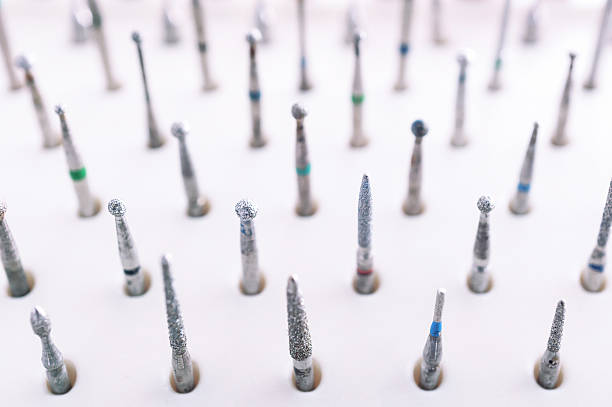
Electroplated diamond burs with HP (handpiece) shanks are among the most widely used rotary instruments in dental laboratories and industrial grinding applications. Their single-layer diamond coating offers aggressive initial cutting, making them well suited for rapid material removal on a range of substrates including ceramics, composites, acrylics, and metals.
This article covers the main types of electroplated diamond bur HP, their intended applications, and practical guidance for getting the best performance from each variety.
What Is an Electroplated Diamond Bur?
An electroplated diamond bur is manufactured by depositing a single layer of diamond particles onto a steel or nickel shank using an electrochemical plating process. The diamonds are held in place by a thin metallic bond layer, typically nickel. This construction gives the bur an extremely sharp initial cutting surface with well-exposed diamond crystals.
The HP designation refers to the shank type—specifically, a straight 2.35 mm shank designed for low-speed handpieces and bench motors commonly found in dental laboratories. For background on shank classifications, see our guide to dental bur shank types.
Types of Electroplated Diamond Bur HP
Electroplated diamond bur HP instruments are categorized by their intended function. The three primary types are grinding burs, polishing burs, and burnishing burs. Each serves a distinct stage in the material processing workflow.
Grinding Burs
Grinding burs are designed for aggressive material removal and shaping. They feature coarse diamond particles (typically 100-180 µm) that cut quickly through hard materials.
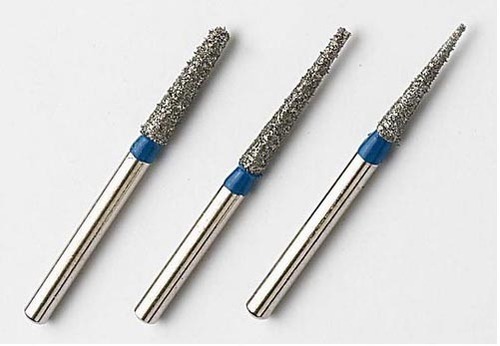
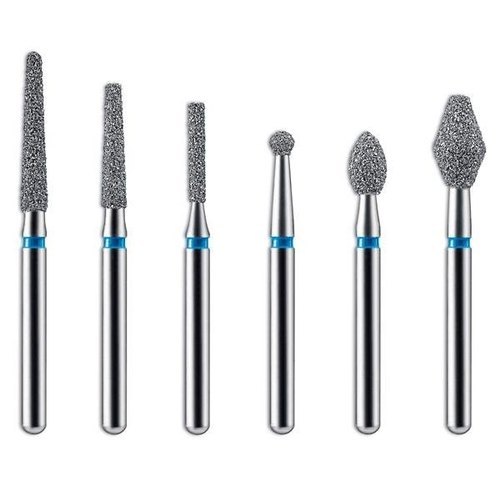
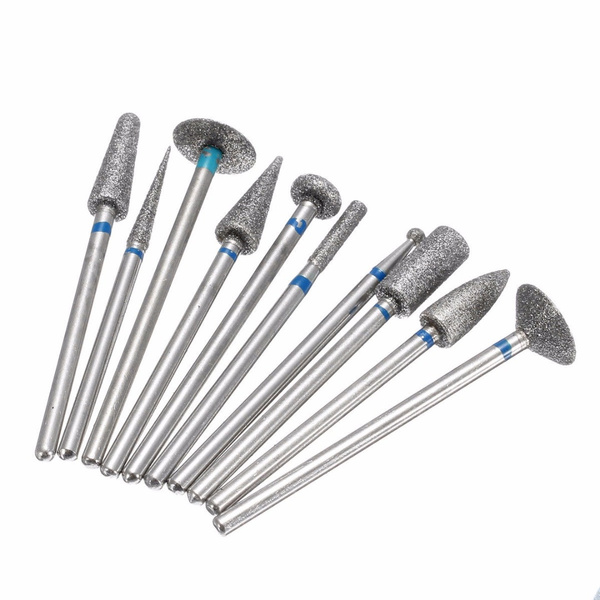
Common grinding bur shapes and their uses include:
- Cylinder: Flat-end cylinders produce straight walls and flat surfaces. Ideal for reducing occlusal height on prosthetic frameworks.
- Cone and taper: These reach into angled areas and narrow spaces. Useful for adjusting crown margins and creating chamfer preparations on lab models.
- Wheel: Disc-shaped grinding burs excel at creating slots, grooves, and flat ledges in ceramic or metal substrates.
- Ball: Round-headed burs are effective for hollowing out concavities and creating smooth internal contours.
Grinding burs can be further divided into coarse and fine subtypes. Coarse grinding burs handle bulk reduction, while fine grinding burs refine the shape before the polishing stage.
Polishing Burs
Polishing burs carry finer diamond particles (typically 40-80 µm) and are intended for surface refinement after initial grinding. Their purpose is to remove the scratch pattern left by coarser instruments and prepare the surface for final finishing.
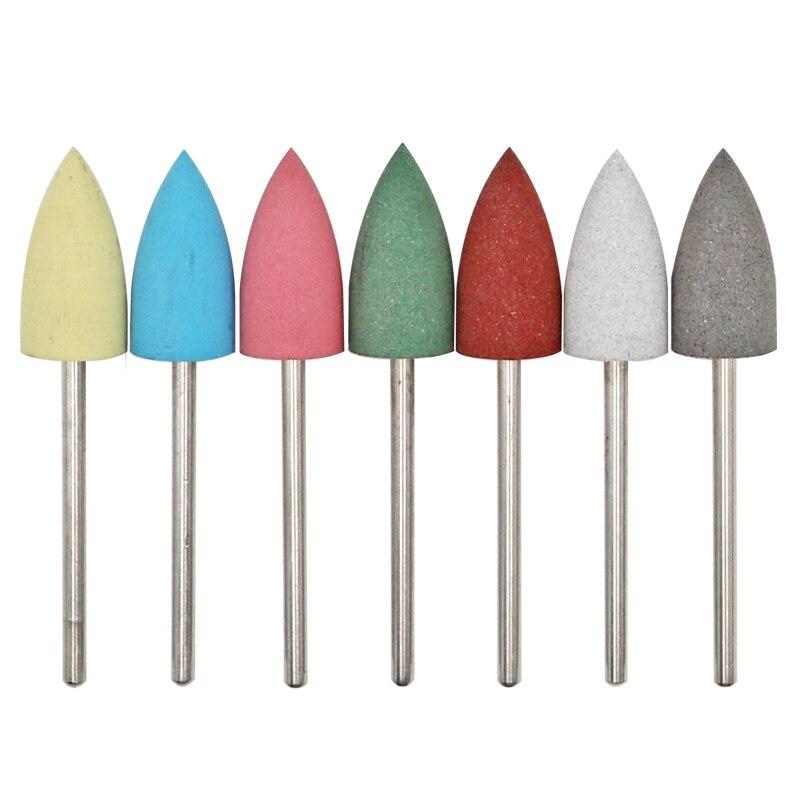
Key characteristics of polishing burs:
- Finer grit produces smoother surface texture with fewer visible tool marks.
- They run effectively at higher speeds (20,000-30,000 RPM) with light pressure.
- Available in the same shape range as grinding burs—cylinder, flame, cone, ball—to match previously ground contours.
- Often used in sequence from medium to fine grit for progressive surface improvement.
In dental laboratory work, polishing burs are commonly used on zirconia frameworks, porcelain-fused-to-metal restorations, and acrylic denture bases.
Burnishing Burs
Burnishing burs represent the finest grade in the electroplated diamond bur HP range. With diamond particles as small as 10-25 µm, these burs produce a near-polished surface finish in a single step.
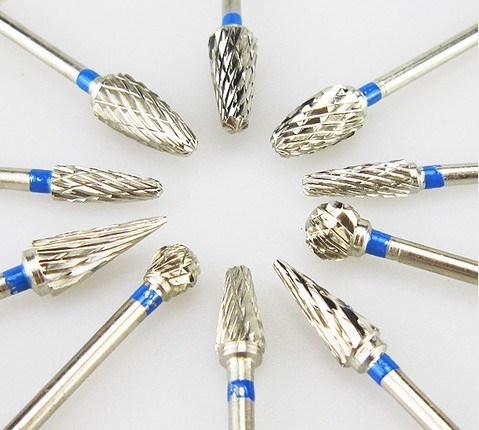
Burnishing burs are used when:
- A high surface smoothness is required before final rubber polishing.
- The workpiece demands minimal material removal with maximum surface quality.
- Processing heat-sensitive materials where aggressive cutting could cause damage.
After burnishing, many technicians follow up with silicone rubber polishers to achieve a mirror-like gloss on the restoration surface.
Applications in Dental Laboratories
Electroplated diamond bur HP instruments are daily-use tools in most dental labs. Their applications span every stage of prosthetic fabrication and adjustment.
Ceramic and Zirconia Work
When adjusting full-contour zirconia or layered ceramic restorations, electroplated diamond burs handle contouring, margin trimming, and interproximal contact adjustment. Start with a medium grinding bur for bulk shaping, move to a fine polishing bur for surface smoothing, and finish with a burnishing bur before rubber polishing.
Metal Framework Adjustment
Chrome-cobalt and nickel-chromium frameworks often require grinding after casting. Coarse diamond burs remove sprues, smooth nodules, and refine connector areas efficiently. The HP shank allows use with standard lab bench motors at appropriate speeds.
Acrylic and Composite Processing
Denture bases, temporary crowns, and composite restorations benefit from diamond bur finishing. While carbide burs also work on these softer materials, diamond burs leave a more uniform surface texture that polishes more predictably.
Model and Die Trimming
Stone models and die materials are easily shaped with electroplated diamond burs. Ball and cylinder shapes are particularly useful for trimming die margins and adjusting model bases.
Applications Beyond Dentistry
Electroplated diamond bur HP tools have found use in several industries outside of dental work:
| Industry | Typical Application | Common Bur Types |
|---|---|---|
| Jewelry | Stone setting, metal engraving, wax carving | Ball, flame, needle |
| Optics | Lens grinding, prism shaping, glass edge finishing | Cylinder, wheel, cup |
| Electronics | Ceramic substrate trimming, circuit board modification | Disc, cylinder, cone |
| Watchmaking | Crystal shaping, movement component finishing | Ball, taper, flame |
The same diamond hardness that makes these burs effective on dental ceramics applies equally to sapphire glass, optical lenses, and precision metal components.
Performance Tips for Electroplated Diamond Burs
Getting the most from electroplated diamond burs requires attention to technique and handling.
Speed and Pressure
Electroplated burs perform best at moderate speeds (15,000-25,000 RPM for most materials) with light, consistent pressure. Heavy pressure flattens the exposed diamond tips and shortens bur life significantly. Let the diamonds cut—do not force the bur into the workpiece.
Cooling
Use water or air cooling whenever possible, especially on ceramics and metals. Heat buildup degrades the nickel bond layer and can cause diamond particles to detach prematurely. In dry grinding situations, use intermittent contact to allow heat dissipation.
Sequential Grit Use
For the best surface finish, work through grits in order: coarse grinding, fine grinding, polishing, then burnishing. Skipping grit steps often leaves deep scratches that finer burs cannot fully remove, resulting in a compromised final surface.
Bur Life Management
Unlike sintered diamond burs that expose fresh diamond as they wear, electroplated burs have only one layer of diamond. Once that layer is worn or stripped, the bur is finished. Track usage and replace burs before they become ineffective, as a dull bur generates excess heat and produces poor results.
Storage and Maintenance
Proper handling extends the useful life of electroplated diamond burs:
- Clean after each use: Debris packed between diamond particles reduces cutting efficiency. Use an ultrasonic cleaner or a brass wire brush to clear accumulated material.
- Store individually: Prevent burs from contacting each other in storage, as this can chip diamond particles. Use a bur block or individual tubes.
- Avoid lateral force: Electroplated burs are designed for axial cutting. Side pressure can strip the diamond layer, especially near the bur tip.
- Inspect regularly: Look for bare spots where the diamond layer has worn away. A bur with patchy diamond coverage will cut unevenly and should be replaced.
Choosing Between Electroplated and Sintered Diamond Burs
Both types have their place in a well-equipped laboratory diamond bur collection. Electroplated burs offer sharper initial cut and lower per-unit cost, making them ideal for lighter-duty work and situations where burs are replaced frequently. Sintered burs justify their higher price when working extensively on hard ceramics like zirconia, where their multi-layer construction provides meaningful longevity advantages.
For most dental laboratories, stocking both types in commonly used shapes provides the flexibility to match the right tool to each task. The result is better efficiency, better surface quality, and lower overall instrument costs.