
Tooth Extraction: What to Expect Before, During, and After
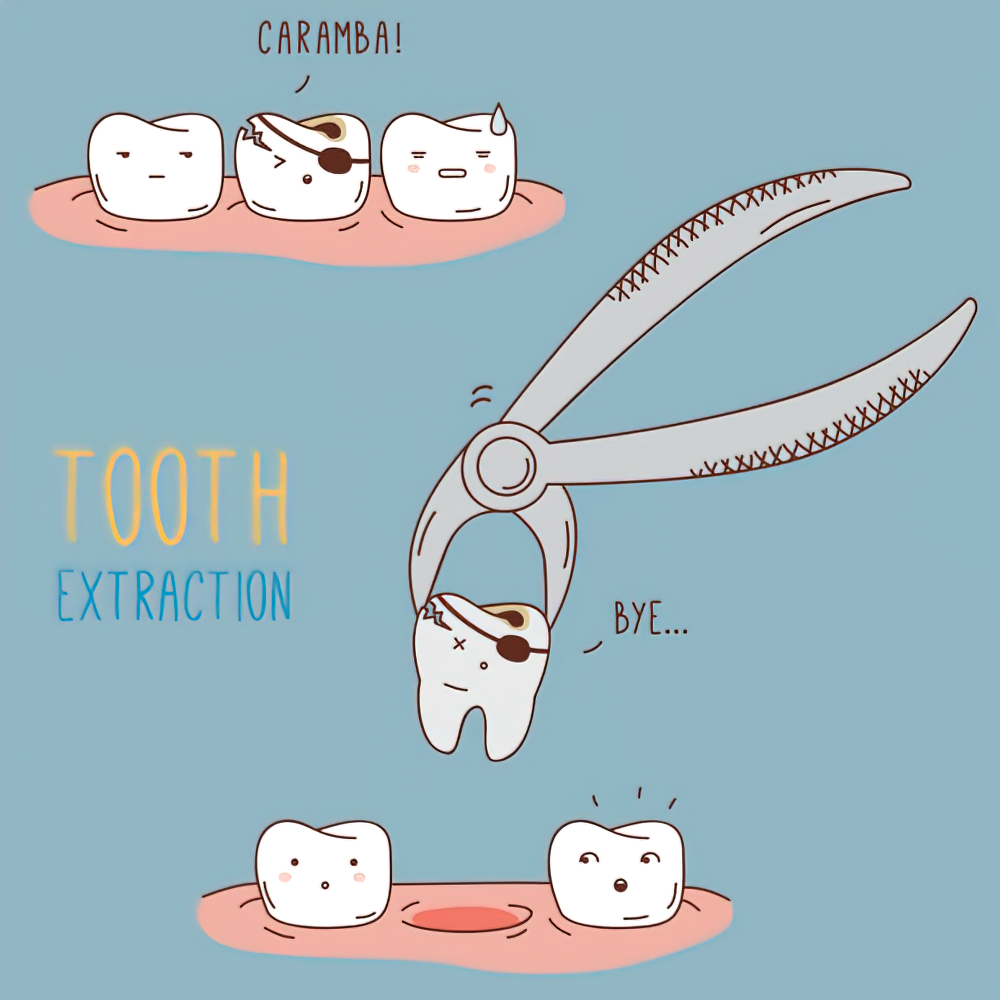
When a tooth is too damaged by decay, trauma, or infection to be saved with a filling or crown, extraction becomes necessary. Understanding the process and recovery steps helps patients feel prepared and reduces anxiety around this common dental procedure.
Why Tooth Extraction May Be Necessary
Dentists recommend extraction only after determining that a tooth cannot be restored. Common reasons include:
- Severe decay that has destroyed most of the tooth structure
- Advanced periodontal disease causing loosening of the tooth
- Irreparable fracture from trauma or injury
- Impacted wisdom teeth causing crowding or infection
- Preparation for orthodontic treatment when teeth are overcrowded
What Happens If a Damaged Tooth Is Not Removed?
Leaving a severely damaged or infected tooth untreated can lead to serious complications. Bacteria from the decaying tooth may spread to surrounding tissues, increasing the risk of abscess formation. An abscess is a pus-filled pocket that can cause pain radiating through the jaw, ear, and neck. In rare cases, untreated dental infections can spread to the bloodstream, making timely treatment a priority.
Two Main Types of Tooth Extraction
The type of extraction depends on whether the tooth is visible above the gum line or trapped beneath it.
| Feature | Simple Extraction | Surgical Extraction |
|---|---|---|
| When used | Tooth is fully visible above the gum | Tooth is impacted or broken below the gum |
| Anesthesia | Local anesthesia only | Local + IV sedation or general anesthesia |
| Incision needed | No | Yes, small incision in gum tissue |
| Bone removal | No | Sometimes required |
| Procedure time | 20-30 minutes | 30-60 minutes |
| Recovery time | 2-3 days | 5-7 days or longer |
Simple Extraction: Step-by-Step Process
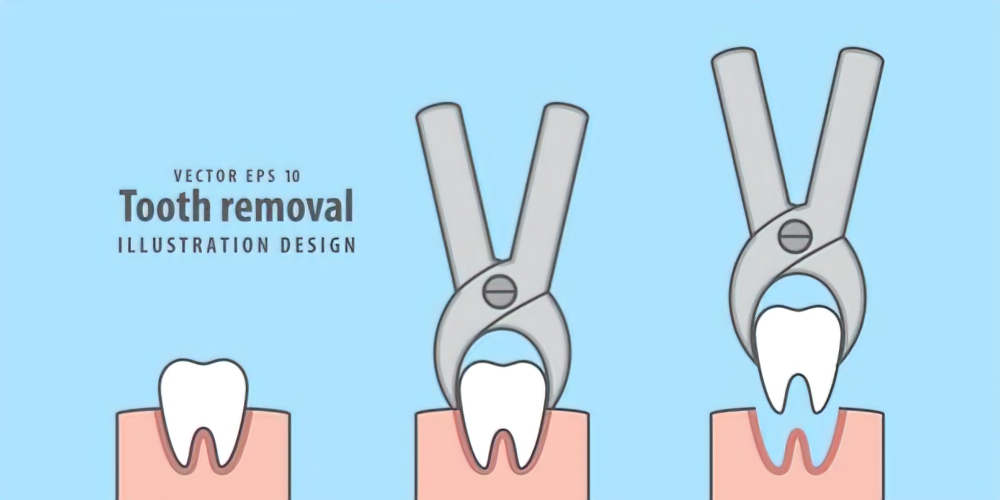
When a tooth is fully erupted and visible, the dentist performs a simple extraction using forceps and elevators. Here is what happens during each stage:
Step 1: Administering the Anesthetic
The dentist injects a local anesthetic to numb the tooth, gum tissue, and surrounding bone. The injection involves three stages: inserting the needle with a small prick, positioning the needle at the target tissue, and depositing the anesthetic solution. Most patients feel only brief pressure during this process.
Step 2: Loosening and Removing the Tooth
The dentist first releases the periodontal ligament fibers that hold the tooth in its socket. Using an elevator instrument, the dentist rocks the tooth back and forth to widen the socket. Once sufficiently loosened, extraction forceps grip the tooth and lift it out. This stage requires controlled pressure rather than force.
Step 3: Socket Cleaning and Closure
After removal, the dentist inspects the socket and scrapes away any infected or diseased tissue from the walls. The socket is compressed to restore its shape. For upper back teeth, the dentist also checks for sinus communication and smooths any sharp bone edges. The area is rinsed to clear debris and bone fragments.
Step 4: Controlling Bleeding
Gauze is placed over the extraction site. The patient bites down firmly to apply pressure and promote clot formation. This initial clot is critical for proper healing.
Step 5: Ridge Preservation (If Needed)
In cases where a dental implant is planned for the future, the dentist may place bone graft material into the socket to preserve the jawbone ridge and prevent bone loss.
Step 6: Post-Operative Care
An ice pack may be provided to manage facial swelling. The dentist gives detailed aftercare instructions before the patient leaves.
Surgical Extraction: What Makes It Different
Surgical extraction is required when the tooth is not fully accessible. The oral surgeon makes a small incision in the gum tissue to expose the tooth. In some cases, bone surrounding the tooth must be removed, or the tooth is sectioned into smaller pieces for easier removal. Patients typically receive IV sedation or general anesthesia in addition to local numbing.
The surgical instruments used during extraction, including surgical burs, are designed for precise bone removal while minimizing trauma to surrounding tissue. Proper instrument selection directly affects patient comfort and healing speed.
Recovery Timeline After Tooth Extraction
Most patients can return to normal activities within a few days, though complete healing takes longer.
- First 24 hours: Blood clot forms in the socket. Rest and avoid physical activity.
- 24-72 hours: Swelling peaks and begins to subside. Continue resting.
- 3-7 days: Pain and swelling decrease significantly. Soft foods are still recommended.
- 1-2 weeks: Gum tissue begins closing over the socket.
- 3-4 weeks: Soft tissue healing is typically complete.
- 3-6 months: Full bone remodeling of the socket occurs.
What to Avoid During Recovery
Following these guidelines protects the blood clot and prevents dry socket, one of the most common complications after extraction:
- No straws: The suction pressure can dislodge the blood clot from the socket.
- No hot beverages: Heat increases blood flow and can cause swelling or disturb the clot.
- No smoking: Chemicals in tobacco interfere with clot formation and significantly increase dry socket risk.
- No vigorous rinsing: Gentle saltwater rinses are fine after the first 24 hours, but forceful swishing can disrupt healing.
- No hard or crunchy foods: Stick to soft foods like yogurt, soup, and mashed potatoes for the first few days.
Signs You Should Contact Your Dentist
While some discomfort is normal, certain symptoms may indicate a complication. Contact your dentist if you experience:
- Severe pain that worsens after 2-3 days instead of improving
- Fever or chills
- Excessive bleeding that does not stop with pressure
- Foul taste or odor from the extraction site
- Numbness that persists beyond the expected anesthesia timeline
Preparing for Your Tooth Extraction Appointment
Proper preparation makes the procedure smoother for both patient and dentist:
- Inform your dentist about all medications you take, including supplements and blood thinners.
- Arrange transportation if IV sedation or general anesthesia will be used.
- Eat a light meal before the appointment unless instructed otherwise.
- Wear comfortable, loose-fitting clothing.
- Ask questions about the procedure so you know what to expect.
Understanding Dry Socket
Dry socket (alveolar osteitis) is the most common complication after tooth extraction, occurring in roughly two to five percent of all extractions and up to thirty percent of wisdom tooth removals. It develops when the blood clot that forms in the socket is dislodged or dissolves before healing is complete, exposing the underlying bone and nerve endings to air, food, and bacteria.
Symptoms of dry socket typically appear two to four days after extraction and include intense, throbbing pain that may radiate to the ear, a visible empty socket without a blood clot, bad breath, and an unpleasant taste in the mouth. Treatment involves the dentist cleaning the socket and placing a medicated dressing to protect the exposed bone and relieve pain. The dressing is usually changed every one to two days until the socket begins healing on its own.
Risk factors for dry socket include smoking, use of oral contraceptives, a history of dry socket with previous extractions, and poor oral hygiene. Patients who follow their aftercare instructions carefully, especially avoiding straws and tobacco, significantly reduce their risk.
Options After Tooth Extraction
Once the extraction site has fully healed, patients should discuss tooth replacement options with their dentist. Leaving a gap, especially in the back of the mouth, can lead to shifting of neighboring teeth, bite misalignment, and jawbone loss over time. Common replacement options include:
- Dental implants: A titanium post is surgically placed into the jawbone and topped with a crown. This is the most durable and natural-looking option.
- Dental bridges: A prosthetic tooth is anchored to the adjacent natural teeth using crowns. No surgery is required.
- Partial dentures: A removable appliance that fills the gap and can be taken out for cleaning. This is often the most affordable option.
Your dentist will recommend the best option based on the location of the missing tooth, the condition of your jawbone, your overall oral health, and your budget. If an implant is planned, ridge preservation performed at the time of extraction helps maintain adequate bone volume for the implant post.
Tooth extraction is one of the most performed procedures in dentistry. With modern anesthesia, refined techniques, and proper aftercare, patients can expect a straightforward experience and a recovery measured in days rather than weeks. Follow your dentist's post-operative instructions closely, attend any scheduled follow-up appointments, and do not hesitate to call if something feels wrong during healing.
For more information on the dental instruments used during oral surgery and restorative procedures, read our guide on how Endo Z burs work for post-extraction access and restoration preparation.