Dental Implants: A Complete Guide to Types, Procedure, and Aftercare
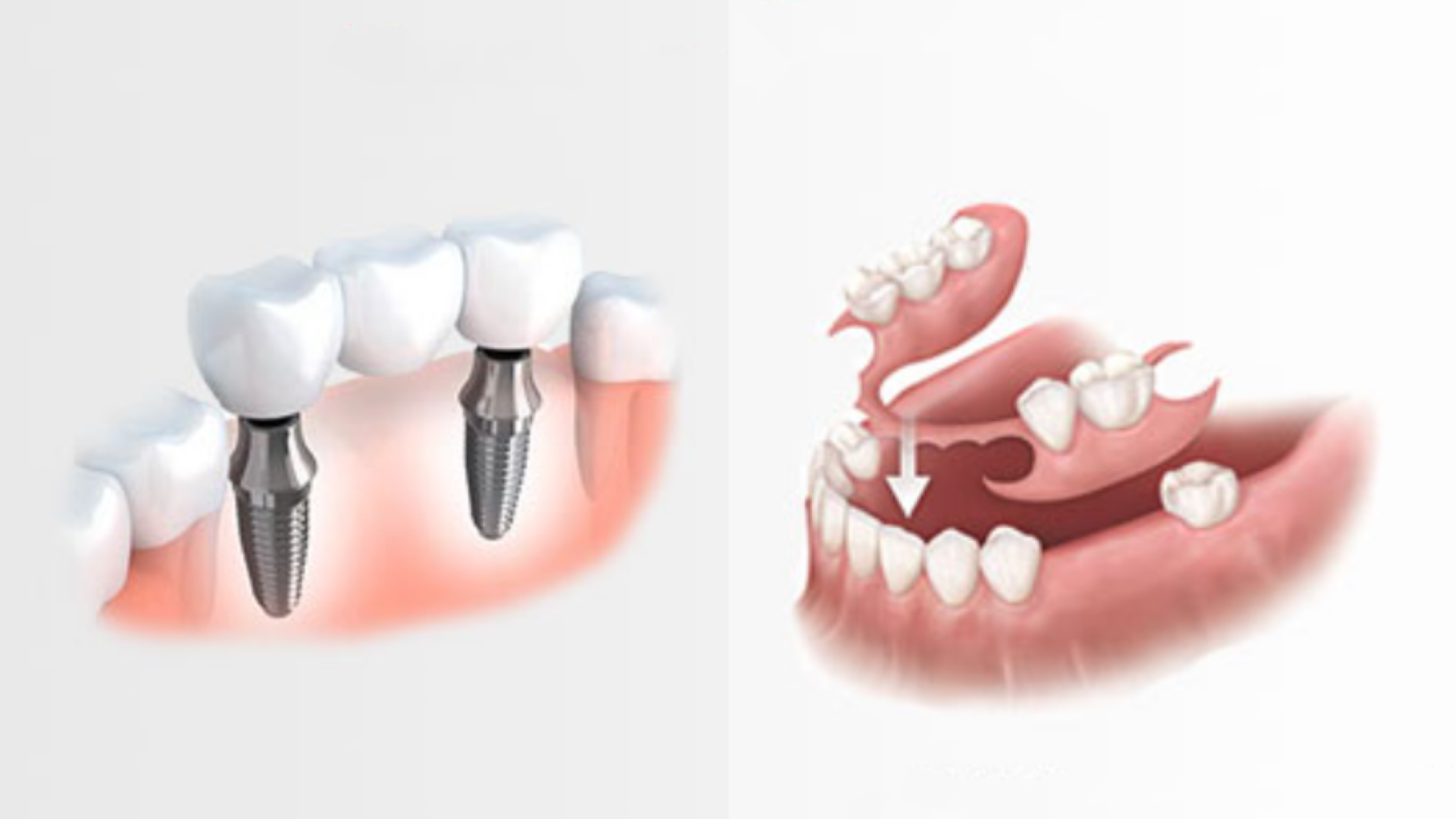
Dental implants are the gold standard for replacing missing teeth. Unlike removable dentures or fixed bridges that sit on the gum surface or rely on adjacent teeth for support, implants are anchored directly into the jawbone. This provides a stable, long-lasting foundation for prosthetic teeth that look, feel, and function like natural ones. Whether you are missing a single tooth or need a full-arch restoration, understanding how implants work will help you make a confident decision about your treatment.
What Is a Dental Implant?
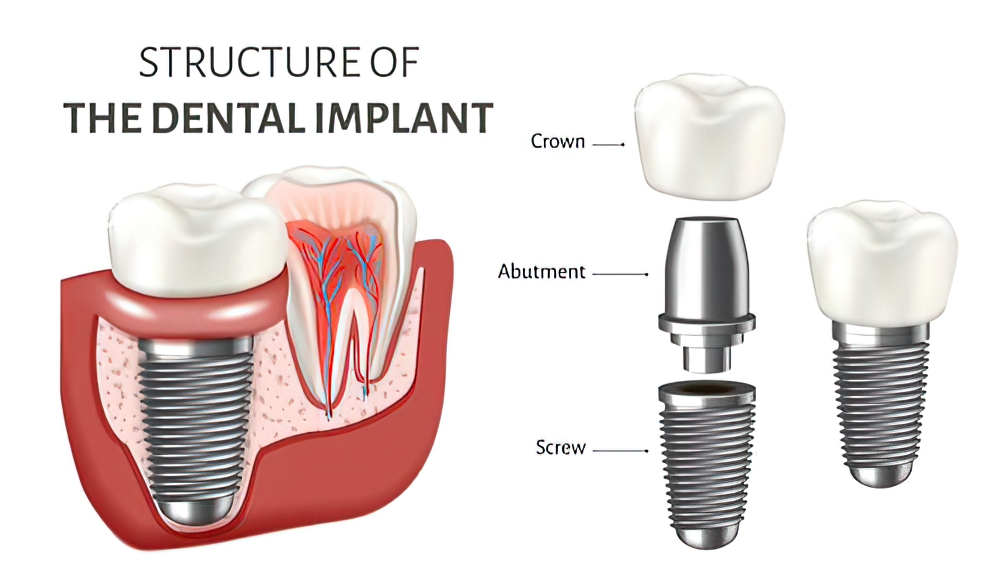
A dental implant is a small titanium post that an oral surgeon or periodontist places into the jawbone beneath the gum line. Over a healing period of several months, the surrounding bone grows into the micro-textured surface of the titanium through a biological process called osseointegration. Once this bond is fully established, the implant functions as an artificial tooth root capable of supporting a crown, bridge, or full denture.
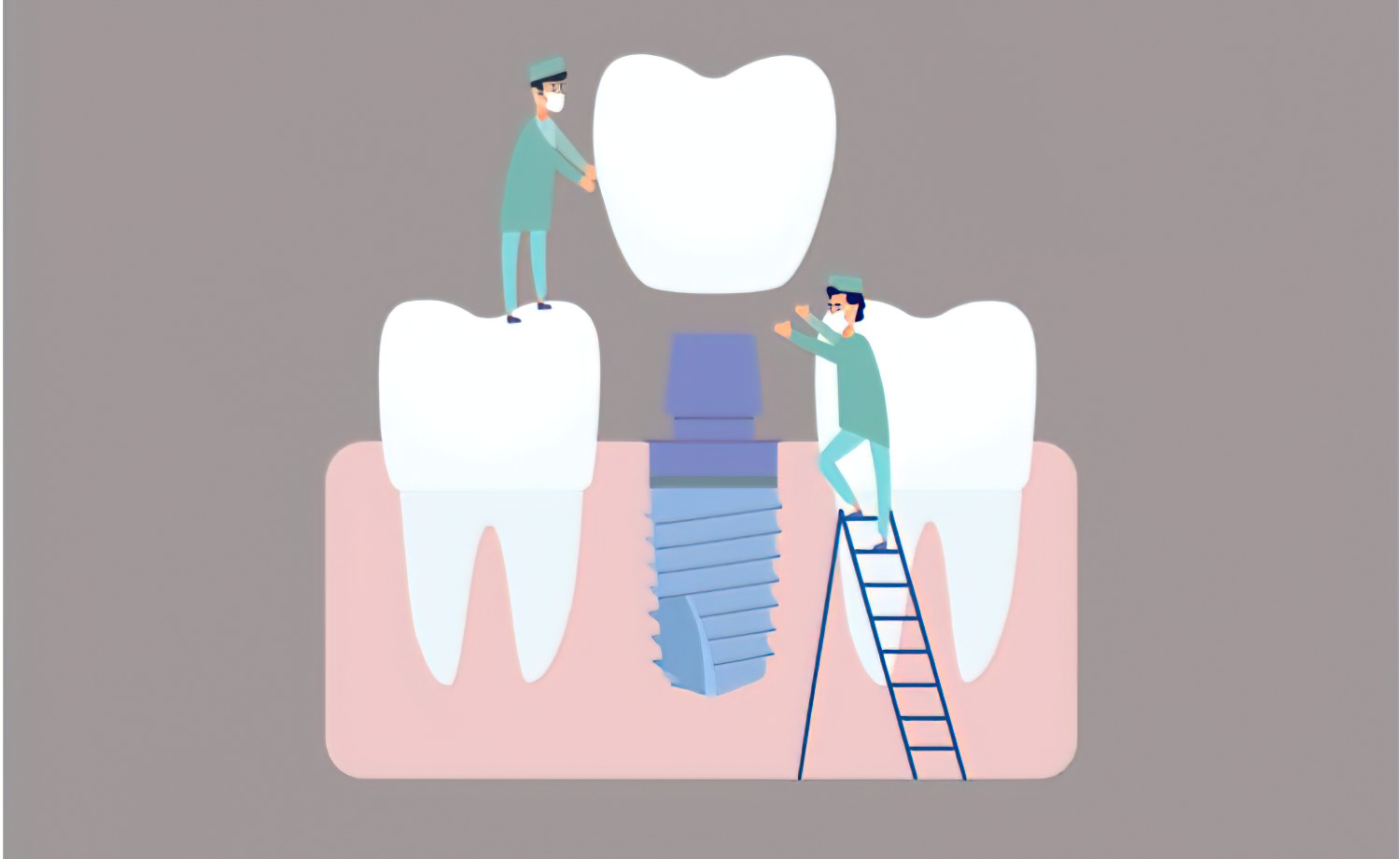
A typical single-tooth implant system consists of three separate components that work together:
- The implant body: A threaded titanium or titanium-alloy screw that is surgically inserted into the jawbone and serves as the root anchor
- The abutment: A connector piece that screws into the top of the implant body after the osseointegration healing period is complete
- The prosthetic crown: A custom-fabricated ceramic, porcelain, or zirconia tooth that attaches to the abutment and is visible above the gum line
This modular design allows clinicians to replace individual components without disturbing the implant body integrated into the bone.
Four Main Types of Dental Implants
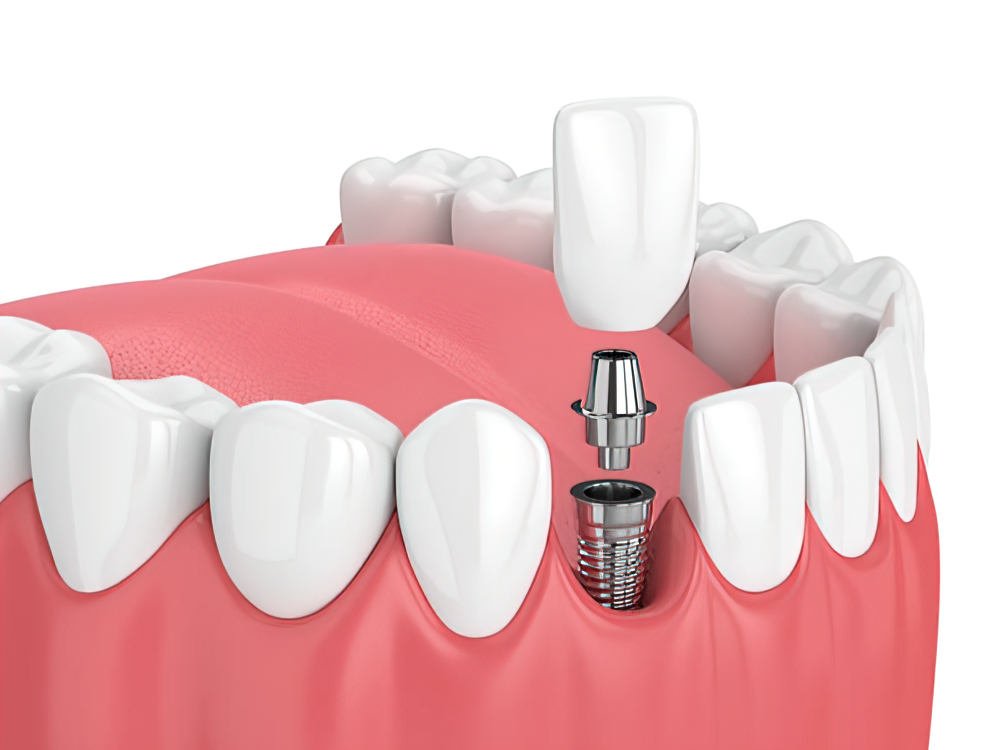
Dental professionals select from several implant designs depending on the patient's bone density, jaw anatomy, healing capacity, and treatment goals. Here are the four most common approaches used in modern implant dentistry.
1. Endosteal (Endosseous) Implants
Endosteal implants are by far the most widely used type in clinical practice today. The surgeon places the threaded titanium post directly into the jawbone through a drilled osteotomy site. After osseointegration is complete, which typically takes three to six months, the abutment and prosthetic crown are attached in a second appointment. Endosteal implants require adequate bone height, width, and density to succeed. When bone volume is insufficient, a grafting procedure may be performed before or simultaneously with implant placement to build up the site.
2. Subperiosteal Implants
Subperiosteal implants rest on top of the jawbone surface but beneath the gum tissue, rather than being inserted into the bone itself. A custom-fabricated metal framework is designed from a CT scan or impression of the patient's jaw, and it conforms precisely to the bone contour. Posts extend through the gums to hold prosthetic teeth. This option is primarily used when patients lack sufficient bone volume for endosteal implants and are not good candidates for bone grafting procedures due to medical conditions or personal preference.
3. Two-Stage Implants
Two-stage implants involve two distinct surgical procedures separated by a healing interval. In the first surgery, the implant body is placed flush with the bone surface and completely covered by sutured gum tissue to heal in a protected environment. In the second surgery, performed after osseointegration is confirmed through imaging, the surgeon makes a small incision to expose the implant and attaches the healing abutment. This staged approach allows for controlled, undisturbed healing and is especially common in cases that require simultaneous bone grafting at the implant site.
4. Immediate-Load (Single-Stage) Implants
With immediate-load implants, a temporary prosthetic crown or bridge is placed on the same day as the implant surgery. This approach works best when the patient has strong existing bone density and the implant achieves high primary mechanical stability at the time of placement. The temporary prosthesis is typically replaced with a permanent restoration after the osseointegration period is complete. Immediate loading reduces the total number of appointments, eliminates the period of visible tooth absence, and is increasingly popular for anterior teeth where aesthetics are a priority.
Who Is a Good Candidate for Dental Implants?
Most healthy adults with one or more missing teeth can receive dental implants successfully. However, certain health conditions and lifestyle factors affect eligibility and long-term success rates. Ideal candidates typically meet these criteria:
- Healthy gum tissue that is free of active periodontal disease or infection
- Sufficient jawbone density and volume to support the implant, or willingness to undergo bone grafting before placement
- No uncontrolled systemic conditions such as diabetes, autoimmune disorders, or bleeding disorders
- Non-smoker, or willing to stop smoking for at least several weeks before and after the surgical procedure
- Committed to maintaining thorough daily oral hygiene and attending regular dental checkups after placement
Who May Not Qualify?
Several groups may face higher complication risks or may not be eligible for implant placement without additional interventions:
- Children and adolescents: Jaw growth must be complete before implants can be placed, which typically means waiting until at least age 18 for most patients. Placing an implant in a growing jaw can result in the implant being positioned incorrectly as the bone continues to develop.
- Heavy smokers: Tobacco use significantly reduces blood flow to healing tissues and impairs osseointegration. Studies show implant failure rates two to three times higher in smokers compared to non-smokers.
- Patients with uncontrolled diabetes: High blood sugar levels impair wound healing and increase susceptibility to infection at the surgical site, raising the risk of implant failure.
- Patients on certain medications: Bisphosphonates used for osteoporosis treatment and some immunosuppressive drugs can interfere with bone remodeling and healing around the implant site.
Timing: When Should You Get an Implant?
The optimal time to place an implant after tooth extraction depends on the clinical situation. Your surgeon will recommend one of three general timelines based on bone quality, the reason for tooth loss, and whether infection was present.
| Timing | Description | Best For |
|---|---|---|
| Immediate placement | Implant placed at the same appointment as tooth extraction | Patients with healthy bone, no active infection, and adequate socket dimensions |
| Early placement (4-8 weeks) | Implant placed after initial soft tissue healing is underway | Cases where gum tissue closure over the site improves aesthetic outcomes and protects the implant |
| Delayed placement (3-6 months) | Implant placed after substantial bone remodeling has occurred | Cases involving infection, bone grafting requirements, or significant socket damage |
Delaying placement too long after extraction can lead to bone resorption at the site, which may eventually require grafting that would not have been necessary with earlier intervention. Discuss timing with your oral surgeon or periodontist as soon as a tooth extraction becomes likely.
Implants vs. Bridges: Which Is the Better Choice?
Both implants and fixed bridges effectively replace missing teeth, but they differ in several important ways that affect long-term outcomes, maintenance requirements, and overall cost.
| Factor | Dental Implant | Dental Bridge |
|---|---|---|
| Expected lifespan | 20 or more years; the implant body often lasts a lifetime with proper care | 10-15 years before the bridge typically needs replacement |
| Effect on adjacent teeth | No modification to neighboring teeth is required at any point | Requires grinding down two healthy adjacent teeth to serve as bridge abutments |
| Bone preservation | Stimulates the jawbone through functional loading and prevents bone loss at the site | Does not prevent bone resorption beneath the pontic, which can lead to aesthetic changes over time |
| Approximate cost | $3,000-$5,000 per single implant including the crown | $2,000-$3,500 for a standard three-unit bridge |
| Daily maintenance | Brush and floss normally around the implant crown; no special tools required | Requires floss threaders or interdental brushes to clean beneath the pontic span |
For patients who have adequate bone and are in good general health, implants generally represent a better long-term investment because they preserve jawbone structure, do not compromise healthy neighboring teeth, and have a longer expected service life.
All-on-4 Full-Arch Implant Systems
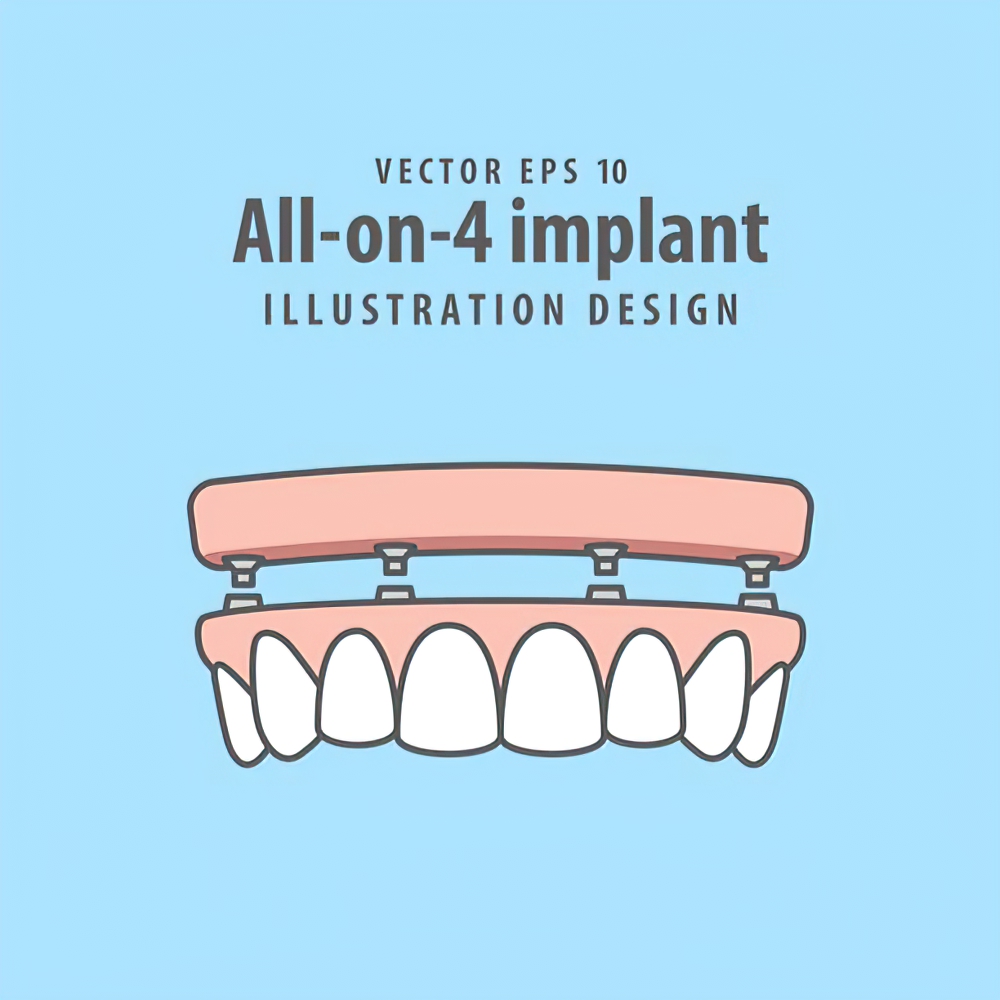
The All-on-4 treatment concept supports a complete arch of prosthetic teeth using just four strategically angled implants per jaw. Two implants are placed vertically in the anterior region where bone density is naturally highest, and two are placed at angles of up to 45 degrees in the posterior region to maximize bone contact without requiring sinus lifts or posterior bone grafts.
This approach offers several distinct benefits for patients who are missing all or most of their teeth in one arch:
- Eliminates the need for bone grafting procedures in many cases, reducing treatment time and cost
- Provides a fixed, non-removable full-arch restoration that does not need to be taken out for cleaning
- Can often be completed with a temporary prosthesis attached on the same day as the implant surgery
- More cost-effective than placing six to eight individual implants per arch with separate crowns
Caring for Your Dental Implants
Dental implants require the same daily oral hygiene attention as natural teeth, with a few additional considerations to protect the implant-tissue interface and the prosthetic components.
Daily Care for Single Implants
- Brush at least twice daily using a soft-bristle manual or electric toothbrush
- Use low-abrasive toothpaste to avoid scratching the polished surface of the prosthetic crown
- Floss daily with unwaxed tape or implant-specific floss designed to conform to the abutment shape
- Clean around the abutment collar and gum margin using a nylon-coated interdental brush
- Rinse with an alcohol-free antimicrobial mouthwash as directed by your dental team
Additional Care for All-on-4 Prostheses
- Use a rubber-tip stimulator to gently massage the gum tissue around each implant site daily
- Clean beneath the prosthetic bar and pontic areas with a sulcus brush or powered oral irrigator
- Schedule professional maintenance appointments every three to six months for prosthesis removal, deep cleaning of the implant components, and inspection of the tissue health
Avoid biting directly into very hard foods such as ice cubes, hard candy, and bone. While implant-supported crowns are strong, excessive force can chip the porcelain surface or loosen the abutment screw connection over time.
Long-Term Success Rates and Follow-Up
Dental implants have a well-documented success rate exceeding 95% over ten years when placed by experienced practitioners and maintained with consistent oral hygiene. The titanium implant body itself can last a lifetime in most patients. The prosthetic crown or bridge attached to the implant typically needs replacement every 10 to 15 years due to normal functional wear, just as natural teeth require restorations over time.
Regular dental checkups, usually every six months, allow your dentist to monitor the implant site with periodic radiographs, check for early signs of peri-implantitis (inflammation of the tissue surrounding the implant), verify the stability of prosthetic connections, and address minor issues before they progress into more serious complications.
Dental professionals performing implant procedures rely on precision rotary instruments. Explore our surgical burs designed for osteotomy preparation, bone shaping, and soft tissue management during implant surgery.
For related reading, see our article on how technology is changing dental implant procedures or check out our guide on knowing when it is time to replace your dental implants.